Battery Solution for Smart Agriculture Sensors
Over the last three years I have watched smart agriculture move from trial plots to real commercial deployments, and the one component that quietly decides whether a project survives its second season is the power source. A soil sensor node, a weather station, or a crop-camera pole may look simple, but it lives outdoors for years with no technician nearby. As Karl Huang, Senior lithium battery Engineer at Horizon Power, I have specified battery solution designs for hundreds of field nodes, and the lessons are surprisingly consistent. This guide walks through how we engineer reliable field power for agriculture sensors, from chemistry selection to multi-year state-of-health tracking.
Why Smart Agriculture Sensors Need a Dedicated Battery Solution
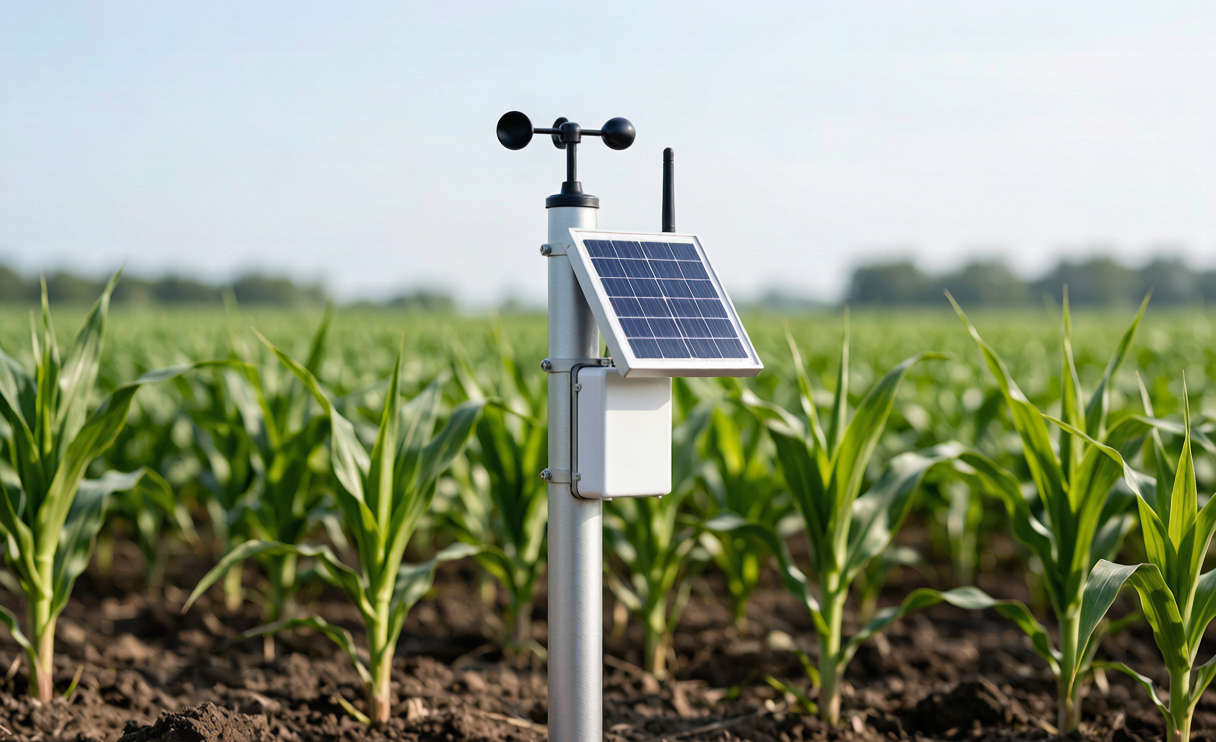
A sensor node is not a phone you recharge every night. It is deployed across hectares of farmland, on fence posts, under crop canopies, or buried near root zones, and it is expected to report data every few minutes for five to ten years. Grid power is rarely available, and pulling cabling to every node is uneconomic. That is why a purpose-built battery solution is the backbone of any IoT agriculture network.
The design challenge is energy autonomy. A typical soil moisture and temperature node draws 5 to 30 mA during a LoRaWAN or NB-IoT transmission burst, but only microamps while sleeping. Over a year, the active energy may be just a few hundred milliamp-hours, yet the pack must tolerate temperature swings from -25°C in winter to +60°C inside a sunlit enclosure. A generic consumer cell will not last; the pack has to be engineered for the duty cycle and the climate.
Chemistry Choices: Lithium, Semi-Solid and Sodium for the Field
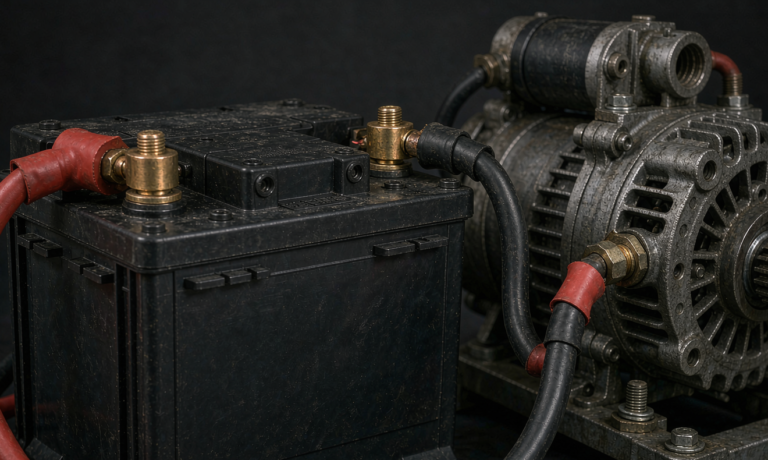
For most agriculture sensor nodes we start with lithium chemistry. LiFePO4 (LFP) is our default when size and weight are not critical, because it is stable, tolerant of partial state of charge, and rated for 3000 to 6000 cycles. When the node is weight- or volume-constrained, we move to NCM or Li-ion pouch cells. For low-temperature regions, sodium-ion is increasingly attractive: it keeps most of its capacity at -20°C where lithium falls off a cliff, and its raw-material supply chain is less volatile.
In premium nodes we now evaluate semi-solid state cells. They deliver higher energy density (around 300 Wh/kg in current pilot lines) and a better abuse tolerance than liquid-electrolyte cells, which matters when a pack sits in a sealed, sun-heated enclosure. The right custom battery solution is almost always a trade-off between energy density, cold performance, and cost, and we model that trade-off with the customer before building anything.
Sizing the Pack: Building the Energy Budget
Every battery application solution for a sensor node starts with an energy budget. We list each task, its current, and its duration. A representative node might look like this:
- Sleep current: 25 µA average
- MCU + sensor sampling: 15 mA for 2 seconds, 12 times per hour
- Radio transmit (LoRaWAN SF7): 120 mA for 1.5 seconds, 4 times per hour
- Heater for cold-climate version: 200 mA for 30 seconds, twice per day in winter
Summing these gives a daily consumption of roughly 8 to 12 mAh for a basic node, or up to 40 mAh for a heated version. A 10,000 mAh LiFePO4 pack at 80% usable depth then yields 8000 mAh, supporting 200 to 1000 days depending on configuration. We always add a 1.3× safety margin for cell aging and unexpected duty growth, then choose the pack so the node reaches its target service interval without a site visit.
BMS and Communication: Keeping the Node Alive for Years
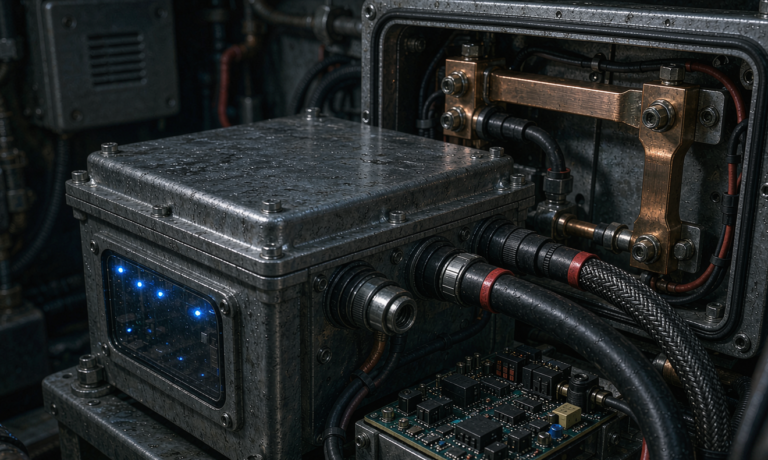
A field node needs more than cells; it needs intelligence. The BMS solution in a sensor pack is deliberately minimal but robust: over-discharge protection to stop the cells dying in a long cloudy stretch, a balanced charge path when solar is present, and a fuel-gauge IC that reports state of charge and state of health over the node’s radio link. We surface this data so the farm operator sees a pack heading below 20% before it fails.
One detail that saves deployments: the BMS must sleep almost completely. If the protection circuit draws 1 mA continuously, it will drain a 10,000 mAh pack in under a year on its own. Our designs keep quiescent draw below 15 µA so the pack, not the electronics, defines the service life.
Environmental Sealing and Cold-Weather Performance
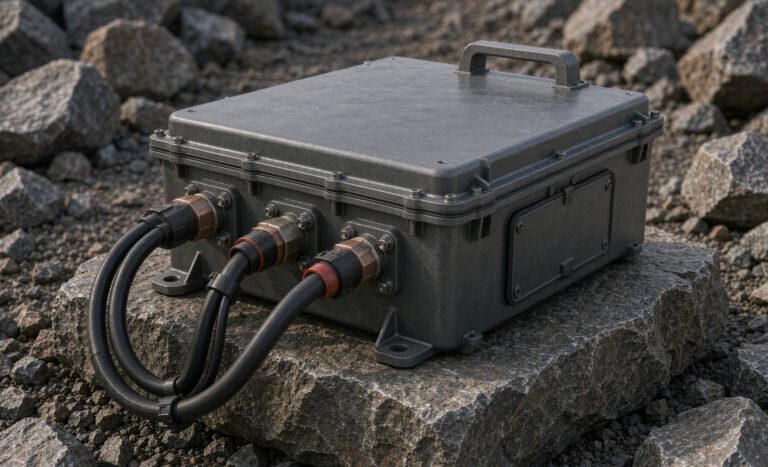
Agriculture is harsh. Nodes face condensation, irrigation spray, dust, and rodents. We specify enclosures at IP65 or better for above-ground nodes, and we pot the pack in a conformal coating so a cracked case does not mean a dead node. For cold-climate deployments, sodium-ion or a heated lithium pack is the difference between a node that reports through January and one that goes silent.
Certification matters here too. Every pack we ship for international agriculture projects meets UN38.3 for transport and IEC 62133 for cell safety, and we document the test reports so the customer can clear customs and insurance. A battery solution provider that cannot hand you those certificates is a liability in a commercial rollout.
Solar Hybrid and Energy Harvesting
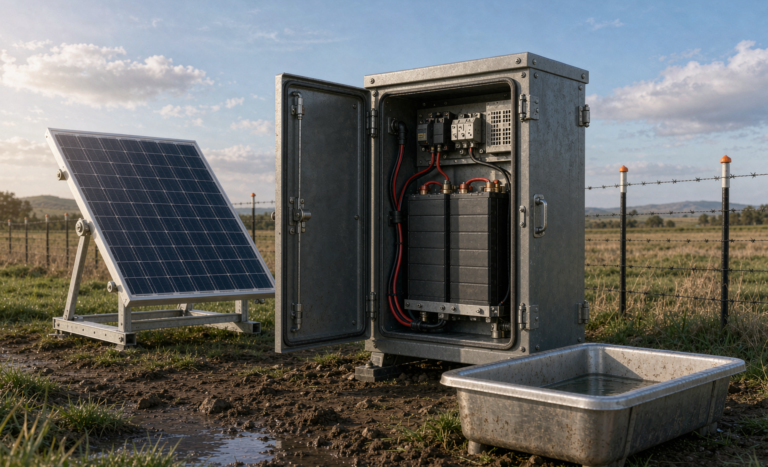
For nodes with higher duty cycles, such as crop cameras or edge-AI pest detectors, a solar panel transforms the math. A 2 W panel in a sunny region delivers 8 to 12 Wh per day in summer, which both extends runtime and lets us shrink the pack. We size the panel to cover winter worst-case irradiance, not summer average, and we include a maximum power point tracking (MPPT) stage so the panel actually delivers its rated energy instead of half of it.
Where solar is impractical, we have used small piezoelectric or thermal harvesters on irrigation infrastructure, but honestly those are niche. For 90% of agriculture nodes, lithium plus a modest solar top-up is the sweet spot.
Deployment, Maintenance and SOH Tracking
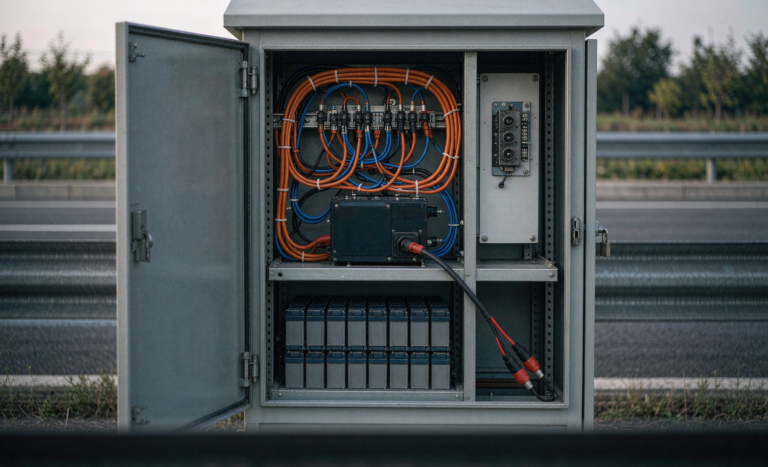
The cheapest service visit is the one you never make. We provision every pack with a unique ID and push state-of-health data to the customer’s dashboard, so a fleet of 5,000 nodes can be triaged by the ten that actually need attention. When a node does need service, the pack is designed for field swap: a sealed connector, no soldering, under five minutes. This is where a thoughtful battery solution pays for itself many times over across a multi-year deployment.
Total Cost of Ownership Across a Multi-Year Deployment
It is tempting to pick the cheapest cell and move on, but the pack is a fraction of lifetime cost. A service truck roll to a remote field node can cost more than the entire battery assembly, so every extra dollar spent on capacity, sealing, and SOH reporting is usually recovered on the first avoided visit. In one 4,000-node vineyard project, sizing packs 30% larger than the bare minimum and adding solar top-ups cut expected battery service calls from roughly 900 to under 120 over five years. That is the kind of arithmetic that wins budget approval.
This is also where working with an experienced battery solution provider changes the outcome. We have seen teams standardize on a single pack shape across all node types, soil, weather, and camera, which simplifies spares, training, and sourcing. A shared battery application solution platform across the farm reduces inventory and lets you negotiate volume pricing, without forcing every node into a suboptimal design.
From Prototype to Certified Volume Production
When a pilot proves out, the hard part begins: scaling to thousands of identical, certified packs. We run formation cycling on every production lot, grade cells so internal resistance stays within a tight band, and log each pack’s serial to its test data. That traceability is what lets a custom battery solution move from a bench sample to a shipment that clears UN38.3, IEC 62133, and your customer’s incoming inspection without a fight. For aviation-sprayed or manned-adjacent nodes, we also align packs with the relevant FAA and EASA guidance so the same platform can serve both ground and airborne agriculture roles.
Frequently Asked Questions
How long should a smart agriculture sensor battery last?
For a basic sleep-and-transmit node, a well-sized 10,000 mAh LiFePO4 pack typically runs 2 to 4 years. Add solar and that extends to 5 to 10 years or more. The key is matching pack size to the measured duty cycle, not to a marketing number.
Is sodium-ion better than lithium for farm sensors?
In cold regions, yes. Sodium-ion holds capacity far better at -20°C and avoids the swelling risks of lithium in deep cold. In mild climates with weight limits, lithium still wins on energy density. The right choice depends on your local climate and node size.
Do agriculture sensor batteries need certification?
Absolutely. For commercial and cross-border deployments you need UN38.3 for shipping and IEC 62133 for safety. We supply full test documentation so your rollout clears customs, insurance, and workplace-safety reviews without surprises.
Can I add solar later to an existing battery node?
Often yes, if the pack has a charge input and the BMS supports solar charging with proper over-voltage protection. We design most custom battery solution packs with a solar-ready port so the upgrade is a plug-in, not a rebuild.
How do I know when a node’s battery is failing?
Through state-of-health reporting from the BMS. A good BMS solution flags capacity fade and internal resistance rise before the node drops offline, so you replace the pack on a schedule instead of after a data gap.
What enclosure rating do agriculture sensor packs need?
IP65 or better for above-ground nodes exposed to irrigation and dust. Buried or root-zone sensors need sealed, potted packs even if the outer enclosure is simpler. Match the rating to where the node actually lives.