Battery Solutions for Quarry and Aggregate Processing
Why Quarry Sites Are a Harsh Environment for Batteries
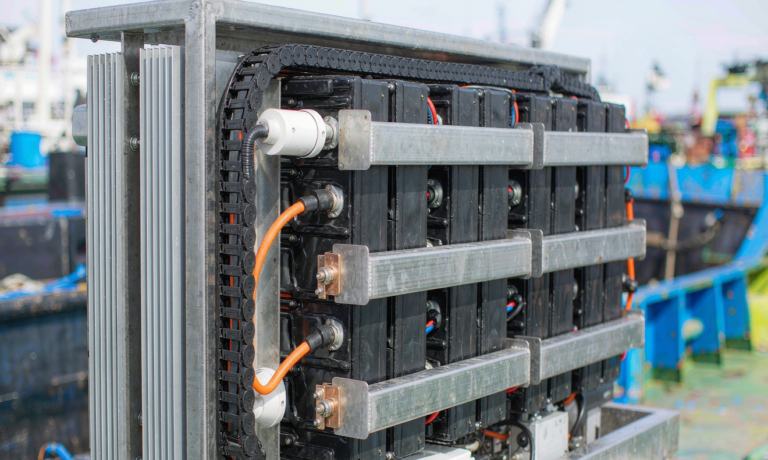
Quarries and aggregate processing sites run some of the toughest duty cycles in heavy industry. For most of my career as a lithium battery engineer, the default answer at a quarry was diesel, everywhere, from the haul trucks down to the conveyor drives. That is changing fast. Operators now ask me how a battery solution can replace diesel gensets and fuel-hungry mobile plant without losing the uptime that a quarry lives on. The short answer is that it works, but only if the pack is engineered for dust, shock, and temperature swings that would kill a standard lithium battery pack. In this article I walk through how we size, protect, and charge battery systems for quarry and aggregate processing operations based on field deployments I have been part of.
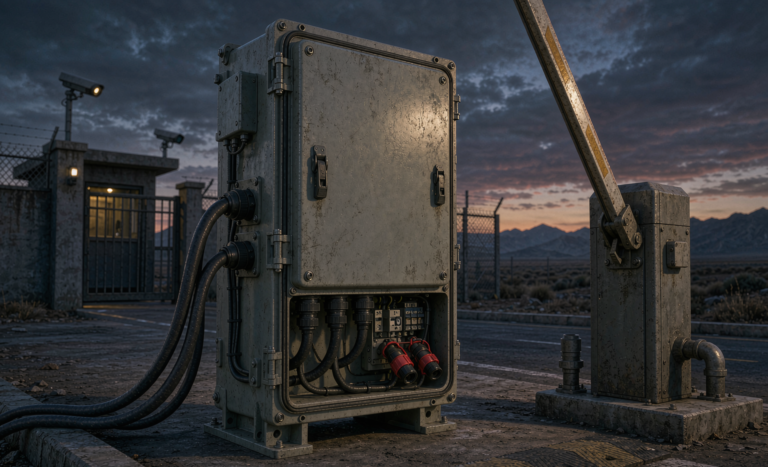
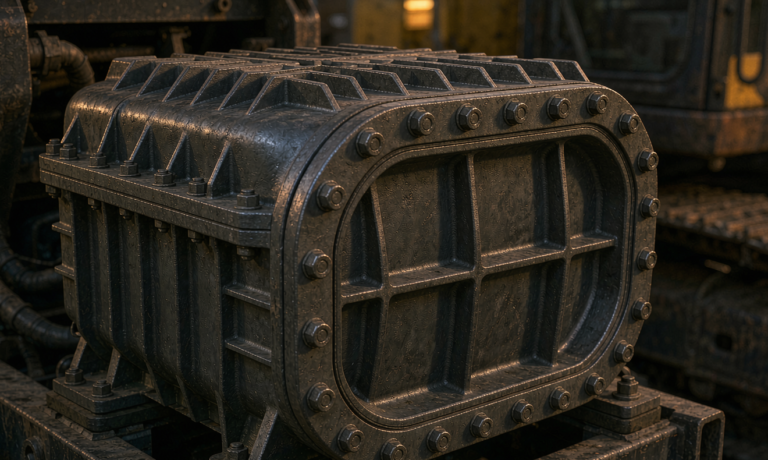
The first thing a quarry does to a battery is bury it in fine silicate dust. Airborne rock dust finds every seam, and once it reaches a cell terminal or a cooling fan it accelerates corrosion and overheats the pack. The second challenge is vibration. A pack bolted to an excavator or a screen house takes continuous low frequency shock that loosens busbars and fractures weld joints if the mechanical design is weak. The third is temperature. A quarry in a continental climate can swing from minus 15 degrees Celsius at a winter start to plus 45 degrees Celsius inside a sealed enclosure under load. A lithium battery that is happy at 25 degrees Celsius can lose half its available power at minus 15 degrees Celsius unless it has active thermal management.
- Fine dust ingress that attacks terminals and cooling paths
- Continuous vibration and shock from loading and crushing equipment
- Wide ambient temperature swings with little shade on site
- High peak currents during digging, lifting, and conveyor starts
- Remote locations where a failure means a long tow, not a quick swap
Sizing a Battery Solution for Haul and Loading Equipment
The biggest mistake I see in quarry electrification is under-sizing the pack to hit a low sticker price. A 40 tonne articulated dump truck that hauls overburden up a ramp needs a very different energy and power profile than a loader doing short cyclic lifts. I start every design by logging the actual duty cycle for a week: average amp draw, peak amp draw, cycle time, and rest time between loads. From that log I derive the usable watt-hour requirement with a 20 percent margin, then choose the cell format.
For quarry haul and loading equipment we almost always specify lithium iron phosphate cells. They trade some energy density for cycle life and thermal stability, which matters when a pack is cycled hard six days a week. A typical 90 kWh pack built from 3.2 V prismatic cells delivers the peak current a loader demands while surviving 3000 to 4000 cycles before it reaches 80 percent capacity. That cycle life is the single number that decides whether the battery solution beats diesel on total cost.
We also design for opportunity charging. Instead of one big overnight charge, we top up during operator breaks and shift changes. This lets us shrink the pack by roughly 30 percent compared with a once-per-day design, which lowers both weight and cost. The trade-off is that the site needs reliable charging points at the right locations, which I cover below.
Powering Crushers, Screens, and Conveyors
The processing side of a quarry is where a battery solution often pays for itself fastest, because crushers and screens are stationary and easy to feed from a central energy storage bank. In one deployment I supported, we replaced three diesel gensets that ran the primary jaw crusher, the vibrating screen, and the transfer conveyors with a 600 kWh lithium battery bank plus a small grid tie. The bank absorbed the brutal inrush current of the crusher motor and then recharged during the quiet gaps between batches.
The key engineering detail is inrush. A crusher motor can pull six to eight times its running current for a few seconds at start. A weak battery solution will sag the bus voltage and trip the drive. We specify the pack and its DC contactor with a short-circuit and pulse rating well above the motor inrush, and we add a soft starter or variable frequency drive so the current ramp is controlled. Conveyors are easier: they are a steady load, and a lithium battery handles them efficiently because there is no diesel conversion loss.
- Sizing the bank for motor inrush, not just running load
- Using soft starters or variable frequency drives to tame current spikes
- Centralising storage so one bank feeds multiple machines
- Adding a grid or solar tie to recharge between batches
Charging Infrastructure at Remote Quarry Sites
Most quarries are far from a stable grid, so charging is the part of the plan that gets overlooked. I treat charging as a system, not an afterthought. For a site with opportunity charging we install ruggedised DC chargers rated for the local supply, protected in an IP65 cabinet, and fed through a managed distribution board that balances load against the site’s solar or generator input.
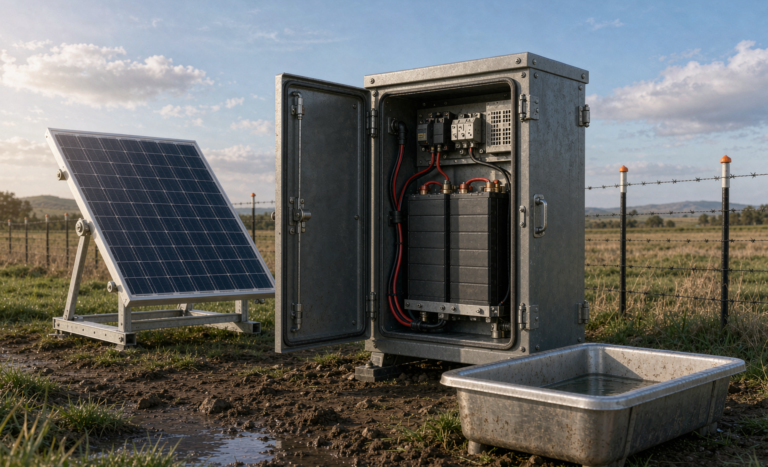
For fully off-grid sites, I recommend a hybrid approach: a modest solar array, a diesel generator that runs only as backup, and the lithium battery bank as the primary buffer. The generator then runs at a steady efficient load instead of spike-charging, which cuts fuel use by half compared with running gensets directly on the machines. Charger communication matters too. We use chargers that report state of charge and fault codes to the site controller so a blocked or failed charger is caught before it strands a machine.
- IP65 ruggedised chargers in dust-proof cabinets
- Load-balanced distribution tied to solar or generator input
- Opportunity charging points at breaks and shift changes
- Remote fault reporting to avoid stranded equipment
Safety, Enclosure, and Compliance Requirements
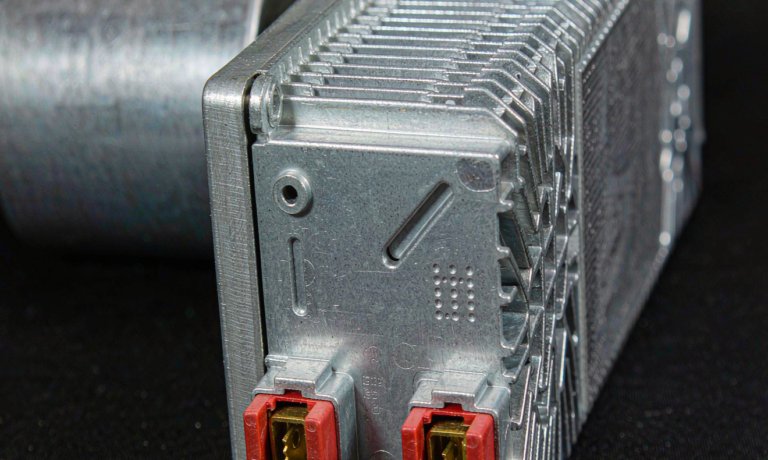
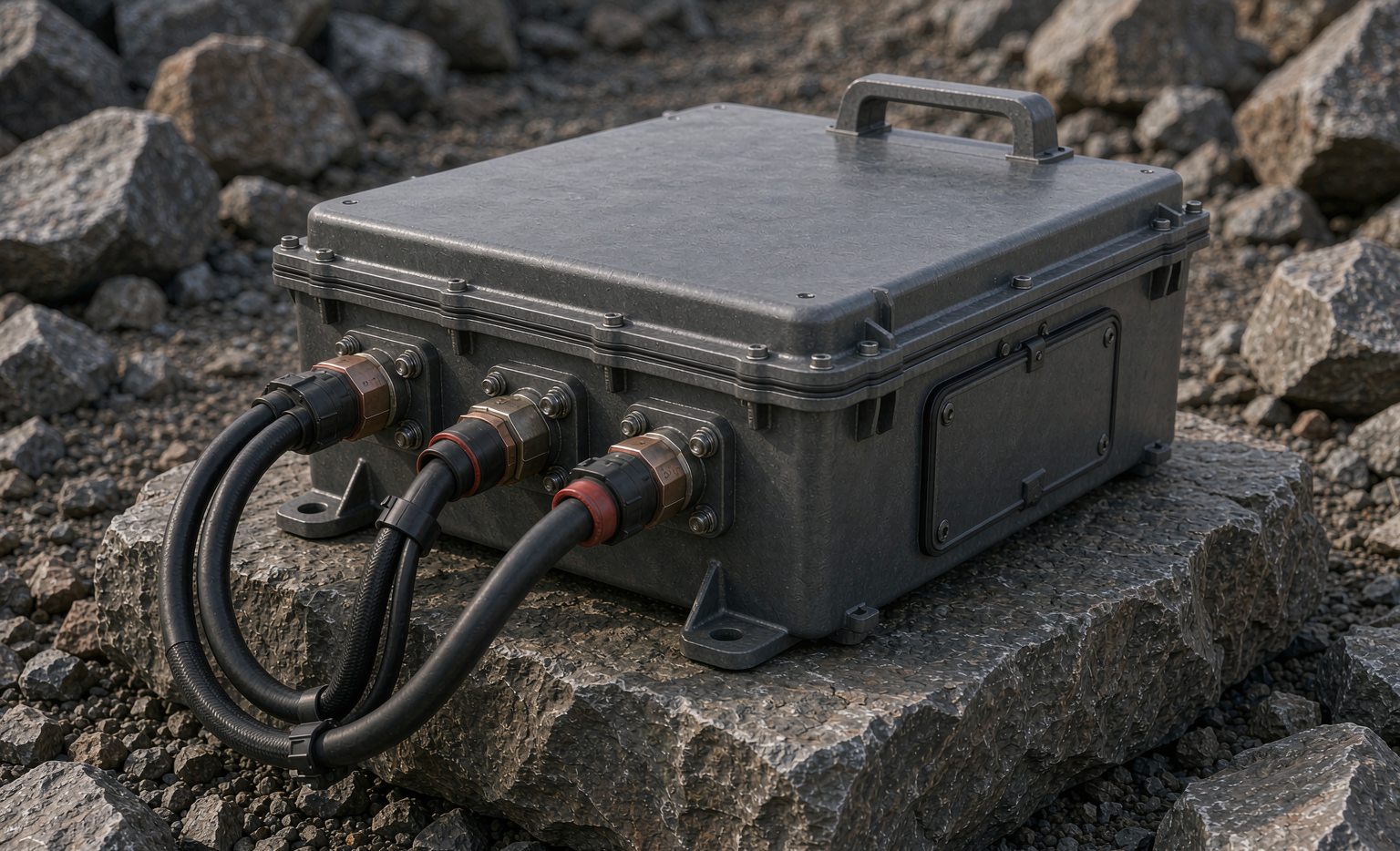
A quarry battery pack has to be safe under abuse, and that starts with the enclosure. We build to a minimum of IP65 for the pack shell so dust and water jets from washdown do not reach the cells. Internally, every pack has a vented battery management system that monitors cell voltage, temperature, and current, and opens contactors on fault. For transport of packs to and between sites, the design and documentation follow UN38.3, and any air or sea movement follows IATA and IMO rules with the correct hazard labeling.
Thermal runaway is the risk everyone asks about. In a quarry the bigger daily risk is actually external heat and impact, so we add physical crush protection and a thermal barrier between cells. We also keep the pack away from the most violent vibration zones using isolated mounting. On the compliance side, a custom battery solution for industrial use should meet IEC 62619 for stationary industrial cells and IEC 62133 for the broader safety framework, and the enclosure should be rated for the classified dust environment of the site.
- IP65 sealed enclosure with internal thermal management
- Battery management system with contactor isolation on fault
- UN38.3, IATA, and IMO compliant transport documentation
- IEC 62619 and IEC 62133 aligned cell and pack safety
Total Cost of Ownership and Payback
Diesel looks cheap at the pump and expensive everywhere else. When I build the total cost of ownership model for a quarry, I include fuel, oil, filter changes, generator maintenance, and the labour to keep diesel plant running. A battery solution removes most of that and replaces it with electricity, which on a solar-assisted site can be close to free at the margin, plus a small battery maintenance cost. In the deployments I have modelled, payback lands between two and four years depending on fuel price and how many machines are electrified at once.
The second win is less visible: a battery-electric quarry is dramatically quieter and emits no local exhaust, which helps with community permits and worker health. Several operators I work with found that cutting noise and fumes was what unlocked nighttime crushing approvals they could never get with diesel. That permitting advantage is often worth more than the fuel saving on the spreadsheet.
Frequently Asked Questions
What battery chemistry works best for quarry and aggregate processing?
Lithium iron phosphate is the safest and longest-lived choice for the heavy cyclic loads in quarries. It gives up some energy density versus nickel chemistry but delivers thousands of cycles and strong thermal stability, which is exactly what a battery solution for quarry aggregate processing needs.
How do you protect lithium batteries from quarry dust?
We seal the pack in a minimum IP65 enclosure, use dust-proof connectors, and place cooling intakes behind filtered barriers. Internal layouts avoid exposed terminals, and the battery management system housing is gasketed so fine silicate dust cannot reach the electronics.
Can a battery solution run a full crushing plant?
Yes. A central lithium battery bank sized for motor inrush can run a primary crusher, screens, and conveyors, especially when paired with soft starters or variable frequency drives. In many deployments the battery replaces diesel gensets entirely for the processing line.
How long does it take to charge quarry equipment batteries?
With opportunity charging during breaks, a 90 kWh loader pack typically tops up in one to two hours on a DC charger. Off-grid sites use solar plus a backup generator so charging continues through the day without stranding machines.
What certifications does a quarry battery pack need?
A custom battery solution for this duty should align with IEC 62619 and IEC 62133 for cell and pack safety, be built in an IP65 enclosure, and carry UN38.3 transport certification with IATA and IMO documentation for any shipping between sites.
Is a battery solution cheaper than diesel at a quarry?
On total cost of ownership, yes for most sites, with payback in two to four years once fuel, maintenance, and permitting gains are counted. The quieter, fume-free operation also unlocks nighttime crushing approvals that diesel cannot.
Further Reading
References