Battery Solution Performance for Workshops
When I walk into a customer’s fabrication shop to spec a battery system, the first thing I ask is not how many kilowatt hours they want. It is what breaks when the grid drops for twenty minutes. In my fifteen years as a lithium battery engineer, I have seen more workshop downtime caused by a single brownout than by any equipment failure. A battery solution for workshops is not a resized home inverter. It is a tool-rated power system that has to survive dust, vibration, intermittent heavy loads, and operators who will never read the manual. This article walks through how we size, build, and validate workshop battery systems so they actually earn their place on the floor.
What a Workshop Power Profile Really Looks Like
A workshop load is the opposite of a house. Residential demand is smooth and predictable. A workshop is a sequence of spikes. A dust collector pulls 1.5 kW the moment someone flips it on. A bench grinder surges to 2 kW. A small metal inert gas welder can pull 4 to 6 kW for seconds at a time. The average draw over a day might be only 300 to 500 W, but the peak can be ten times that. When we design a battery solution for workshops, we model the peak separately from the average. A pack that handles the average but sags on a welder start will trip its own inverter and annoy everyone. I usually ask clients to log a full shift with a clamp meter before we quote anything. The data almost always surprises them: the real constraint is inrush current, not total energy. Temperature adds a second layer. A pack sized for a comfortable twenty degrees Celsius shop will deliver less on a frosty morning, and a battery management system that derates honestly is worth more than one that hides the loss until the tool stalls mid-cut.
Sizing the Battery From Cordless Tools to Three-Phase Loads
Cordless tool fleets are the easy case. A workshop running DeWalt, Makita, or Milwaukee packs is already a distributed battery system. The smart move is a central charging bench fed by a 5 to 10 kWh wall-mounted lithium battery, charged overnight on an off-peak rate. For stationary loads, we size differently. A small woodworking shop with lights, a dust collector, and a bandsaw needs roughly 10 to 15 kWh to ride through a four-hour outage. Add a welder or a compressor with a direct-on-line motor and you jump to 20 to 30 kWh plus a 10 kW inverter with a 15 kW surge rating. Three-phase equipment is its own conversation: you either buy a true three-phase inverter or run a single-phase rotary converter, and each path changes the battery bus voltage we specify. Getting this wrong is the most common reason a first build feels underpowered.
Chemistry Choices Where Lithium Wins and Where It Does Not
For almost every workshop I design today, a lithium battery based on LiFePO4 is the default. It gives 3000 to 6000 cycles, weighs a third of a lead-acid bank, and tolerates partial state of charge without sulfation. Lead-acid still appears in budget builds, but the maintenance and ventilation overhead in a dusty shop is a real liability. The one place I still spec lead-acid is a freezing unheated outbuilding where the owner refuses to heat the battery box; lead-acid is more forgiving below zero degrees Celsius, while lithium needs a heated enclosure or a low-temperature charge cutoff. A custom battery solution lets us mix approaches: lithium for the daily cycling load, a small sealed lead-acid for the emergency lighting circuit. That hybrid is common in my projects and it keeps the total cost sane while still delivering the runtime the floor actually needs.
Safety and Compliance for Workshop Battery Banks
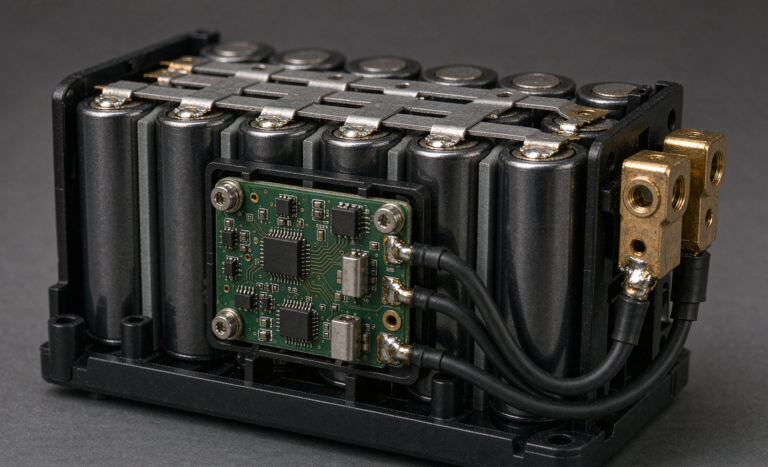
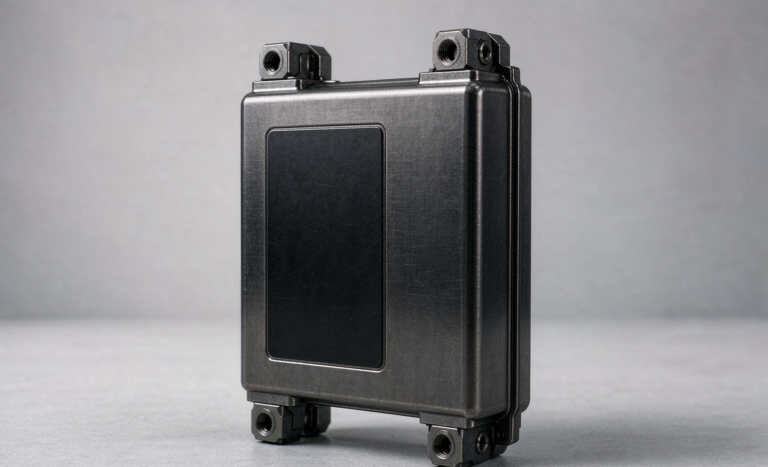
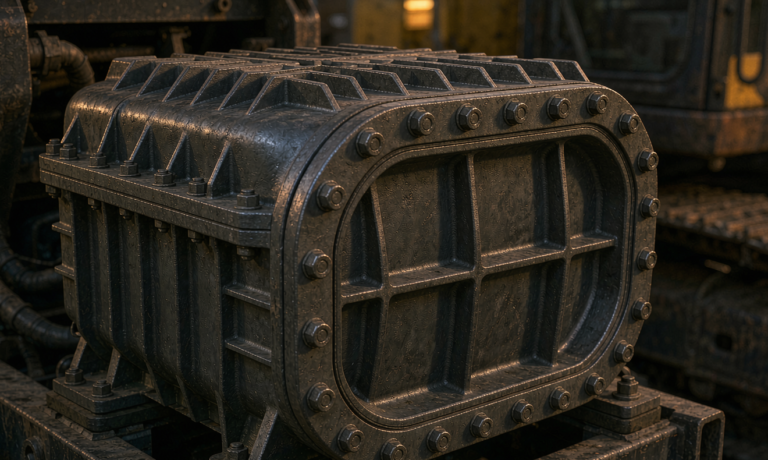
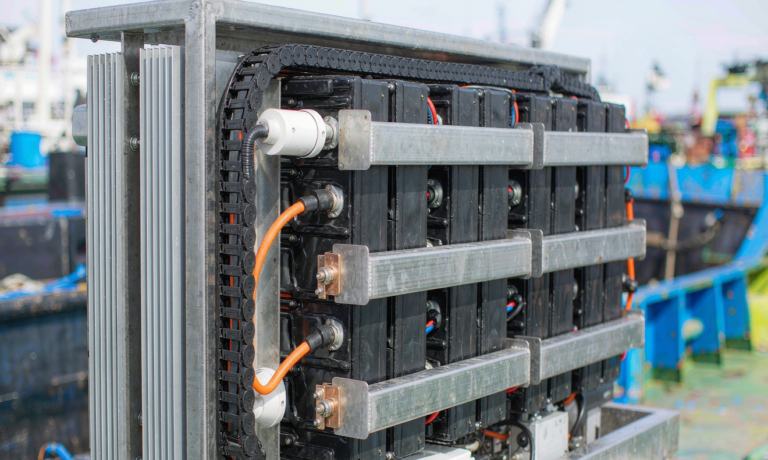
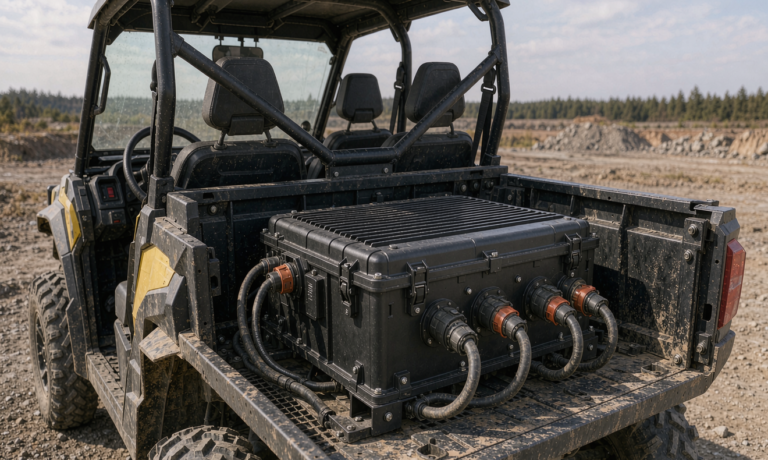
A workshop is a hostile environment for batteries: sparks, metal chips, and flammable solvents. We build every pack to UN38.3 for transport and IEC 62133 for cell-level safety, and the enclosure gets a UL 9540A fire propagation test where the authority having jurisdiction asks for it. Ventilation is non-negotiable. Even LiFePO4 off-gasses under abuse, so we locate the bank away from the welding bay and inside a metal cabinet with passive louvers. I insist on a DC-rated disconnect and a thermal fuse on every parallel string. In one auto shop we audited, the previous installer had stacked cells on a wooden shelf two meters from a parts washer. We relocated the whole bank and added a smoke detector on the same zone as the fire panel. Compliance is not paperwork; it is the difference between a near miss and a burned-down business, and it is the first thing any inspector will look for.
Cutting Peak Demand and Downtime With a Custom Battery Solution
Beyond backup, the quiet win is peak shaving. Many workshops sit on a demand tariff where the utility bills the single highest fifteen-minute draw each month. A compressor kicking on at the same time as a big CNC machine can set a painful peak. A custom battery solution with a simple controller can cover those spikes and trim the monthly bill by 10 to 20 percent in my clients’ experience. The same pack then doubles as outage insurance. I like to frame it for owners like this: the battery pays for itself on the demand side, and the backup capability is free. The key is a controller that knows the tariff window and the state of charge, and that will never strand the shop without reserve on a storm day. We tune the reserve floor to local weather patterns so the pack is always ready when it matters most.
Maintenance and State of Health in a Dusty World
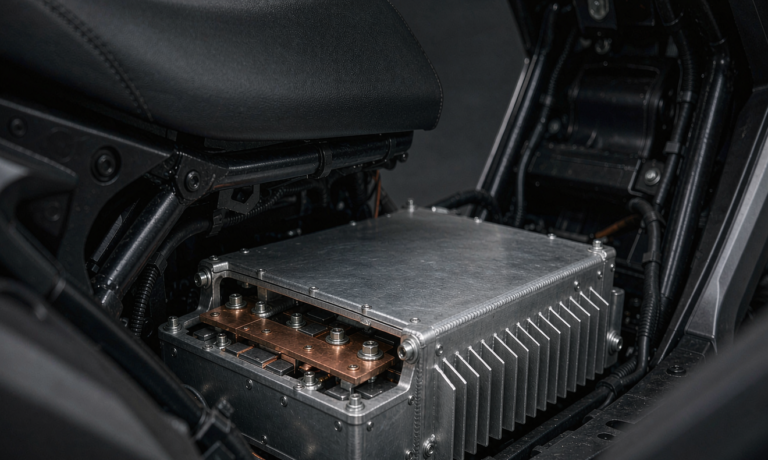
Dust is the enemy of every connection. I spec IP54 enclosures minimum for the battery compartment and still recommend a quarterly blow-out with clean dry air. State of health matters because a workshop pack is cycled hard. We embed a battery management system that logs amp-hours through each string and flags any cell group drifting more than 30 millivolts. At 80 percent state of health we schedule a module swap during a planned shutdown rather than waiting for a failure on a busy Monday. For fleets of cordless packs, a simple rotation program where the oldest packs move to light-duty tasks extends total service life by a year or more. None of this is exotic, but it is the difference between a battery that lasts a decade and one that fails in year three, and most shops skip it until something already broke. I also keep a paper log on the cabinet door with the commissioning date and the last service, because the best monitoring system in the world is useless if nobody opens the door to look at it.
How long will a workshop battery backup run my tools?
A 10 kWh pack running a 500 W average load lasts about eighteen to twenty hours. Add a 2 kW dust collector used an hour a day and you drop to roughly ten to twelve hours. The honest answer depends on your peak, not your average, so log a shift before you buy anything.
Can I run a welder or air compressor on a lithium battery?
Yes, if the inverter is sized for the surge. A small inverter welder needs a 10 kW inverter with at least a 15 kW short-term rating. Direct-on-line motors like older compressors pull six to eight times rated current at start, so we add soft starters or specify a higher surge rating rather than guessing and hoping it holds.
What size battery do I need for a small workshop?
For lights, chargers, and small power tools, 10 to 15 kWh with a 5 kW inverter covers most one-bay shops through a half-day outage. Add welding or big fixed machinery and plan for 20 to 30 kWh plus a 10 kW inverter. Measure first, then size with a 20 percent margin so you are never caught short. Remember to count the charging bench for your cordless tools as a load too, because that is usually the single biggest draw in a modern shop and it runs every day regardless of outages.
Is a workshop battery solution safe around dust and sparks?
It is safe when the pack is in a sealed metal cabinet away from ignition sources, built to IEC 62133 and UN38.3, with a DC disconnect and thermal fuse on each string. We keep it out of the welding bay and add a smoke detector on the same zone as the building fire panel so a fault is caught early.
How do I size a custom battery solution for my workshop?
Start with a one-shift clamp-meter log of every circuit you want to back up. Separate average draw from peak inrush, pick an inverter with surge headroom, then size storage for the outage duration you care about plus 20 percent. A custom battery solution pays back fastest when it also shaves your demand peak instead of sitting idle waiting for a blackout.
Further Reading
References