Battery Solution for Highway Tolling and ITS Cabinets
Every highway tolling lane and roadside intelligent transportation system (ITS) cabinet depends on power that never sleeps. When the grid drops, a barrier arm must still lift, an electronic toll collection (ETC) gantry must still read tags, and a variable message sign must still warn drivers. I am Karl Huang, a senior lithium battery engineer, and over the last decade I have specified backup and primary battery packs for more than two hundred roadside and tolling sites across three continents. This article explains how we engineer a reliable battery solution for highway tolling and ITS cabinets, from pack sizing to the certifications a procurement engineer should demand.
Why Tolling and ITS Sites Need a Dedicated Battery Solution
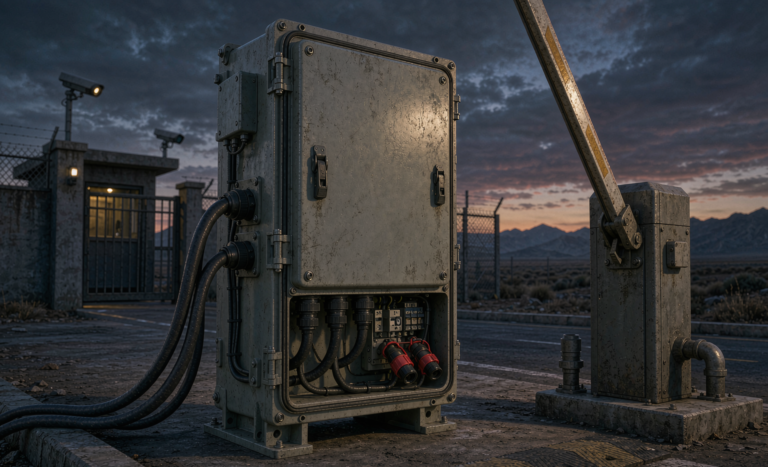
A typical toll plaza bundles several loads that fail badly together. Barrier arms cycle hundreds of times per day, ETC gantries run continuous RFID and license plate readers, weigh-in-motion scales stream data, and transaction servers hold the billing records. A single grid blink can strand vehicles and corrupt an audit trail. A generic off-the-shelf power bank is not built for this. We design a custom battery solution that matches the exact duty cycle of the site, including the inrush current of inductive loads and the steady draw of always-on communications.
In my field experience, the biggest mistake buyers make is sizing only for the average load. Tolling equipment spikes. A barrier motor can pull 40 amperes for two seconds, then nothing. The battery and its battery management system must absorb that without sagging below the controller cutoff voltage.
Sizing the Pack for Barrier Arms, ETC Gantries and Servers
Sizing starts with a load audit. We list every device, its running watts, its peak inrush, and the hours it must survive on battery. For a standard four-lane toll booth with two barrier arms, one ETC gantry, and a local transaction server, the continuous load usually lands between 300 and 600 watts. Add the barrier inrush and the peak jumps to 1.5 to 2.5 kilowatts for a few seconds.
We then choose capacity in ampere-hours at the system voltage. A 24 volt system at 30 ampere-hours covers roughly 0.7 kilowatt-hours, enough for four to eight hours of full operation or far longer in a low-traffic night mode. For sites that must ride through a 24 hour outage, we scale to 100 to 150 ampere-hours and add solar or a generator tie-in. The rule I teach junior engineers: never size the pack to the mean load, size it to the worst credible outage the operator will accept.
Cell Chemistry and Enclosure Choices for Roadside Cabinets
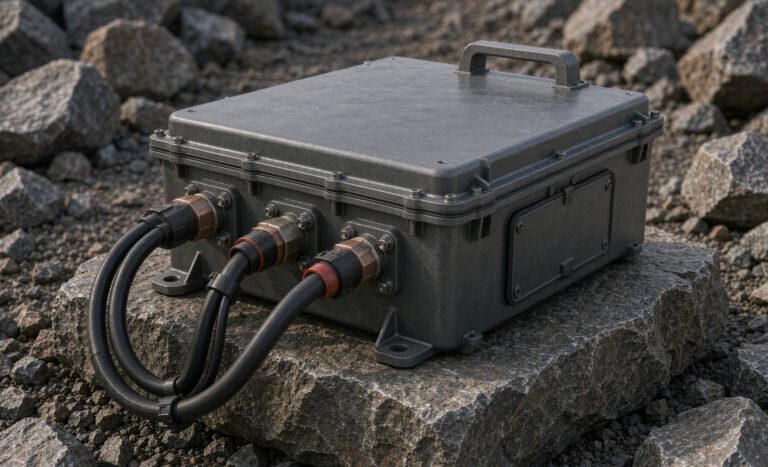
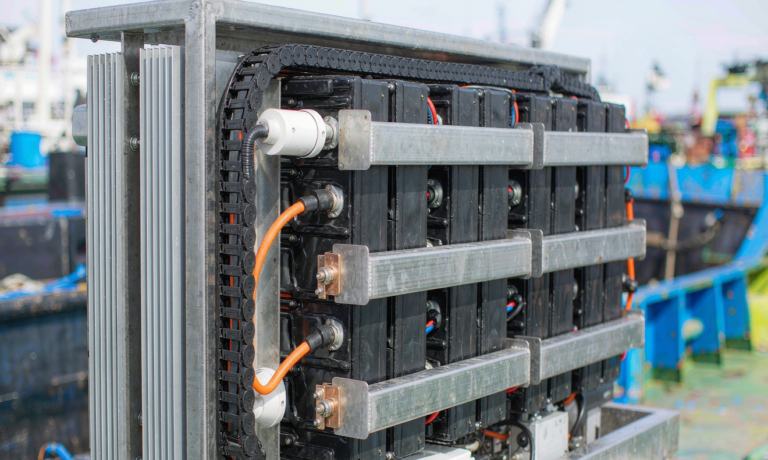
For roadside cabinets we standardise on lithium iron phosphate, a lithium battery chemistry with strong thermal stability and a long cycle life of 3,000 to 6,000 cycles at 80 percent depth of discharge. Unlike cobalt-heavy cells, LiFePO4 resists thermal runaway, which matters when a cabinet sits in direct summer sun. We mount the modules in an IP65 or NEMA 4X enclosure with a sealed vent path, keeping dust, rain, and insect ingress out of the terminations.
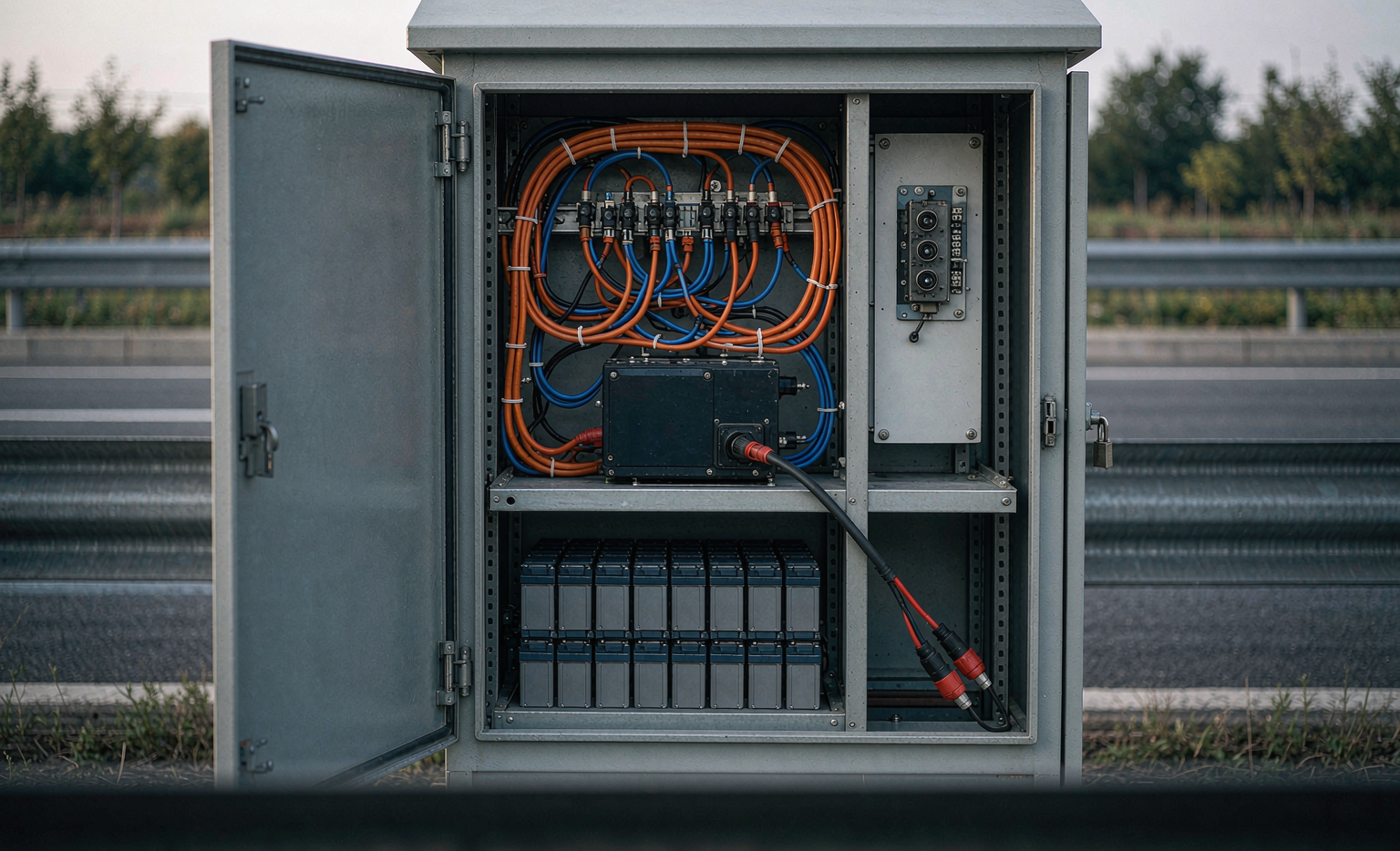
The cabinet itself is often the limiting factor. A steel roadside ITS cabinet heats fast. We specify a thermally broken inner liner and place the battery on the cool side, away from the inverter and the variable message sign driver. Good airflow design beats a bigger pack every time.
Temperature Management From Desert Heat to Winter Ice
Roadside electronics live where people do not. In desert corridors the cabinet interior can reach 60 degrees Celsius; in northern passes it can sit at minus 30 degrees Celsius for weeks. LiFePO4 tolerates both better than most chemistries, but charging below 0 degrees Celsius is forbidden without control. Below freezing we either fit a low-temperature charge cutoff in the BMS or add a self-heating film that warms cells before the charger engages.
In heat, we avoid parking the pack above the inverter. We also derate the usable capacity: at minus 20 degrees Celsius a cell loses roughly 20 to 30 percent of its available capacity, so we add headroom in the sizing step rather than discovering it during the first cold snap.
Monitoring, Telemetry and Remote Fault Alarms
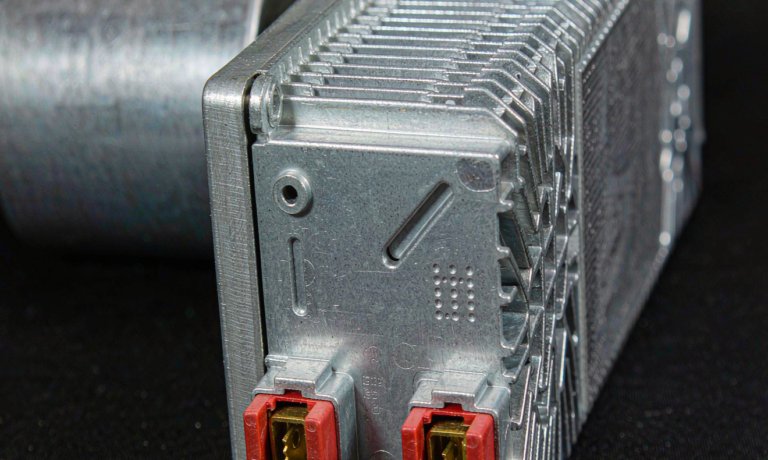
A battery in a roadside cabinet is unattended most of its life. We fit a BMS with CAN bus or RS485 and Modbus reporting so the site controller can read state of charge, cell voltages, and internal temperature remotely. When a weak cell appears, the system raises an alarm before it strands traffic. For tolling operators I recommend a daily heartbeat report pushed to the maintenance dashboard, plus an SMS or email alert on any voltage outside the safe window.
We also log cycle count and throughput. After a few hundred deep discharges the pack still works, but the replacement budget should already be planned. Telemetry turns a mystery box into a managed asset.
Certifications and Compliance Buyers Must Verify
Roadside and tolling batteries are stationary energy storage, so the compliance stack differs from consumer packs. Buyers should verify IEC 62619 for industrial cells and UL 1973 for stationary battery systems. Because the cabinet sits next to sensitive radio and sensor gear, IEC 61000 electromagnetic compatibility immunity matters; a noisy battery can corrupt the ETC reader. For transport and handling, UN38.3 still applies to the cells and modules. I have rejected otherwise fine vendors whose documentation stopped at a basic battery test and could not show the stationary-system standard.
Installation and Maintenance Best Practices
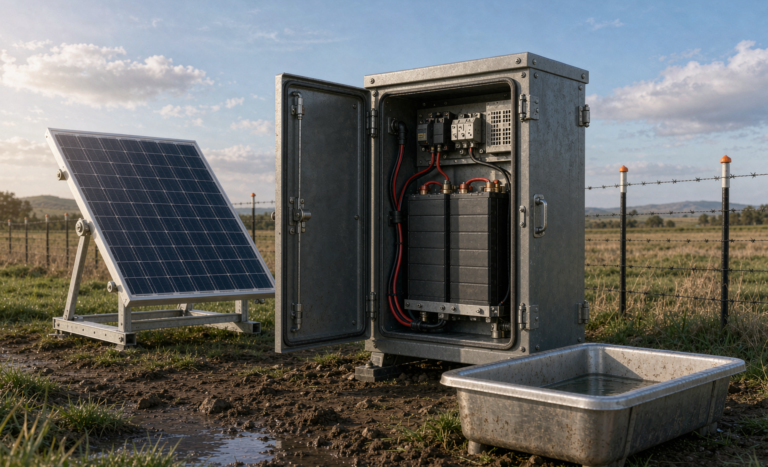
Installation is where good designs fail. We torque terminations to spec, never mix old and new cells in one pack, and label the disconnect clearly. The cabinet should keep the battery above the flood line and below the heat source. Maintenance is light: a quarterly visual check, a yearly capacity test, and firmware updates to the BMS. With that routine a roadside battery solution runs five to ten years before its first capacity-driven replacement.
Frequently Asked Questions
How long should a roadside ITS cabinet battery last during a grid outage?
For most sites we design four to eight hours of full operation at 24 volts and 30 to 60 ampere-hours, extending to 24 hours with a larger pack or generator tie-in. The right number comes from the operator’s tolerated outage, not a catalog default.
Which battery chemistry is best for highway tolling systems?
Lithium iron phosphate is the safe default. It offers 3,000 to 6,000 cycles, strong resistance to thermal runaway, and stable performance from minus 20 to 60 degrees Celsius when paired with the right enclosure and BMS.
Do ITS cabinet batteries need heating in cold climates?
Yes, if the site charges below 0 degrees Celsius. We add a low-temperature charge cutoff or a self-heating element so the pack never charges while frozen, which would otherwise plate lithium and ruin the cells.
How do we monitor battery health in remote tolling sites?
A CAN or RS485 BMS with Modbus reports state of charge, cell voltage, and temperature to the site controller. We set daily heartbeats and threshold alerts so a weak cell is caught before it fails traffic.
What certifications apply to roadside traffic and tolling batteries?
Expect IEC 62619 and UL 1973 for the stationary system, IEC 61000 for electromagnetic compatibility near radio gear, and UN38.3 for transport of the cells and modules.
Can the same battery solution power both ETC gantries and variable message signs?
Often yes. Both are DC loads fed from one protected bus, but we must sum the gantry read heads, the sign driver, and the barrier inrush during sizing so the pack and BMS are not undersized for the combined peak.
Further Reading
References