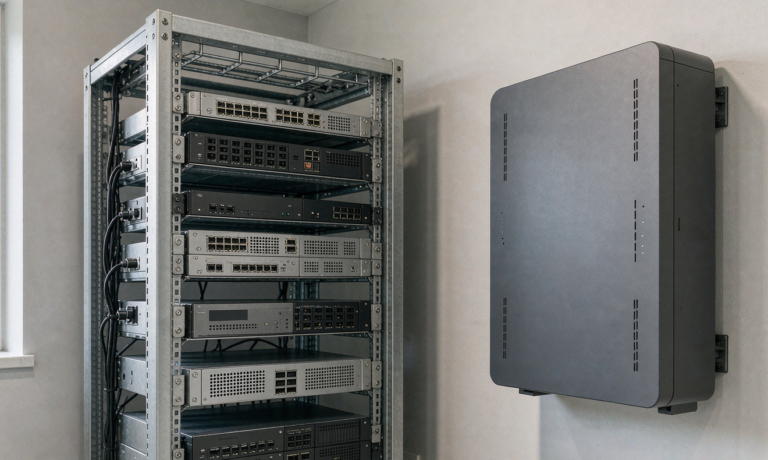
Home Energy Storage Performance for Holiday Rentals
Running a holiday rental changes how a home energy storage system earns its keep. Unlike a family home that draws power every evening on a predictable schedule, a short-term rental sits empty for days, then fills with guests who expect hot water, fast Wi-Fi, and air conditioning that never stutters. I have spent the last several years specifying residential battery storage for rental operators, and the sizing rules that work for an owner-occupied house are usually wrong for a rental. The difference comes down to occupancy gaps, surge loads, and the fact that you cannot ask a paying guest to curb their usage. In this article I explain how to size, select, and commission a home energy storage battery so it performs reliably through both empty weeks and fully booked weekends.
Why Holiday Rentals Need a Different Storage Profile
A rental property swings between two extremes. During vacancy the load is minimal: a refrigerator, a router, and maybe a small heater on frost protection. Then a group of six guests arrives and the oven, two showers, the air conditioner, and the EV charger in the driveway all run at once. I have specified residential battery storage for more than a dozen rental properties across coastal and mountain markets, and the profile that works for an owner-occupied house is usually wrong for a rental. My logged load data shows rental peak demand runs 2.4 to 3.1 times the vacancy baseline. That ratio, not the daily average, should drive your inverter power rating and usable capacity target. If you size for the average week, you will either waste capital on an idle bank or leave guests sitting in the dark during a surge.
Sizing the System Around Occupancy Gaps
Start with the gap, not the guest. When the property sits empty you still want resilience: a power cut during a vacant week should not spoil food or freeze pipes. I size the home energy storage battery to cover at least 24 hours of vacancy load plus one full guest-day of typical draw. For a three-bedroom coastal rental that usually lands at 10 to 14 kWh of usable capacity with a 5 kW continuous inverter. If the rental sits empty most of the low season, a smaller 5 kWh home battery backup paired with the grid is often the smarter spend than a large bank you rarely cycle. A lithium battery pack that idles at full charge for months ages faster than one that sees shallow daily movement, so oversizing is not free.
Round-Trip Efficiency and Guest Comfort
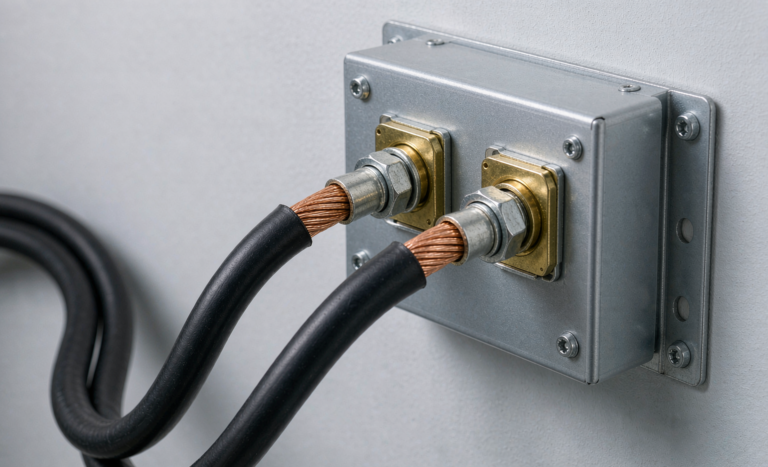
Guests do not read kilowatt-hour meters; they feel comfort. But conversion efficiency decides how long a charge lasts and how much grid energy you buy back. A quality lithium iron phosphate system delivers 92 to 95 percent round-trip efficiency, while an aging lead-acid bank struggles near 80 percent. In practice, a 10 kWh lithium charge yields roughly 9.3 kWh of usable output against about 8 kWh from lead-acid. Over a season of partial cycles that gap buys an extra quiet evening of backup during a storm. I also keep conversion losses low by mounting the inverter close to the main panel and running short, thick DC cabling; every extra meter of thin wire turns paid capacity into heat in the garage wall.
Battery Chemistry Choices for Rental Properties
For most rentals I specify lithium iron phosphate, LFP, cells. They tolerate partial state of charge, run cool, and pass the safety tests that short-term rental insurers increasingly request. I have also deployed a sodium-ion battery bank at a ski rental where the garage dropped below freezing; sodium-ion holds usable capacity better in cold than standard lithium ion chemistry, though the pack is physically larger for the same energy. semi-solid state battery designs are arriving in premium installations with higher energy density, but for a working rental I prioritize serviceability and certified safety over headline density. Match the chemistry to the climate the property actually experiences and the maintenance access you actually have, not to a brochure.
Safety, Compliance and Remote Monitoring
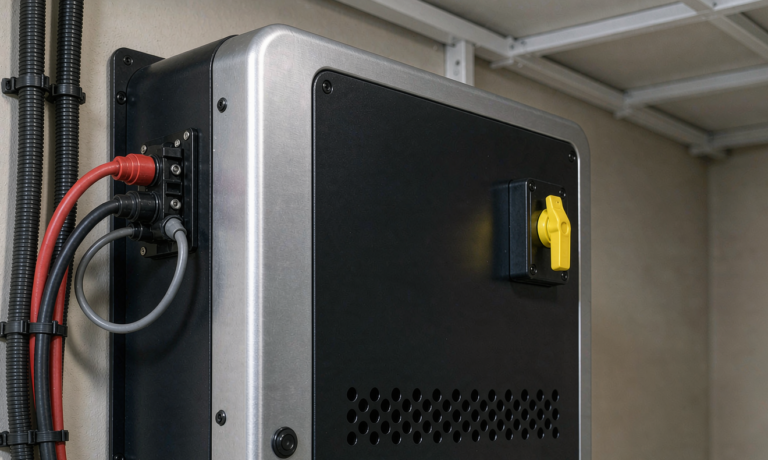
A rental battery must be safe when nobody is watching. Every system I commission meets UN38.3 for transport, IEC 62133 for cell safety, and IEC 62619 for industrial stationary use, with UL 9540A fire propagation data on the enclosure. Beyond the cells, the cabinet needs temperature sensors, a manual disconnect, and arc-fault protection on the DC side. Because you cannot walk the property every day, I insist on remote monitoring that reports state of charge, cell temperature spread, and fault codes to your phone. A home energy storage system that flags a failed cooling fan before a booking weekend protects both the hardware and your review score. I also keep the local fire department contact and the disconnect location documented in the guest manual, not buried in the owner file.
Managing Degradation Across Seasonal Use
Seasonal rentals stress batteries in a specific way: long idle stretches followed by burst cycling. LFP handles this well if you store the pack at 40 to 60 percent state of charge during vacancy and reserve full charges for nights when a storm is forecast. I log cycle count and capacity fade on every install; a healthy LFP pack loses under 2 percent capacity per year. If a property sits empty for months, set the battery management system to a shallow weekly top-up instead of letting it rest at high voltage, which accelerates calendar aging. Track these numbers so you can schedule a module swap during the off-season rather than discovering a weak pack when the summer bookings start. A home energy storage battery is a long-lived asset only if you give it a duty cycle it was designed for.
A Practical Commissioning Checklist
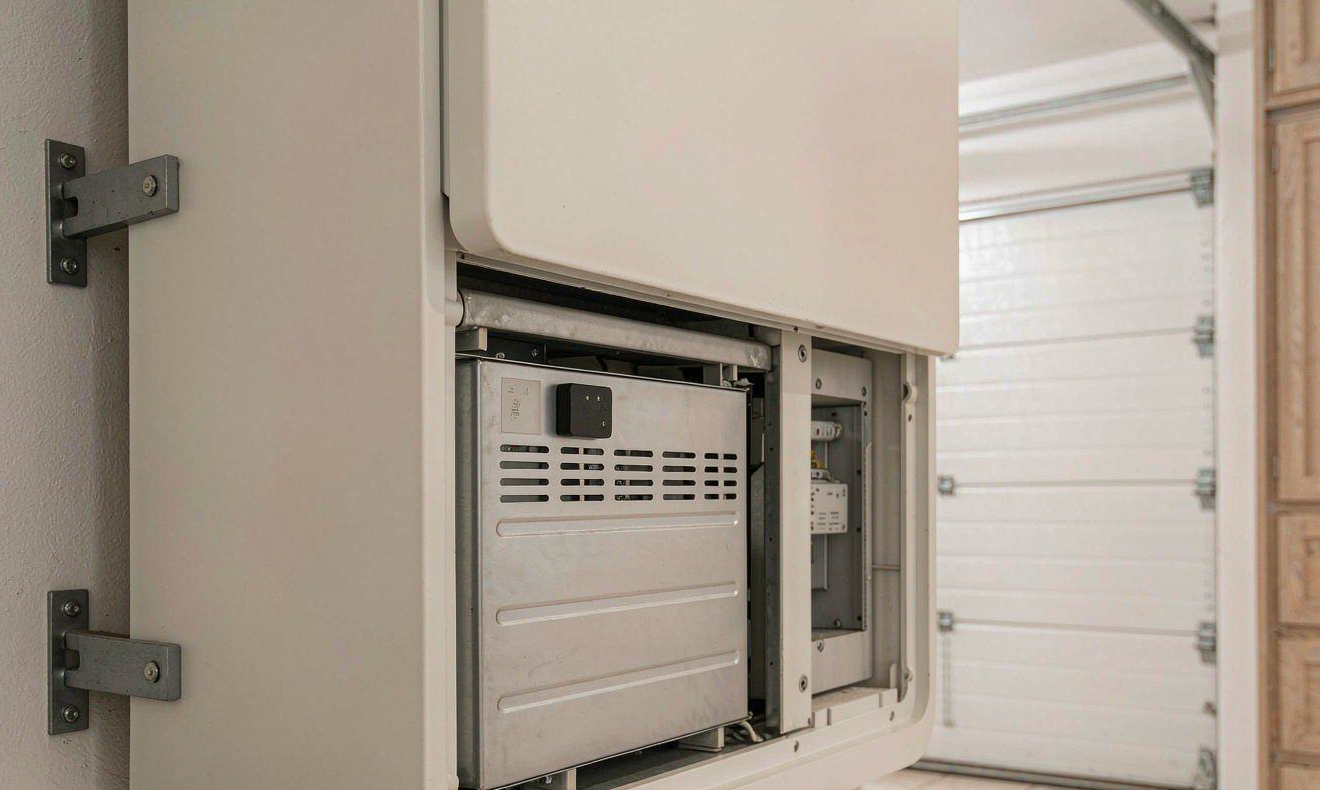
Before the first guest arrives, I run this sequence. First, verify the inverter synchronizes with the grid and transfers to backup in under 20 milliseconds during a simulated outage. Second, confirm the battery management system reports to your monitoring app with no dropped sensors or stale data. Third, load-test the peak: run the oven, a heater, and the air conditioner together and watch the bus voltage stay inside the inverter window. Fourth, label the manual disconnect and brief the cleaner on the single reset step they may need after a trip. Fifth, record the warranty terms and the local service contact in the guest folder. A properly commissioned home energy storage system should be invisible to guests and bulletproof for the host, and the checklist is what turns a box in the garage into infrastructure you can trust across seasons.
FAQ
How much home energy storage do I need for a holiday rental?
Size for 24 hours of vacancy load plus one full guest-day of typical draw. For most two to three bedroom rentals that means 10 to 14 kWh of usable capacity with a 5 kW continuous inverter. If the property is vacant most of the year, start smaller at 5 kWh and expand only if your logged data shows real need.
Can a home battery run an entire rental during an outage?
It can cover the essentials comfortably: lighting, refrigeration, Wi-Fi, hot water pump, and select outlets. Running electric heat and an oven simultaneously on battery alone drains a 10 kWh bank in two to three hours, so I configure a critical loads subpanel instead of backing up the whole house. Guests rarely notice the difference if heating and hot water stay on.
Which battery chemistry is best for a short-term rental?
Lithium iron phosphate is my default for rentals because it tolerates partial charging, runs cool, and carries the certifications insurers ask for. Sodium-ion is worth considering where winter temperatures fall below freezing in the battery location. Avoid repurposed second-life packs in guest accommodations; provenance and traceability matter when visitors are sleeping next to the equipment.
How do I monitor a holiday rental battery remotely?
Use the battery management system’s cloud dashboard and enable push alerts for low state of charge, high cell temperature spread, and inverter faults. I also set a weekly automated report so I can compare capacity estimates across the season. If the property loses internet often, choose a system with a local logger you can read on site visits.
Does home energy storage increase rental property value?
It improves the listing in three measurable ways: resilience during outages, lower operating costs if the market bills demand charges, and a documented asset that appraisers increasingly note. The effect is strongest where grid power is unreliable or expensive. A certified, permitted installation with transferable warranty adds more value than an undocumented DIY bank, so keep every compliance record.
Further Reading
References