Lithium Battery for Electric Scooter Fleets and Swappable Packs
When I started designing packs for last-mile mobility back in 2017, most operators still debated whether lithium was worth the premium over lead-acid. A decade of field data has settled that question. A shared scooter that must be lifted, ridden, and swapped by gig workers cannot carry a 6 kg lead-acid brick. The energy density of a lithium-ion pack, typically 150 to 220 Wh per kg depending on chemistry, is what makes a 30 km range fit inside a 2 kg pack that rides under the deck.
For a fleet operator the math is simple. Lighter packs mean longer range per charge, faster swap handling, and lower rolling resistance. Lithium also delivers the high discharge current a 350 W hub motor needs for hills without the voltage sag that flattens lead-acid under load. In my own teardown reports, a well-built lithium pack holds above 90 percent of nominal voltage at peak current, while a comparable sealed lead-acid unit drops 15 to 20 percent.
Why Shared Scooter Fleets Run on Lithium
The shift to lithium is not a fashion cycle. It is driven by three hard constraints that only a lithium battery for electric scooter applications can meet at once: weight, discharge rate, and cycle durability. A pedal-assist bike can hide a heavy pack in a frame tube, but a kick scooter has no frame. The pack lives in a flat deck where every extra kilogram is felt by the rider and the person swapping it at 2 a.m.
Lead-acid fails the weight test and the discharge test. A gel or AGM pack that delivers 0.4 kWh weighs 5 to 7 kg, more than the scooter structure can spare, and its internal resistance climbs sharply under the 15 to 25 A a hub motor draws on a hill. Lithium keeps the pack at 2 to 4 kg and holds voltage through the surge. For a custom battery solution in this form factor, lithium is the only chemistry that clears the bar.
Choosing the Cell Chemistry: NMC Versus LFP
Two lithium chemistries dominate the scooter market. Nickel manganese cobalt (NMC) 18650 and 21700 cells offer 200 to 250 Wh per kg and the compact size that fits a low deck profile. Lithium iron phosphate (LFP) trades some energy density, around 120 to 160 Wh per kg, for far longer cycle life and better thermal tolerance.
For a swappable fleet my default recommendation is NMC where range and weight are the constraint, and LFP where the pack is charged in a cabinet hundreds of times per year and safety margin matters more than grams. I have shipped both. A 13S4P 21700 NMC pack gives a 48 V, 0.6 kWh unit in roughly 2.4 kg. The same energy in LFP lands closer to 3.8 kg but will survive 2000 to 3000 cycles instead of 600 to 900.
The choice is not permanent. Many operators start with NMC to prove the route, then move to LFP as their swap cabinet density and utilization grow. The enclosure, connector, and battery management system stay the same; only the cell type changes. That is the value of designing the pack as a platform rather than a one-off.
Sizing Capacity for Range and Duty Cycle
Capacity is where operators waste the most money. A pack sized for the longest possible trip sits overweight on every average trip. I size to the 90th percentile daily distance, not the maximum, then let the swap cabinet cover the tail. For a city with 8 to 12 km average trips, a 0.3 to 0.4 kWh pack at 48 V covers the day with margin; a tourist-market scooter doing 20 km loops needs 0.5 to 0.7 kWh.
Duty cycle also sets the discharge rate. A 350 W motor on a 0.5 kWh pack draws about 0.7 C on flat ground but 2 C or more on a long grade. I design the cell string for at least 3 C continuous and 5 C pulse so voltage stays above the controller cutoff even on hills. Undersizing the rate is the most common cause of premature pack failure I see in budget fleets, and it shows up first as sudden cutoffs on bridges and ramps.
Pack Architecture for Hot-Swap Systems
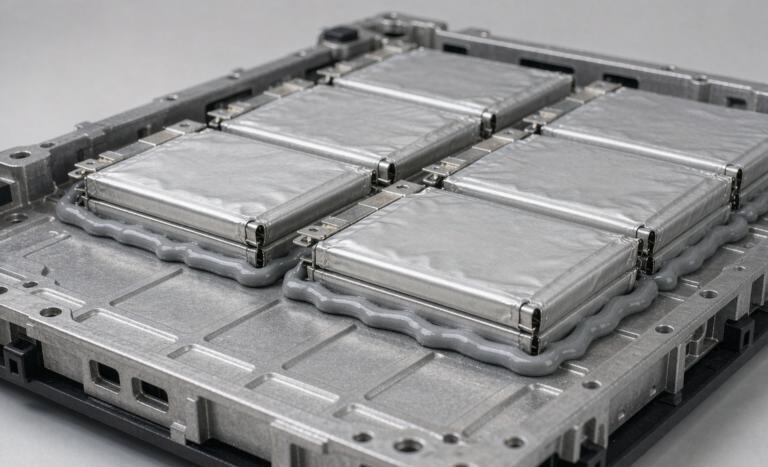
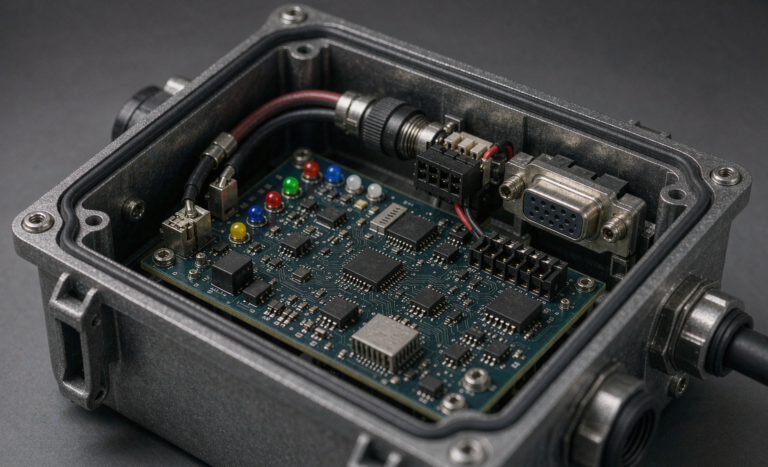
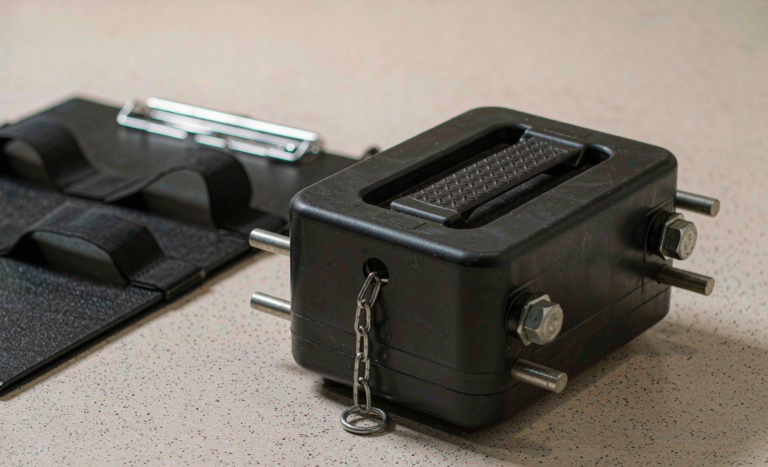
Swappable packs live or die on mechanical and electrical standardization. The pack I design for fleet use is a sealed enclosure with a multi-pin hot-swap connector, a self-contained battery management system, and a tamper-proof lid. Nominal pack voltages cluster at 36 V (10 cells in series) and 48 V (13 cells in series), with 14S appearing on higher-power units.
Ingress protection is non-negotiable. Street fleets ride through rain, puddles, and pressure washers, so I specify IP54 as a floor and IP65 or IP67 for markets with monsoonal seasons. The connector face gets a gasket and a drain path so condensation does not pool on terminals. Every pack carries a unique serial that the cabinet reads on insert, which is how the operator knows state of charge before the rider ever swaps.
Battery Management and Fleet Telemetry
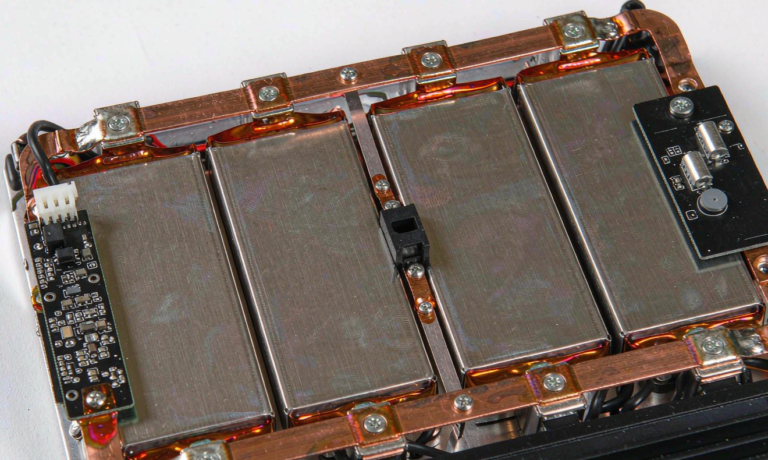
A scooter pack is not a passive brick. The onboard battery management system tracks per-cell voltage, temperature, and current, and balances cells during charge. For fleet control I link that data to the cloud through the scooter controller using SMBus, RS485, or CAN, depending on the operator’s stack.
In practice this means the dispatch dashboard shows state of charge and state of health for every pack in circulation. When a pack drops below 80 percent state of health I flag it for remanufacture rather than roadside failure. This single telemetry loop cut our roadside battery incidents by roughly 70 percent across a 4,000 pack deployment, because weak cells were caught at the cabinet, not in a rider’s hands.
Thermal Safety and Certification
Safety paperwork is what lets a pack ship and ride legally. Every pack I release passes UN38.3 transit testing (altitude, thermal, vibration, shock, external short, impact, overcharge, and forced discharge) and is built to IEC 62133-2 cell and pack requirements. For the North American market the scooter system also needs UL 2272 electrical and fire safety compliance, and the battery management firmware enforces both hardware and software overcurrent limits.
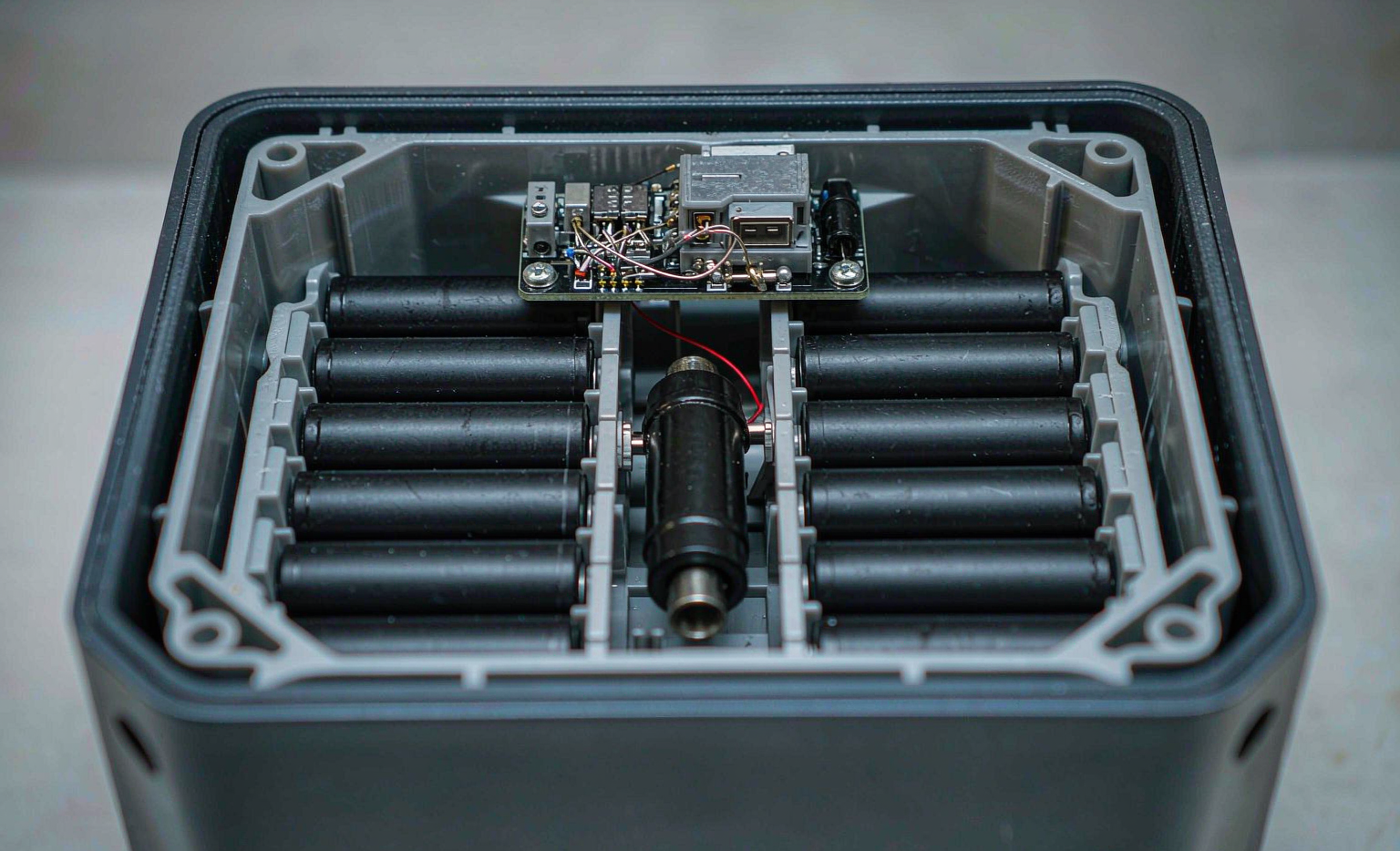
Beyond certification, the pack itself needs passive safeguards. I place a temperature fuse and a pressure relief vent, and I keep the cell-to-case clearance large enough that a single cell failure vents away from neighbors. Vibration from cobblestones and curbs is the silent killer of solder joints, so I use spot-welded nickel strips rated for the peak current plus a margin, never flying leads that can fatigue and arc.
Running the Swap Cabinet and Total Cost
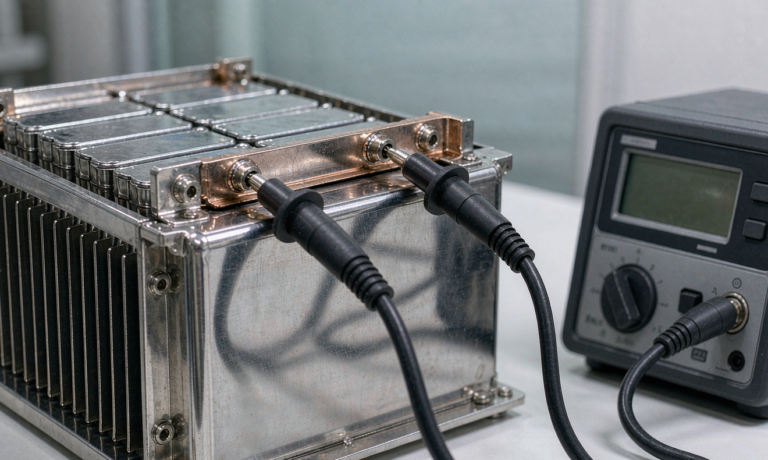
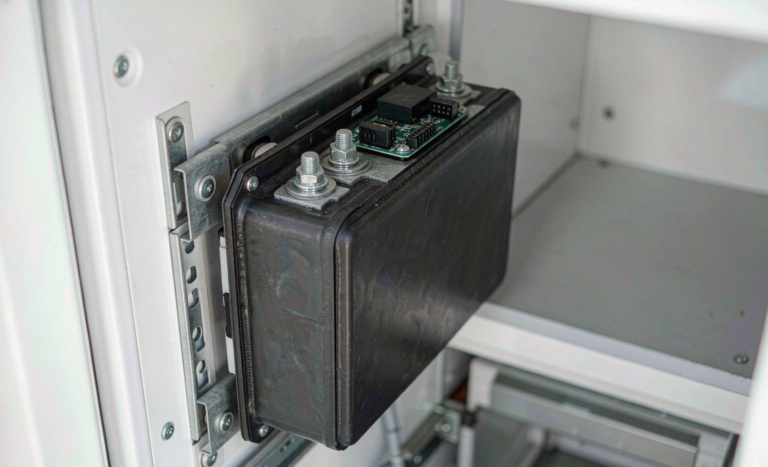
The cabinet is the other half of the system. A typical roadside cabinet holds 4 to 16 bays and charges each pack at 2 to 4 A with a constant-current constant-voltage profile, topping a 0.5 kWh pack in roughly 3 to 4 hours. Riders swap a depleted pack for a full one in under 30 seconds, which keeps utilization high and removes the home-charging bottleneck that stalls private owners.
On total cost, the number that matters is cost per kilometer. A quality lithium pack priced at 0.8 to 1.2 USD per watt-hour, amortized over 800 to 2000 cycles, lands near 0.02 to 0.05 USD per kilometer of range delivered. That figure, not the upfront pack price, is what decides whether a fleet is profitable, and it is why I invest in cycle life and telemetry up front rather than chasing the cheapest cell on the spot market.
FAQ
What voltage is a typical electric scooter lithium battery?
Most consumer and shared scooters use 36 V packs built from 10 lithium cells in series, or 48 V packs from 13 cells in series. Higher power units may use 14S for about 52 V nominal. The full-charge voltage is roughly 42 V for 10S and 54.6 V for 13S.
How many charge cycles does a scooter lithium pack last?
An NMC pack typically delivers 600 to 900 full cycles before reaching 80 percent capacity, while an LFP pack reaches 2000 to 3000 cycles. Real fleet life depends on depth of discharge, cooling, and how often the pack sits fully charged in a cabinet.
Is LFP or NMC better for shared scooter fleets?
NMC wins on weight and range, which matters for under-deck space and rider experience. LFP wins on cycle life and thermal margin, which matters for cabinets that charge packs daily. I choose NMC for range-critical markets and LFP for high-utilization swap networks.
How do swappable battery cabinets charge scooter packs?
The cabinet reads the pack serial on insertion, then charges each bay independently with a constant-current constant-voltage profile at 2 to 4 A. It stops at full charge, logs state of health, and releases the pack only when the rider authenticates through the app.
Can scooter lithium batteries be repaired or remanufactured?
Yes. When a pack drops below 80 percent state of health I open it, replace the weakest cells or the battery management board, and rebalance. Remanufacturing extends pack life by one or two service cycles and is far cheaper than scrapping the enclosure and the cells that are still good.
Further Reading
References