Home Energy Storage Financing and Lease Options
Most buyers shop for a home battery by capacity and price per kilowatt hour, then ask about financing at the end. After more than a decade specifying residential storage systems, I tell customers to reverse that order. The way you pay for the system – cash, loan, lease, or a power purchase agreement – determines who owns the asset, who carries the warranty, and how aggressively the battery is allowed to cycle. Those contract terms quietly decide the chemistry, the enclosure rating, and the usable depth of discharge long before you compare spec sheets. This guide walks through the real ownership structures I see in the field, the engineering trade-offs behind each, and the contract clauses that separate a good home energy storage financing deal from a costly one.
Why the Financing Path Changes the Battery You Actually Get
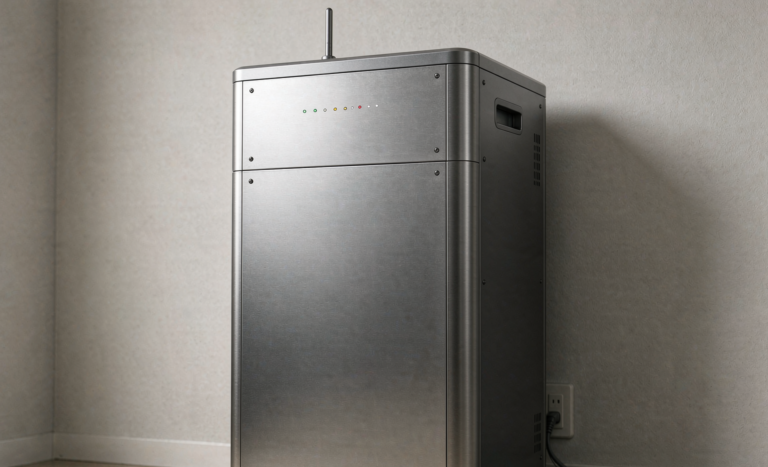
When a homeowner pays cash, they own the battery on day one. That sounds obvious, but the consequence is that they can choose a chemistry and a cycling profile matched to their own risk tolerance. A leased system is different: the financier owns the hardware, so they specify conservative settings that protect their asset over a ten year term. In practice this means leased home batteries are almost always lithium iron phosphate, known as LFP, set to a shallow depth of discharge, while a cash buyer who understands degradation can accept a slightly deeper cycle to get more usable energy per day. The financing structure also decides who pushes firmware updates to the battery management system and who pays if a cell module fails in year six. I have seen two nearly identical cabinets perform very differently simply because one was owned and one was leased.
Cash Purchase and the 30 Percent Investment Tax Credit
Paying outright remains the cheapest path if you have the capital, because you avoid interest and you capture the full federal Investment Tax Credit, which in the United States is 30 percent of the installed cost for qualifying residential storage that is charged from the home’s solar array or from the grid with a clear storage designation. That credit is claimed on your tax return, not sent as a check, so the real benefit shows up the following spring. From an engineering view, cash ownership lets you size the battery for your actual load rather than for a financier’s payback model. You can add a second enclosure later, you can pair LFP with a higher continuous inverter, and you are free to set the state of charge window where it maximizes calendar life. The downside is concentration of capital and the responsibility for all maintenance after the product warranty ends.
Solar Loans: How Interest Reshapes Capacity Decisions
A secured solar or energy storage loan lets you spread the cost over ten to twenty five years while still owning the system and claiming the tax credit. The catch is interest. I routinely model two scenarios for customers: the same battery paid in cash versus the same battery on a loan at a given annual percentage rate. Once you add interest, the break-even date slips, and that changes which capacity makes sense. A smaller LFP pack on a low rate loan often beats a large pack on a high rate loan, because the interest on unused capacity is money spent for energy you never draw. Loan terms also affect the depth of discharge the lender allows; some agreements cap cycling to protect collateral, which again pulls the usable capacity below the nameplate number that appeared on the quote.
Battery Leases: Lower Upfront, Different Ownership Rules
A battery lease puts the hardware on your wall for little or no money down, and the provider keeps ownership and most of the performance risk. For renters or for homeowners who move often, this is attractive because there is no large capital outlay and no asset to sell. The engineering reality is that leased systems are tuned for reliability and a predictable schedule, not for maximum daily throughput. The provider will typically specify a UL 9540 listed enclosure, an LFP cell with a conservative 80 percent depth of discharge limit, and remote monitoring so they can see a fault before you do. You trade some usable energy and full control for a fixed monthly bill and a maintenance-free experience. Read the escalator clause: many leases raise the monthly fee by a fixed percent each year, which slowly erodes the savings you expected.
Power Purchase Agreements for Stored Energy
A power purchase agreement, or PPA, goes one step further: you do not buy the battery or the energy hardware, you buy the stored kilowatt hours the system delivers at a contracted rate. The provider owns, installs, and maintains everything, and you simply pay for the energy you use from storage during outages or peak periods. This is common where a third party wants to monetize peak shaving without the homeowner taking any balance sheet risk. The trade-off is that you never own the asset and you are locked into a per-kilowatt-hour price that may look cheap today but rises with the contract. From a specification standpoint, PPA systems are the most conservatively engineered of all, because the provider’s profit depends on the battery surviving the full term with minimal service calls.
Incentives, Rebates, and Utility Programs You Can Stack
Beyond the federal tax credit, many states, municipalities, and utilities layer on rebates, performance payments, or reduced interconnection fees. Some utilities pay you to let them dispatch your battery during grid emergencies, which is a form of demand response that offsets the financing cost. I advise customers to build the incentive stack before signing, because a rebate that requires a specific listing or a specific communication protocol can constrain which battery you are allowed to install. A system that qualifies for a local rebate but not the federal credit is worse than the reverse. Keep every proof of payment and every interconnection approval, because incentive auditors routinely ask for them two or three years later when you least expect it.
Transfer, Warranty, and What Happens When You Sell
Financing decisions follow the house. A loan or a lease is tied to the property and its meter, not to you personally, which is convenient when you sell but creates a step most people forget. Owned systems transfer cleanly and can raise the sale price, provided the warranty is assignable. Leased systems must either be paid off at closing or assumed by the buyer, and some buyers simply will not take on an unknown monthly obligation. PPAs are the hardest to transfer because the per-kilowatt-hour rate and term are tied to the original site analysis. I always tell sellers to pull the financing agreement three months before listing and confirm in writing whether the warranty and the contract move with the home.
Red Flags I Check in Any Storage Contract
After reviewing dozens of contracts, a short list of clauses tells me whether a deal is sound. Watch for a steep annual escalator on leases and PPAs, vague language about who maintains the battery management system firmware, end-of-term options that force a full replacement at retail price, and any clause that limits your depth of discharge without explaining the warranty impact. Confirm the product carries UL 9540 and the cells carry UN38.3 transit certification, because these are the baseline for safe residential installation. Finally, verify that the financier is named on the warranty paperwork; a battery financed through an unknown third party but warranted by the manufacturer can leave you stuck if the financier disappears.
Frequently Asked Questions
What is the difference between a battery lease and a solar loan?
A solar loan means you borrow money to buy the system and you own it, so you claim incentives and carry the asset. A battery lease means the provider owns the hardware and you pay a fixed monthly fee to use it, with no ownership and no claim to the tax credit. The lease usually includes maintenance, while the loan leaves upkeep to you after the warranty period.
Does home energy storage financing qualify for the federal tax credit?
If you own the system through cash or a loan, qualifying residential storage can be eligible for the 30 percent federal Investment Tax Credit when it meets the charging and listing requirements. Leased and PPA systems do not pass the credit to you, because the financing company owns the equipment and claims any incentive itself.
Who owns the battery under a power purchase agreement?
The provider owns the battery, the inverter, and all related hardware under a PPA. You only purchase the stored energy the system delivers at a contracted rate. This means you take on no capital cost and no maintenance responsibility, but you also build no equity in the equipment.
Can I transfer a leased home battery to the next homeowner?
Leased and PPA contracts are tied to the property and its meter, so they can often be assumed by a buyer, but this is not automatic. The buyer must qualify and agree in writing, and some agreements require the balance to be paid at closing. Always confirm the transfer terms before listing the home for sale.
How does financing affect the warranty on my home battery?
Ownership through cash or loan keeps the manufacturer warranty in your name, which is generally assignable if you sell. Lease and PPA warranties stay with the provider, who handles service. The key risk is when a third party financier is not named on the warranty paperwork, which can leave you without support if that financier exits the market.
Further Reading
References
Request a Quote for Your Home Energy Storage Financing and Lease Options Project
Tell us your target voltage, capacity, continuous and peak current, size limits, certification requirement and annual volume. Our engineering team will return a buildable pack design with a quotation within 24 hours.