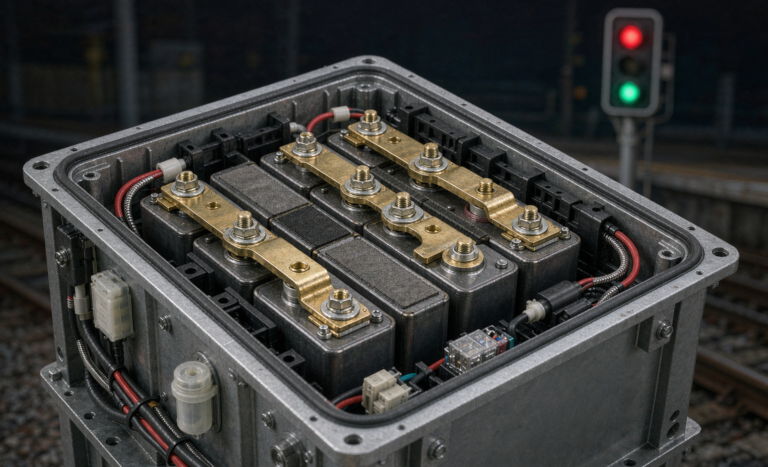
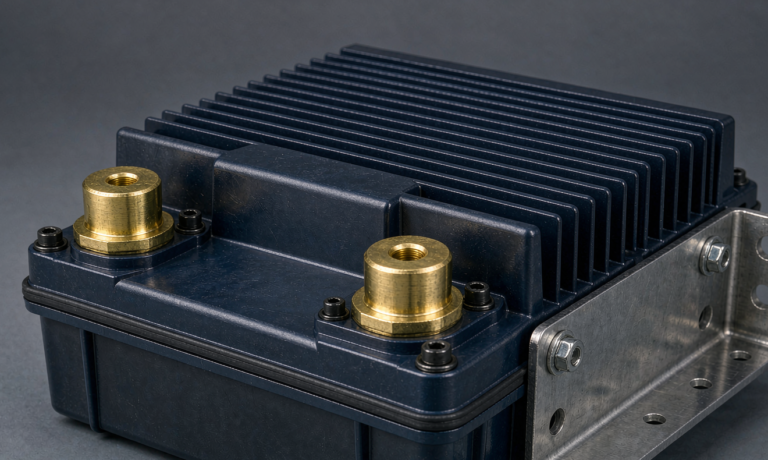
Sodium-Ion Battery for Canal and Lock Systems
Why Canal and Lock Sites Need Dedicated Energy Storage
Most canal and lock infrastructure sits far from a stable grid connection. A lock keeper’s cabin may have mains power, but the gate actuators, bridge lighting, navigation signals, and control panels at the chamber itself often run on long cable runs or local generators. When that local supply drops, the lock stops working. In my field experience specifying batteries for waterway authorities, the single biggest risk is not daily energy use but the moment a gate must open during a storm and there is no power to drive it.
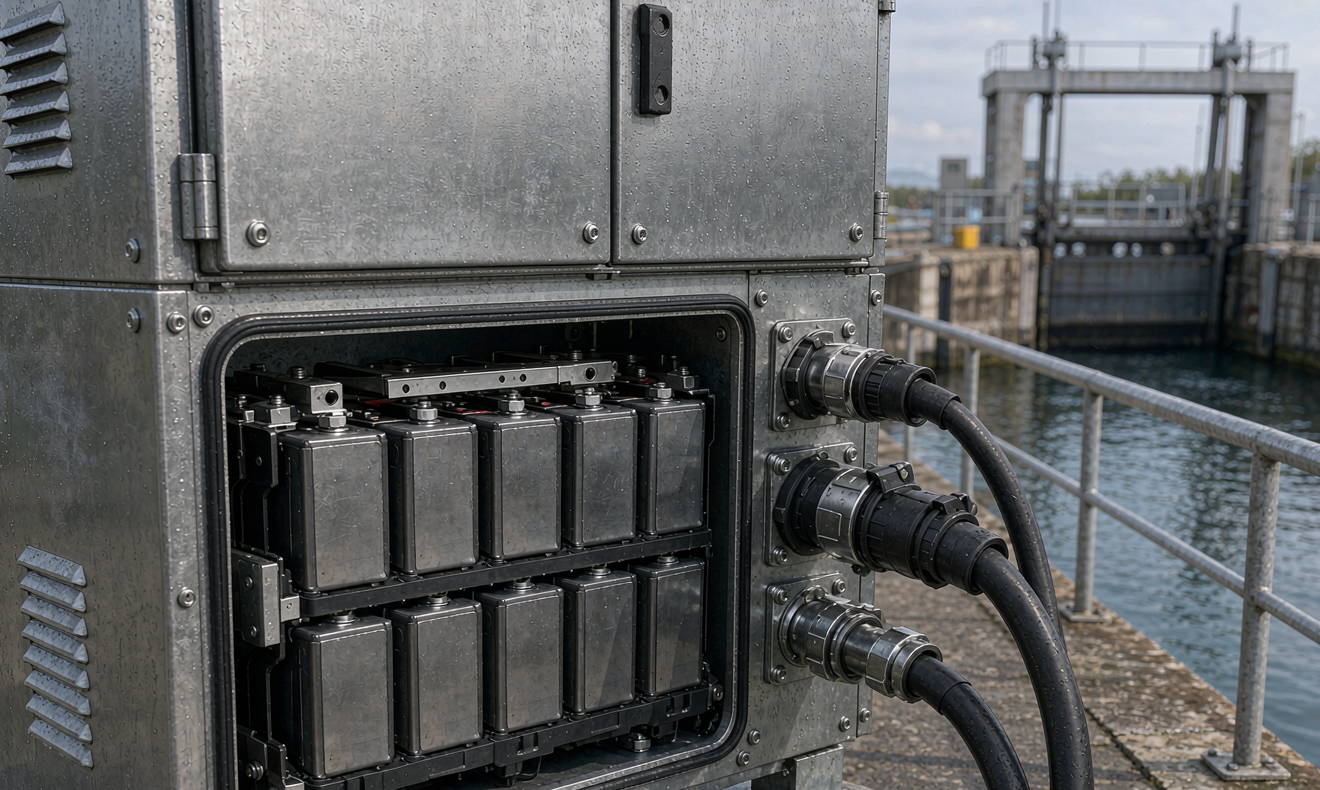
Diesel generators have traditionally filled this gap, but they bring fuel delivery, noise complaints, emission limits near sensitive waterways, and a maintenance burden that small canal operators cannot always carry. A stationary sodium-ion battery system removes the fuel logistics and starts instantly. For a structure whose job is to manage water levels and protect against flooding, that instant, silent response is exactly what the duty demands.
Sodium-Ion Chemistry Advantages for Wet, Outdoor Duty
Sodium-ion cells share the same rocking-chair architecture as lithium-ion but move sodium ions instead of lithium. For canal work that substitution matters more than it first appears. Sodium is the sixth most abundant element on earth, so the supply chain is not hostage to the geopolitics that affects lithium and cobalt. As an engineer who has watched cell prices swing with raw-material shortages, I value that stability.
The practical gains for outdoor waterway duty are three. First, sodium-ion tolerates a wider operating window, typically minus 20 to 60 degrees Celsius, without the sharp winter capacity loss that limits lithium chemistries. Second, the chemistry is inherently more resistant to thermal runaway, which reduces the fire-spread risk inside a sealed enclosure next to a lock. Third, sodium-ion cells need no cobalt and far less critical-mineral refining, which simplifies both procurement and end-of-life handling under tightening environmental rules for waterways.
Against lithium iron phosphate, sodium-ion gives up roughly 20 to 30 percent in energy density. On a lock site where floor space is not the constraint it is on a drone or a phone, that trade is easy to accept in exchange for colder-weather performance and lower material cost.
Sizing a Battery for Lock Gate Actuators
A lock gate is an infrequent but high-peak load. The electric actuator that swings or lifts a gate may draw 3 to 10 kilowatts for the few minutes the gate is moving, then almost nothing while it holds position. The battery must therefore be sized for peak current, not just for average watt-hours.
My rule of thumb: take the actuator nameplate power, add 30 percent for cable and inverter losses, and confirm the pack can deliver that current at its minimum state of charge. Then size the usable capacity for autonomy. A typical single-chamber lock with one gate movement per hour and LED navigation lighting draws about 1.5 to 3 kilowatt-hours per day. A pack rated at 10 kilowatt-hours usable, held between 20 and 90 percent state of charge, gives roughly three to four days of autonomous operation before a recharge is needed. If the site has solar or a grid tie, that buffer simply grows.
Do not forget the bridge or walkway lights and the control system itself. These are low power but must run continuously, so they dominate the daily energy figure more than the dramatic gate movements do.
Standards and Compliance You Cannot Skip
Canal battery systems are stationary industrial installations, so the compliance path is stricter than for a consumer pack. Every cell must clear UN38.3 for transport to the site, proving it survives altitude, shock, vibration, and short-circuit abuse testing. For the cells and modules themselves I specify IEC 62133-2 as the baseline safety standard for secondary cells, and IEC 62619 for the industrial stationary battery system, which adds requirements for thermal runaway propagation and management systems.
The enclosure is where most canal projects fail their inspection. The pack must carry at least IP65 against water jets and dust, and near tidal or brackish locks I push for IP66 plus a corrosion-resistant coating on every metal surface. Inland waterway authorities often reference their own electrical codes on top of these, so I always confirm the local requirements before sealing the enclosure. Aviation rules such as FAA or EASA do not apply to canal locks, but the discipline of documented testing and labeling that those frameworks encourage is the same discipline I apply here.
Installation and Environmental Protection
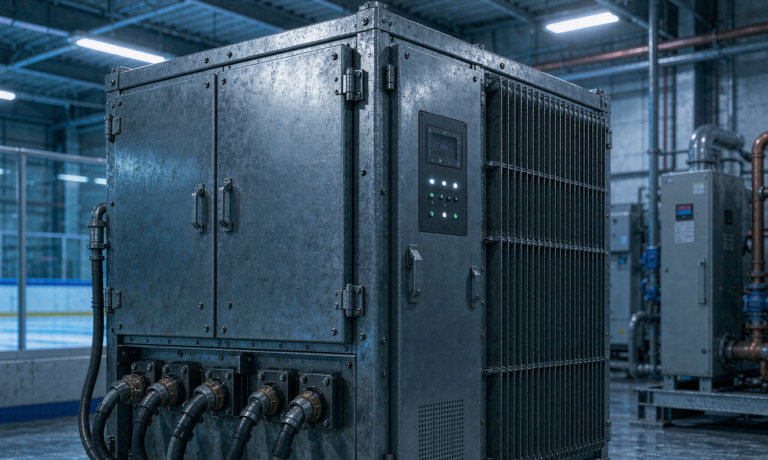
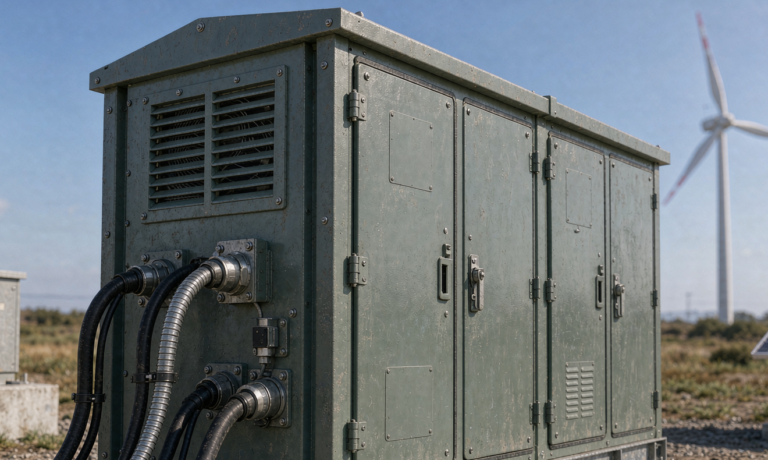
Water is the enemy of every electrical system, and a lock is nothing but water. I install the battery in a ventilated, lockable cabinet raised at least 300 millimeters above the highest recorded flood level for the site. Even though sodium-ion does not vent flammable gas under normal use, the cabinet still needs passive airflow to shed heat on hot summer days and to prevent condensation in winter.
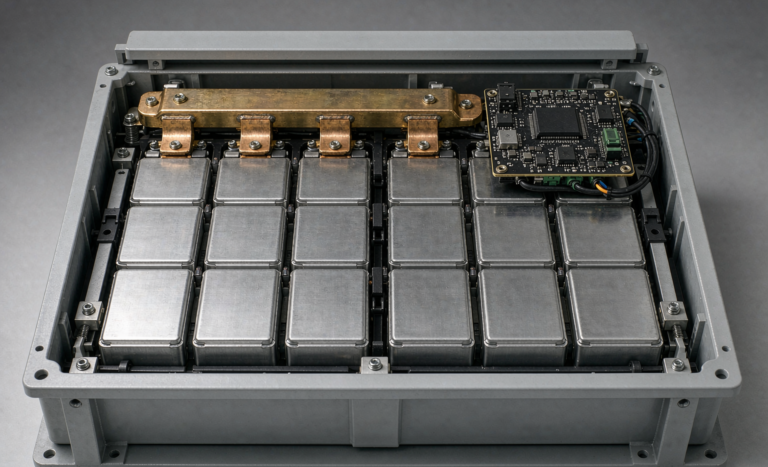
Inside the cabinet the battery management system monitors cell voltage, temperature, and current, and reports over Modbus or CAN to the lock controller. That link lets the keeper see state of charge on the same panel that runs the gates. I also add a simple isolation contactor so maintenance staff can physically disconnect the pack with one switch, because near water nobody should be working on live terminals.
Anti-theft and access matter more than people expect. A bright cabinet beside a public towpath invites interference, so I specify a welded steel enclosure with tamper screws and, where the authority allows, a small alarm on the door circuit.
Maintenance and Lifecycle Expectations
A well-installed sodium-ion pack at a canal lock should deliver 3,000 to 6,000 cycles depending on depth of discharge and temperature. Holding the daily window between 20 and 90 percent, as I recommend above, pushes the life toward the higher end. Annual inspection is light: confirm enclosure seals, check terminal torque, and verify the management system reports match a handheld meter reading.
State-of-charge calibration drifts on any battery, so I recalibrate once a year by a full slow charge and a controlled discharge to a known load. Sodium-ion ages gracefully, losing capacity rather than failing suddenly, which is the behavior you want on infrastructure where a surprise outage is unacceptable. At end of life the cells are easier to recycle than cobalt-bearing lithium packs, an advantage that matters when the waterway authority audits its environmental footprint.
Frequently Asked Questions
How long does a sodium-ion battery last in a canal lock?
Expect 3,000 to 6,000 cycles, which for a low-duty lock typically means eight to fifteen years. Keeping the daily state of charge between 20 and 90 percent and the enclosure cool extends life toward the upper end of that range.
Can sodium-ion batteries operate in freezing conditions?
Yes. Sodium-ion cells remain usable from about minus 20 degrees Celsius, far better than standard lithium iron phosphate in the same cold. For locks in alpine or northern canals this winter performance is the main reason I choose sodium-ion over other chemistries.
Is sodium-ion safer than lithium-ion for remote sites?
Sodium-ion is inherently more resistant to thermal runaway and contains no cobalt, so the fire and supply-chain risks are lower. For an unattended lock cabinet next to water, that reduced risk is a meaningful safety gain.
What size battery do I need for a single lock gate?
Size for peak actuator current first, then for autonomy. A typical single-chamber lock drawing 1.5 to 3 kilowatt-hours per day runs well on a 10 kilowatt-hour usable pack, giving three to four days of backup without recharge.
Do canal battery systems need a grid connection?
Not necessarily. Many remote locks run fully off-grid with solar replenishment, while others keep a grid tie as the primary source and use the battery only for outages and peak shaving. The right design depends on cable availability and the authority’s reliability target.
Further Reading
References