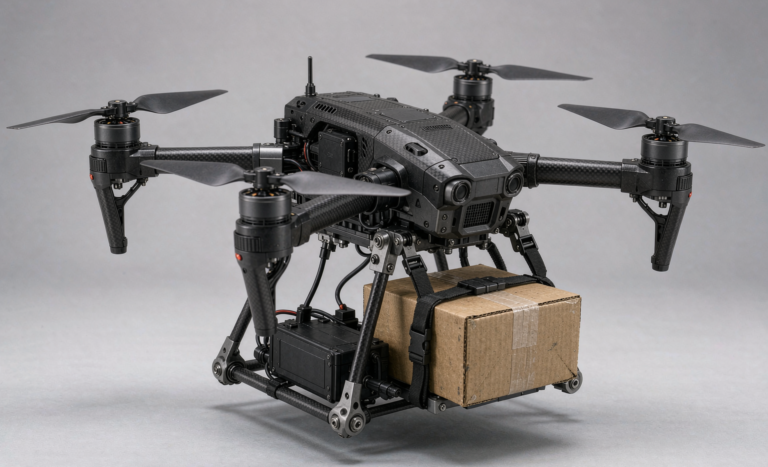
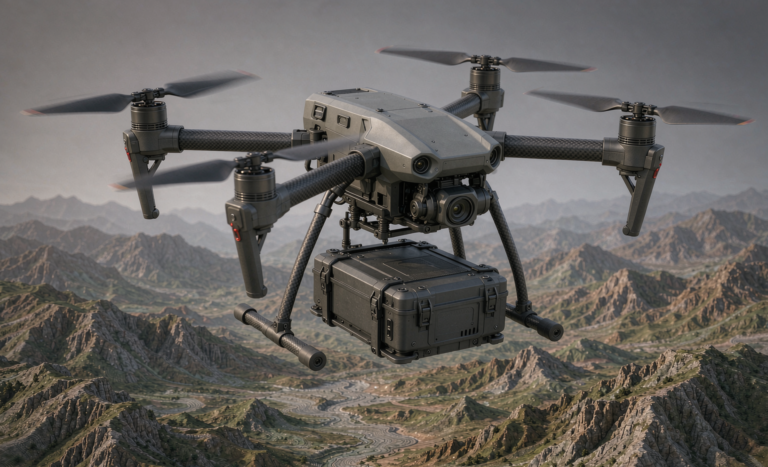
Drone Battery for Cinematic and Mapping Missions
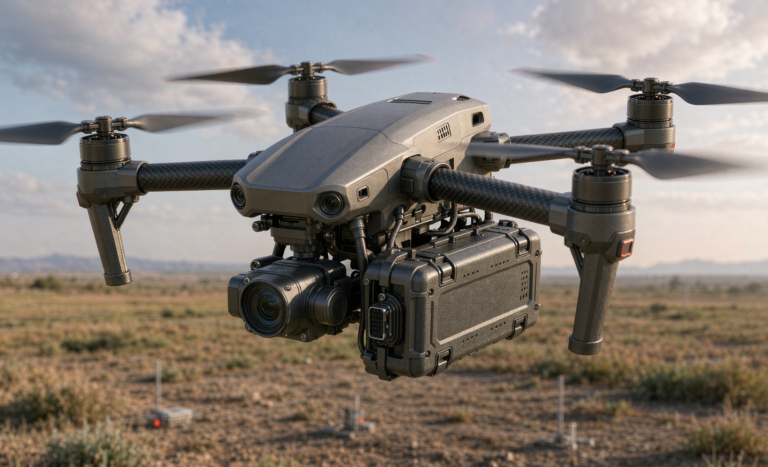
When a film crew asks me how long their cinematic drone will stay airborne, or when a survey team wants a mapping drone that can cover a whole quarry on a single charge, the answer is never a single number. Endurance is a system-level outcome. Over my years as a lithium battery engineer building packs for professional UAV programs, I have learned that a drone battery tuned for cinematic and mapping work is a very different animal from one built for racing or heavy-lift cargo. The mission profile is steady, the payload is sensitive, and the cost of an unexpected landing is measured in lost footage or a gap in a survey grid.
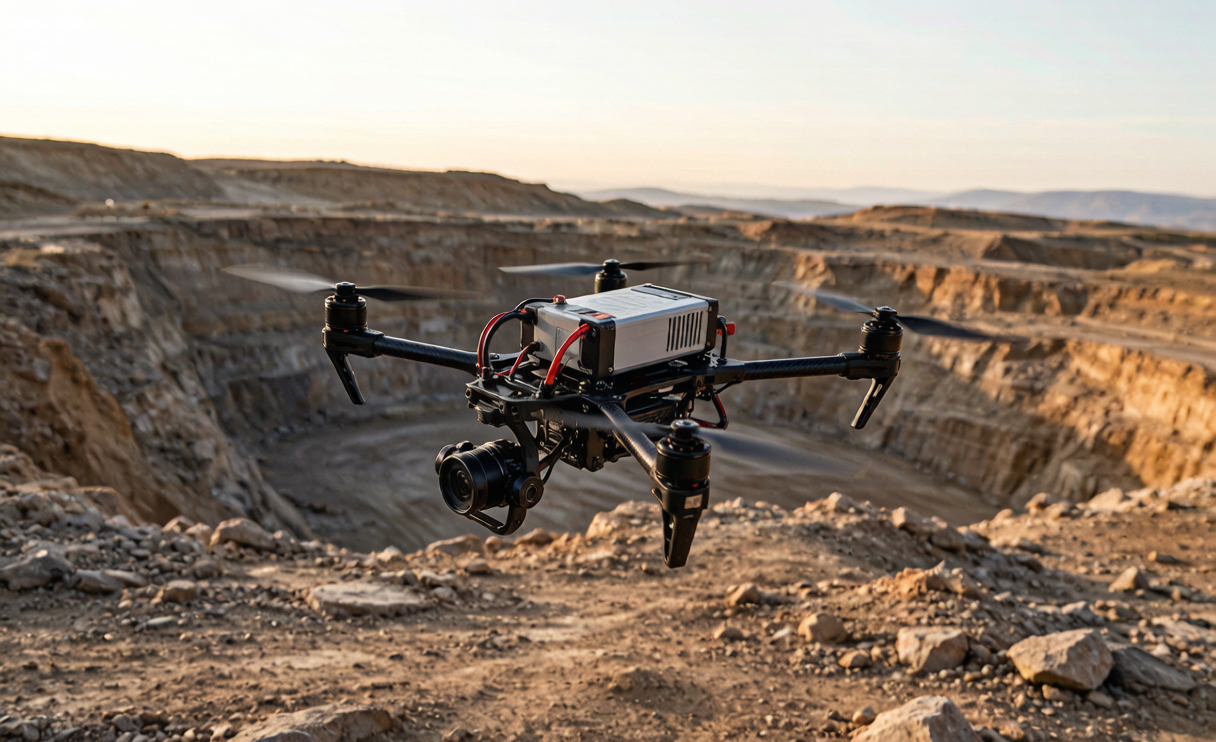
Why Cinematic and Mapping Drones Demand a Different Battery Philosophy
Cinematic and mapping flights share one hidden characteristic: they are endurance-limited, not power-limited. A mapping drone flying a lawnmower pattern at 8 meters per second and a cinema drone holding a slow orbit around a building rarely pull more than 30 to 50 percent of a drone lithium battery’s peak C-rating. What they need is sustained, predictable output and a graceful voltage curve that protects the electronics and the camera gimbal.
In my lab, I size these packs around a target end-of-mission voltage, not a theoretical cutoff. A 6S pack (22.2 V nominal) that I design for mapping usually lands at around 3.5 V per cell rather than the 3.0 V floor you might accept on a toy quad. That buffer protects cell balance and keeps the BMS from alarming at the worst possible moment. The trade-off is a few percent of usable capacity, but the reliability gain is worth far more on a paid job.
Understanding the Endurance Math Behind Your Drone Battery
Endurance comes down to a simple but often misread equation: flight time equals usable watt-hours divided by average power draw. A typical mid-size mapping airframe draws 250 to 450 watts in cruise. A 6S 10,000 mAh pack holds roughly 222 watt-hours (22.2 V x 10 Ah). If you only use 80 percent of that, you have about 178 Wh on the table. Divide by a 350 W cruise and you land around 30 minutes before safety margin.
The trap I see most often is quoting capacity in milliamp-hours without accounting for the voltage plateau. A lithium battery in this class lives around 3.7 V per cell under load, not the 4.2 V it shows at full charge. When a buyer compares two packs purely on mAh, they are comparing chemistry apples to oranges. Watt-hours, combined with a realistic discharge curve, is the only honest way to predict endurance for a cinematic or mapping mission.
Chemistry Choices: NMC vs LFP for Long, Calm Flights
For steady-state endurance work, the chemistry decision matters more than people expect. High-energy NMC cells (typically 200 to 250 Wh/kg) give you the lightest pack for a given endurance target, which is why most cinema drones still run on them. But NMC is unforgiving on abuse and ages faster if you deep-cycle it.
We have begun shipping LFP-based drone lithium battery options to survey teams who fly daily and care more about cycle life than absolute grams. LFP sits at a lower energy density (140 to 170 Wh/kg) but shrugs off thousands of cycles and stays cool under a gentle cruise load. For a mapping operation flying 6 to 10 sorties a day, the total cost of ownership of an LFP pack often beats a lighter NMC pack that needs replacing twice as often. As an engineer, I tell clients to choose NMC when grams decide the mission, and LFP when the monthly flight count decides the budget.
Thermal Behavior and Why Steady Cruise Still Needs Management
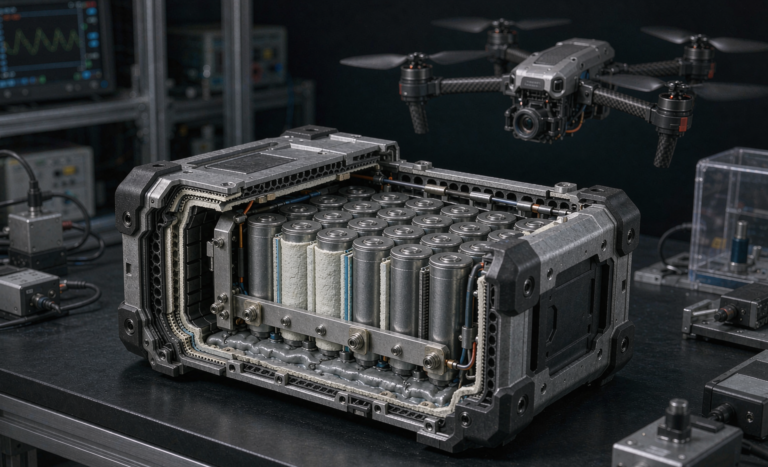
A common myth is that because cinematic flights are gentle, cooling does not matter. In reality, a long mapping sortie in direct summer sun can raise pack temperature to 45 to 50 degrees Celsius, and at that point internal resistance climbs and usable capacity quietly drops. I always spec a pack with some thermal path, even if it is just a bonded aluminum shield or a ventilated enclosure that does not trap heat against the cells.
For cold-weather mapping, the opposite problem appears. Below 0 degrees Celsius, lithium cells lose capacity and the voltage sags under load. On a winter orthophoto job in northern China, we pre-conditioned packs to 15 degrees Celsius inside insulated cases and saw endurance recover by nearly 20 percent versus uncontrolled cold starts. Small thermal discipline, large mission payoff.
custom battery solution: When Off-the-Shelf Packs Fall Short
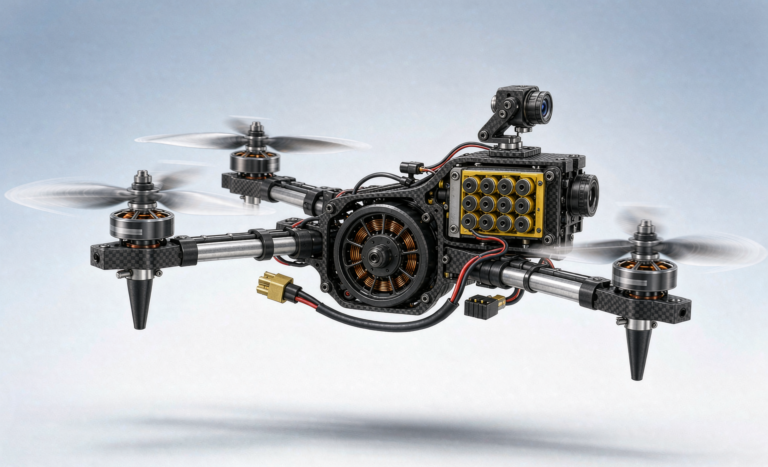
Off-the-shelf packs are fine until your airframe or sensor stack is unusual. A cinema drone carrying a heavy cinema camera plus a real-time downlink and a GPS-denied inertial unit can draw a weird, spiky load that generic packs were never validated against. That is where a custom battery solution earns its keep.
I recently built a 12S 16,000 mAh pack for a mapping client whose sensor drew a 60 A burst every time the LiDAR spun up, then settled to a 12 A cruise. A standard pack sagged on each burst and triggered the flight controller’s low-voltage failsafe. We re-architected the pack with a higher pulse-rated cell and a BMS tuned for that specific burst signature. The result was a steady pack that no catalog product could match. If your mission has a non-standard load, do not fight it with a bigger generic pack; design the cell around the load.
Smart Telemetry and Mission Planning for Maximum Uptime
Endurance is also an information problem. A drone battery with good telemetry lets a pilot plan the return before the margin disappears. I standardize on packs that report per-cell voltage, pack temperature, and remaining capacity to the ground station over a simple serial or CAN link. For mapping, that telemetry feeds directly into the flight planner so the aircraft lands with a consistent 20 percent reserve rather than the pilot guessing.
Battery health tracking across a fleet is the quiet productivity multiplier. When you know that pack number seven loses 8 percent of its capacity each month while pack number three holds flat, you rotate the weak ones to training flights and keep the strong ones on paid jobs. That single practice probably saves more mission time over a season than any chemistry tweak.
Charging and Turnaround on a Multi-Sortie Day
Cinematic and mapping work is rarely one flight and done. A survey day might mean eight launches. Charging strategy becomes part of the endurance story. I set charge current at 1C for longevity on most packs, with a 2C fast-charge option reserved for when a client is waiting. A good lithium battery charger with balancing keeps cell spread tight, and tight cells are what give you repeatable endurance flight after flight.
I also advise teams to keep at least three packs per aircraft in rotation. While one flies, one cools, and one charges, the sortie clock never stops. The battery is rarely the bottleneck when the logistics are right.
Pack Construction and the Quiet Importance of Cell Balance
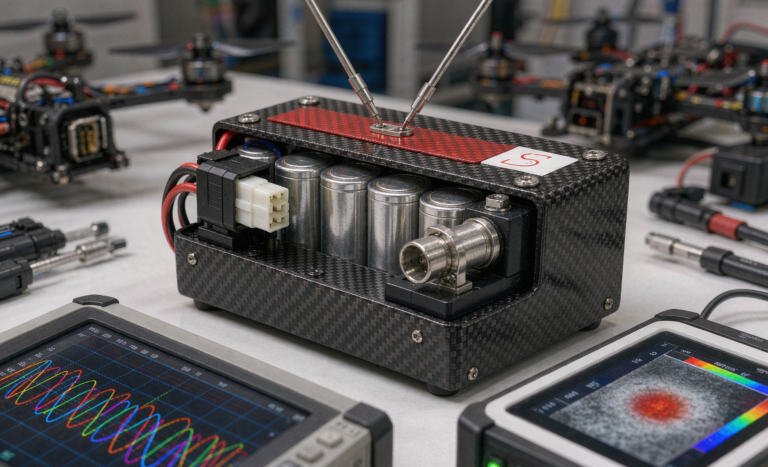
Endurance that repeats flight after flight depends on the pack being built well, not just specified well. Inside every quality drone battery I approve, cells are graded so their internal resistance matches within a tight band, usually under 3 milliohms of spread. Mismatched cells fight each other: the weak one hits its low-voltage cutoff first, and the whole aircraft lands early even though the strong cells still had charge.
The assembly method matters too. For cinematic and mapping packs we use either ultrasonic or precision spot welding with nickel strips sized to the current, and we keep busbar resistance low so the pack does not quietly waste watt-hours as heat at the joins. A custom battery solution also lets us place the BMS and balancing resistors where airflow actually reaches them, which keeps balance quality high across a long season of flights. These are unglamorous details, but they are the difference between a pack that delivers its rated endurance in month one and one that does so in month eleven.
Pre-Flight Battery Checklist for Cinematic and Mapping Sorties
Good endurance starts on the ground. Before every paid flight I run a short checklist with the operator. First, confirm the pack is at storage or flight temperature, not straight out of a cold case. Second, read per-cell voltage on the lithium battery charger and reject any pack with more than 0.02 V spread. Third, verify the BMS telemetry link is live so the planner sees capacity in real time. Fourth, brief the pilot on the planned return reserve, typically 20 percent for cinema and 15 percent for open-area mapping.
This five-minute routine has prevented more lost missions than any single specification choice. A custom battery solution that reports honest state-of-charge is only useful if the team actually looks at it before launch. Discipline, not just chemistry, is what delivers the endurance your client is paying for.
FAQ
What is the realistic endurance of a cinematic drone battery?
For a typical cinema quad with a 6S 10,000 to 16,000 mAh pack, expect 22 to 35 minutes of gentle flight, landing with a 15 to 20 percent reserve. Heavy camera payloads and prop choice shift that number more than most people expect.
Is a higher mAh drone battery always better for mapping?
Not always. Higher capacity adds mass, and mass raises the power needed to stay aloft, which can erase the endurance gain. The honest metric is watt-hours delivered at your cruise profile, not milliamp-hours on a label.
Should I choose NMC or LFP for survey drones?
Choose NMC when every gram of takeoff weight limits your mission, and choose LFP when you fly many sorties per day and want thousands of cycles. For daily commercial mapping, LFP’s total cost of ownership is often lower.
How does cold weather affect drone lithium battery endurance?
Below freezing, capacity and voltage sag under load, cutting endurance by 15 to 30 percent. Pre-conditioning packs to around 15 degrees Celsius before flight recovers most of that loss.
When does a custom battery solution make sense?
When your load profile is spiky, your airframe is non-standard, or off-the-shelf packs trigger low-voltage failsafes. A custom cell and BMS matched to your exact burst-and-cruise signature removes those limits.
How many batteries do I need per aircraft for a full survey day?
Three is the practical minimum: one flying, one cooling, one charging. That rotation keeps the sortie schedule moving without downtime waiting on a single pack.