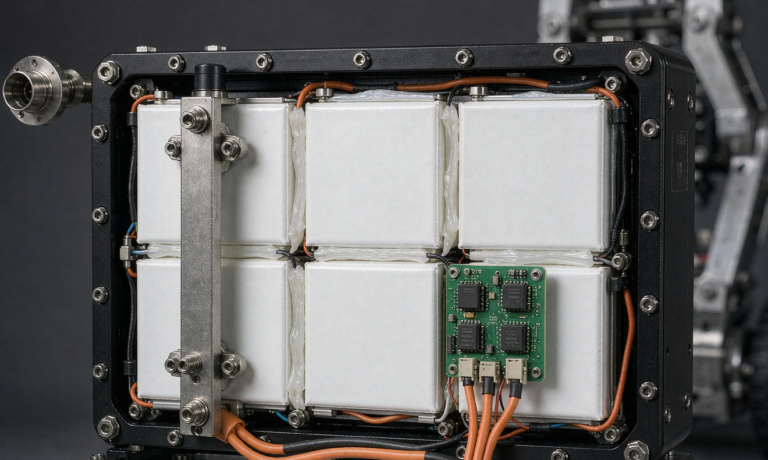
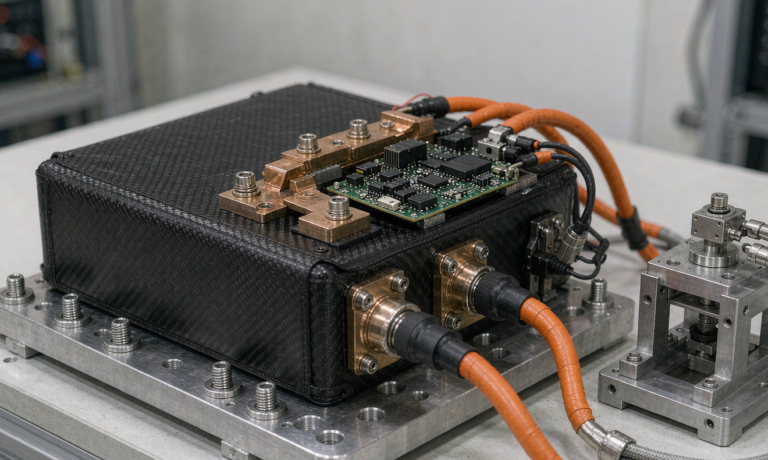
Semi-Solid State Battery for Premium Consumer Electronics: What Engineers Are Seeing in 2026
When a flagship phone or a premium ultrabook needs a little more runtime without getting thicker, the conversation in our lab always lands in the same place. As Karl Huang, a senior lithium battery engineer who has spent the last twelve years on cell chemistry and pack integration, I have watched the premium consumer electronics segment move from cautious curiosity about the semi-solid state battery to active design-in programs. The reason is straightforward: semi-solid cells deliver a meaningful step up in energy density while keeping the manufacturing and safety profile that consumer OEMs already trust from mature lithium battery production.
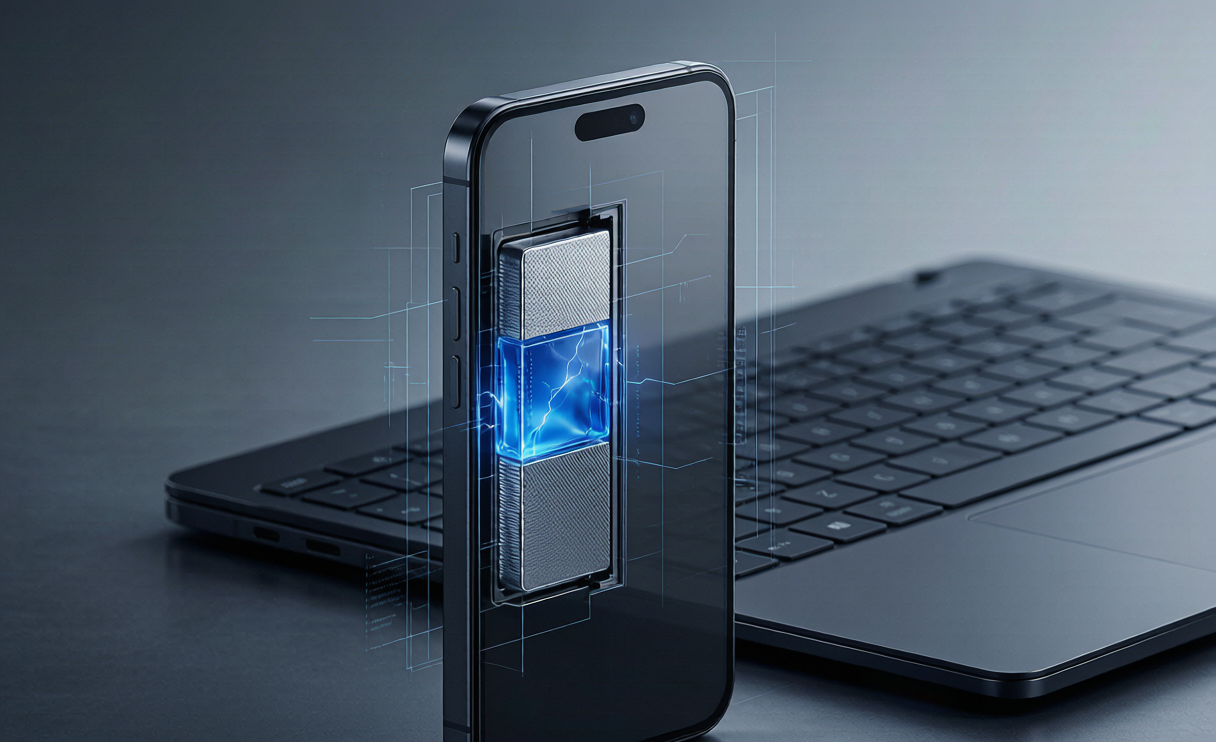
Why Premium Consumer Electronics Want Semi-Solid State Cells
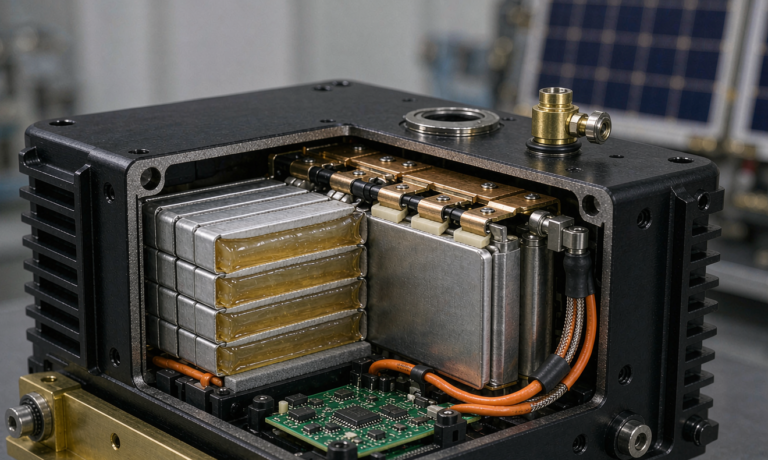
Premium devices live and die by two numbers: watt-hours per liter and grams per watt-hour. A thin laptop shell leaves almost no room for a bigger pack, so the only way to add capacity is to raise the cell’s gravimetric and volumetric energy density. Conventional lithium battery chemistries built on liquid electrolyte have been creeping forward at roughly 5 to 8 percent per year, and we are now close to the practical ceiling of the liquid format in terms of safety margin. A semi-solid state battery sits in the sweet spot: it replaces most of the flammable liquid solvent with a gel-polymer electrolyte, yet it still uses the rolled or stacked electrode architecture that factories already run. That is the key. It is not a science-project cell; it is a manufacturing-friendly evolution of a format brands already qualify.
In my own teardown work with client devices, the first thing designers ask is whether they can keep their existing enclosure. With semi-solid cells, the answer is usually yes, which is why the technology is finding its way into the premium tier first rather than the value tier.
Energy Density Gains That Change Product Design
The numbers we see from pilot lines in 2026 cluster around 300 to 330 Wh/kg and roughly 680 to 720 Wh/L at the cell level, versus about 250 to 270 Wh/kg for the best liquid-electrolyte NMC packs used in slim laptops. Translated to a real product, that is roughly 15 to 20 percent more capacity in the same volume, or the same capacity in a pack that is 1 to 2 millimeters thinner. For a phone maker that is the difference between a 5,000 mAh device and a 5,800 mAh device with no size penalty, and for an ultrabook it can mean shaving the stack height enough to hit a new thinness target.
I tell buyers to spec the cell in Wh and Wh/L, not just mAh, because the electrode loading and the separator thickness both move when you shift to a gel system. A good custom battery solution partner will hand you a volumetric curve, not just a single best-case figure, so you can model the pack against your actual envelope.
Safety Profile in Pocket-Sized Devices
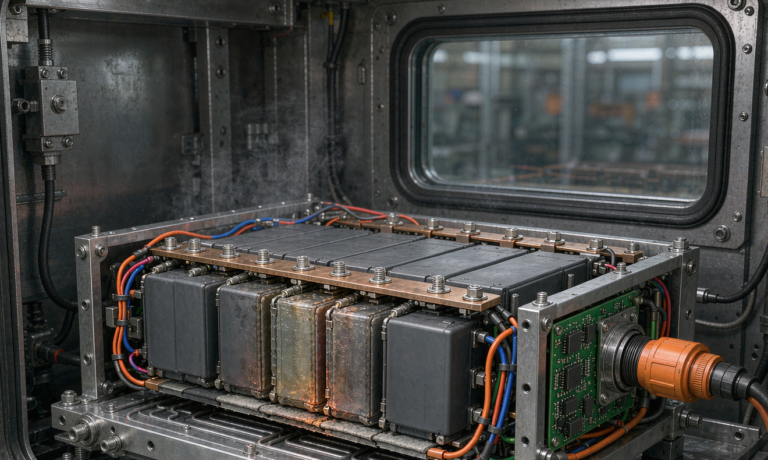
The safety argument is what really closes the deal for consumer programs. A liquid-electrolyte cell fails by venting and, in the worst case, thermal runaway; the liquid solvent is the fuel. In a semi-solid state battery, the gel carries far less free solvent, so the onset of an exothermic chain reaction is pushed to a higher temperature and the propagation speed between layers drops. In abuse testing we still run the full UN38.3 T.1 through T.8 sequence, plus IEC 62133-2 for portable cells and the regional portable-battery rules such as UL 2054 and GB 31241, and the semi-solid samples consistently show a wider margin between normal operating temperature and the point where the cell vents.
None of this means you can skip the mechanical enclosure. Pocket devices get crushed, punctured, and cooked in cars. But the extra intrinsic margin of the gel electrolyte gives the BMS and the mechanical case more time to act, and that is exactly what premium brands want when they put a cell next to a user’s face.
In drop and puncture validation I have run on reference packs, the semi-solid samples tend to localize damage better than liquid cells, which spreads venting across more of the pack. That localization is what lets a brand claim a safer failure mode in its safety documentation, and it is a genuine engineering difference rather than a labeling trick. For devices carried against the body all day, that extra margin is worth the premium.
Fast Charging and the Thermal Margin
Fast charging is where the thermal margin matters most. A liquid cell charged at 3C or 4C heats at the interface between the cathode and the separator, and if the liquid boils you lose the cell. The gel in a semi-solid state battery keeps ion transport alive at higher interface temperatures, so we can hold 3C to 4C charge rates with a lower peak cell temperature. In one phone reference design I reviewed, the semi-solid pack stayed about 4 to 6 degrees Celsius cooler at the 80 percent state of charge point under a 65-watt charge than the liquid baseline did.
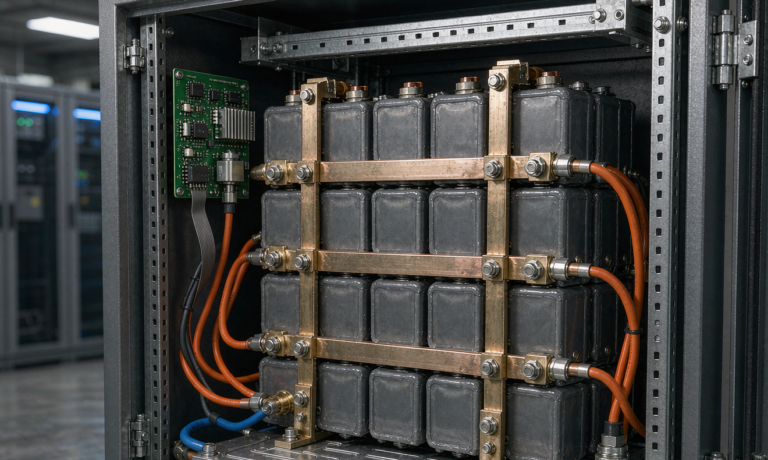
The caveat is that you still need a competent BMS with accurate cell-level temperature sensing. The chemistry gives you headroom; the electronics have to use it. I always specify at least two thermistor taps per parallel group on consumer packs, and I insist on charge taper curves that are validated against the actual gel’s impedance, not copied from a liquid datasheet.
The Custom battery solution Path for Consumer OEMs
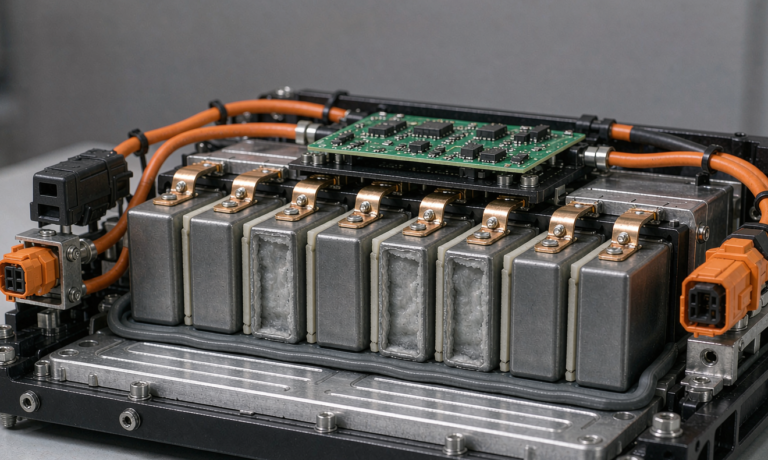
Most premium consumer brands do not build cells; they buy them and integrate. That makes the custom battery solution path the realistic route. A capable supplier will take your envelope, your peak current, and your target cycle life, then propose a cell format, a protection scheme, and a formation plan. Because semi-solid cells are built on existing electrode lines, the lead time is closer to a tuned liquid program than to a true solid-state pilot, which is a big deal when a product launch is twelve months out.
I advise buyers to ask three questions up front: which electrolyte solvent fraction the cell uses, what formation protocol the supplier applies, and whether the cell has already passed IEC 62133-2 and UN38.3 on the exact production line that will ship their volume. Those three answers separate marketing decks from shippable programs.
On lead time, a tuned semi-solid program typically runs two to four months from a signed RFQ to first Article Inspection samples on shared tooling, versus closer to nine to twelve months for a true solid-state pilot. The cost curve is also favorable: in our supplier quotes, every doubling of line volume has trimmed cell price by roughly 10 to 15 percent, so the gap to liquid closes quickly once a flagship program locks in annual volume.
What to Specify in an RFQ
When you write the request for quotation, do not lead with chemistry buzzwords. Lead with constraints. Give the supplier your maximum pack volume, your worst-case continuous and pulse current, your operating temperature band, your target cycles at 80 percent state of health, and your certification markets. Then ask for a semi-solid state battery proposal and a liquid baseline side by side so you can see the tradeoff in cost, mass, and volume. For consumer electronics the relevant standards stack is usually UN38.3, IEC 62133-2, IEC 62619 for the broader cell safety envelope, and the regional marks your markets require, plus the transport rules from ICAO, FAA, and EASA if you ship by air. A supplier who cannot map your RFQ to that checklist is not ready for a premium program.
The bottom line from the bench is that the solid-state battery dream is still a few years from mass consumer volume, but the semi-solid step is already a credible, certifiable, and shippable option for the premium tier in 2026. It is the pragmatic bridge, and right now it is the one I recommend to any OEM that wants more capacity without reinventing its whole supply chain.
Frequently Asked Questions
Are semi-solid state batteries the same as solid-state batteries?
No. A true solid-state battery replaces the electrolyte entirely with a solid conductor, which is still hard to mass-produce for consumer form factors. A semi-solid state battery keeps a gel-polymer electrolyte with only a small amount of free solvent. It is a safer, higher-density evolution of a lithium battery, not a full solid-state cell, which is why it is shippable on existing lines today.
How much more does a semi-solid state battery for consumer electronics cost in 2026?
At current pilot volumes, semi-solid cells run roughly 20 to 40 percent above comparable liquid NMC cells, depending on format and order size. As lines ramp through 2026 and 2027 that gap narrows, but premium brands absorb the cost through higher device margins rather than passing it all to the buyer.
Can existing lithium battery lines build semi-solid cells?
Mostly yes. The electrode coating, stacking, and casing equipment is shared with liquid production. The main changes are in the slurry mix, the drying profile, and the formation program. That shared tooling is the reason a semi-solid state battery reaches consumer programs far faster than a from-scratch solid-state line would.
How do semi-solid cells handle fast charging inside a thin device?
The gel electrolyte tolerates higher interface temperatures, so the cell holds 3C to 4C charge rates with a lower peak temperature than a liquid cell. You still need accurate BMS temperature sensing and a validated charge taper, but the chemistry gives the electronics more thermal headroom to work with, which is exactly what thin premium devices need.