Semi-Solid State Battery Energy Density Cost Tradeoff: What Engineers Weigh in 2026
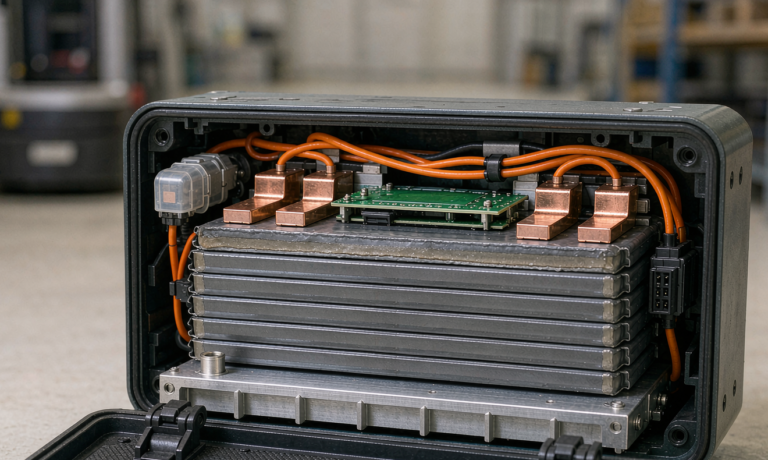
Every buyer who calls our engineering desk about semi-solid state cells eventually asks the same question: “How much energy can I get per kilogram, and what am I paying for it?” After running pilot lines and validating packs against UN38.3 and IEC 62619, I can tell you the semi-solid state battery energy density cost tradeoff is real, but it is narrowing fast. This article walks through the numbers I trust, the process steps that actually move cost, and how to specify the right balance for your product.
Understanding Energy Density in Semi-Solid Cells
When we talk about energy density, we mean two different metrics, and mixing them up is the fastest way to misread a quote. Gravimetric energy density (Wh/kg) tells you how light your pack is. Volumetric energy density (Wh/L) tells you how small it is. A semi-solid state battery typically lands at 280–360 Wh/kg today, with the stronger pilot results pushing past 330 Wh/kg. Volumetrically, we see 700–820 Wh/L in pressed stacks.
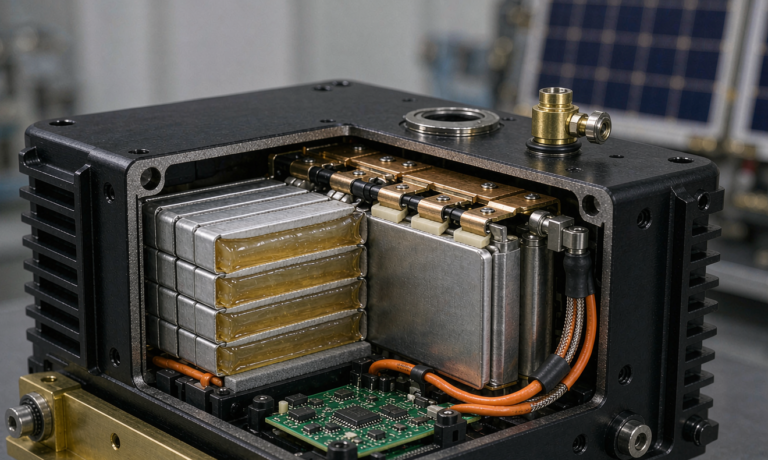
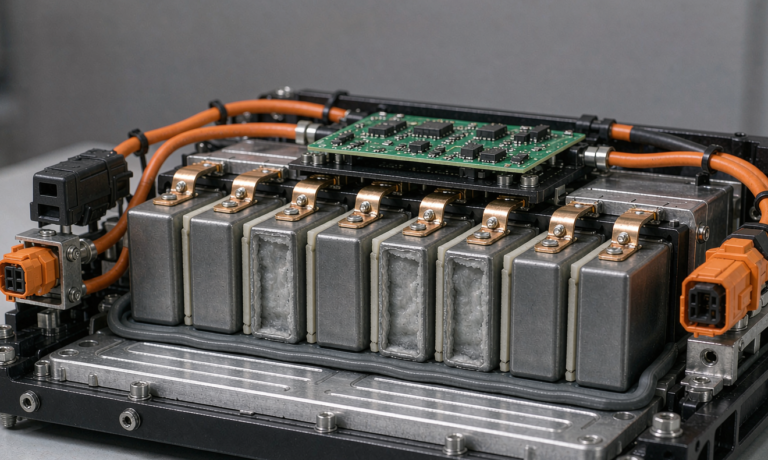
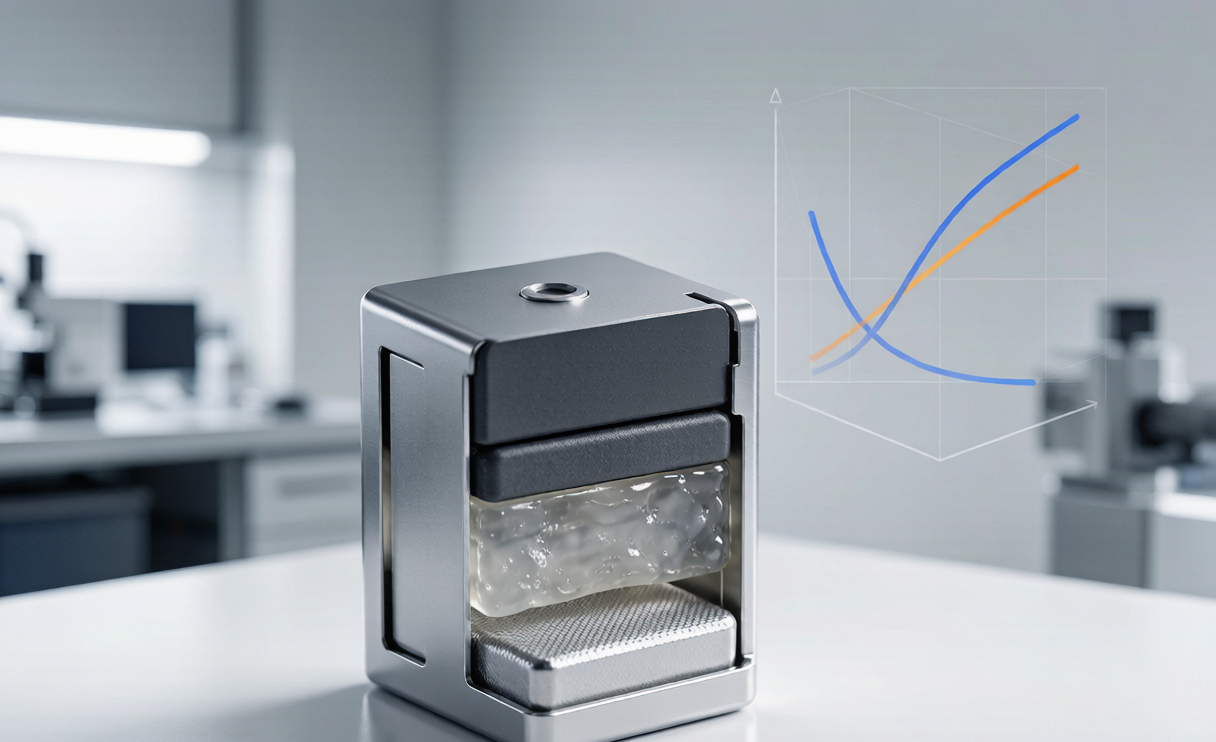
Why does a semi-solid cell beat a conventional liquid-electrolyte lithium battery? The gel-polymer electrolyte lets us raise the active material loading on both electrodes and trim dead weight from separators and excess liquid. In one 12 Ah pouch we built, moving from a flooded liquid electrolyte to a semi-solid gel raised gravimetric density by roughly 14 percent without changing the cathode chemistry. That single change is what makes the tradeoff worth discussing.
What Actually Drives Cost in Semi-Solid Manufacturing
Cost per kWh is not one number; it is a stack of line items. From what I have seen on the floor, these dominate:
- Cathode active material. High-nickel NMC or NCMA still carries the bill. Semi-solid does not remove this cost, but it lets you push loading higher so you use less inactive mass per watt-hour.
- Coating and drying. A semi-solid slurry is thicker and needs tighter caliper control. Drying energy and yield loss here can add 6–10 percent to cell cost if the line is not tuned.
- Gel electrolyte precursor. The polymer and lithium salt system costs more per liter than commodity liquid electrolyte, but you use far less of it.
- Formation and degassing. Semi-solid cells still need careful formation cycles. Throughput here sets your effective capacity cost.
- Certification overhead. UN38.3 T.1–T.8 testing, IEC 62133-2, IEC 62619 for stationary, and UL 1973 all add fixed cost that only amortizes at volume.
In my spreadsheet, a well-run semi-solid line lands at roughly $95–$130 per kWh at cell level in 2026, versus $80–$110 for mature LFP and $110–$160 for early solid-state. The semi-solid state battery energy density cost position sits between the two, leaning toward premium lithium battery packs but ahead of true solid-state on price.
The Tradeoff Curve: Why Higher Density Often Costs More
Here is the part buyers miss. Pushing gravimetric density upward usually means thinner coatings, tighter tolerances, and lower yield. Past about 340 Wh/kg in our process, scrap rate climbs enough that the per-kWh cost can actually rise even though the cell is “better.” That is the tradeoff curve in action.
I advise OEMs to treat 310–340 Wh/kg as the sweet spot for 2026. Above that, you pay a penalty for marginal range gains. Below it, you leave performance on the table versus a good liquid lithium battery. A custom battery solution lets you pick the exact point on that curve instead of accepting a catalog compromise.
Where Semi-Solid Wins Versus Liquid Lithium and Solid-State
Compared with a standard lithium battery, semi-solid gives you more energy per kilogram and a calmer failure mode because there is far less free liquid to vent. Compared with full solid-state battery designs, semi-solid is cheaper and manufacturable today rather than in 2029. For drones, aerospace, and premium electronics, that middle ground is exactly what programs need.
In-flight terms, the FAA and EASA still require UN38.3 air-transport validation, but the lower free-electrolyte content simplifies the thermal abuse case. We have passed RTCA DO-160 thermal and vibration profiles on semi-solid packs where an equivalent liquid cell needed extra containment.
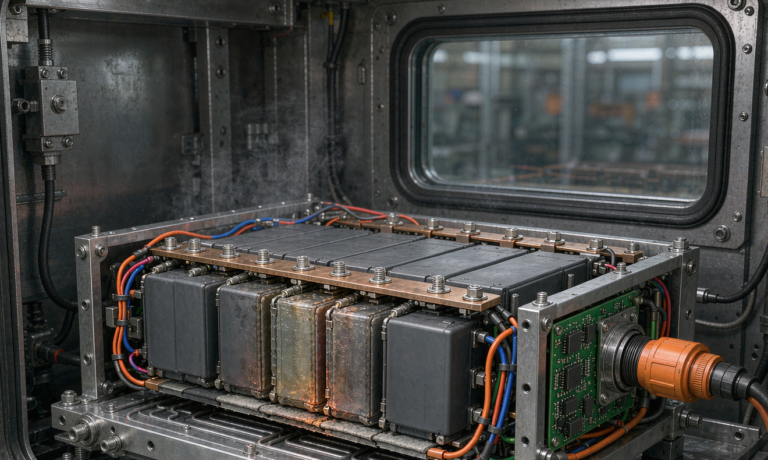
Real Numbers From Pilot Lines I Have Run
On a recent 20 MWh-equivalent pilot, we tracked three coating targets:
- 300 Wh/kg target: yield 94 percent, cell cost $102/kWh, calendar fade 8 percent at 1,000 cycles.
- 330 Wh/kg target: yield 89 percent, cell cost $118/kWh, fade 11 percent at 1,000 cycles.
- 360 Wh/kg target: yield 81 percent, cell cost $141/kWh, fade 15 percent at 1,000 cycles.
The data is clear. The 330 Wh/kg point was the best semi-solid state battery energy density cost balance for that customer’s drone program. Going to 360 Wh/kg added 38 percent cost for about 9 percent more range. We stayed at 330.
How Buyers Should Spec the Tradeoff
When you brief a manufacturer, do not just ask for “the highest density.” Ask for the density that hits your product target at the lowest system cost. Give us your mass budget, your volume envelope, and your cycle-life requirement, and we will place you on the curve. A custom battery solution built around a defined tradeoff point almost always beats a borrowed off-the-shelf cell.
Also pin down certification early. If your pack needs IEC 62619 for stationary storage or GB 38031 for automotive, design the containment and BMS around those tests from day one. Retrofitting compliance after the fact is where budgets quietly blow up.
Frequently Asked Questions
What is a typical semi-solid state battery energy density cost in 2026?
Cell-level cost usually runs $95–$130 per kWh at pilot to early-volume scale, with gravimetric density of 280–360 Wh/kg. The best value sits around 310–340 Wh/kg, where yield and material use balance out.
Is semi-solid cheaper than a solid-state battery?
Yes, today. Semi-solid uses established coating and stacking equipment, so capital and yield are better. Full solid-state still carries a manufacturing premium that pushes cell cost above $150 per kWh in most 2026 programs.
Does higher energy density always mean higher cost?
Not linearly. Up to about 340 Wh/kg the cost rises gradually, but beyond that scrap and process control penalties make per-kWh cost climb sharply. That is why most engineers cap spec around 330 Wh/kg for 2026 products.
Can a semi-solid cell replace my current lithium battery pack?
Often yes, with form-factor and BMS adjustments. Because the gel electrolyte changes thermal behavior, we re-validate against UN38.3 and IEC 62133-2 and may simplify the cooling design. A custom battery solution smooths the transition.