Battery Solution for Aquaculture and Fish Farming
Why Aquaculture Sites Punish Ordinary Power Systems
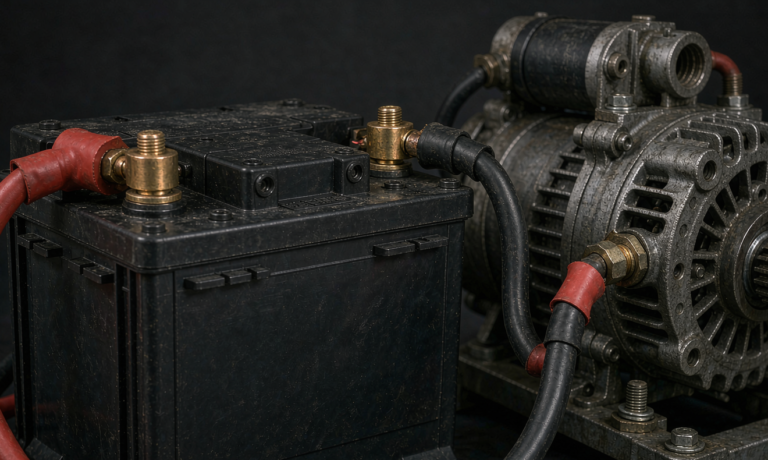
When I first got a call from a salmon farmer in northern Norway, the complaint was simple: every battery they had tried near the pens died within a season. Salt spray, constant humidity, freeze-thaw cycles, and vibration from wave action were tearing through off-the-shelf packs. That conversation shaped how I think about designing a battery solution for aquaculture and fish farming operations that actually survives the environment.
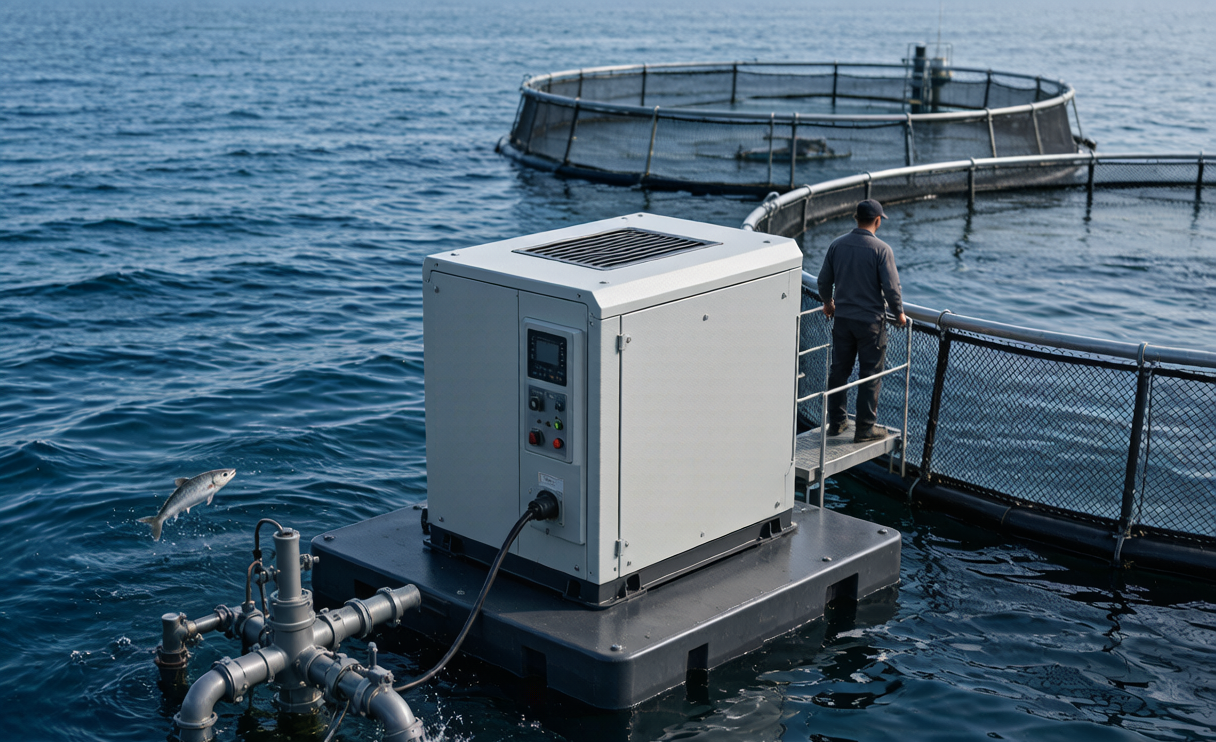
Aquaculture is one of the harshest deployment environments for stored energy. You are not in a climate-controlled cabinet; you are sitting meters from living seawater that wants to corrode every terminal, seal, and weld. You are powering aerators, automatic feeders, underwater cameras, dissolved-oxygen sensors, and sometimes acoustic deterrents for seals. And most sites are off-grid or grid-fragile, so the battery is not a backup — it is the primary source.
Over the last decade I have spec’d custom battery solution packs for oyster farms in Tasmania, tilapia operations in Southeast Asia, and recirculating aquaculture systems (RAS) in cold-climate warehouses. The engineering lessons repeat, and in this article I will walk through the specs, sealing, sizing, and certification reality that a buyer or OEM should expect from a serious supplier.
Core Battery Specifications for Fish Farming Deployments
The chemistry question usually settles on lithium iron phosphate (LFP, LiFePO4) for stationary aquaculture power. LFP gives you a flat voltage curve, excellent thermal stability, and 3,000–6,000 cycles at 80% depth of discharge — far better than lead-acid’s 300–500 cycles. For a floating pen where you cannot swap batteries weekly, cycle life is the whole game.
- Chemistry: LFP 3.2 V nominal cells, arranged in 12.8 V, 25.6 V, or 51.2 V architectures depending on load.
- Capacity: Typically 100–300 Ah per module for feeder/aerator loads; rack-scale 5–20 kWh for RAS backup.
- Operating temperature: -20 °C to 60 °C discharge; charging should be derated below 0 °C unless you have a heated enclosure or low-temp charge cells.
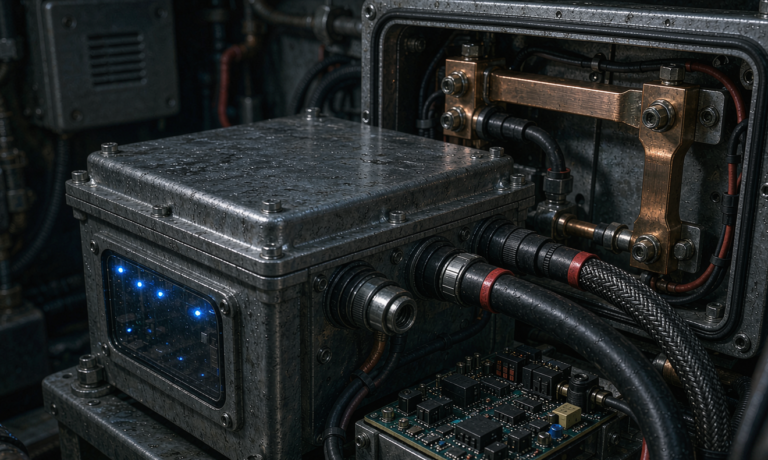
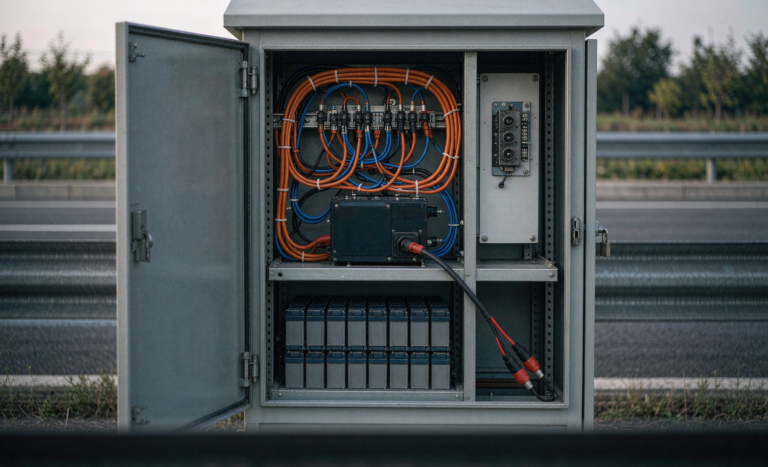
- BMS: A proper lithium battery management system with cell balancing, over-current, over-temperature, and ground-fault detection. For marine use I insist on a BMS rated to at least IP67 on its own board.
I always tell buyers: do not shop on Ah alone. Ask for the continuous and peak discharge current, the balancing current, and the self-discharge rate. A battery solution that looks cheap on paper often hides a weak BMS that will trip under the inrush current of a brushless feeder motor.
Sealing, Corrosion Protection and IP Ratings
This is where most failures happen. The cell itself may be fine; it is the enclosure and terminals that give up. For aquaculture I specify:
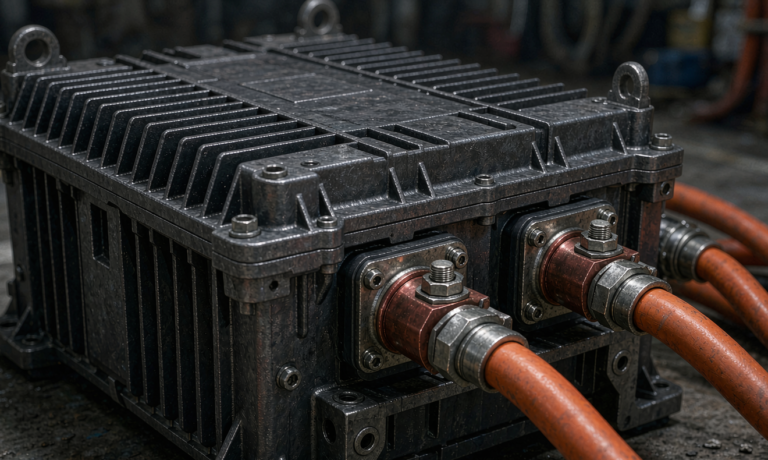
- Enclosure: 316L stainless steel or powder-coated marine-grade aluminum, never plain mild steel.
- Seals: Dual fluorocarbon (FKM) gaskets, not standard nitrile which cracks in UV and ozone.
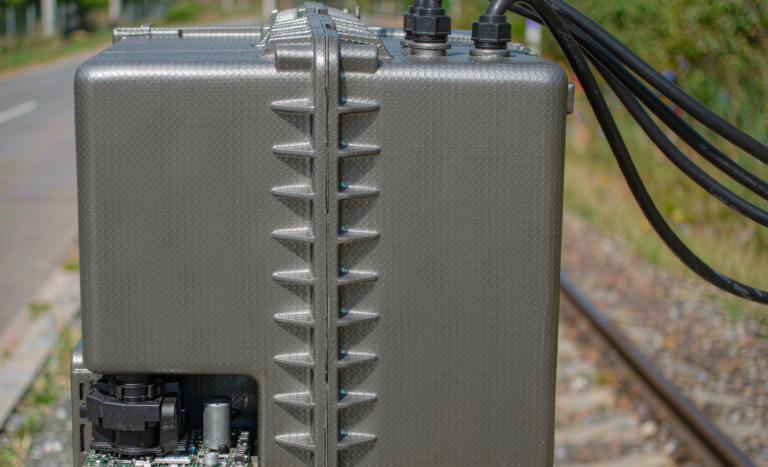
- IP rating: Minimum IP65 for shore-based; IP67 or better for anything mounted on a floating collar or pontoon.
- Terminals: Tinned copper busbars and marine-grade dielectric grease on every connection.
In one project we moved a client from IP54 plastic boxes to IP67 anodized enclosures and their field failure rate dropped from roughly 1 in 4 per year to under 5% across two winters. The battery pack cost went up about 12%, but the service boat calls disappeared.
Sizing the Battery for Aerators, Feeders and Sensors
Sizing is just energy accounting. List every load, its watts, and its daily run hours. Aerators are the heavy hitters — a 200 W solar-aerator running 10 hours burns 2 kWh/day. Automatic feeders pulse high current for seconds, a few times a day. Sensors and radios sip power but run 24/7.
A practical rule I use: size the battery to cover 2–3 days of autonomy without sun or grid, then add 20% for aging and the fact that you should not regularly discharge below 80% DoD. For a small pen with a 200 W aerator, a 100 W feeder, and 15 W of sensors, daily draw is about 2.3 kWh. Three days of autonomy at 80% usable means roughly a 9 kWh battery solution — call it a 10 kWh LFP module.
Pair it with a PV array and a hybrid charge controller, and you have a system that rides through a week of grey weather. I have seen well-sized offshore pens run an entire winter on solar plus a single LFP bank.
A Real Deployment Example
Last year we built a custom battery solution for a 40-pen trout site in Chile. Each pen needed a DO sensor, a feeder, and a small thruster to keep nets clean. Per-pen load averaged 110 W continuous with 400 W feeder pulses.
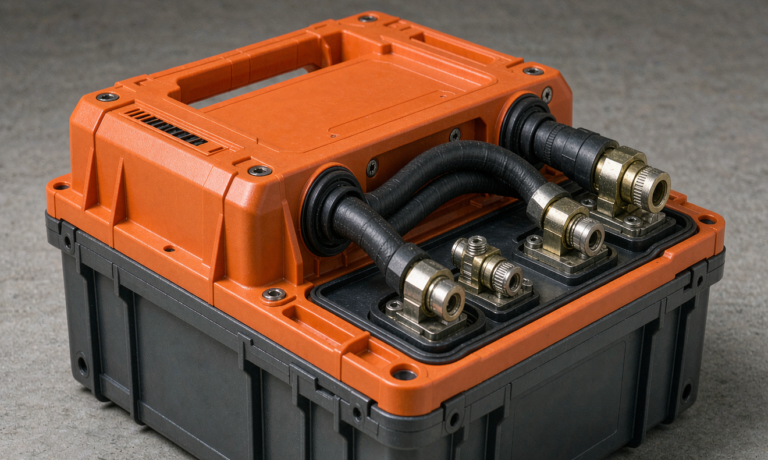
We deployed a 25.6 V, 200 Ah LFP pack (5.12 kWh) per floating hub, IP67 aluminum enclosure, heated to 5 °C minimum for safe charging in winter. A 600 W PV panel and a small wind turbine topped it up. The result: 11 months with zero battery-related downtime across 40 pens, and capacity retention measured at 96% after 900 cycles. That is the kind of number a buyer should ask a supplier to commit to in writing.
Safety, Certifications and Cold-Water Considerations
Marine batteries sit around people, fish, and expensive gear, so certification is not optional. For global aquaculture buyers I recommend confirming:
- UN38.3 for transport of the cells and packs.
- IEC 62133 for portable cell safety, and IEC 62619 for industrial stationary packs.
- IP and salt-mist validation per IEC 60068-2-52 (severity level depends on site exposure).
- Local marks: CE for Europe, UL 1973 for North American stationary storage.
Cold water is a real constraint. Below 0 °C, charging an LFP cell without heating causes lithium plating and permanent capacity loss. If your pens freeze over, specify low-temperature charge cells or a heated compartment — do not rely on the ambient water to keep the pack warm, because the pack is usually above the waterline.
Frequently Asked Questions
Can I just use a regular solar battery at a fish farm?
You can, but expect short life. Standard solar batteries are built for dry, stable environments. Without marine sealing and a corrosion-resistant enclosure, salt spray will kill the terminals within a season. A purpose-built battery solution aquaculture fish farming operators rely on is sealed, IP-rated, and uses tinned marine connections.
How long will an aquaculture lithium battery last?
A quality LFP pack sized correctly should deliver 3,000–6,000 cycles, which is roughly 8–10 years in a seasonal operation. The enclosure and BMS usually outlast the cells if specified properly. Ask your supplier for a cycle-life curve at your operating temperature, not just a catalog number.
Do I need heating for cold-water sites?
If your site drops below 0 °C and you keep charging through winter, yes. Use low-temp charge cells or a thermostatically controlled heater in the enclosure. Charging a frozen LFP cell is the fastest way to destroy it.
What capacity should I start with for a single pen?
Total your daily watt-hours (aerators + feeders + sensors), multiply by your desired autonomy days, divide by 0.8 for usable depth of discharge, and add 20% headroom. Most single-pen setups land between 5 kWh and 12 kWh of LFP. A good battery pack supplier will do this sizing for you from your load list.
Is a custom battery solution worth the cost over off-the-shelf?
For one pen, maybe not. For a fleet of 20–100 pens, absolutely. The sealing, mounting, and BMS integration savings, plus the drop in service visits, pay back fast. That is exactly why we built a custom battery solution for the Chilean trout site rather than bolting on catalog packs.