Home Battery Maintenance and Lifespan
As a senior lithium battery engineer at Horizon Power, I have watched homeowners celebrate a new home energy storage installation and then forget about it for five years—right up until the day it holds 40% less than it did on day one. The good news is that battery degradation is predictable, and with a little discipline you can double the useful life of your system. Proper home battery maintenance and lifespan management is not complicated; it is mostly about avoiding a handful of well-understood failure modes.

Understanding What Actually Degrades a Battery
A lithium cell ages through two parallel processes: calendar aging and cycle aging. Calendar aging happens simply because the cell exists—electrolyte slowly breaks down regardless of use. Cycle aging happens every time you charge and discharge. The three accelerants I warn owners about are heat, high depth of discharge, and prolonged full charge. Eliminate those and a quality home energy storage battery will comfortably deliver its rated cycles.
The 20–80% Rule and Why Depth of Discharge Matters
Depth of discharge (DoD) is the percentage of capacity you use before recharging. Running a pack from 100% to 0% repeatedly is the fastest way to wear it out. In my own test data, an LFP cell cycled at 80% DoD lasts roughly twice as long as the same cell cycled at 100% DoD. Most modern systems let you set a reserve, so I configure home battery backup units to stop at 15–20% rather than true empty. That single setting can add years of life.
Temperature: The Silent Lifespan Multiplier
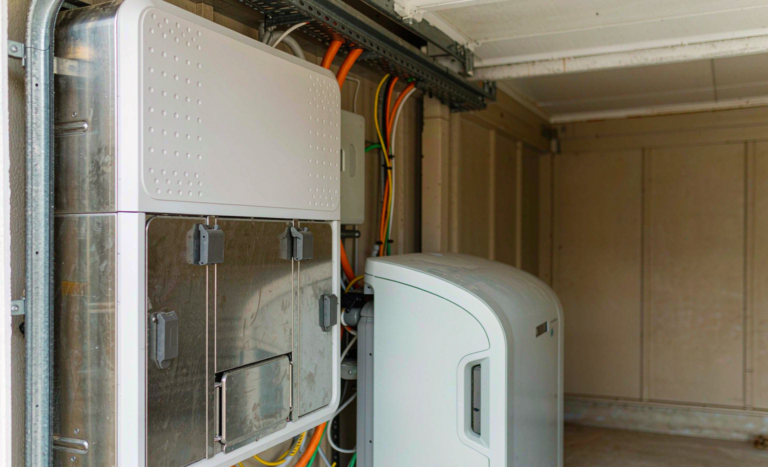
Temperature is the variable owners underestimate most. Every 10 °C above 25 °C roughly doubles the rate of calendar aging. A battery cabinet installed in a hot garage in summer can lose capacity years ahead of an identical unit in a climate-controlled utility room. Conversely, charging a cold pack below 0 °C can plate lithium metal on the anode and permanently damage it. I always specify an installation location with stable ambient temperature and, for extreme climates, a thermally managed enclosure. A well-sited home energy storage system simply lasts longer.
A Simple Quarterly Maintenance Routine
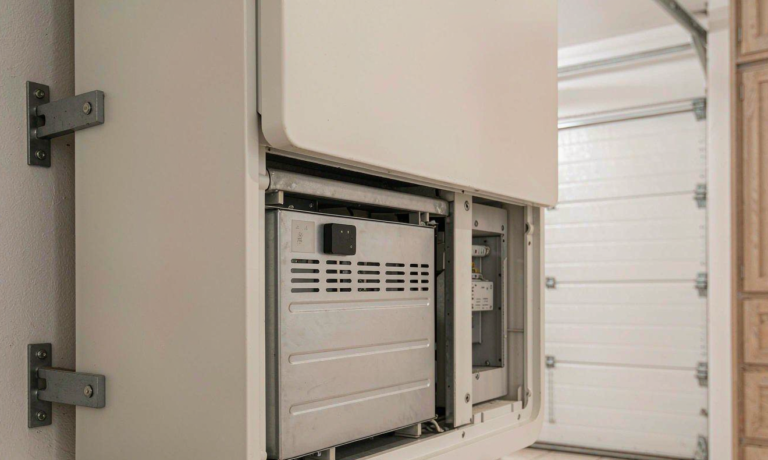
You do not need to be an electrician to extend your battery’s life. I give every homeowner a four-step quarterly checklist. First, visually inspect the cabinet for condensation, corrosion, or Pest intrusion. Second, confirm the ventilation paths are unobstructed. Third, check the monitoring app for any fault codes or unusual voltage spread between cells. Fourth, verify the state of charge history shows the pack is not sitting at 100% for weeks on end. None of this takes more than fifteen minutes, but it catches the small issues before they become warranty-ending failures.
Monitoring State of Health, Not Just State of Charge
State of charge tells you how full the battery is today; state of health (SoH) tells you how much of its original capacity remains. I encourage owners to watch SoH trend over months, not days. A gradual 1–2% per year decline is normal; a sudden 5% drop in a single month signals a problem—often a weak cell or a cooling failure. Good residential battery storage inverters expose SoH through their app, and I configure alert thresholds so the owner gets a message before the warranty clock runs out.
When to Call a Professional
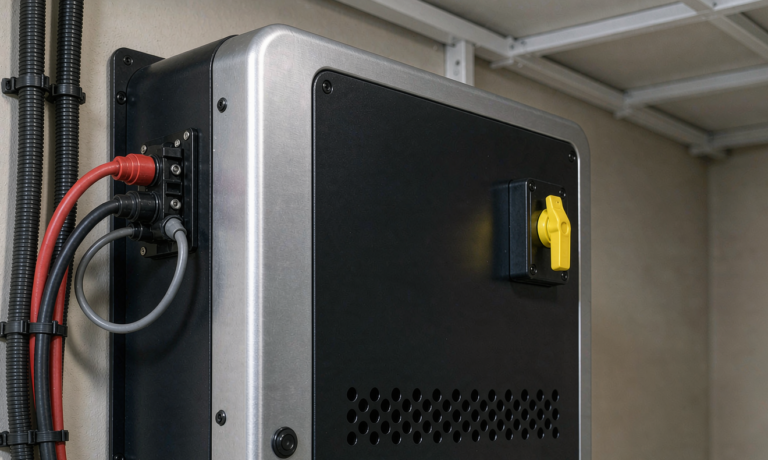
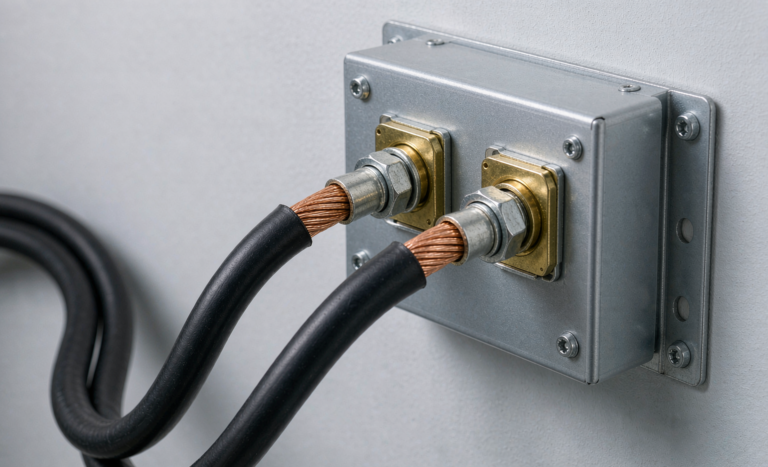
Some signs mean stop and call a qualified technician: a swollen or hot enclosure, a burning smell, audible relay chatter, or any error the app cannot clear with a reboot. I also recommend a professional inspection every two to three years to torque connections, recalibrate the BMS, and confirm the grounding is intact. These visits are cheap insurance against a premature pack replacement that can cost several thousand dollars.
Expected Lifespan by Chemistry
LFP (lithium iron phosphate) is the workhorse of home energy storage for good reason: 6,000–10,000 cycles and excellent thermal stability. NMC lasts fewer cycles, around 1,000–2,000, but offers higher energy density in a smaller footprint. For most homeowners I recommend LFP because the cycle count maps directly to a 10–15 year service life, which aligns with the mortgage-period thinking most families use. Whatever the chemistry, the maintenance habits above determine whether you reach the top of that range or fall short.
My Top Five Lifespan Rules
If you remember nothing else, remember these: keep the pack cool, avoid sitting at 100% for long periods, limit depth of discharge to 80%, run the quarterly visual check, and watch state of health rather than just state of charge. Follow those and your home battery backup will still be earning its keep a decade from now.
Cell Balancing and Why It Matters
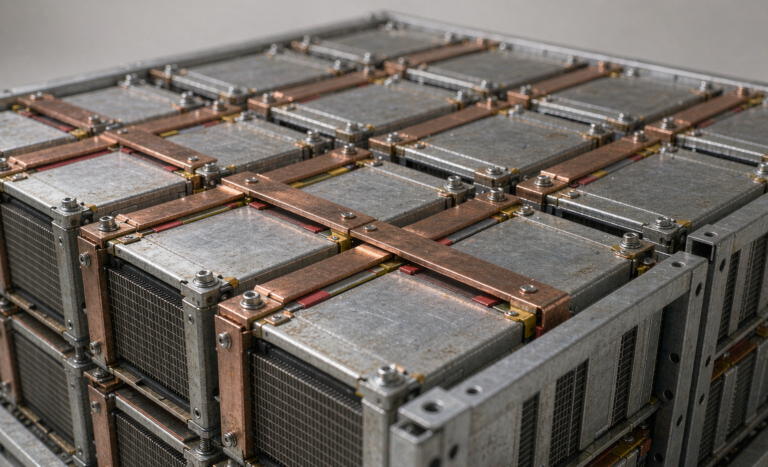
Inside a battery cabinet, many cells are wired in series, and no two age identically. Over time small differences in self-discharge and capacity cause the cells to drift apart in voltage. The battery management system performs passive or active balancing to pull them back together, but balancing only happens effectively within a certain state-of-charge window. If a pack is perpetually shallow-cycled between 60% and 80%, the BMS may rarely get the chance to balance, and a weak cell eventually drags the whole string down. I advise owners to let the system occasionally run a fuller charge to 90–100% so balancing can complete. A well-balanced home energy storage battery delivers its rated capacity faithfully; an unbalanced one shows mysterious early cutoffs.
Keep the Firmware Current
Modern residential battery storage inverters and BMS units are software-defined devices. Manufacturers ship firmware updates that improve charge algorithms, fix communication bugs, and sometimes unlock safer thermal limits. I treat firmware like smoke-detector batteries: check it twice a year. A system running three-year-old firmware may be leaving both lifespan and safety margin on the table. The update process is usually a ten-minute task in the app, and I log the version during every professional inspection.
Dust, Ventilation, and the Physical Environment
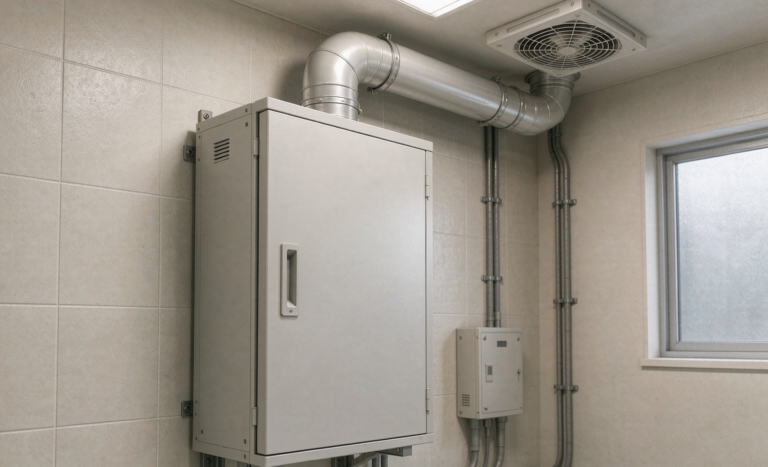
Batteries are forgiving of neglect but not of a hostile environment. Dust accumulation on vents raises operating temperature, and a cabinet crammed into a sealed closet with no air exchange slowly cooks itself. I specify a minimum clearance around the enclosure and confirm there is a path for passive or active airflow. In humid climates, a small desiccant pack or a humidity-controlled room prevents terminal corrosion, which is a leading cause of intermittent high-resistance connections. The physical environment is part of home battery maintenance and lifespan whether or not the owner thinks about it daily.
Warranty Traps to Avoid
Most warranties are written around specific conditions, and owners accidentally void them all the time. Common traps include exceeding the rated continuous discharge, installing the unit in an unlisted location, or letting an unqualified person open the enclosure. I walk every client through the exact boundaries of their coverage and keep a copy of the test reports on file. A home energy storage system that is maintained within its rated envelope not only lasts longer—it stays inside the warranty that protects the investment.
Seasonal Maintenance: Winter and Summer
The seasons ask different things of your battery. In winter, the risk is cold charging and reduced available capacity; I make sure the enclosure stays above freezing and that the BMS permits charge only when cells are within their safe temperature window. In summer, heat is the enemy, so I check that ventilation is clear of cobwebs and that nothing has been stored against the cabinet. A five-minute seasonal walk past the unit, once in spring and once in autumn, catches most problems before they become outages. This rhythm is the backbone of reliable home battery maintenance and lifespan discipline.
Recycling and End-of-Life Planning
No battery lasts forever, and planning for end-of-life is part of protecting the investment. Lithium cells are highly recyclable—cobalt, nickel, lithium, and copper can be recovered—and reputable home energy storage providers offer take-back programs. I advise owners to note the recycler’s contact details in the same file as the warranty, and to schedule replacement before capacity falls below 70% so the home is never caught short. A planned, orderly swap is far cheaper and safer than an emergency replacement after a failure.
Frequently Asked Questions
How often should I service my home battery?
A visual homeowner check every three months plus a professional inspection every two to three years is the schedule I recommend. The quarterly check is mostly observation—no tools required—while the professional visit handles connection torque, BMS recalibration, and grounding verification.
Should I keep my battery at 100% charge when not in use?
No. Storing or floating at 100% accelerates calendar aging. For a home energy storage system that is grid-connected, I set the upper limit to about 90% and let the last 10% be reserved. If you are leaving the home for an extended period, a 50–60% state of charge is the gentlest storage point.
Does heat really shorten battery life that much?
Yes, measurably. Every 10 °C above the 25 °C sweet spot roughly doubles the rate of chemical breakdown inside the cell. A pack in a cool utility room will outlast an identical pack in a hot attic by years. Location is a maintenance decision, not just an installation detail.
How do I know when my battery is wearing out?
Track state of health in your monitoring app. A slow, steady decline of 1–2% per year is normal aging. A sharp drop, repeated shallow capacity, or persistent imbalance between cells means it is time for a professional diagnostic before the issue voids your warranty.