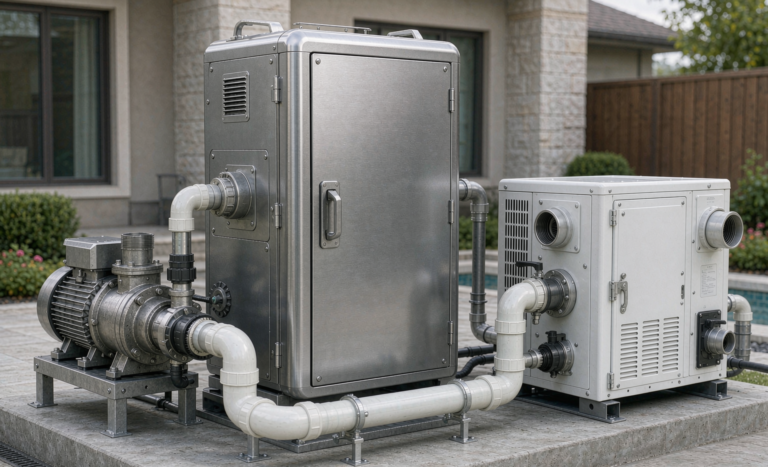
Home Battery Backup vs Generator: A Practical Comparison
When the grid goes down, every homeowner asks the same practical question: what keeps the lights on, the fridge cold, and the internet running? As Karl Huang, Senior lithium battery Engineer at Horizon Power, I have spent more than twelve years designing lithium battery packs and home energy storage systems for families that simply cannot afford to lose power. In almost every consultation, one comparison dominates the conversation: home battery backup vs generator. They are often pitched as rivals, but in engineering terms they are two very different tools. A home battery backup stores electricity in advance and releases it instantly and silently, while a generator burns fuel to manufacture power on demand. In this article I will walk you through the real-world differences I see in the field response time, noise, maintenance, lifespan, and total cost so you can make a decision based on physics, not marketing.
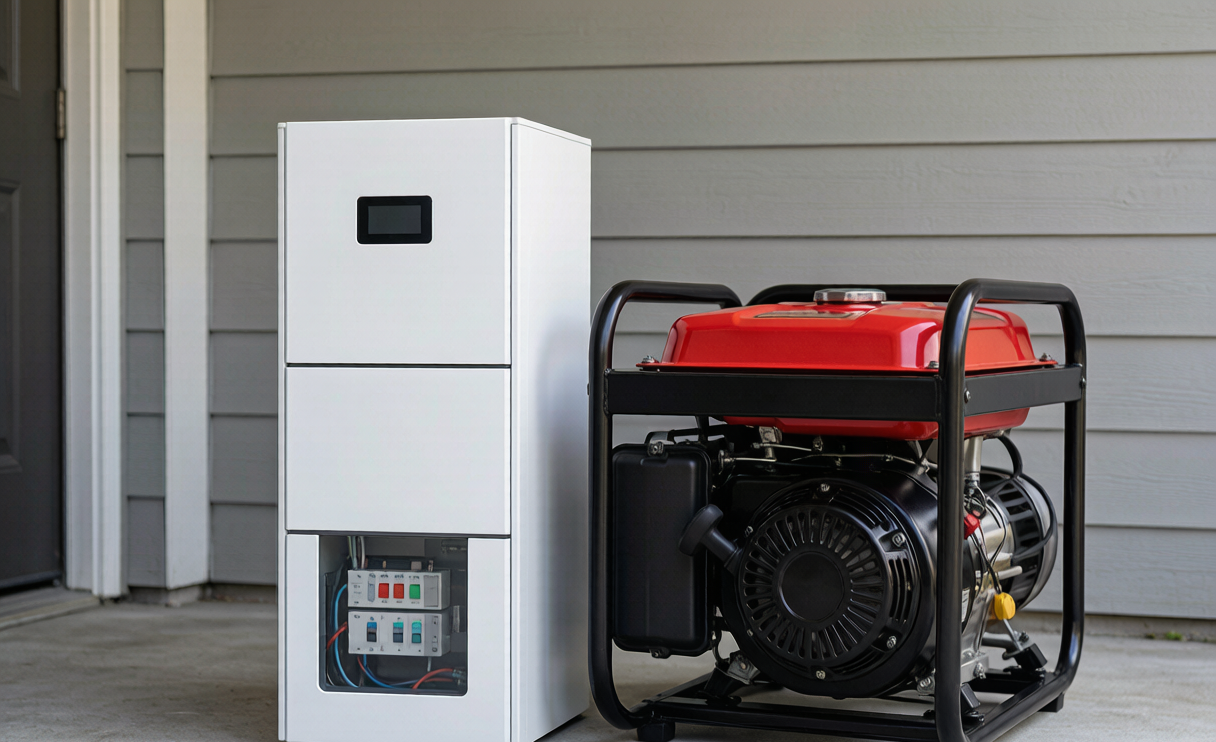
How a Home Battery Backup and a Generator Actually Work
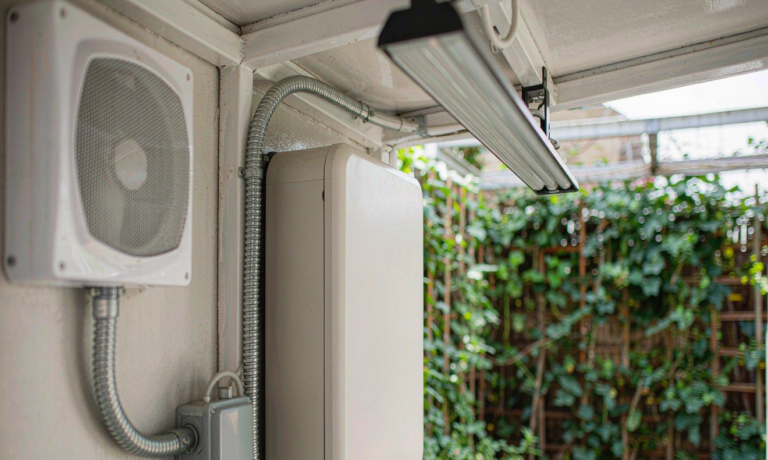
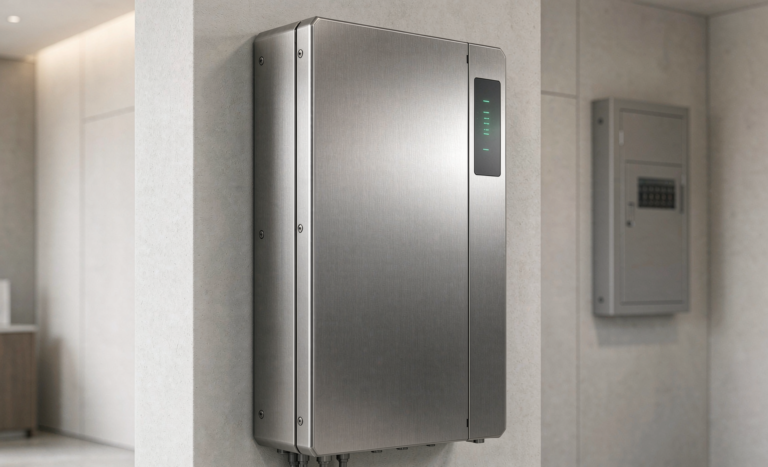
A home battery backup is, at its core, a bank of rechargeable cells usually built on LFP battery chemistry paired with an inverter and a battery management system. During normal operation it charges from the grid or from rooftop solar, and the moment the grid fails, the inverter switches to battery power in a fraction of a second. Because the energy is already stored, there is no combustion, no warm-up, and no moving parts under load beyond the cooling fans.
A generator is the opposite. It is an internal combustion engine coupled to an alternator. It produces electricity only while running, which means it needs fuel, oil, a starter, and a few seconds to spin up. In a home battery backup vs generator decision, this single architectural difference explains most of the performance gap you will feel during an outage.
Response Time: Who Keeps the Lights On First
This is where residential battery storage wins decisively. A properly configured home energy storage battery with a hybrid inverter transfers in 10 to 20 milliseconds, far faster than the appliances themselves can notice. Your router, clocks, and medical devices never blink.
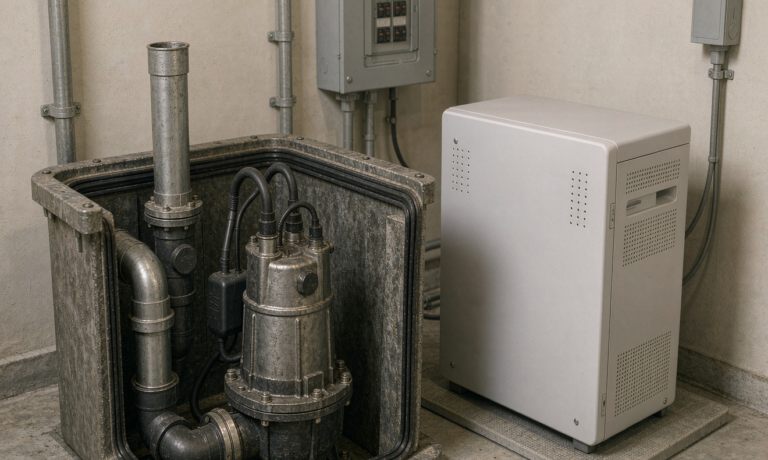
A standby generator typically takes 10 to 30 seconds to detect the outage, start the engine, and stabilize output. A portable generator is slower still because a human has to haul it out, add fuel, pull the cord, and plug in cords. If you rely on a sump pump or a medical device, those lost seconds matter. From an engineer’s perspective, the home battery backup vs generator gap here is not marginal it is the difference between seamless and interrupted.
Noise, Emissions, and Where You Can Safely Run Them
A lithium battery system is silent. The only sound is a faint fan under heavy load. You can place home energy storage indoors in a garage or utility room because there are no fumes.
A generator is loud, often 60 to 80 decibels at the operating distance, and it produces carbon monoxide. Building codes require generators to run outdoors, far from windows, with automatic CO shutoff. In cold climates the engine can be hard to start, and fuel stored for months can go stale. When I explain home battery backup vs generator to families with kids or elderly relatives, the air-quality and noise argument alone often settles it.
Maintenance and Operating Cost Over Ten Years
People underestimate generator upkeep. You must run it monthly, change oil, replace spark plugs, stabilize fuel, and test the transfer switch. Over a decade that is real labor and real money, plus the recurring cost of gasoline or propane every time the power fails.
A home energy storage battery is comparatively boring to own. The LFP battery chemistry is exceptionally stable, and a quality system needs little more than occasional firmware updates and a visual inspection. There is no fuel to buy during a storm when stations are closed. In a strict home battery backup vs generator cost model, the battery wins on operating expense even if its upfront price is higher.
Lifespan, Degradation, and What Fails First
A modern residential battery storage unit built on LFP cells is rated for 6,000 to 10,000 cycles, which translates to roughly 10 to 15 years of daily use before capacity drops to about 80 percent. Degradation is gradual and predictable. The inverter is the most likely component to need service.
A generator’s engine wears with every running hour. Even with perfect maintenance, after roughly 1,500 to 3,000 hours of operation most consumer units need a major rebuild. Because generators sit idle for long stretches and then run hard during an emergency, they are prone to failing exactly when you need them. The home battery backup vs generator reliability story favors the battery for households that value set-and-forget dependability.
Which One Should You Choose
My honest engineering recommendation is to start with a home battery backup sized to your critical loads: refrigeration, internet, lights, and medical equipment. Pair it with solar and you get silent, fuel-free resilience every evening. If you live in an area with multi-day outages or you need to run heavy 240-volt loads like a well pump or central AC for long stretches, a generator remains a useful complement not a replacement. Many of my clients end up with both: the lithium battery handles the silent instant handoff, and the generator covers extended, high-draw emergencies. Thinking about home battery backup vs generator as an either-or question misses the point; the smart design layers them.
Frequently Asked Questions
Is a home battery backup cheaper than a generator over time?
Upfront, a generator is usually cheaper to buy. Over ten years, the home battery backup vs generator math flips because batteries have near-zero fuel cost and minimal maintenance, while generators burn fuel and need regular service. For most households the battery is cheaper in total cost of ownership.
Can a home battery backup power my whole house?
It depends on sizing. A typical home energy storage battery covers critical circuits seamlessly. To run everything including central air, you need a larger residential battery storage bank or a generator for the peak loads. I always size to critical loads first.
Do generators last longer than lithium battery systems?
Not in practice. A generator engine degrades with running hours and can fail during an outage. An LFP battery degrades slowly and predictably over a decade or more. In reliability terms, home battery backup vs generator is usually a win for the battery.
Can I use both a battery and a generator together?
Yes, and I recommend it for storm-prone regions. The home energy storage battery gives instant silent coverage, and the generator extends runtime for multi-day events. A hybrid inverter can orchestrate both automatically.