Home Energy Storage Inverter Selection
As a senior lithium battery engineer at Horizon Power, I have commissioned dozens of residential systems, and the inverter is consistently the component homeowners underestimate. People obsess over the battery capacity, then bolt on the cheapest inverter they can find—only to discover their microwave trips it, or their solar yield drops because the inverter wastes a tenth of every kilowatt. Proper home energy storage inverter selection is what separates a system that quietly pays for itself from one that becomes a service call every season.
Why the Inverter Matters as Much as the Battery
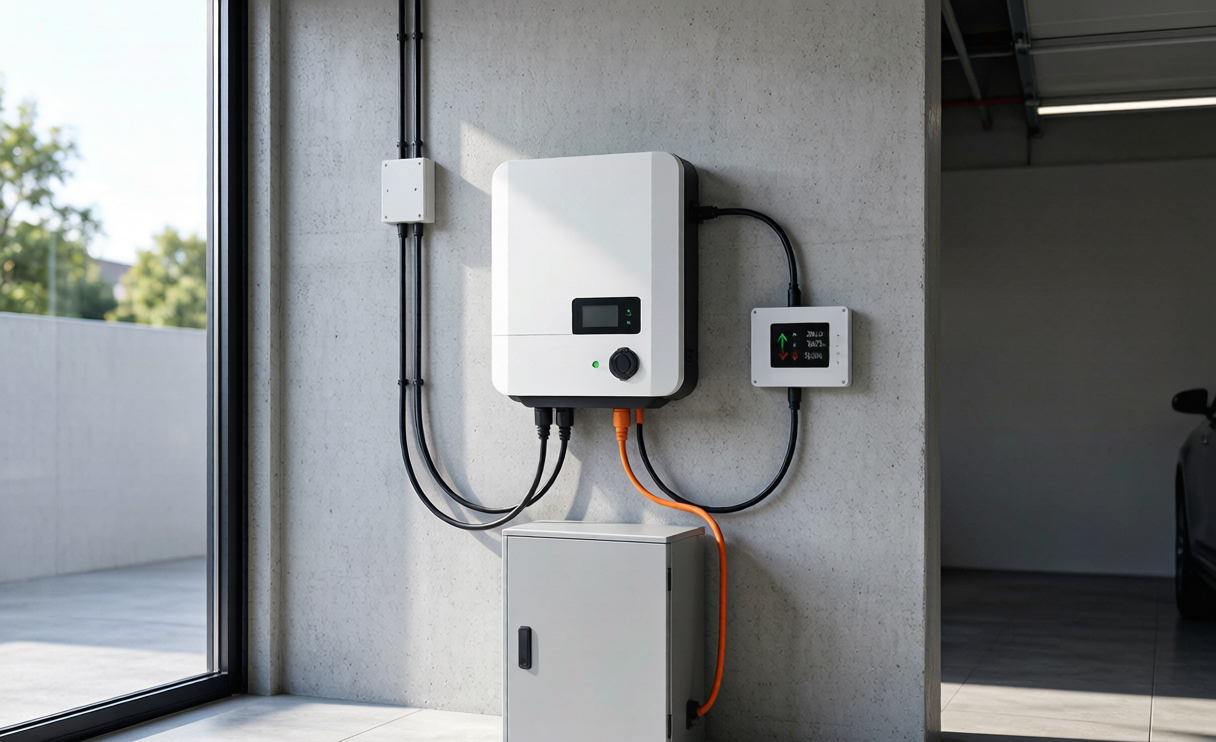
A home energy storage system is only as good as the device converting DC battery power into the 120/240 V AC your appliances expect. The inverter sits between your home energy storage battery and every load in the house. If it is inefficient, undersized, or poorly matched to the chemistry, you lose energy at the exact moment you need it most. In my commissioning reports I treat inverter specification as a first-class engineering decision, not an afterthought.
Pure Sine Wave and Waveform Quality
Always specify a pure sine wave inverter. Cheap modified sine wave units distort the AC waveform, which heats inductive loads like refrigerator compressors and motor-driven pumps, shortening their life. A quality pure sine wave inverter delivers clean power indistinguishable from the grid. I have measured compressor windings running 15–20 °C cooler on pure sine output—a real, measurable difference in appliance longevity.
Continuous vs Surge Power Rating
The two numbers that matter most are continuous watts and surge watts. Continuous is what the inverter sustains all day; surge is the brief overload it can handle for a few seconds when a motor starts. A well pump or air conditioner can draw 3–5× its running power for the first half-second. I size the inverter so its surge rating comfortably exceeds the largest motor start in the home, with at least 20% headroom. Undersizing here is the most common cause of nuisance tripping I am called to fix.
Efficiency Curves and What They Cost You
Datasheets love to quote a single peak efficiency—often 95% or 97%. But your system rarely runs at that one perfect load point. What matters is the efficiency curve across the real operating band, especially at low loads when the home is drawing only a few hundred watts overnight. A home energy storage system with a poor low-load efficiency can waste 10–15% of stored energy while the house sleeps. I always request the full curve, not the headline number.
In one audit I measured two otherwise identical inverters: both claimed 96% peak, but the better unit held 94% down to 200 W while the cheaper one dropped to 88%. Over a year of nighttime home battery backup use, that 6-point gap translated into roughly 120 kWh of lost energy—enough to matter on a tight payback calculation. The curve, not the peak, is the honest number.
Hybrid, Off-Grid, or Grid-Tied?
The topology dictates the entire balance of system. A grid-tied inverter feeds excess solar back to the utility and shuts down during an outage for safety. An off-grid inverter runs the home independently and must handle 100% of the load. A hybrid inverter does both—it manages solar, battery, grid, and loads simultaneously, and is my default recommendation for residential battery storage because it gives the owner maximum flexibility as tariffs and incentives change.
Compatibility With Your Home Energy Storage Battery
Not every inverter speaks the same language as every battery. Voltage window, communication protocol, and charge profile all have to line up. A 48 V LFP battery bank wants an inverter tuned to its 44–56 V operating window and a charge curve that respects the 3.65 V per-cell ceiling. Mismatched settings are how packs get overcharged or left chronically undercharged. When I design a home battery backup for a client, I verify the inverter’s charge algorithm against the cell datasheet before a single cable is landed.
Safety Certifications I Require
For any system connected to a home, I require inverters bearing UL 1741 (or the equivalent IEC 62109) listing, with certified anti-islanding protection so the unit cannot back-feed a dead grid and endanger utility workers. The battery side should clear UN38.3 transport and IEC 62133 cell safety. These are not optional checkboxes; they are the difference between a compliant installation and a liability.
Future-Proofing and Monitoring
A good inverter is also a data device. I look for units with open monitoring APIs, Wi-Fi or cellular logging, and firmware that the manufacturer actually maintains. The ability to see per-circuit consumption lets the owner fine-tune when the home energy storage battery discharges versus when the home draws from the grid. Three years from now, that visibility is what lets you adapt to new rate plans without swapping hardware.
My Practical Selection Checklist
When a homeowner asks me to shortlist inverters, I run this list: pure sine wave, surge rating above the largest motor start plus 20%, a flat efficiency curve down to 10% load, hybrid topology for flexibility, certified to UL 1741 / IEC 62109, and a verified charge profile for the specific battery chemistry. Nail those six and the inverter will disappear into the background—which is exactly what you want from infrastructure.
I also remind clients that the cheapest unit is rarely the cheapest over the system’s life. A $200 saving at purchase can become a $2,000 early replacement if the inverter fails inside five years. When I present options, I lead with the 15-year cost model rather than the sticker price, because that is the number that actually protects the investment in a home energy storage system.
Grounding, Wiring, and Why Installer Quality Matters
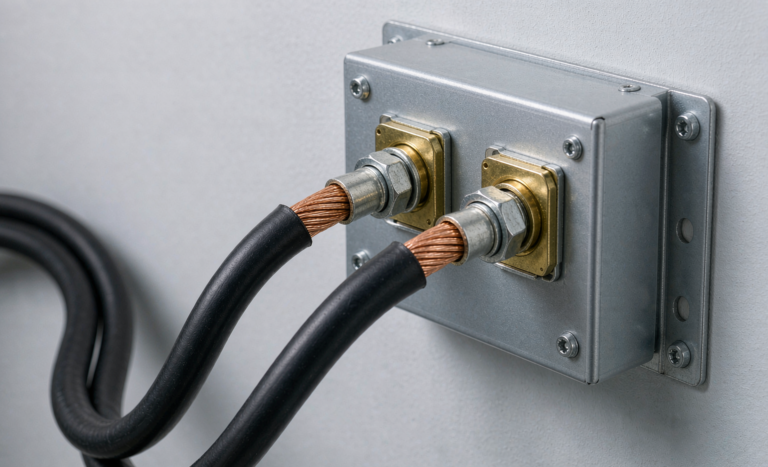
The best inverter in the world fails early if the installation is sloppy. I have seen perfectly good units destroyed by undersized DC cabling that cooked at the battery terminals, and by missing equipment grounding conductors that let a fault find a path through a person instead of the panel. Specifying the inverter is only half the job; the balance-of-system wiring, properly torqued lugs, and a clean grounding electrode all determine whether your home energy storage investment lasts a decade or three years. I always review the installer’s single-line diagram before commissioning.
Warranty and Expected Lifespan
Inverter warranties typically run 5–10 years, while a quality home energy storage battery is rated for 6,000–10,000 cycles. That mismatch means the inverter is usually the first component you replace. I factor one inverter swap into the 15-year cost model for every residential battery storage proposal, and I favor brands with a clear, transferable warranty and local service presence over the cheapest unit with a vague overseas support line.
Sizing the Inverter to Your Load Profile
The right inverter size starts from a load study, not a catalog. I list every circuit the homeowner wants on backup, note which run simultaneously, and separate motor loads from resistive ones. A typical essential-loads panel—refrigerator, lights, internet, a well pump—might total 2.5 kW continuous with a 6 kW motor-start surge. That points to a 5–6 kW hybrid inverter, not the 10 kW unit a salesperson might push. Oversizing wastes money and can even reduce part-load efficiency. A correctly sized home battery backup covers the real need without paying for phantom capacity.
Common Mistakes I See in the Field
Beyond undersizing surge, the recurring errors are ignoring the efficiency curve, mixing an inverter and battery that do not share a communication protocol, and skipping the grounding inspection. I have also seen systems where the inverter was mounted in direct sunlight on a south wall—guaranteeing thermal throttling every summer afternoon. Treating home energy storage inverter selection as a systems problem rather than a single purchase prevents all of these. The inverter, battery, wiring, and site are one organism, and the weakest link sets the system’s real performance.
Frequently Asked Questions
Can I reuse my existing solar inverter with a new battery?
Sometimes. If your current inverter is grid-tied only, it will shut down during an outage and cannot orchestrate battery discharge. You would need either an AC-coupled battery inverter or a replacement hybrid unit. I evaluate the existing equipment before recommending a path, because a clean AC-coupling retrofit is often cheaper than a full swap.
How big an inverter do I need for whole-house backup?
Add up the continuous wattage of everything you want running simultaneously, then add the surge from the largest motor-driven load. For most homes a 5–10 kW hybrid inverter covers essentials, while full whole-house coverage may need 12–15 kW. A well-specified home battery backup paired with thoughtful load management usually outperforms simply buying the biggest inverter on the shelf.
Does inverter efficiency really affect my payback period?
Yes, directly. A 5% loss at the inverter compounds across every cycle—every sunny afternoon of solar charging and every evening of discharge. Over a decade that lost energy can add up to a meaningful fraction of the system’s cost. This is precisely why home energy storage inverter selection deserves the same rigor as the battery itself.
What certification proves an inverter is safe for home use?
Look for UL 1741 in North America or IEC 62109 internationally, plus confirmed anti-islanding behavior. Pair that with a battery cleared to UN38.3 and IEC 62133, and you have the regulatory baseline a licensed electrician will expect at inspection.