Home Energy Storage Safety and Installation Best Practices
residential battery storage has moved from a niche enthusiast project to a mainstream home upgrade, and with that growth comes a hard truth I repeat to every homeowner: a home energy storage system is a permanently installed electrical appliance holding enough energy to do real damage if installed carelessly. As a senior lithium battery engineer at Horizon Power, I have reviewed both beautifully executed installs and alarming ones. This article is the field guide I wish every installer and homeowner would read before a single screw goes in.
Why Installation Quality Drives Safety
A home energy storage system pairs a lithium battery with high-power inverters and, often, a grid connection. The battery chemistry itself — almost always LFP in modern residential units — is intrinsically safe. The risk comes from everything around it: wrong wiring, poor ventilation, missing isolation, and untrained hands. Good installation turns a safe chemistry into a safe system.
Choose the Right Location
Location is the first safety decision and the hardest to fix later. We recommend:
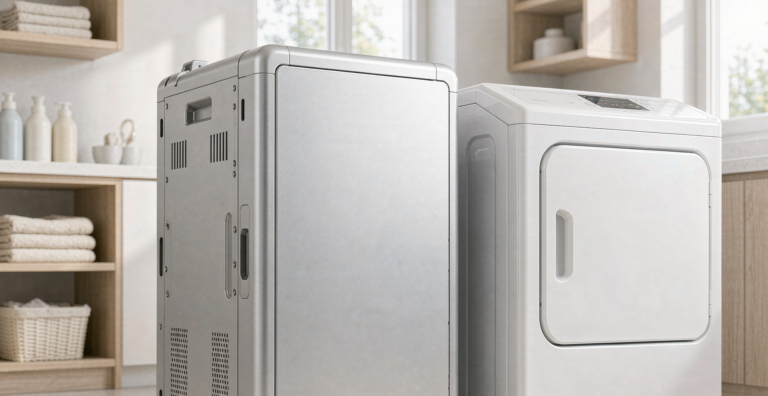
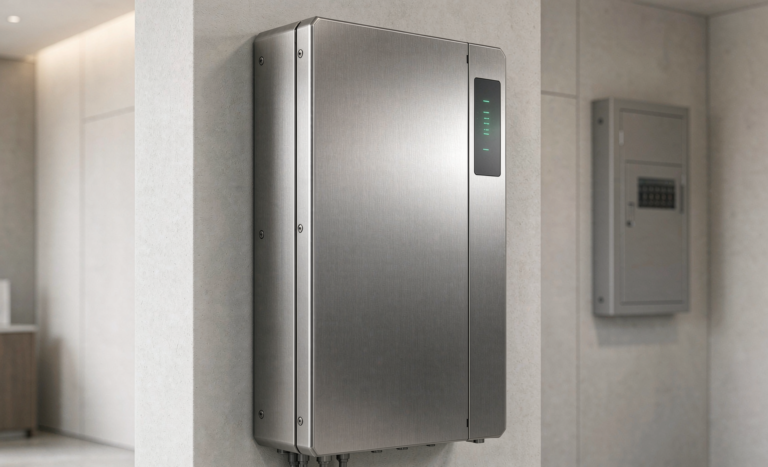
- Garage or utility room walls — away from living spaces and ignition sources, with the unit mounted on a non-combustible backing.
- Temperature control — keep the operating ambient between 0°C and 40°C. A freezing garage in winter or a baking attic in summer both shorten life and strain the BMS.
- Clearance — maintain the manufacturer’s specified clearance, typically 30 cm to 50 cm around the unit for airflow and service access.
- Height — wall-mounted units should sit at a height that keeps terminals out of easy reach of children and above potential floor flooding.
We do not recommend installing residential battery storage in habitable bedrooms or directly beneath living areas where a fault would be hardest to reach.
Electrical Isolation and Bonding
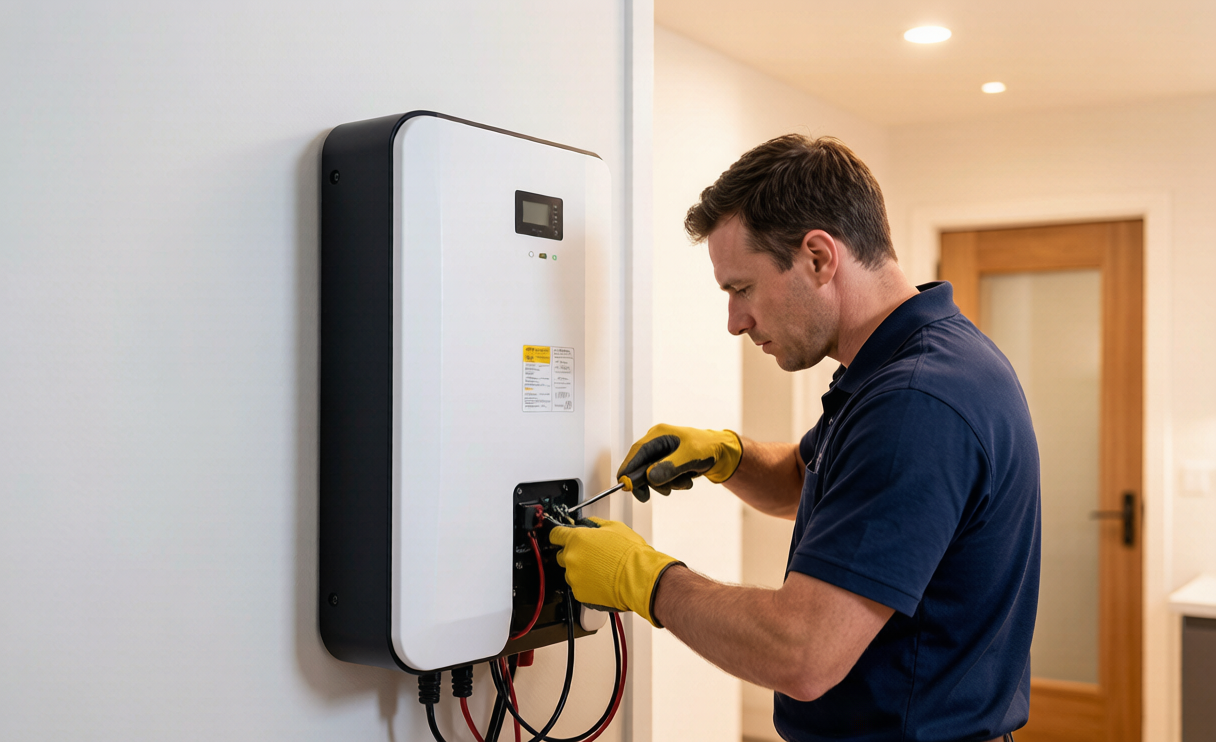
The single most common defect I see in field photos is missing or inadequate isolation. A safe home battery backup install includes:
- A dedicated circuit breaker sized to the inverter’s maximum input current, not a borrowed outlet.
- Proper grounding and bonding of the enclosure to the home’s earthing system.
- A certified isolation switch that lets a first responder or technician disconnect the battery from both grid and load in one action.
- Correct torque on every lug — loose connections are the leading cause of resistive heating and thermal events.
Ventilation and Thermal Runaway Containment
Although LFP is far more stable than older chemistries, any lithium cell can fail under abuse. The install must assume the worst case:
- Provide passive ventilation so a cell off-gassing can dissipate rather than accumulate.
- Keep flammable materials at least a meter from the unit.
- Where local code requires it, integrate the battery alarm with the home smoke detection and suppression plan.
A well-designed home energy storage battery enclosure already includes internal cell fusing and a BMS that disconnects on over-temperature or over-voltage. The install adds the external layer: isolation, ventilation, and clearance.
Compliance and Certified Components
Residential systems must satisfy several layers of certification. The cells inside carry UN38.3 transport safety and IEC 62133 cell safety certification. The complete stationary system should meet the relevant IEC 62619 / IEC 63056 industrial and stationary battery standards, and the inverter must carry the local grid-compliance mark. As a lithium battery manufacturer, we ship documentation packs so the installer can present proof at inspection.
Equally important: the installer should be licensed for energy storage in your jurisdiction. Grid-tied systems especially require utility-approved interconnection to avoid back-feeding the grid during an outage — a dangerous condition for line workers.
Commissioning and First Power-On
Commissioning is not “plug it in and hope.” A proper first power-on sequence:
- Verify all torque values and insulation resistance with a megger before energizing.
- Power the BMS and confirm cell voltages are balanced within spec (typically under 30 mV spread).
- Run a controlled charge-discharge cycle to confirm the inverter and battery communicate and the state-of-charge reads correctly.
- Test the isolation switch and the grid-loss transfer if the unit provides home battery backup.
Ongoing Safety Habits
Safety does not stop at commissioning. Homeowners should:
- Keep the unit’s vents unobstructed year-round.
- Check the monitoring app monthly for unusual temperature or state-of-health drops.
- Have a licensed technician inspect the system every two to three years.
- Never attempt DIY repairs on the high-voltage enclosure.
If you are specifying a custom battery solution for a unique home layout — an off-grid cabin, a workshop, or a multi-unit building — bring the floor plan and load list to the design stage so safety is engineered in, not bolted on.
FAQ
Where should I install a home battery?
Prefer a garage or utility room on a non-combustible wall, in a temperature-stable space between 0°C and 40°C, with the manufacturer’s specified clearance for airflow and service. Avoid bedrooms, living areas directly above, and unattended attics.
Can I install a home battery myself?
For grid-tied systems, no — use a licensed energy-storage electrician. The high-voltage DC enclosure, grounding, isolation switch, and utility interconnection all require certified work. DIY risks both safety and your warranty or insurance.
What certifications should a safe home energy storage system have?
Look for UN38.3 and IEC 62133 on the cells, IEC 62619 / IEC 63056 on the stationary system, and a compliant inverter mark for your region. The installer should provide this documentation at inspection.
How often does a home battery need maintenance?
Minimal: keep vents clear, glance at the monitoring app monthly, and schedule a licensed inspection every two to three years. The BMS handles balancing automatically, but physical and electrical checks catch problems the firmware cannot.