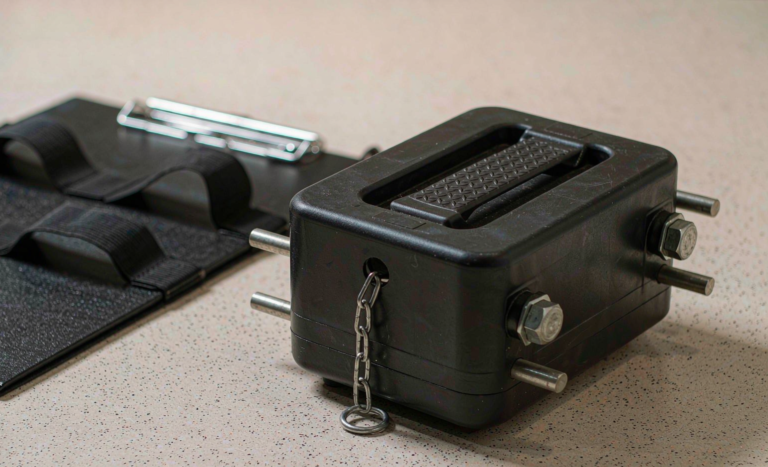
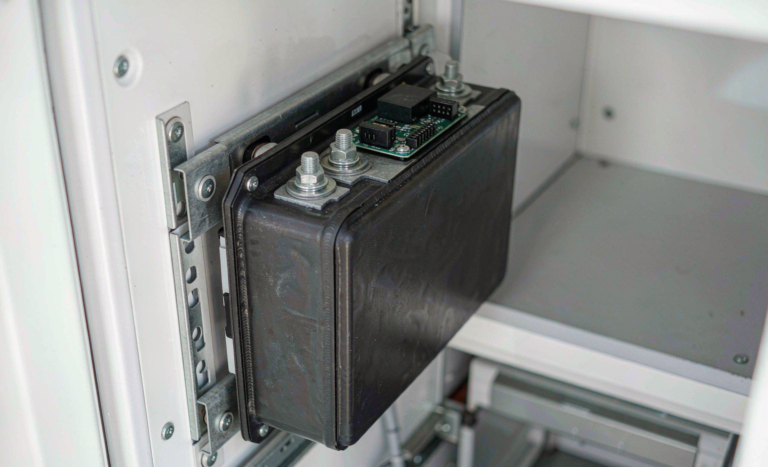
Lithium Battery for Emergency Lighting and Exit Systems
As a senior lithium battery engineer at Horizon Power, I have spent the better part of a decade designing backup power systems that people only notice when everything else fails. Emergency lighting and exit systems are exactly that kind of invisible infrastructure — you walk past them every day, and the first time their performance actually matters is during a fire, a blackout, or a building evacuation. In this guide I want to walk you through how a lithium battery emergency lighting exit system is engineered to meet code, survive years of standby, and deliver the lumens it promises the moment the mains drop out.
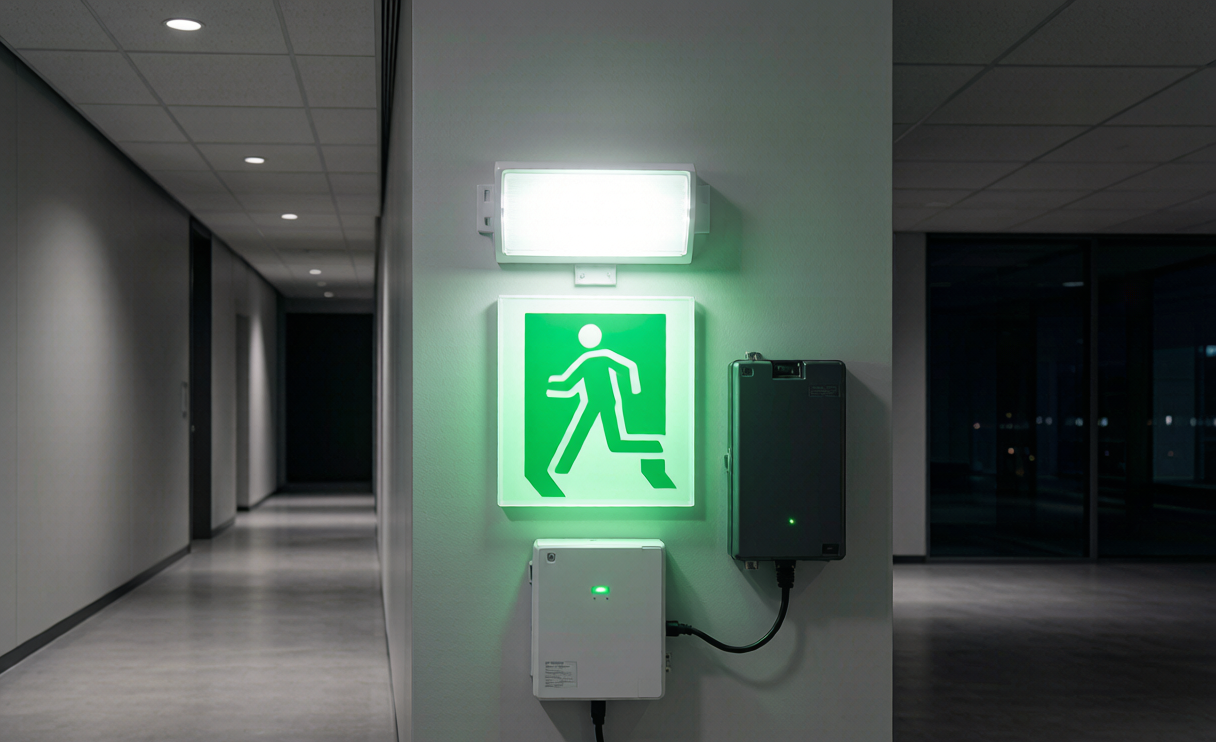
Why Lithium Replaced Nickel-Cadmium in Emergency Lighting
For years, Ni-Cd cells were the default inside emergency ballasts. They were cheap, tolerant of abuse, and easy to source. But in the field they came with three problems that kept showing up in every audit I ran: memory effect, high self-discharge, and a nasty tendency to vent if they were never exercised. A lithium battery changes that equation. A modern LiFePO4 or NMC cell holds charge for months on standby, loses almost nothing to self-discharge, and delivers a flat discharge curve that keeps the LED driver happy right up to the cutoff.
The practical consequence is simple: a lithium battery pack rated for 90 minutes of emergency runtime often still reads 30 minutes of margin a week after a full discharge test, whereas an aging Ni-Cd pack could fall short by the second test. For facility managers, that margin is the difference between passing an inspection and evacuating a floor.
There is also a total-cost-of-ownership argument I make with every skeptical procurement officer. Ni-Cd looks cheaper on the purchase order, but it wants replacement every three to five years and its self-discharge means more frequent manual testing labor. A lithium battery that quietly lasts a decade flips that math. Over a 200-fixture building, the lithium route typically pays back its premium inside four years and then keeps saving on labor and callouts.
The Standards That Govern a Compliant System
You cannot ship or install an emergency luminaire on vibes. The regulatory stack is thick, and I keep a checklist pinned above my bench. In North America the backbone is UL 924 for emergency lighting equipment, layered on top of NFPA 101 (Life Safety Code) for egress requirements. In Europe you are working to EN 1838 for lighting levels and IEC 62034 for automatic test systems. The luminaire itself usually carries IEC 60598 or the equivalent regional mark.
Then there is the cell-level safety that lets the whole assembly be certified: UN 38.3 for transport, IEC 62133 for portable cell safety, and IEC 62619 for industrial battery safety. When a client asks me whether a lithium battery emergency lighting exit system is “safe enough,” my answer is always the same — it is as safe as the sum of those certificates, and I will not sign off without every one of them on file.
Sizing the Battery Pack: Runtime, Capacity, and Margin
Sizing starts with the code minimum. Most jurisdictions demand at least 90 minutes of illumination at a defined lux level on the escape path. I never design to exactly 90 minutes. I size the lithium battery pack for 120 minutes at the worst-case LED forward voltage, then derate another 20% for cell aging at end of life. That gives the building a real safety buffer and gives the owner paperwork that survives a skeptical inspector.
Capacity math is straightforward but unforgiving. If a fixture pulls 1.2 W at 3.7 V, that is roughly 0.32 A. Ninety minutes is 0.48 Ah, plus driver losses and conversion inefficiency you are realistically at 0.7 Ah. I round to a 1.0 Ah cell so the pack lives in its comfortable mid-state-of-charge band and the BMS is not constantly fighting the edge of discharge. A well-specified custom battery solution leaves headroom; a cheap one lives on the cliff.
The Charge and Self-Test Architecture That Keeps You Legal
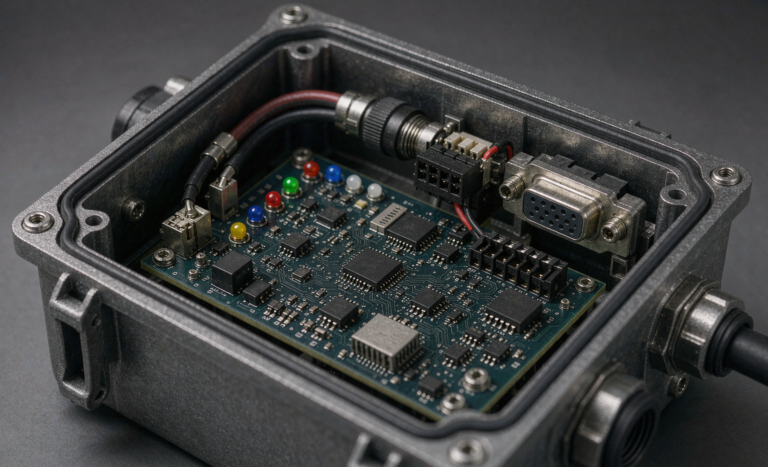
A lithium emergency light is only as trustworthy as its self-test routine. Modern fixtures embed a microcontroller that runs the IEC 62034 automatic test — a short functional check monthly and a full 90-minute discharge test annually, with the result logged and the fault flagged on the luminaire. I design the charge stage around a constant-current / constant-voltage profile with a tight 4.2 V or 3.65 V (LiFePO4) cutoff, plus overtemperature foldback so the pack never charges hot.
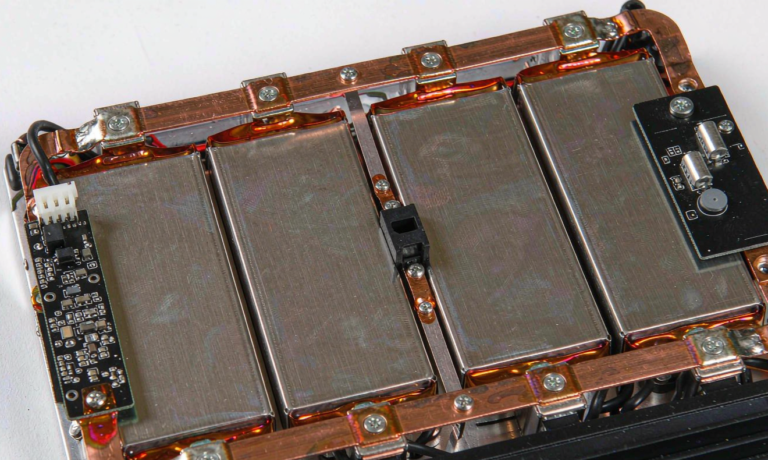
The BMS is the unsung hero here. It watches every cell in the lithium battery string, balances on float, and opens the load if it sees an overcurrent or a cell drift beyond tolerance. When a building manager tells me “the light just knew it failed,” that is the BMS doing its quiet job — and it is exactly why I refuse to build a system without one.
Thermal and Installation Reality in Real Buildings
Datasheets are written at 25°C. Buildings are not. Exit signs sit near ceilings where heat collects, and battery compartments in cold-climate stairwells can drop toward freezing. Lithium chemistry copes far better than Ni-Cd, but I still specify an operating window of -10°C to +55°C for the cell and design the enclosure so heat from the LED engine does not cook the lithium battery pack. Ventilation slots, thermal pads, and a separation wall between driver and cells are standard in my drawings.
Installation matters as much as the cell. I tell contractors to keep emergency batteries out of direct sunlight and away from the heat riser, and to label the branch so a future retrofit does not accidentally put the backup on the same failed circuit it is meant to survive. A lithium battery emergency lighting exit system that shares a breaker with the mains it backs up is not a backup at all.
Maintenance, Logging, and Commissioning
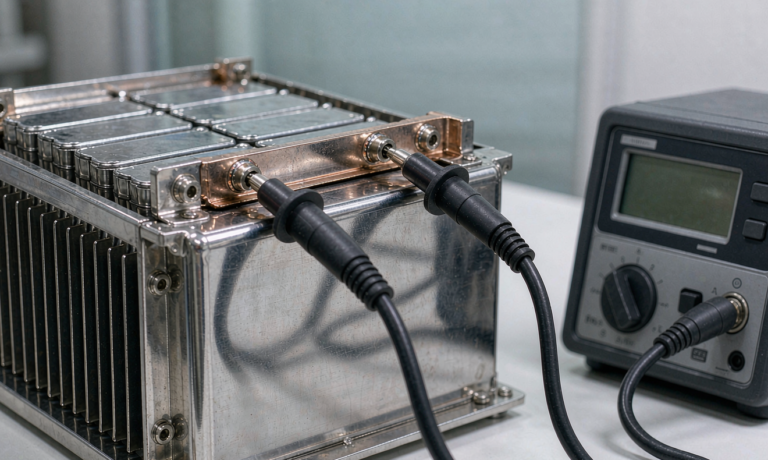
Certifying a system on day one is easy; keeping it honest for ten years is the real engineering. At commissioning I require a documented full-duration discharge on a sample of fixtures, a check that every luminaire logs its self-test result, and a baseline capacity reading stored against the asset register. Annual IEC 62034 tests then trend the pack down so we can predict replacement instead of discovering failure during an actual emergency.
I also push clients toward centralized logging. A standalone exit sign that only blinks a red LED when it fails is a blind spot; a networked lithium battery emergency lighting exit system that reports test history to a building management dashboard turns compliance from a scramble into a routine export. The BMS data — cell voltages, temperature, charge cycles — becomes the audit trail that satisfies insurers and fire officers alike.
Specifying a Custom battery solution for Your Project
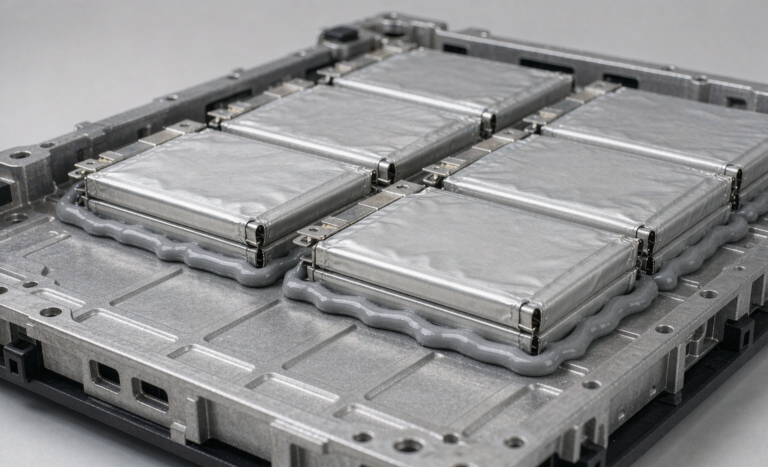
Off-the-shelf packs fit 80% of jobs, but hospitals, tunnels, and high-bay warehouses usually need a custom battery solution. When a client comes to me for one, I start with four questions: required runtime, ambient temperature range, available enclosure volume, and the certification body they answer to. From there I pick the chemistry (LiFePO4 for cycle life and safety, NMC where energy density wins), lay out the series-parallel topology, and model the pack in our cell database before a single sample is built.
The deliverable is not just a lithium battery; it is a documented assembly with a test report, a UN 38.3 dossier, and a maintenance schedule. That is what lets the system sail through commissioning and keep performing for the decade of service life the owner paid for.
Frequently Asked Questions
How long must emergency lighting stay on during a power failure?
Most codes require a minimum of 90 minutes of illumination on the escape route at the specified lux level. I design for 120 minutes plus aging margin so the system still clears the legal bar at end of life. The runtime of a lithium battery emergency lighting exit system is set by pack capacity, LED load, and driver efficiency, all of which should be verified by a full discharge test.
Can I retrofit an existing fixture with a lithium battery pack?
Often yes, provided the luminaire accepts a self-contained emergency module and the new lithium battery pack fits the compartment with clearance for the BMS. Retrofit kits must still meet UL 924 or the local equivalent, and the LED engine should be confirmed compatible with the emergency driver. I always review the original fixture datasheet before recommending a swap.
What is the typical service life of a lithium battery emergency lighting exit system?
A quality LiFePO4-based lithium battery in standby-dominated duty typically lasts 8 to 10 years, versus 3 to 5 for Ni-Cd. Because emergency lights discharge so rarely, calendar aging, not cycle aging, governs life. Regular self-testing under IEC 62034 catches end-of-life drift before it becomes a safety gap.
Are lithium emergency lights safe in high-occupancy buildings?
Yes, when built to standard. Certified cells (IEC 62133 / IEC 62619), a protective BMS, and compliance with UN 38.3 transport rules make a lithium battery emergency lighting exit system safe for schools, hospitals, and offices. The key is sourcing from a manufacturer that can show the certificates — not one that ships a bare pack and hopes for the best.