Home Energy Storage System Buying Guide for 2026
Why a Home Energy Storage System Matters in 2026
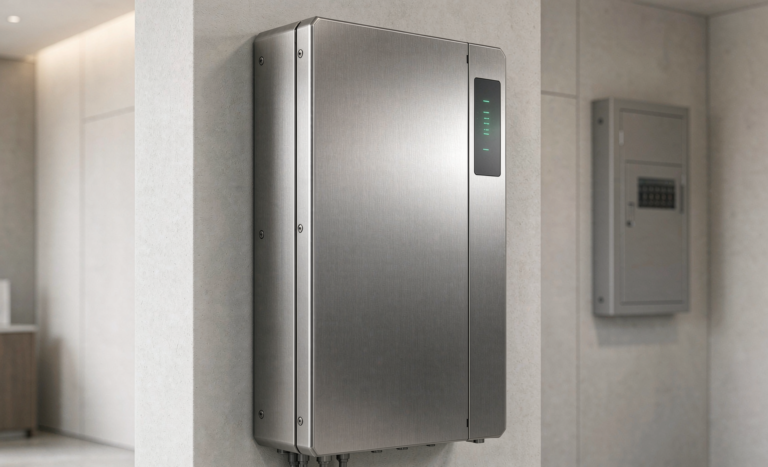
A home energy storage system has shifted from a niche upgrade to a core part of resilient households. As solar adoption widens and grid uncertainty grows, storing your own power is the practical answer. At Horizon Power we engineer the home energy storage battery modules behind many of these installs, and in this guide I will walk through what actually matters when you specify one.
1. Start With Your Load Profile
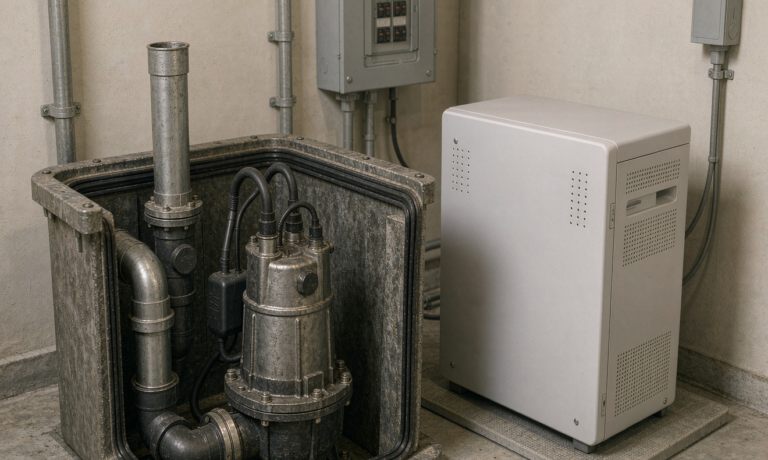
Before comparing brands, quantify the critical loads you must back up: fridge, lighting, router, sump pump, medical devices. Add their wattage and daily run-hours to get a kWh target. A typical home battery backup for essentials lands between 5 and 15 kWh; whole-house coverage pushes higher.
2. Chemistry: Why LFP Leads
For stationary storage, lithium iron phosphate (LFP) is the safe, long-life choice. Unlike high-energy NCM cells, an LFP battery tolerates high states of charge, runs cooler, and cycles for thousands of rounds. Most quality residential battery storage on the market in 2026 is LFP for exactly these reasons. If you are coming from portable lithium battery packs, the same chemistry discipline applies, just at larger scale.
3. Power Rating, Not Just Capacity
Capacity (kWh) is how much you can store; power (kW) is how fast you can draw it. A heat pump or well pump needs high surge. Match continuous and peak ratings to your largest motor starts, or your home energy storage will trip under load.
4. Stackability and Future Growth
Buy a stackable home energy storage architecture. Starting at 10 kWh and adding modules later is cheaper than oversizing on day one. Modular lithium battery pack design is where a good battery solution partner earns their fee.
5. Inverter and Integration
The battery is half the system; the inverter and BMS solution are the other half. Look for seamless switchover (under 20 ms), UL/IEC compliance, and a BMS that reports cell-level health. Our battery application solution teams routinely integrate third-party inverters for OEMs.
6. Safety and Installation
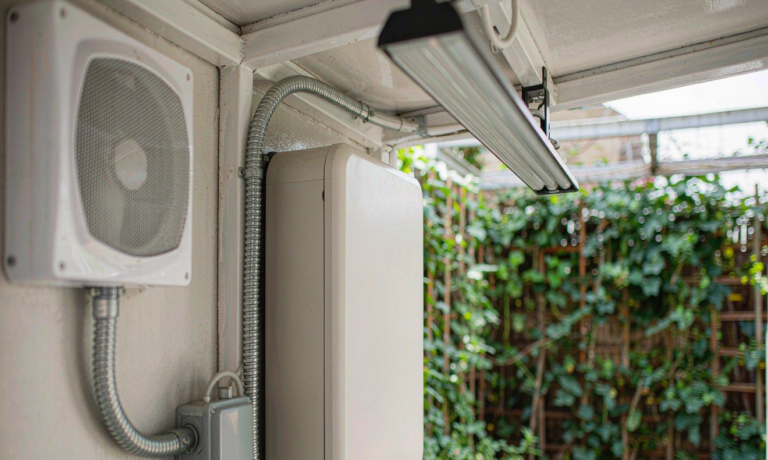
Install indoors in a temperature-stable, ventilated space. Keep clearances, use certified breakers, and commission with the manufacturer’s tool. A well-built home energy storage battery is safe, but only if installed to spec.
7. Warranty and Degradation
Expect 70% capacity retained at 10 years as a baseline. Verify throughput warranty (MWh) not just time. This is where lithium battery grade and thermal design separate premium from bargain.
Frequently Asked Questions
Is a home battery better than a generator?
For silent, low-maintenance backup with solar, yes. See our comparison of home battery backup vs generator.
Can I pair it with existing solar?
Almost always, through a hybrid inverter or AC-coupled battery.
What chemistry should I avoid?
Avoid unknown NCM for stationary use; LFP is the safer default.
As a lithium battery engineer, my rule is simple: size the load honestly, pick LFP, and buy stackable. That combination delivers a home energy storage system that still performs in year nine.