Home Energy Storage Time-of-Use Arbitrage
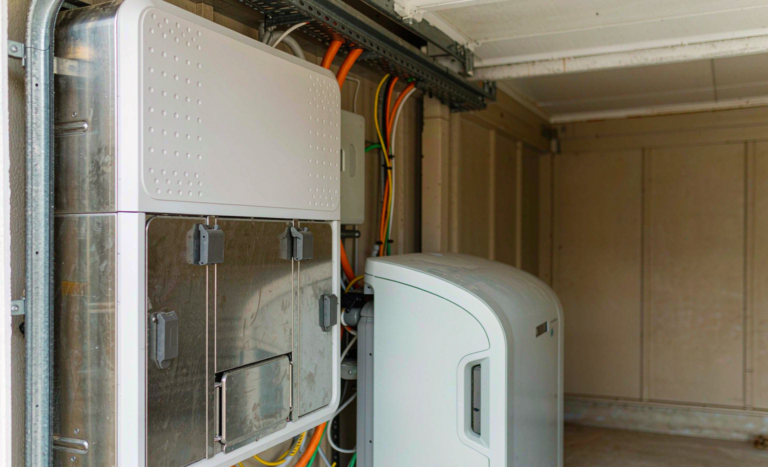
I still remember the first utility bill a client showed me after we installed their 13.5 kWh home energy storage system in Arizona. The solar array was already covering daytime loads, but the real surprise came from a line item most homeowners never look at: the evening peak rate. By shifting that evening demand onto stored battery power instead of grid imports, their monthly charge dropped by roughly 38%. That, in one sentence, is home energy storage time of use arbitrage — buying electricity when it is cheap and consuming it when it is expensive. After fifteen years designing lithium packs, I can tell you the chemistry is the easy part. The economics are where the real engineering judgment lives.
What Time-of-Use (TOU) Arbitrage Actually Means
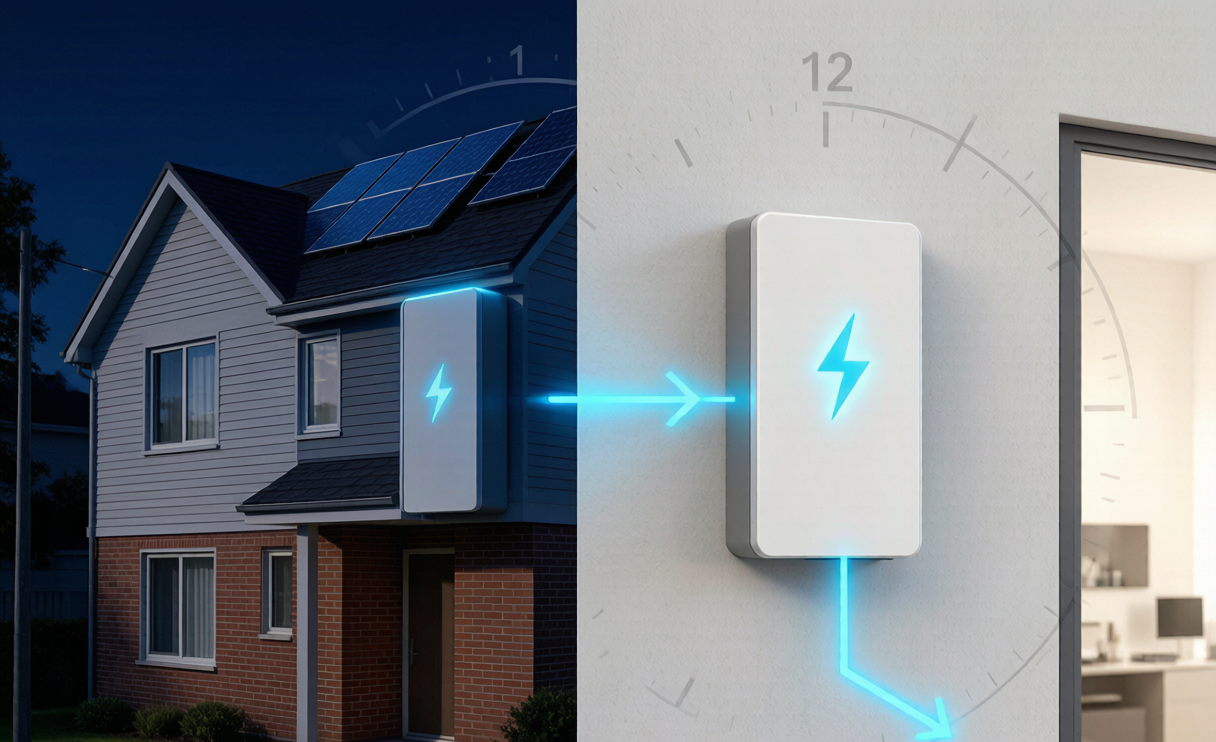
Most residential tariffs outside the old flat-rate model now carry time-varying prices. A Time-of-Use schedule charges one rate during off-peak hours (often overnight, when regional demand is low), a higher rate during mid-peak, and the highest rate during peak windows — typically 4 p.m. to 9 p.m. in summer, when air conditioning load peaks across the grid. In California under typical TOU-D plans, the differential between off-peak and peak can be 3x or more. In parts of Australia and Europe, the spread is even wider.
Arbitrage is simply exploiting that spread. You charge your battery from the grid (or from solar surplus) when electrons are cheap, then discharge to cover your home’s load when the meter would otherwise bill you at the peak rate. Each kilowatt-hour you self-consume at peak instead of importing is a kilowatt-hour you effectively "bought" at the off-peak price. The battery becomes a price arbitrage device, not just a backup box.
How a Home Energy Storage System Enables Arbitrage
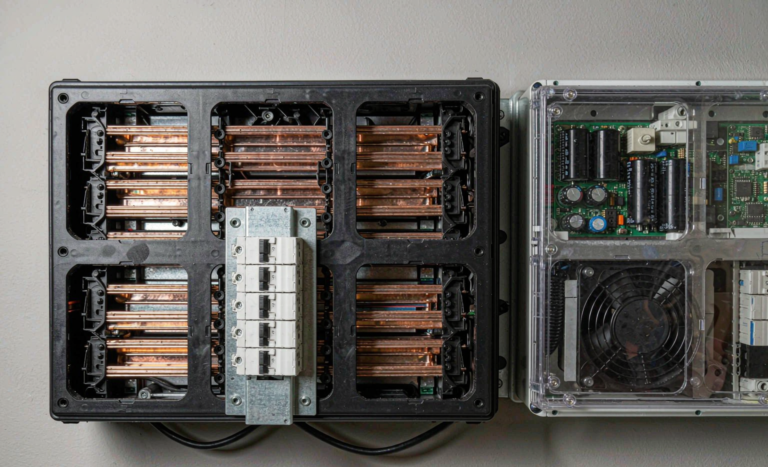
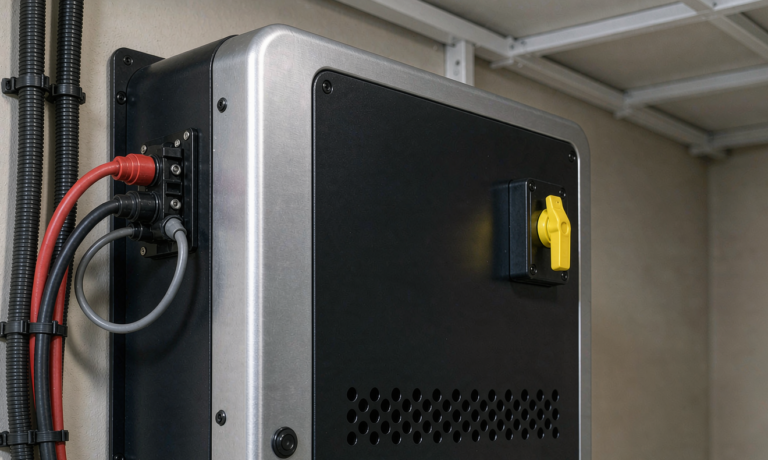
A properly commissioned home energy storage system does three things automatically that make arbitrage practical for a normal household. First, the battery management system (BMS) and hybrid inverter log the tariff clock and the utility’s published rate schedule. Second, the energy management system (EMS) decides when to charge and when to hold reserve. Third, the inverter seamlessly switches between grid, solar, and battery so the homeowner never notices the handoff.
In my designs I separate two operating modes. In "self-consumption" mode the battery prioritizes soaking up midday solar. In "arbitrage" mode it prioritizes a full charge during the off-peak window so it can ride through the entire evening peak. The mode selection is governed by a simple state machine in the EMS, and I tune the thresholds against the actual TOU table rather than guessing. A pack that sits at 30% state of charge (SoC) at 4 p.m. is worthless for peak shaving; the EMS has to plan the charge hours earlier.
Real Numbers: A Worked Example
Let me ground this in a typical U.S. home on a TOU plan. Assume:
- Off-peak rate: $0.13/kWh (midnight–3 p.m., and 9 p.m.–midnight)
- Peak rate: $0.42/kWh (4 p.m.–9 p.m.)
- Evening peak household load: 2.0 kW average over 5 hours = 10 kWh
- Battery usable capacity: 10 kWh (after 90% depth-of-discharge headroom)
- Round-trip efficiency: 90% (charge losses + inverter losses)
To deliver 10 kWh at the home, the battery must draw about 11.1 kWh from the grid overnight at $0.13 — a cost of about $1.44. Importing that same 10 kWh directly at peak would cost $4.20. The arbitrage saving is roughly $2.76 per evening. Over a 30-day month that is about $83, and over a summer of 90 peak days about $248 before any demand-charge or export credits. That is a real, recurring cash flow that pays down the system cost.
The catch is efficiency. At 90% round-trip, every arbitrage cycle "loses" 10% of the energy to conversion. If the peak-to-off-peak spread is narrow — say $0.20 vs $0.13 — the margin shrinks to roughly $0.05/kWh after losses, and the strategy only pencils out with a very large battery or a high daily peak load. This is why I always model the specific tariff before promising savings.
The Hardware and Controls You Need
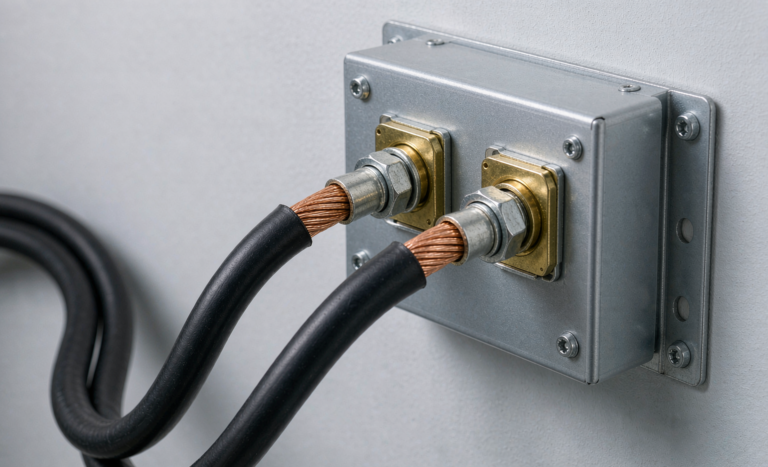
For arbitrage to be safe and code-compliant, the hardware has to meet the standards reviewers and inspectors expect. In the U.S. that means the inverter and battery must carry UL 1741 for grid interconnection and UL 9540 for energy storage system safety, with the installation following NEC Article 706 (energy storage) and 710 (microgrid interconnect). The BMS should report to a UL 1973-listed cell architecture, and for any system exported to Europe I design to IEC 62109 and IEC 62619. None of this is optional if you want the unit to pass inspection and hold up under warranty.
On the controls side, the EMS needs three inputs: the live tariff schedule, the battery SoC, and a forecast of evening load. Many off-the-shelf controllers hard-code a single utility’s TOU table; I prefer systems that let the installer push an updated rate schedule, because utilities change windows almost every year. A home battery backup that cannot be re-tuned to a new tariff loses half its arbitrage value the moment the rate plan changes.
Sizing Your Battery for Arbitrage
Sizing is where most first-time buyers overshoot. Arbitrage only needs enough capacity to cover the peak-window load, not your whole-house overnight demand. If your peak window is 5 hours at 2 kW, you need ~10 kWh usable. A 5 kW continuous discharge rating handles typical evening spikes without stress. I size the pack using the formula:
- Usable capacity = (peak-window load in kWh) ÷ round-trip efficiency
- Power rating = peak instantaneous load + 20% headroom
- Cycles per day = 1 (arbitrage) + any solar self-consumption cycles
Then I check the cycle count against the warranty. A pack rated for 6,000 cycles at 90% DoD will outlast the arbitrage use case comfortably, but a cheap pack rated for 3,000 cycles at 80% DoD may hit its warranty floor in under a decade. The leveled cost of storage (LCOS) — dollars per cycled kWh — is the metric that actually decides whether arbitrage pays.
Limits, Rules and When Arbitrage Doesn’t Pay
Three things kill the business case. First, some utilities apply a "demand charge" on the monthly peak 15-minute draw; a battery helps there too, but it changes the math. Second, a few TOU plans carry a fixed "base charge" or a higher daily standing fee for customers who opt into TOU — read the tariff sheet. Third, if your region has net metering at full retail, exporting midday solar may beat self-consuming it, and the optimal strategy flips from "store for evening" to "sell at noon."
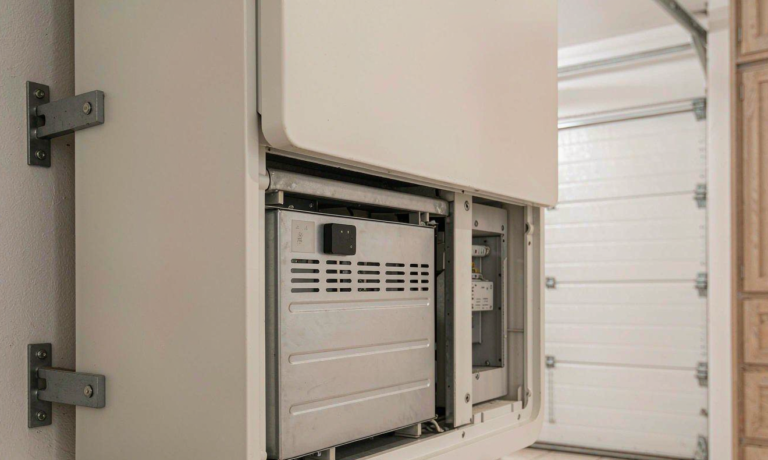
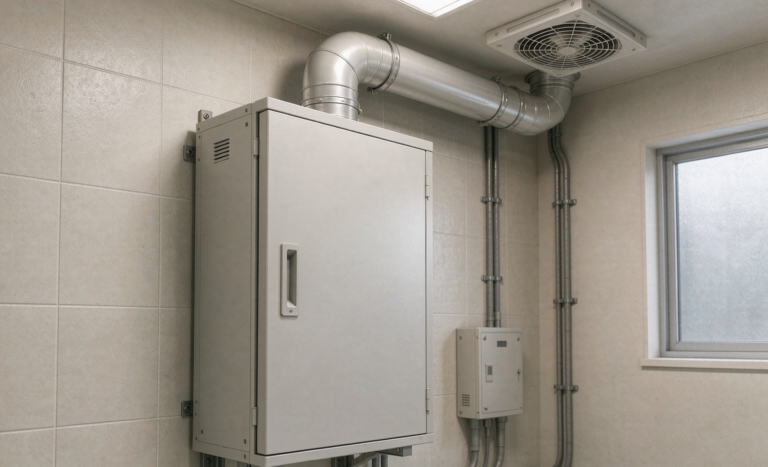
There are also physical limits. Batteries degrade faster when cycled daily to deep DoD, so I cap arbitrage discharge at 90% DoD and keep a 5% reserve for emergency home battery backup. Cold garages reduce usable capacity — below 0°C a lithium pack’s internal resistance climbs and the EMS derates discharge, so I spec heated enclosures in northern installs. These are not edge cases; they are the difference between a 10-year payback and a 6-year one.
How I Recommend Getting Started
If you are evaluating a home energy storage purchase primarily for bill reduction, pull your last twelve months of utility statements and identify your peak-window kWh. Model the tariff spread against a 90% efficient system. If the arbitrage saving exceeds about $40–$60 per month, the strategy is worth building into the spec; otherwise, prioritize backup power and self-consumption, and let arbitrage be a bonus. Either way, choose hardware that lets you update the TOU schedule, because the rate plan you sign up for today will not be the one you run in 2028.
Frequently Asked Questions
Is home energy storage time of use arbitrage legal?
Yes, in every U.S. state and most international markets it is simply using your own stored electricity to avoid peak-priced imports. You must follow the interconnection rules (UL 1741 / IEEE 1547) and any utility notification requirements, but arbitrage itself is permitted. A few utilities require you to enroll in a specific TOU plan or a demand-response program to enable automated shifting.
How much can I actually save with TOU arbitrage?
It depends entirely on the peak-to-off-peak spread and your evening load. In my field data, homes with a 10 kWh battery on a 3x-spread tariff save $60–$120 per month on energy charges alone, before any backup-power value. Narrow spreads under 1.5x rarely justify a battery bought purely for arbitrage.
Does arbitrage wear out the battery faster?
Daily cycling does consume cycle life, but a quality LFP pack rated for 6,000+ cycles at 90% DoD absorbs one arbitrage cycle per day for well over a decade. The key is sizing capacity so you are not forced into deep discharges every night, and keeping a small reserve for outages.
Can I run arbitrage without solar?
Absolutely. The classic arbitrage setup charges from the grid overnight at the off-peak rate and discharges during the evening peak. Solar simply adds a free midday charging source on top, which improves the economics but is not required.
What happens during a power outage?
A well-designed system treats backup as the priority use case. The EMS holds a reserve (I set 5–10%) that arbitrage is never allowed to touch, so your home battery backup still works even if you have been shifting energy all week.