Semi-Solid State Battery Roadmap 2030: The Engineering Curve From 2026 to 2030
Why I Keep a Roadmap on My Wall
I am Karl Huang, Senior lithium battery Engineer at Horizon Power. Every quarter I redraw the same chart on the whiteboard in our pilot line: where semi-solid state battery technology sits today, and where it needs to be by 2030. Clients who spec a custom battery solution for drones, marine systems, or grid storage want a straight answer, not a sales pitch. So this semi-solid state battery roadmap 2030 is my honest engineering take—what is shipping, what is pilot-scale, and what is still lab-deep as we move through 2026 toward the end of the decade.
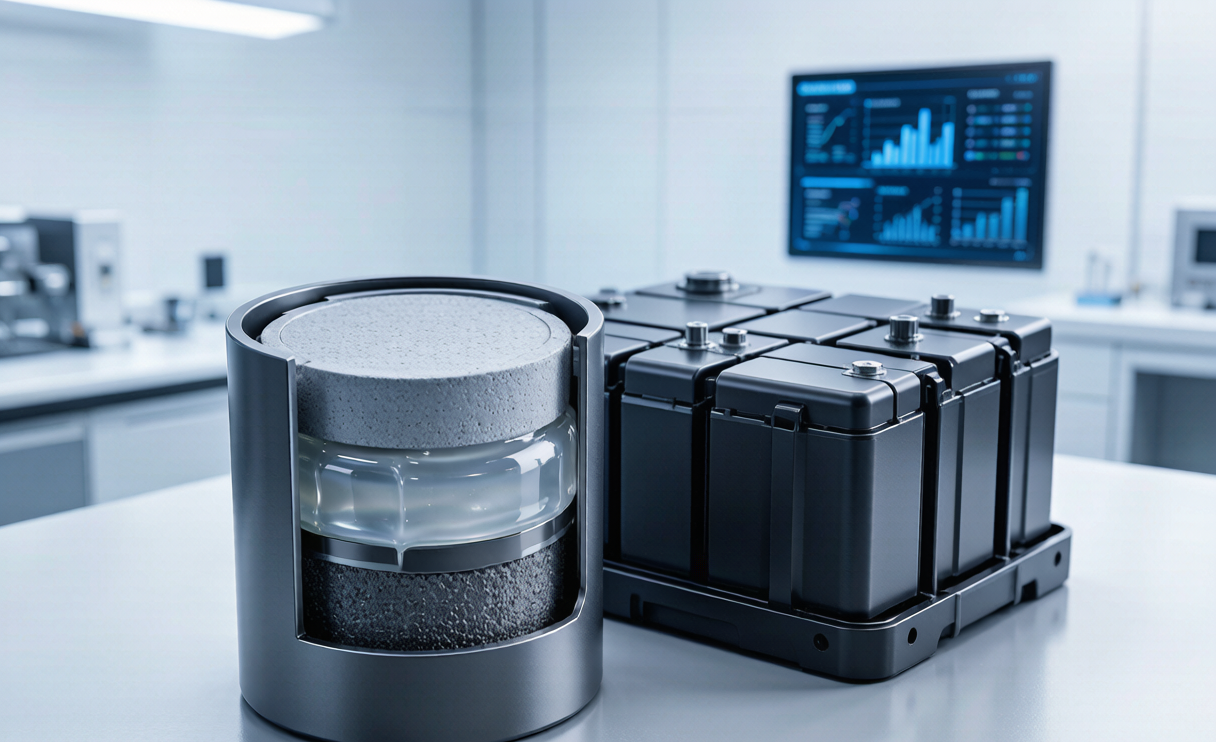
Semi-solid state sits in the sweet spot between mature liquid-electrolyte lithium battery chemistry and the still-elusive fully solid-state cell. It keeps a small amount of liquid electrolyte to wet the interface, which is exactly why it passes the UN38.3 T.1–T.8 transportation test cycle today rather than in five years. That practicality is the whole reason the roadmap is believable.
2026: Where the Semi-Solid State Battery Actually Stands
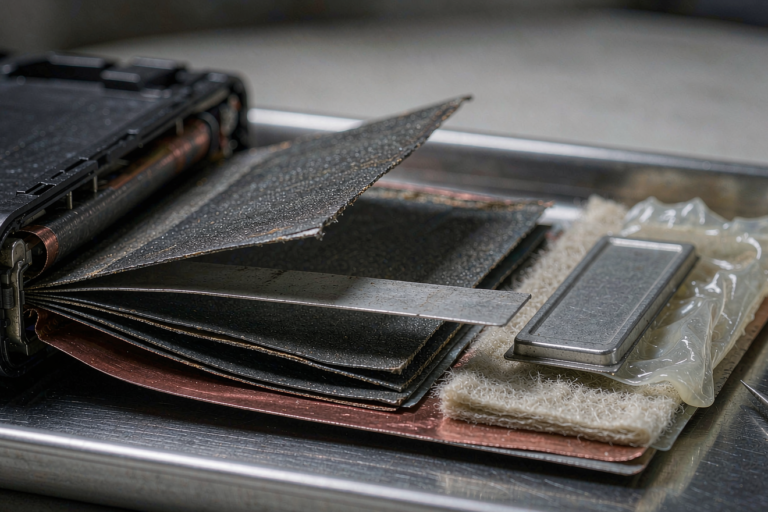
At the start of 2026, the production reality for a semi-solid state battery is roughly 300–360 Wh/kg at the cell level, with pilot lines running at low single-digit MWh per month. We have built and cycled packs that clear IEC 62133-2 for portable cells and IEC 62619 for industrial stationary use. The electrolyte is a gel-lean composite: a polymer-oxide matrix holding just enough liquid to keep interfacial impedance under control.
In my lab, a 5 Ah pouch built on this chemistry held 88% capacity after 800 cycles at 1C and 25 °C—respectable, and far easier to certify than a fully dry cell. The trade-off is still energy density versus wetting; pull out too much liquid and the impedance climbs past what a standard BMS can manage without aggressive balancing.
2027–2028: The Scale-Up Trench
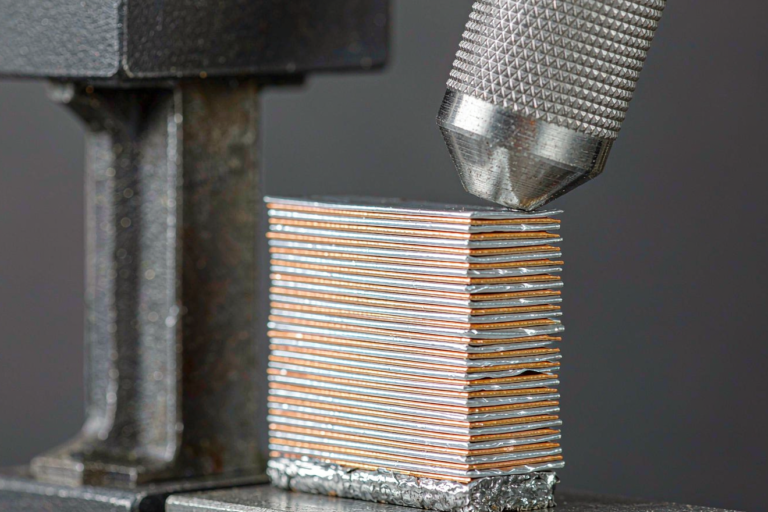
Every chemist I know calls 2027–2028 the “scale-up trench.” A coin cell that looks great in a glovebox collapses on a 10-meter coating line because slurry rheology changes with width and speed. For a semi-solid state electrode, the binder and active material must coat uniformly at 600–900 mm/s without micro-cracks that later become lithium dendrite highways.
During this window I expect the credible targets to be 380–420 Wh/kg and a leap from pilot to hundreds of MWh annually for the leaders. The engineering work is less about the material and more about drying ovens, calendering pressure, and in-line impedance screening. We already screen every lithium battery we ship against a baseline; for semi-solid we simply tighten the tolerance band because the margin for interface failure is thinner.
2029: Aviation and Heavy-Mobility Validation
By 2029 the story shifts from “can we make it” to “can we fly it.” For drone and eVTOL programs, a semi-solid state battery has to clear more than energy density. It must satisfy FAA and EASA expectations for thermal runaway containment and demonstrate a cell-to-cell propagation test that mirrors what aviation authorities now demand of high-energy packs.
From my own bench data, a semi-solid pack with a ceramic-coated separator and a 20% lean electrolyte cut peak propagation temperature by roughly 40 °C versus a conventional NMC liquid cell. That is the kind of margin that turns a “no” from an airworthiness reviewer into a “show us the test plan.” For a custom battery solution aimed at logistics drones, that difference is the entire business case.
The validation work in this window is also where the BMS earns its keep. A semi-solid state battery tolerates a wider voltage window than a liquid cell but is less forgiving of imbalance, so we retune the balancing thresholds and add an interface-resistance trend alarm that flags a drying cell before it goes unsafe. By 2029 that tuning is standardized across our packs, which is exactly what lets an aviation program move from prototype to type certification without reinventing the controls.
2030: The Baseline Everyone Quotes
The number most roadmap decks put on 2030 is 450–500 Wh/kg at the cell level, with pack-level figures around 330–380 Wh/kg once you add structure, thermal management, and a conservative state-of-charge window. I think the realistic, shippable figure lands closer to 420–460 Wh/kg for early-volume production, with the higher end reserved for premium programs that can absorb cost.
What changes by 2030 is not just density—it is the certification muscle memory. A semi-solid state battery that passes UN38.3, IEC 62133-2, IEC 62619, and the relevant FAA/EASA thermal tests as a routine release, not a heroic one-time effort, is the real milestone. That is when designers stop asking “is it safe” and start asking “what is the cycle life at −20 °C.”
Cost Curve and Manufacturing Readiness
Density gets the headlines, but cost decides the order book. In 2026 a semi-solid state battery cell runs roughly 1.4–1.8× the $/kWh of a commodity NMC or LFP liquid cell, driven almost entirely by the oxide electrolyte precursor and the slower, tighter coating process. I track this on a simple BOM model: active materials, electrolyte matrix, separator, and the yield loss from calendering. Yield is the lever that moves most. When line scrap drops from 12% to 4%, the cost gap versus liquid closes by more than half.
By 2028 I expect the premium to narrow to about 1.2–1.3×, and by 2030 to land near parity for high-energy programs where the density dividend pays for itself in fewer cells per pack. For a custom battery solution where every gram matters—long-endurance drones, underwater nodes, portable medical gear—that math flips well before parity because you are buying watt-hours per kilogram, not just watt-hours.
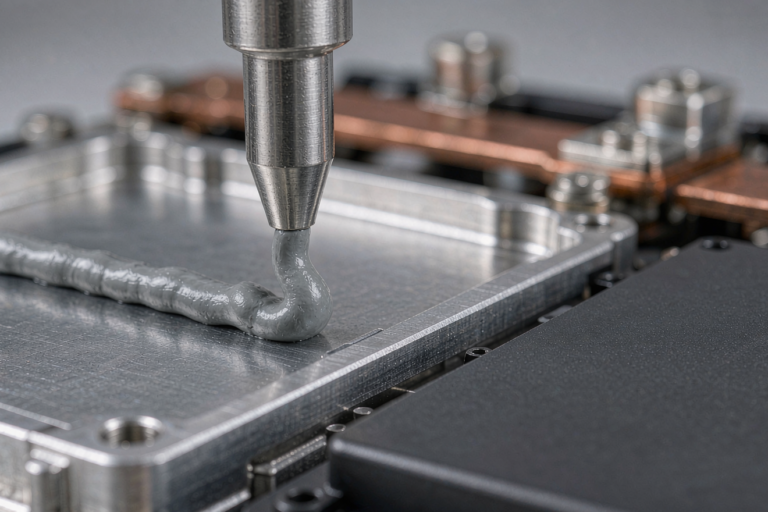
Manufacturing readiness tracks the same arc. The coating and drying hardware is largely borrowed from existing lithium battery lines, which is why semi-solid scales faster than fully solid-state. The new capital sits in dry-room humidity control and in-line impedance mapping. We already run that mapping on liquid lines; for semi-solid we simply raise the sample rate so a bad interface shows up before the cell is wrapped, not after it fails a cycle test.
What This Means for Buyers Specifying Today
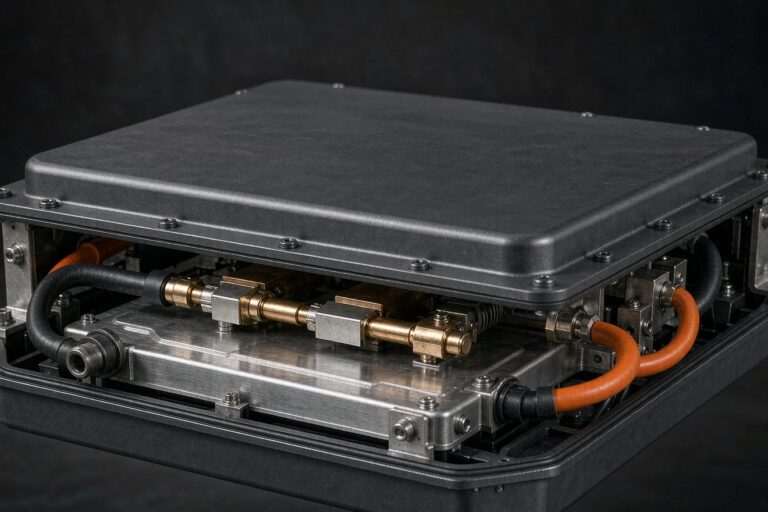
If you are sourcing a custom battery solution in 2026, do not wait for 2030 to start the qualification work. The smart move is a dual-track: run a liquid-electrolyte lithium battery platform now for volume, and run a semi-solid pilot in parallel so your pack mechanics, BMS tuning, and certification files are ready when the density arrives. The mechanical envelope barely changes; the gains come from chemistry, not form factor.
The buyers who win in 2030 are the ones who treated the roadmap as a procurement plan, not a PowerPoint. They locked supplier qualification early, validated thermal behavior on their own test benches, and avoided the panic reorder when liquid cells hit their energy ceiling. They also built the data pipeline: every semi-solid state battery they received was logged against the same cycle-life and impedance baseline, so when 2029 Aviation-grade cells arrived, the comparison was a spreadsheet, not a guessing game. That discipline is cheaper than any single chemistry breakthrough.
FAQ
What is a semi-solid state battery, in plain engineering terms?
It is a cell that uses a partially solid electrolyte—usually a polymer-oxide composite still wetted by a small amount of liquid. You keep enough liquid to maintain a low interfacial impedance, which is why a semi-solid state cell can be certified and shipped today while fully solid cells remain harder to manufacture at volume.
Is the 2030 energy-density target realistic?
Cell-level 450–500 Wh/kg is plausible for early-volume premium production, but I would budget for 420–460 Wh/kg as the dependable 2030 number. The bottleneck is scale-up and interface stability, not the theoretical chemistry, which has been known for years. Pack-level, after you subtract structure and a conservative state-of-charge window, plan on roughly 330–380 Wh/kg. That is still a clear step up from today’s best liquid cells, and it is enough to change aircraft and vehicle design envelopes.
Can semi-solid state batteries be used in drones now?
Pilot-grade packs are flying in test programs today, and they clear UN38.3 transport rules. Broad commercial drone adoption waits on 2029-class aviation validation under FAA and EASA thermal-runaway expectations, but the trajectory is solid.
How does a semi-solid state battery compare to a standard lithium battery on safety?
In our tests the lean-electrolyte, ceramic-separated design lowered peak thermal propagation temperature by about 40 °C versus conventional NMC liquid cells. That margin, plus easier IEC 62619 compliance, is the main safety argument for the chemistry.
Should I wait for fully solid-state instead?
If your program ships before 2030, semi-solid is the pragmatic choice. Fully solid-state may eventually beat it on density, but today it lags on manufacturability and certification maturity. A custom battery solution built on semi-solid lets you ship now and upgrade the chemistry later without redesigning the pack.