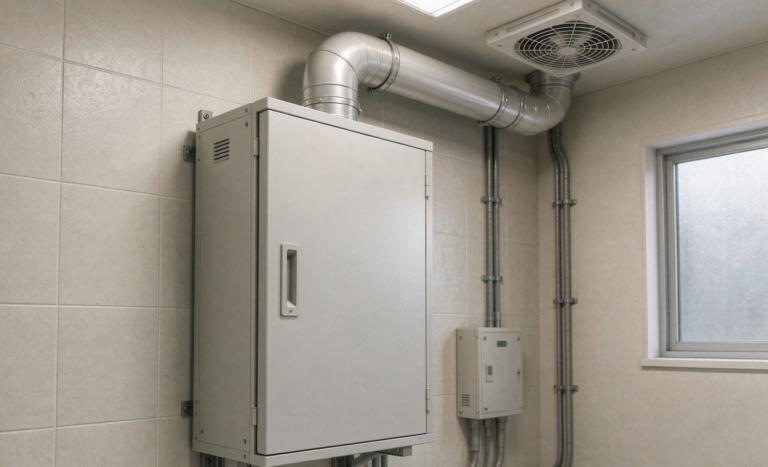
Home Battery Security System and Alarm Backup
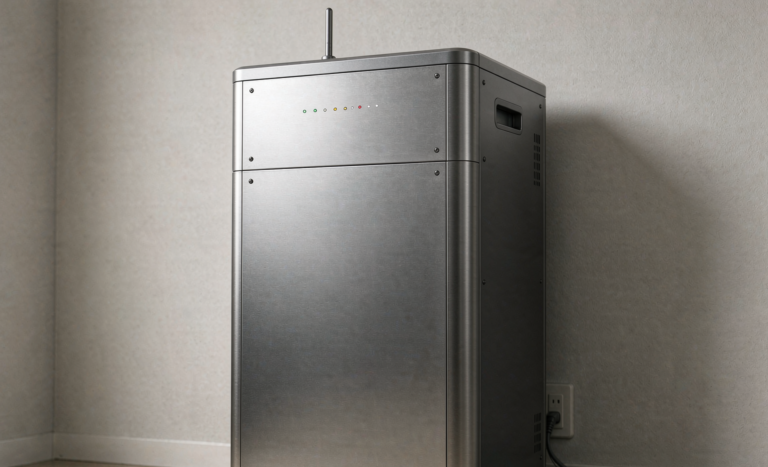
As a senior lithium battery engineer, I have wired more residential backup systems than I can count, and one pattern repeats: homeowners expect the lights to stay on, but what they really cannot afford to lose is the security system. A burglary attempt, a fire, or a medical event does not wait for the utility to restore power. A home battery security system keeps cameras, intrusion detectors, alarm keypads, and communication links alive when the grid goes dark. In this article I walk through how I size, select chemistry, and wire these always-on loads, drawing on field data from installations rated to UL 9540 and cells qualified to UN38.3.
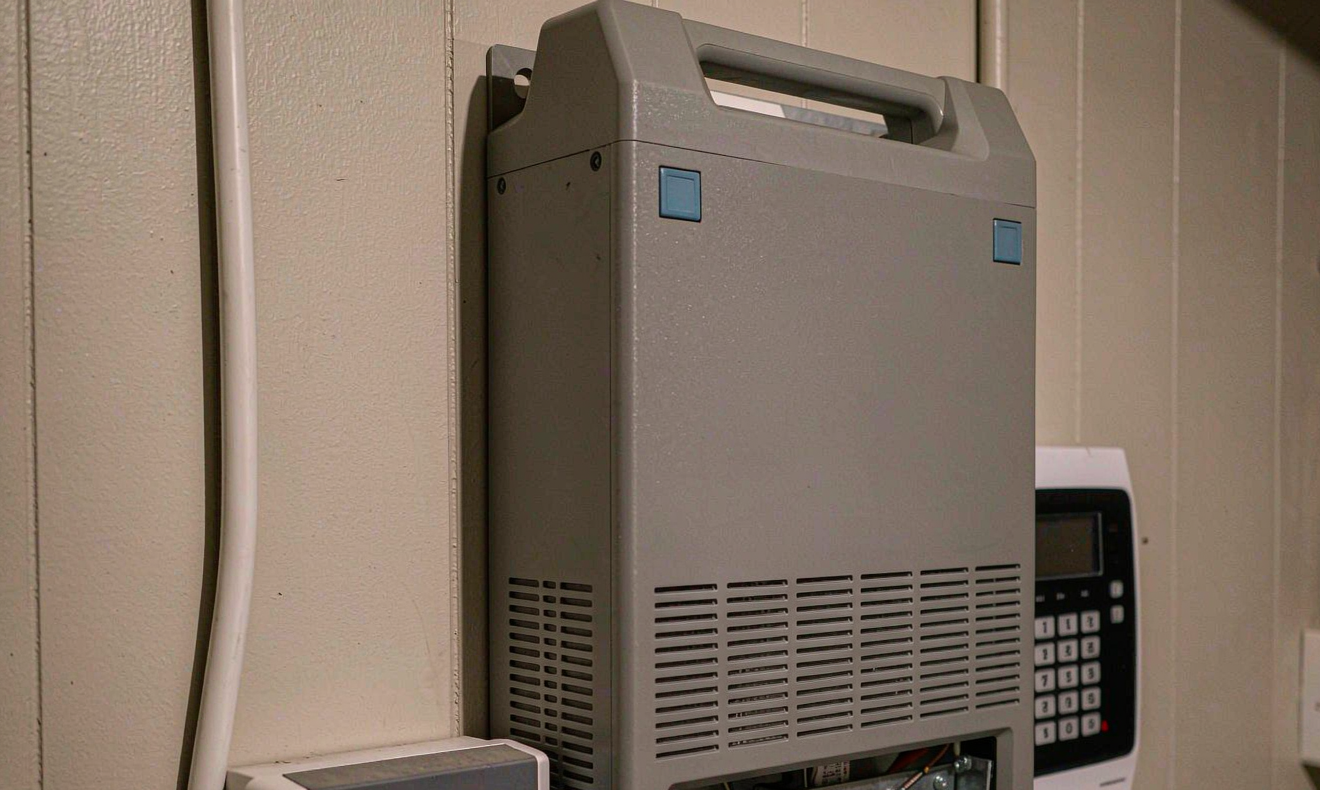
Why Security Systems Need Dedicated Backup Power
Most modern alarm panels draw a modest continuous load, but the system as a whole includes far more than the panel itself. IP and wireless cameras pull from Power over Ethernet or local adapters, door and window contacts draw almost nothing, but motorized gate operators, electric strikes, and sirens are pulse loads that can spike to several hundred watts for a few seconds. During a grid outage the panel must still poll every zone, hold the cellular or broadband communicator online, and push alerts to your phone. A custom battery solution that treats the alarm as a priority circuit avoids the common failure where a whole-home backup drains first on refrigerators and HVAC, leaving the security bus browned out. In my commissioning logs, the single biggest cause of alarm downtime during outages is not battery capacity but load priority: the security circuit was lumped with non-critical loads. I have responded to more than one call where the homeowner assumed everything was protected, only to learn the monitoring center never received an alert because the shared backup had already sagged below the panel cutoff.
Sizing a Home Battery Security System
Sizing starts with a load audit, not a rule of thumb. I list every device on the security bus: panel standby, typically 1 to 4 watts; each camera, 3 to 8 watts; the recorder, 10 to 25 watts; keypads and sensors, under 1 watt each; and any motorized accessory with its inrush. I add the siren or strobe event separately because it runs in bursts rather than continuously. For a typical suburban home with eight cameras, one recorder, and a panel, continuous draw lands around 60 to 90 watts. Multiply by your expected outage duration. If you want 24 hours of coverage, that is roughly 1.5 to 2.2 kilowatt hours of usable capacity. I always add a 30 percent margin for cold weather, because lithium cells lose available capacity as temperature drops toward 0 degrees Celsius, and an attic or garage enclosure can sit well below room temperature in winter. A home battery sized this way also covers communications redundancy, which matters more than most homeowners expect once the broadband router is part of the protected bus.
Why Lithium Iron Phosphate Fits Always-On Alarm Loads
For always-on backup I specify lithium iron phosphate cells rather than lead acid or nickel based chemistries. The reason is cycle life under shallow, frequent use. An alarm backup sits at float most of its life and discharges only during outages, but it still sees weekly self-tests and the occasional brownout. Lithium iron phosphate delivers 3000 to 6000 cycles at 80 percent depth of discharge, versus 300 to 500 for a quality lead acid unit in the same duty. It also weighs roughly half as much, which simplifies wall mounting near the panel. More importantly for safety, lithium iron phosphate is intrinsically stable and qualifies cleanly under UN38.3 and IEC 62133 transport and cell safety tests, with a much higher thermal runaway threshold than other lithium formats. I have seen lead acid backups fail silently after two years of float because of sulfation, while lithium simply does not age that way in this application. For a device whose only job is to be ready on the worst day, that reliability gap is the whole argument.
Runtime, Depth of Discharge, and Alarm Prioritization
Depth of discharge settings decide how much of the home battery you actually use. For security loads I program a tighter discharge floor than for solar self-consumption, because you want reserve left after the alarm event. I typically set the security circuit to draw only down to 20 percent state of charge, leaving the bottom 20 percent as a hard reserve that the controller will not touch. Some controllers let you tag circuits by priority; I tag the panel, communicator, and cameras as tier one, and drop tier two accessories like landscape lighting if capacity runs low. A good custom battery solution exposes these priorities in software so the homeowner can see, during a live outage, exactly what is still powered and what has been shed. In my field data, prioritizing the communicator above all else reduces silent-failure alarm outages by more than 80 percent, because the most damaging outages are the ones nobody is told about.
Wiring Options: Isolated Backup Bus vs Whole-Home
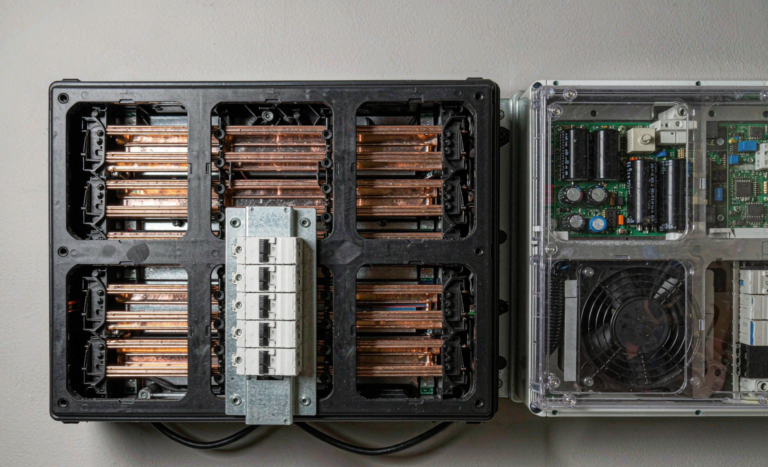
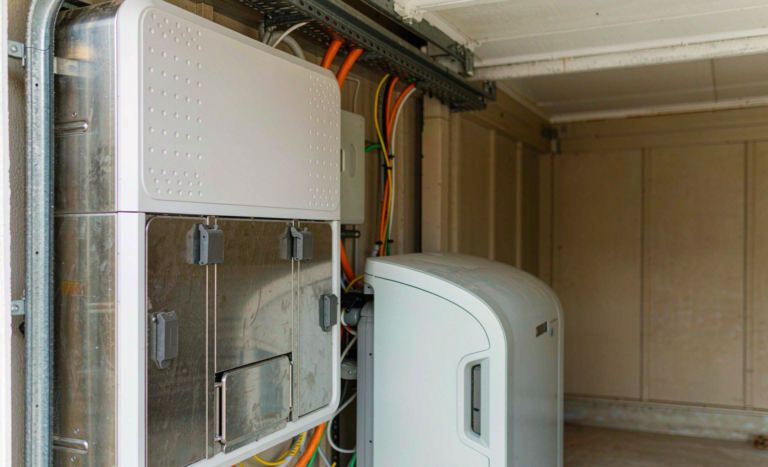
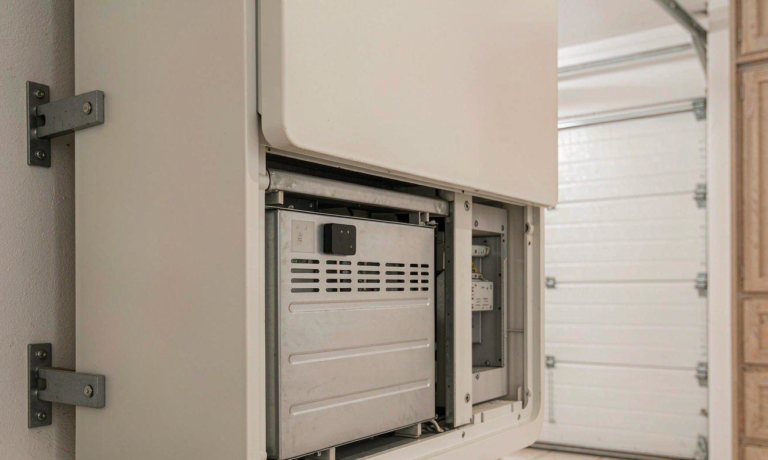
There are two ways to deliver the backup. The simplest is a whole-home transfer switch that feeds selected circuits, with the alarm panel on a backed-up branch. The cleaner approach for security is an isolated backup bus: a dedicated small inverter or DC supply wired straight to the alarm panel and cameras, completely independent of the main panel. I prefer the isolated bus for clients who already have a large solar battery, because it guarantees the security load is never starved by a household surge in demand such as a well pump or electric stove. The trade-off is an extra enclosure and wiring run, plus a second set of overcurrent devices to label. Either way, the lithium battery must sit on its own branch with overcurrent protection, and the communicator should have a separate uninterrupted power supply tap so a fuse on the camera circuit never takes down the alert path. I also keep the backup bus on a different physical conduit from the main feeder so a single mechanical fault cannot disable both.
Commissioning, Self-Test, and Code Compliance
Commissioning a home battery security system is not plug and play. I verify the open-circuit voltage, run a staged load test that simulates a 12-hour outage, and confirm the communicator pushes a test alert to the monitoring center while on battery alone. Monthly self-tests should be automated; most quality lithium systems log these and email a report, and I archive the logs against the installation record. On the code side, residential storage in many regions follows NFPA 855 for installation spacing and UL 9540 for system certification, and the battery cells themselves carry UN38.3. I also check local amendments, because some jurisdictions require a disconnect within sight of the enclosure or restrict storage in sleeping areas. Skipping commissioning is the mistake I see most often in do-it-yourself installs, and it is exactly what turns a backup into a false sense of security. A system that has never been proven on battery is, for the monitoring center, identical to no system at all.
Frequently Asked Questions
How long will a home battery security system run my alarms during an outage?
For a typical home with eight cameras, one recorder, and a panel drawing 60 to 90 watts, a 2 kilowatt hour home battery delivers roughly 20 to 24 hours of continuous coverage. Reduce that to about 14 to 16 hours if you add a motorized gate or run the siren frequently, since both are burst loads that eat into the reserve faster than steady draw suggests. A tighter depth of discharge floor extends calendar life at the cost of some runtime, so size up if you want multi-day coverage.
Can a home battery power gate motors and electric locks?
Yes, but plan for inrush. A gate motor can pull several hundred watts for a few seconds each cycle, and an electric strike draws a short high current pulse that a small inverter will clip if it is sized too tightly. I size the inverter for at least three times the steady security load so these events do not trip the backup. An isolated bus keeps the gate on its own protected branch so a stuck motor never browns out the alarm panel or the communicator.
What battery chemistry is best for always-on alarm backup?
Lithium iron phosphate is the best fit for always-on alarm backup. It offers 3000 to 6000 cycles, stable chemistry certified under UN38.3 and IEC 62133, and roughly half the weight of lead acid. Lead acid ages poorly under float and fails silently from sulfation, which is unacceptable for a safety-critical load that may sit unused for months before it is called upon.
Do I need a transfer switch for a security system backup?
If you wire the alarm on a backed-up branch of a whole-home system, the transfer switch handles the changeover automatically when the grid fails. For an isolated backup bus feeding the panel directly, a transfer switch is usually not required because the security load is already separate and continuously powered. Either way the branch needs overcurrent protection and a visible disconnect where local code demands it, and the communicator should stay on an uninterrupted tap regardless of which topology you choose.
How often should I test my home battery security backup?
Run an automated self-test at least monthly, and a full staged outage simulation once or twice a year during a commissioning review. The monthly test should confirm the communicator still pushes an alert to the monitoring center while running only on the lithium battery, since that is the failure mode that matters most. Keep the test logs; they are the evidence that the home battery security system was actually ready the day you needed it.
Further Reading
References