Drone Battery Maintenance for Mapping UAVs
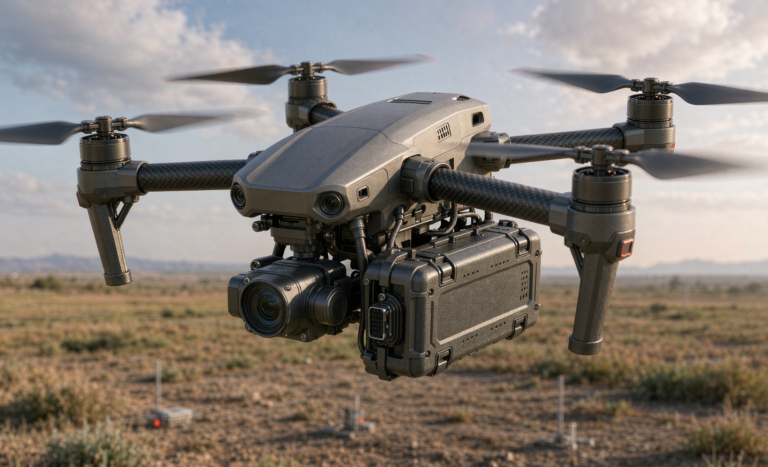
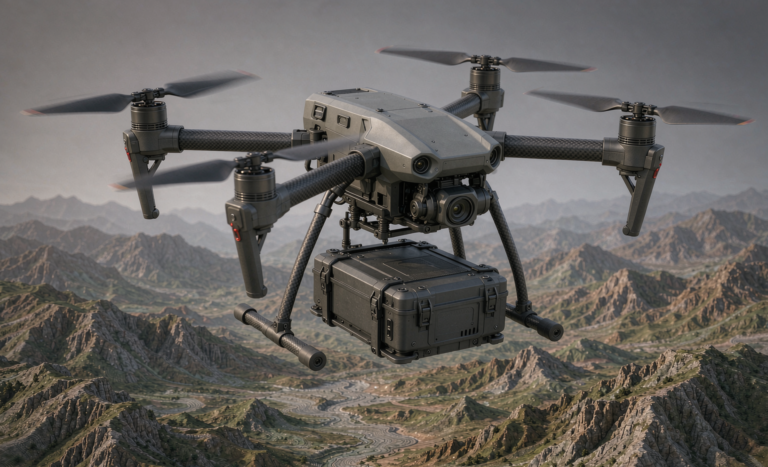
As a Senior lithium battery Engineer at Horizon Power, I have spent the better part of a decade building and maintaining packs for commercial survey fleets. A mapping UAV is not a casual flying camera. It is a precision instrument that carries a multi-kilogram sensor payload — a full-frame photogrammetry camera, a LiDAR module, or sometimes both — and repeats the same grid mission dozens of times a week. The drone battery is the single component that determines whether your orthomosaic comes out clean or whether the aircraft drops out of the sky at 80 meters. This guide is the maintenance playbook I actually hand to our field teams, distilled from thousands of survey sorties and a great many hard lessons.
Why Mapping UAVs Punish Batteries Differently
Mapping flights have three brutal habits that most recreational pilots never experience. First, they loiter. A cinematic flight banks, dives, and varies its throttle constantly; a survey flight holds a constant 8–12 m/s ground speed at a fixed altitude for 25–40 minutes straight. That sustained discharge at 1C–3C loads the lithium battery far harder than bursty flights, and it keeps the pack in its warmest, most stressed operating band for the entire mission.
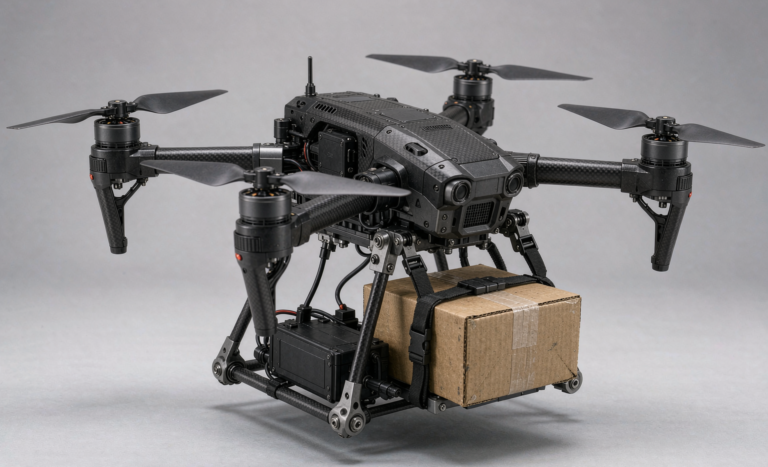
Second, they carry dead weight. A mapping payload of 600–1,400 g means the drone lithium battery must deliver both hover power and payload lift for the entire flight, pushing pack temperature toward the 45–55 °C band where calendar aging accelerates measurably. Third, they repeat. Flying the same route every day means the same cells see the same stress profile on every sortie, so weak cells reveal themselves quickly through voltage sag at the identical waypoint. In short, the drone battery maintenance mapping UAVs demand is a discipline, not a checkbox.
The Maintenance Cadence I Run for a Survey Fleet
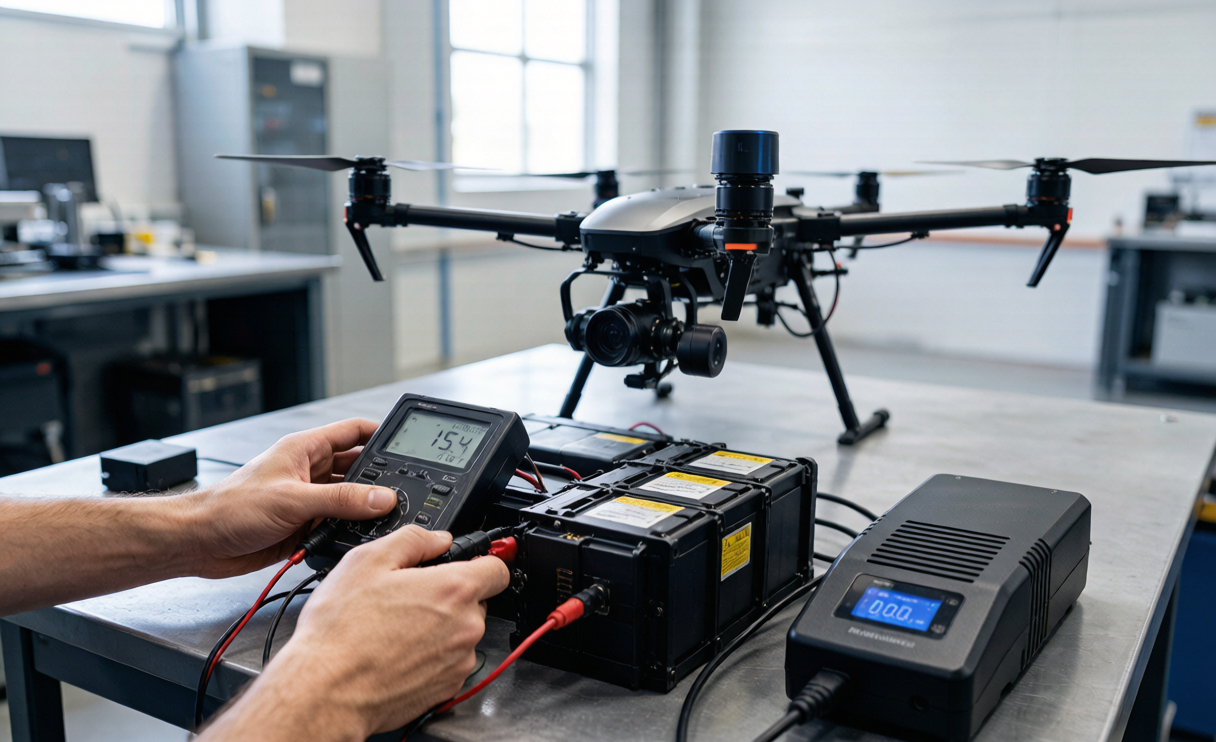
I split maintenance into four loops. Pre-flight (every sortie): a visual shell check for swelling or cracked housings, a balance-connector resistance measurement, and a capacity confirmation against the pack’s logged baseline. Post-flight (every sortie): log landed voltage and pack temperature, then cool to ambient before charging — charging a hot pack is one of the fastest ways to permanently lose capacity. Weekly: a full balance charge and an internal-resistance trend check on the analyzer. Monthly: a capacity verification discharge at 1C and a full UN38.3-style visual and structural inspection.
For a fleet of 20 aircraft this is roughly three hours of bench time a week — cheap insurance against a 12,000-dollar sensor crashing because a pack quit at 60 meters. The teams that skip this cadence are the ones calling me at 9 p.m. before a contract flight, asking why three of their packs suddenly will not arm.
Capacity Fade, Internal Resistance and the 80% Rule
In our bench data, a well-maintained drone lithium battery holds about 90% of rated capacity after 250 cycles; an abused one drops below 80% by cycle 120. The signal I watch most closely is internal resistance, not raw capacity. When a pack’s AC internal resistance climbs more than 15% above its fresh baseline, I retire it from mapping duty even if capacity still reads 85%. Mapping missions cannot tolerate the voltage sag that high internal resistance causes at the loiter current, and sag is what produces the “holes” in a survey grid.
I also enforce an 80% depth-of-discharge ceiling for survey work: we land at 20% state-of-charge rather than squeezing the last watt. That single rule roughly doubles cycle life versus flying to 5%. It feels wasteful until you realize a pack that lasts 400 cycles instead of 200 halves your annual battery spend on a 30-drone fleet.
To make the 80% rule stick, I calibrate the analyzer every quarter against a known reference resistor so the capacity numbers are trustworthy, and I tag each pack with a colored ring that shows its retirement threshold. A green ring means “fly anywhere”; an amber ring means “mapping only, watch the trend”; a red ring means “bench or retire.” This visual system removes the ambiguity that causes field techs to keep a tired drone lithium battery in rotation one mission too long.
Cell Balancing and the custom battery solution Angle
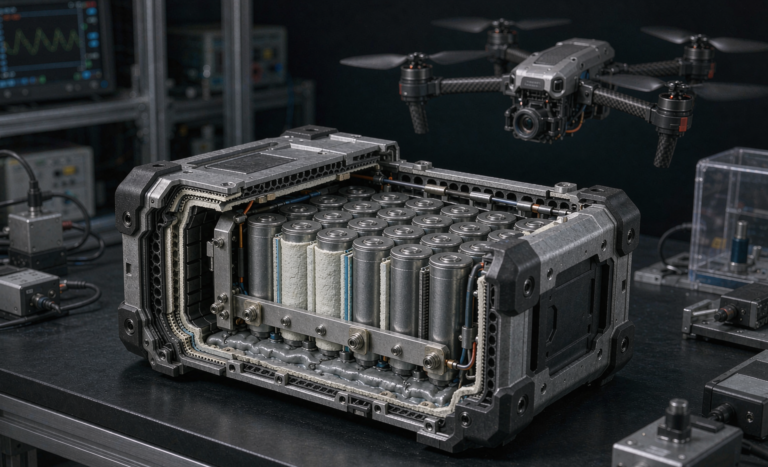
Mapping packs are usually 6S or 12S lithium battery configurations. Over a season, cell mismatch grows because no two cells age identically, and a mismatched pack wastes energy heating its weakest cell instead of pushing the propellers. A good balancing charger equalizes them every week, but I go further: for fleets flying identical grids, I specify a custom battery solution with a per-cell telemetry tap and a battery management system that logs individual cell voltage.
When the BMS shows one cell drifting 30 mV ahead of its neighbors at rest, I know that pack needs attention long before it fails a mission. This is exactly the kind of engineering we build into Horizon Power survey packs, and it turns maintenance from guesswork into data. A field tech no longer has to “feel” whether a pack is healthy — the log tells them, and the log is what keeps a whole fleet predictable.
Storage, Temperature and the UN38.3 / IEC 62133 Baseline
Cold and heat are silent killers. I store every survey pack at 30–60% state-of-charge in a 15–25 °C room, never on a hot vehicle dashboard and never in a freezing trunk. Below 0 °C you must not charge a lithium battery at all — doing so plates metallic lithium on the anode and creates permanent dendrite damage that no amount of balancing will fix. Our packs are built and verified to IEC 62133, the international safety standard for portable cells, and they pass UN38.3 transport testing, which means the cells themselves meet a documented abuse-tolerance baseline.
That baseline is your floor, not your maintenance plan. The real work is what you do between the tests: how you charge, how you store, how you log. I also keep a humidity-controlled cabinet for long-term storage because elevated moisture accelerates terminal corrosion on the balance connector — a failure mode that shows up as intermittent communication errors rather than a clean fault.
Documentation, Air Transport and Fleet Health Logging
Every pack gets a serialized log: cycle count, capacity trend, internal-resistance trend, and incident notes. When a fleet flies across borders for a mapping contract, the same UN38.3 test report and the pack’s state satisfy FAA and EASA carriage rules for spare lithium batteries — but only if the documentation matches the physical pack in front of the inspector. I keep a one-page health card per battery; if a pack cannot show its log, it does not fly.
That discipline is what lets a survey operator pass an aviation authority inspection without scrambling, and it is also what protects you when a client asks for proof that their data was collected on airworthy equipment. Good drone battery maintenance mapping UAVs programs treat the log as part of the battery, not an afterthought.
Tools I Recommend for the Bench
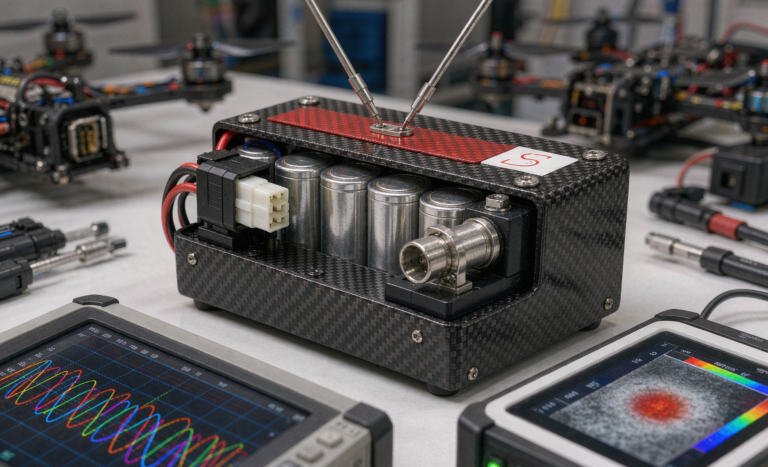
You do not need a laboratory, but you do need four instruments: a precision balance charger, a DC internal-resistance analyzer, an infrared thermometer or thermal camera, and a simple torque driver for the pack-mounting hardware. Swelling, loose mounting screws, and rising internal resistance are the three early warnings I trust most. A custom battery solution with onboard telemetry simply automates the resistance and voltage logging so the bench time shrinks and the data quality rises. I also keep a Logan-style cell-log harness on the bench so a suspect pack can be discharge-profiled cell by cell before I commit to retiring it — that profile has saved more than a few packs that a single-capacity reading would have condemned.
The last habit worth naming is firmware. BMS firmware and analyzer firmware both drift, and a BMS that misreports a cell by 20 mV will quietly break your balancing discipline. I version-lock the BMS firmware across a fleet and re-flash only when a documented fix matters, never on a whim before a contract flight.
Frequently Asked Questions
How often should I balance-charge a mapping drone battery?
Weekly for active survey fleets, and always after a long storage period. If the BMS telemetry shows more than 30 mV rest-voltage spread between cells, balance before the next flight regardless of the schedule. Consistent balancing is the cheapest insurance against mid-mission voltage sag.
What is the safest state of charge for storing mapping UAV batteries?
Store at 30–60% state-of-charge in a 15–25 °C environment. Never store fully charged or fully depleted, and never charge a lithium battery below 0 °C. Humidity-controlled storage also prevents balance-connector corrosion.
When should a survey battery be retired?
Retire it from mapping duty when internal resistance rises more than 15% above its fresh baseline, or when capacity falls below 80% of rated — whichever comes first. Voltage sag at loiter current is the failure mode that matters most for clean surveys, and it appears before the capacity number looks alarming.
Do I need UN38.3 and IEC 62133 for a custom battery solution?
Yes. Any pack carried on an aircraft or shipped between job sites should meet UN38.3 transport testing and IEC 62133 safety. These are the baselines we engineer to at Horizon Power, and they are frequently required by clients and aviation authorities before a survey contract is approved.
Can I fly a mapping UAV in freezing weather?
You can fly, but you must not charge a drone lithium battery below 0 °C, and cold packs lose usable capacity. Pre-warm the pack to above 10 °C, keep discharges conservative, and land earlier than you would in warm weather to preserve both the mission and the pack.