Lithium Battery for Railroad Grade Crossing Signals
Every railroad grade crossing warning system is built around one hard rule: the flashing lights and gates must still activate when the grid goes down. I have stood at trackside during a regional outage and watched a crossing keep protecting traffic on battery power alone. That is the fail-safe core of the design, and choosing the right lithium battery for it is an engineering decision, not a purchasing afterthought. As a senior lithium battery engineer I have replaced lead-acid and NiCd packs at dozens of crossings, and the jump to lithium is rarely about a single number. It is about predictable behavior across a decade of weather, vibration, and fault events.
Why Railroad Grade Crossing Signals Cannot Depend on Grid Power Alone
A grade crossing is a safety-critical load with a non-negotiable duty profile. The instant commercial power is lost, the wayside controller must still drive the warning lights, the gate mechanism, and the track-circuit detection that decides whether a train is approaching. Under FRA and AREMA guidance the design goal is a fail-safe state: if the battery cannot support the active warning, the system must default to a stop condition rather than a silent failure. A lithium battery is the last line of defense between a train and a vehicle on the rails.
Legacy installations leaned on VRLA lead-acid or NiCd packs. Those chemistries age quickly in outdoor enclosures, sulfate or memory-fade under partial state of charge, and lose usable capacity in the cold exactly when winter outages are most likely. A modern lithium-ion battery gives you a lighter, longer-lived, temperature-tolerant source that a custom battery solution can tune to the exact duty cycle of a specific crossing, whether it sees two trains a day or two hundred.
Sizing the Lithium Battery: Capacity, C-Rate and Duty Cycle
Sizing starts with the crossing activation profile, not a catalog amp-hour rating. I measure the steady draw of the controller and lights, then add the gate motor surge, which can be several times the continuous load for a few seconds during each closure. The battery must deliver that surge at the end of a blackout, not just at full charge. I typically size for a minimum of eight hours of continuous warning at the worst-case ambient, then add margin so the pack never drops below 20 percent state of charge during a real event.
C-rate matters as much as capacity. A pack rated at 100 Ah that can only sustain a 0.2C discharge will not survive a gate motor spike the way a pack engineered for 1C to 2C pulses will. For crossings I specify lithium iron phosphate cells because they tolerate high pulse currents and stay stable under abuse, and I keep the continuous design load near 0.1C to maximize cycle life. The result is a lithium battery that still meets the runtime spec after years of partial cycling.
Before I sign off on a design I run a real blackout simulation rather than trusting the spreadsheet. I pull utility power at the controller, force a train-approach sequence, and watch the gate cycle while logging cell voltages. If the weakest cell stays above the cutoff with margin at hour eight, the lithium battery passes. If it dips, I either add capacity or change the cell count, because a crossing that fails its first real outage is a crossing that should never have been commissioned.
Battery Management and Fail-Safe Monitoring
A wayside pack lives unattended for months at a time, so the battery management system is not optional. The BMS must track per-cell voltage and temperature, balance the string during float charging, and report state of charge and faults to the signal house over the existing communication link. I insist on contactor-based isolation so a detected fault opens the pack instead of letting a single weak cell drag the string down during an emergency.
The monitoring logic has to match railway reality. A slow capacity fade should raise a predictive alarm weeks before it matters, while a hard fault should trip immediately. In my deployments the BMS feeds a heartbeat to the controller, and if that heartbeat is lost the crossing controller assumes the worst and drives the fail-safe state. That closed loop is what turns a lithium battery from a power source into a trusted safety component.
Cold Weather, Vibration and Enclosure Design
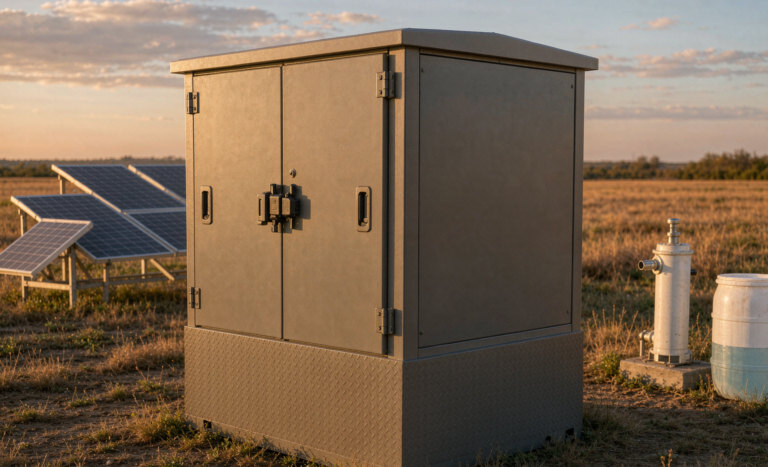
Crossings sit in the harshest part of the right-of-way: full sun, road salt, train-induced vibration, and temperatures that swing from plus 40 to minus 30 degrees Celsius. Lithium cells handle cold discharge better than lead-acid, but charging below freezing still needs management. I specify a heated enclosure or a low-rate charge lockout so the BMS prevents charging until cells warm, while still allowing discharge to keep the warning active.
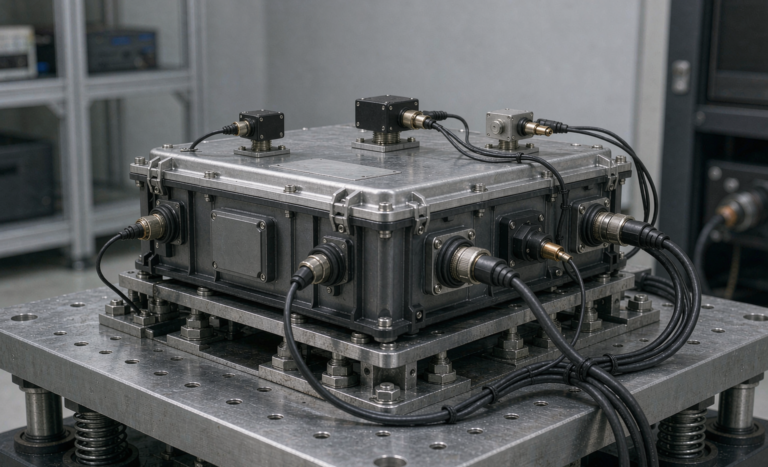
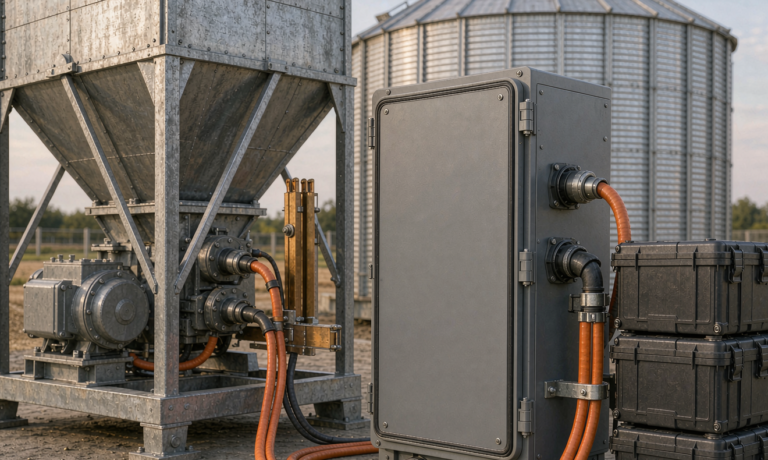
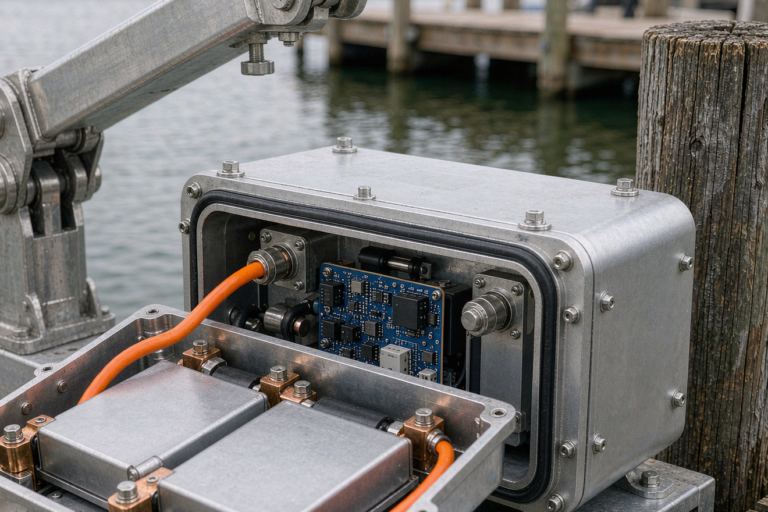
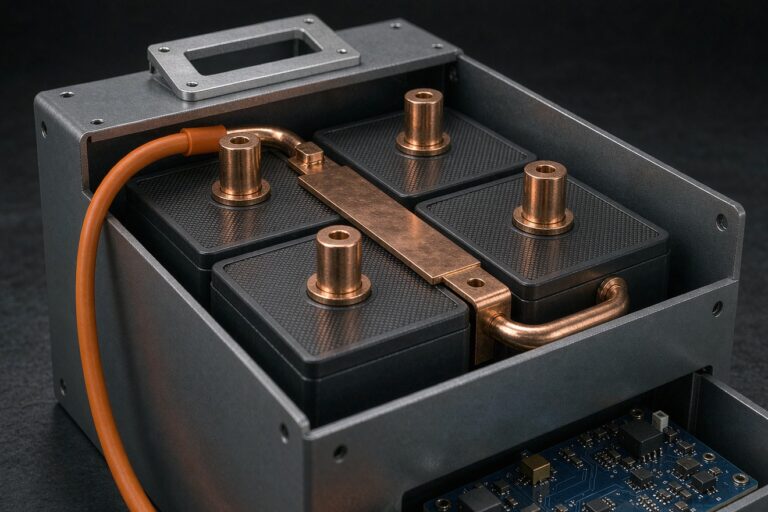
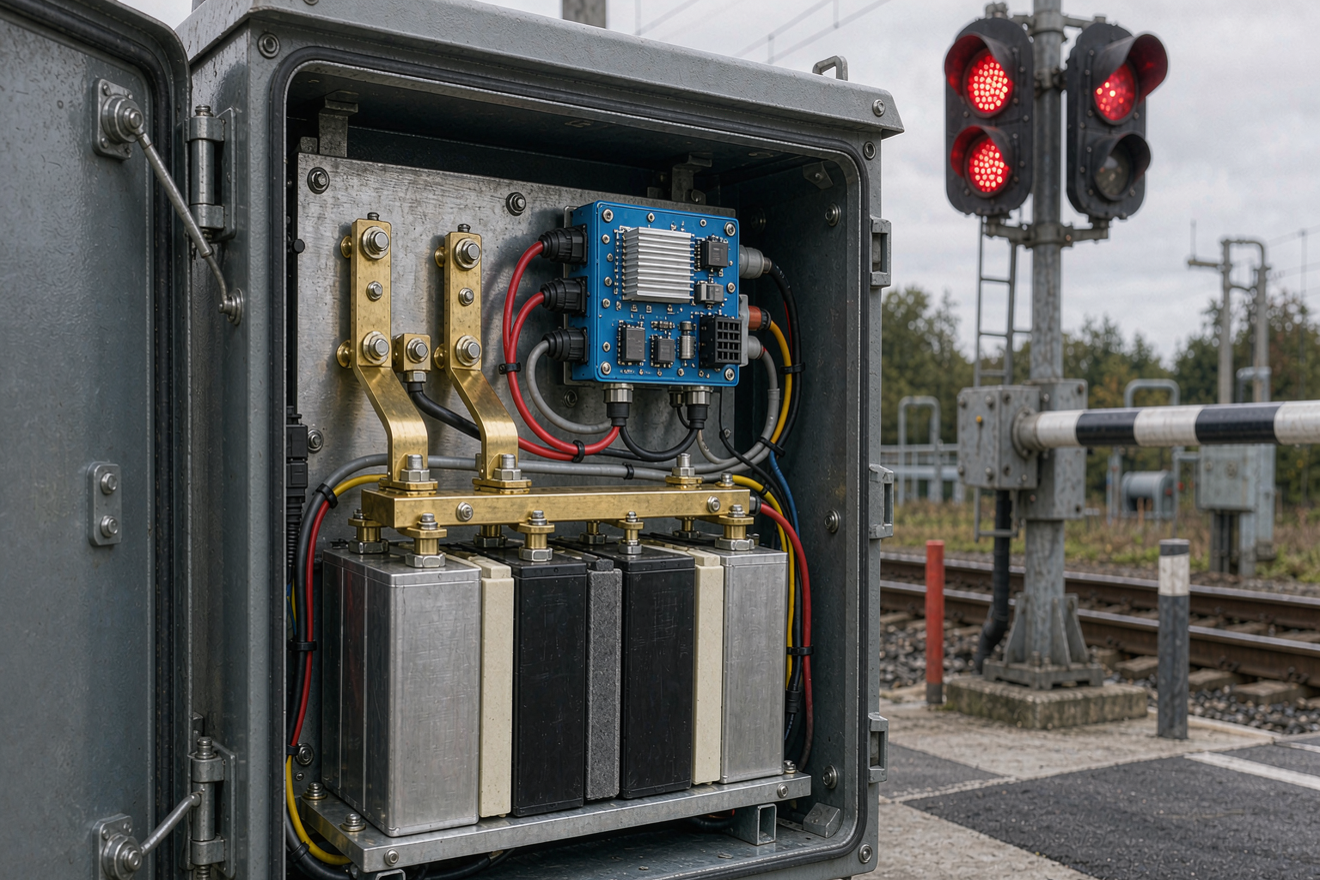
Vibration is the silent killer of wayside electronics. I use cell-to-cell foam, a rigid busbar layout, and a NEMA 3R or 4X enclosure with a gasket that survives decades of thermal cycling. The lithium battery pack is potted or braced so no connection can loosen under repeated train passes. A clean enclosure design is the difference between a pack that is still perfect at year ten and one that throws intermittent faults by year three.
Access matters more than engineers admit. I place the pack where a maintainer can reach the terminals and the BMS port without crawling under live equipment, and I keep the enclosure door swing clear of the track. A battery that is annoying to inspect gets skipped, and skipped inspections are how small faults become crossing closures. Good ergonomics in the enclosure layout are part of the safety case, not a nicety.
Certifications and Compliance for Rail Deployment
Railway buyers expect a paper trail, and rightly so. The cells I use are qualified to UN38.3 for transport and IEC 62133 for portable safety, with IEC 62619 and UL 1973 covering the industrial stationary pack. For the electronics environment I design to EN 50155 for railway equipment and EN 50121 for electromagnetic compatibility, because the enclosure sits next to signal and communication circuits that cannot tolerate noise.
Safety integrity is the part engineers underestimate. Many modern crossing controllers are evaluated to SIL 2, and while the battery itself is a component rather than the full safety function, its reliability budget feeds the system calculation. I document the failure modes, the diagnostic coverage of the BMS, and the proof test interval so the asset owner can defend the installation during an audit. A custom battery solution is only as good as the compliance file behind it.
A Field Deployment Checklist for Engineers
Before I commission a crossing battery I walk a short list. First, confirm the worst-case load profile with the actual controller and gate model, not the nameplate. Second, verify the BMS heartbeat and fail-safe trip with the signal maintainer present. Third, proof-test the cold behavior by simulating a winter night. Fourth, label the pack with the service date and the capacity alarm threshold so the next crew knows what good looks like.
The payoff is a lithium battery that disappears into the infrastructure. Nobody notices it until the power fails, and then it does exactly one thing: keep the lights and gates honest. That is the standard I hold every Horizon Power wayside pack to, and it is why I would never ship a crossing battery I would not trust at my own local track.
Frequently Asked Questions
How long must a lithium battery power a grade crossing signal during an outage?
I size for a minimum of eight hours of continuous warning at the worst-case ambient temperature, with margin so the pack never drops below 20 percent state of charge. High-traffic crossings with frequent gate cycles get additional capacity because each closure adds a motor surge the battery must support at the end of a blackout.
Which lithium chemistry works best for wayside rail signals?
Lithium iron phosphate is my default for crossing signals. It tolerates high pulse currents for gate motors, stays thermally stable under abuse, and delivers a long cycle life in outdoor enclosures. Nickel-manganese-cobalt cells are lighter but add cost and thermal management that most wayside boxes do not need.
Do grade crossing batteries need to meet SIL requirements?
The battery is a component within a SIL-rated safety function rather than a SIL device on its own, but its reliability budget counts. I document failure modes, BMS diagnostic coverage, and the proof test interval so the asset owner can justify the overall SIL 2 calculation for the crossing controller.
How cold can railroad signal batteries operate?
The packs I deploy discharge reliably down to minus 30 degrees Celsius, but charging below freezing is locked out by the BMS or handled by a heated enclosure. Discharge continues through cold events so the warning stays active, while charge is deferred until cells warm to a safe temperature.
Can I replace an existing VRLA or NiCd crossing battery with lithium?
Yes, and it is usually straightforward if you re-evaluate the charger and the duty cycle first. A lithium battery needs a charger profile matched to the cells and a BMS, not a constant-voltage float. I also confirm the enclosure, mounting, and ventilation suit the new pack before commissioning.
How often should a wayside lithium battery be inspected?
With a monitored BMS most crossings need only an annual field check plus remote state-of-charge and fault alarms. I still recommend a hands-on inspection every one to two years to verify enclosure seals, busbar torque, and that the capacity alarm threshold matches the real load measured on site.
Further Reading
References