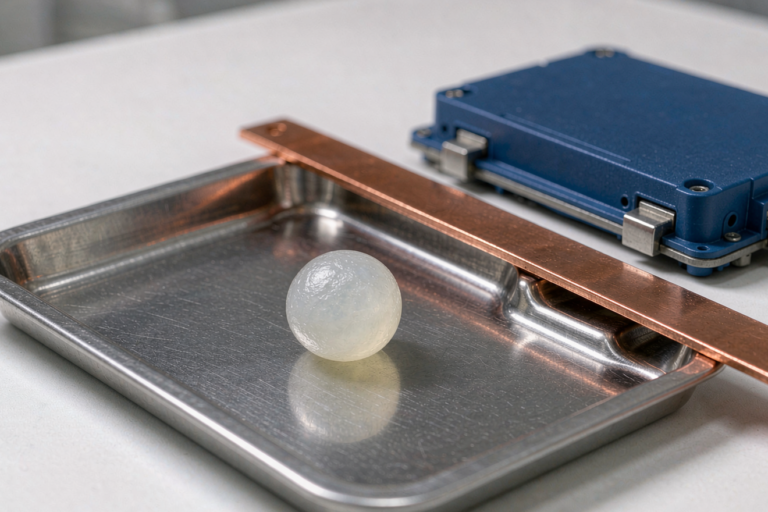
Semi-Solid State Battery Low Temperature Performance
Every fleet manager who runs equipment in a northern climate asks me the same question before they approve a new chemistry: how does it behave when the temperature drops? I have spent the better part of fifteen years on lithium cell lines, and the answer never changes. Cold is where weak cells and weak packs get exposed, and that holds for any lithium battery. A semi-solid state battery is no exception, but the failure modes are different from a conventional lithium ion cell, and understanding them is the first step to sizing a system that survives a real winter rather than a laboratory brochure.
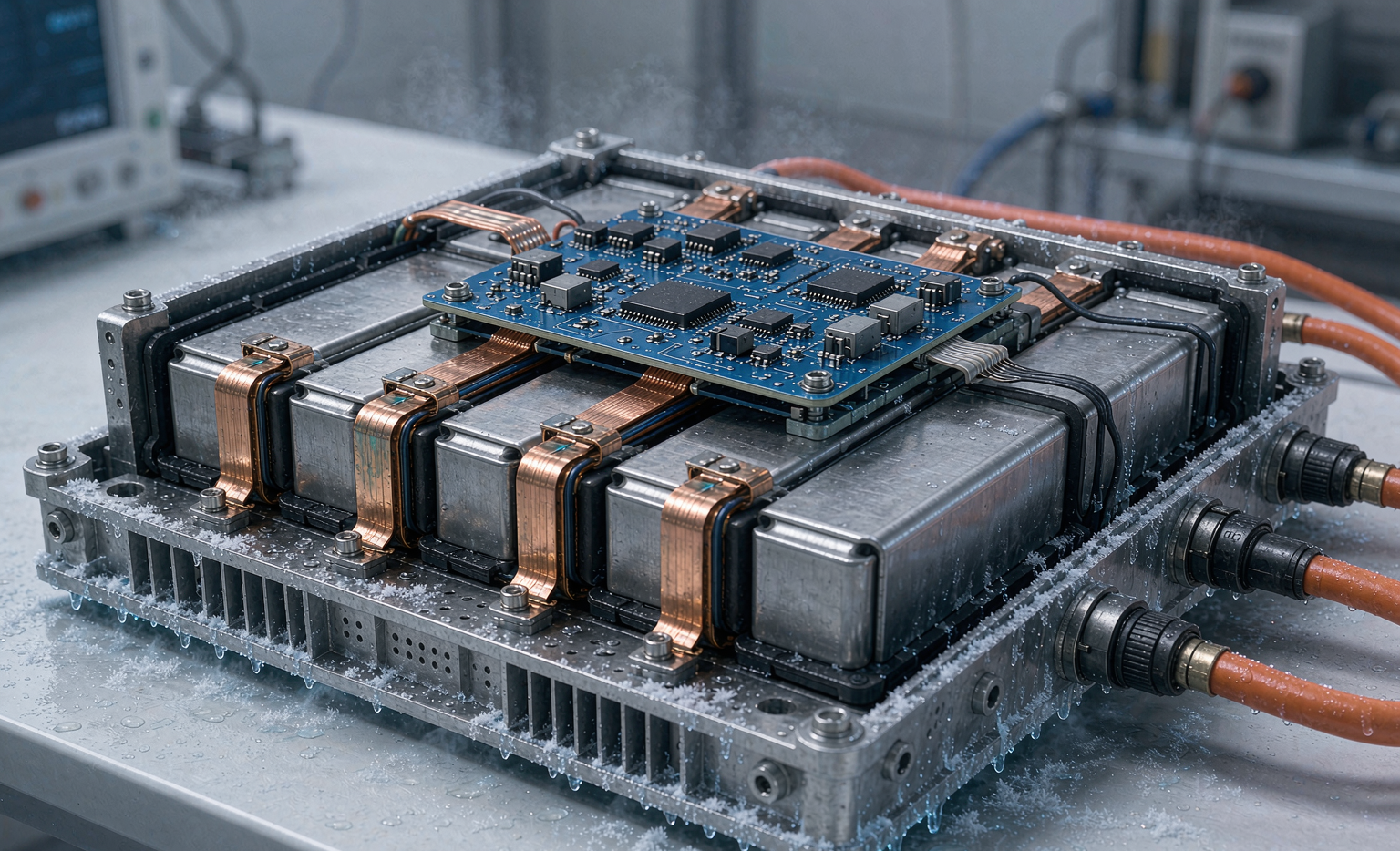
Why Cold Weather Is the Hardest Test for Any Lithium Cell
When a cell cools, two things happen at once. The electrolyte slows down, and the chemical reactions at the electrode surfaces become harder to drive. In a liquid electrolyte lithium ion cell, ionic conductivity can fall by a factor of two or three for every ten degrees Celsius of cooling once you get below room temperature. The cell does not lose its stored energy, but it loses the ability to move that energy in and out quickly. That is why a drone that flies for twenty five minutes at twenty five degrees Celsius may struggle to lift off at minus fifteen.
I tell customers to think of cold performance as a headroom problem, not a capacity problem. The rated amp hours are still there. What disappears is the power window you are allowed to use without damaging the cell. A semi-solid state battery narrows that window more slowly than a wet cell, but it still narrows it, and the engineering job is to know exactly where the edge sits for your duty cycle.
What Changes Inside a Semi-Solid Cell Below Zero
A semi-solid state battery uses a composite electrolyte that is part polymer, part ceramic, and only lightly wetted with liquid. That structure is the reason the chemistry is safer at high temperature and more stable under abuse. It also changes the cold behavior in a way engineers need to respect.
Below about zero degrees Celsius, the polymer fraction of the electrolyte stiffens. The ceramic framework still conducts lithium ions, which is the big advantage over a frozen liquid electrolyte, but the interfacial resistance at the cathode and anode rises. In practice this means the cell holds more of its discharge capacity than a liquid cell at the same temperature, yet its ability to accept a fast charge drops sharply. I have measured direct current internal resistance climbing from roughly thirty five milliohms at twenty five degrees Celsius to over one hundred milliohms at minus twenty in early semi-solid samples. The energy is there. The pathway is just tighter.
This is also where lithium plating risk lives. If you force a high charge current into a cold semi-solid cell, lithium metal can deposit on the anode instead of intercalating. That plating is permanent capacity loss at best and a safety hazard at worst. Every battery management system we ship is therefore configured to cut charge current as temperature falls, and the knee in that curve is something we validate per pack design.
Ionic Conductivity and the Real Freeze Line
People ask me for a single freeze temperature, as if a battery stops at one number. It does not work that way. A conventional liquid electrolyte can begin to thicken near minus ten to minus twenty degrees Celsius depending on the salt and solvent blend. A semi-solid composite electrolyte has no free liquid to crystallize, so it keeps conducting well past that point, but its conductivity still follows an Arrhenius style decline: every drop in temperature raises the activation energy needed for ion transport.
In our test data, a semi-solid cell typically retains sixty to seventy percent of its room temperature discharge capacity at minus twenty degrees Celsius, against roughly forty to fifty percent for a comparable liquid lithium battery of the same format. By minus thirty the gap widens further. That difference is what lets a semi-solid pack keep a vehicle or a remote sensor alive through a cold night when a liquid pack would have tripped its low voltage cutoff. The number that matters for your project is not the freeze line, it is the capacity retained at the coldest temperature your equipment actually sees.
Capacity Fade You Should Expect at Minus Twenty
I want to be straight with buyers: cold does not destroy a semi-solid cell, but repeated cold cycling without proper management will accelerate calendar aging. The dominant mechanism is not the cold itself, it is the combination of cold and high charge rate. If you charge a cold pack hard, you plate lithium, you raise local pressure, and you slowly roughen the interface. Over a few hundred cycles that shows up as a few percent of extra capacity loss per winter.
For a typical stationary or light duty duty cycle, I budget an extra two to four percent annual fade when the pack spends a large share of its life below zero degrees Celsius. That is acceptable for most off grid and mobile applications if you design the pack with margin. For a high sortie drone fleet operating at minus twenty, I would not rely on fast field charging at all. You charge in a warmed case, or you carry enough pack margin to skip charging until you are back indoors.
How We Engineer Cold Weather Headroom
When a customer comes to us for a custom battery solution that has to work in cold climates, the design conversation starts with the duty cycle, not the cell. We map the lowest expected ambient, the peak power draw, and the charge window. From there we choose the cell format, the parallel count, and the thermal strategy.
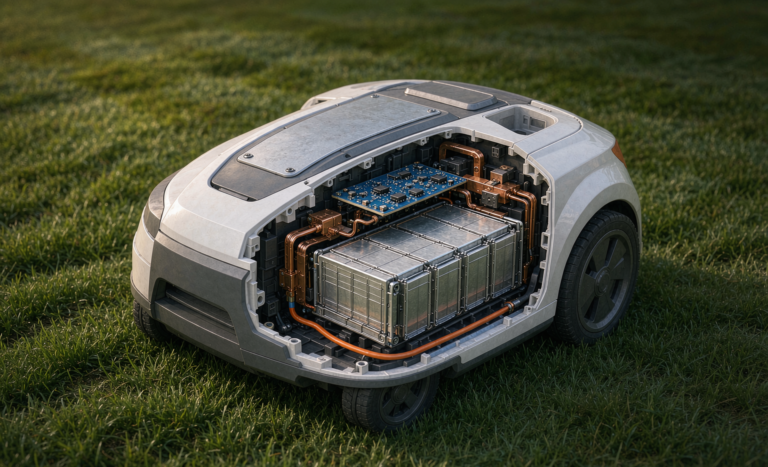
The first lever is cell selection and parallelization. More parallel cells lower the per cell current, which keeps each cell inside its safe power window at low temperature. The second lever is the electrolyte blend. Our semi-solid formulations are tuned per application, and cold rated versions use a softer polymer host that stays compliant further down the scale. The third lever is the enclosure. A modest insulated housing plus a small heater element can keep a pack above its comfortable window during standby, which protects both capacity and cycle life.
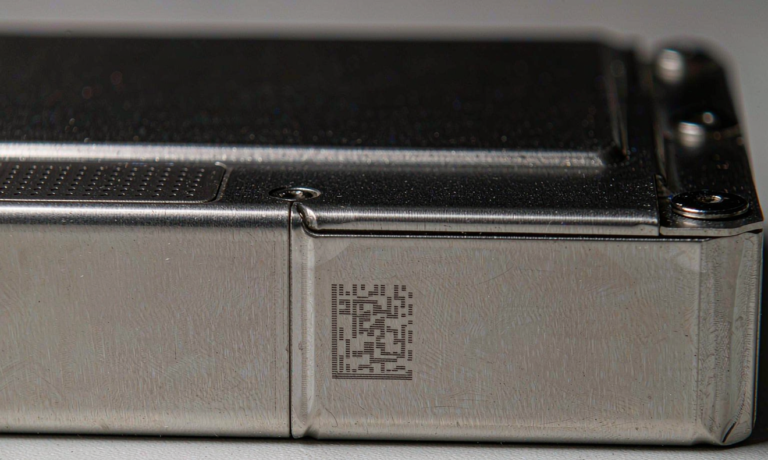
I also spec the battery management system conservatively. The cold charge limit table is the single most important safety parameter in a northern deployment, and we set it from measured data on the actual cell, not from a generic datasheet. Every Horizon Power pack leaves the line with that table locked and traceable to the validation lot.
Pre Heating and Thermal Management in the Field
The cleanest way to beat cold is to not let the cell be cold when it has to work hard. For high value applications we integrate a low wattage heater mat bonded to the module, controlled by the battery management system. The pack warms itself to a target window, say zero to five degrees Celsius, before a heavy discharge or any charge. The energy cost is small, typically one to three percent of pack capacity per warm up cycle, and it pays back through longer life and full available power.
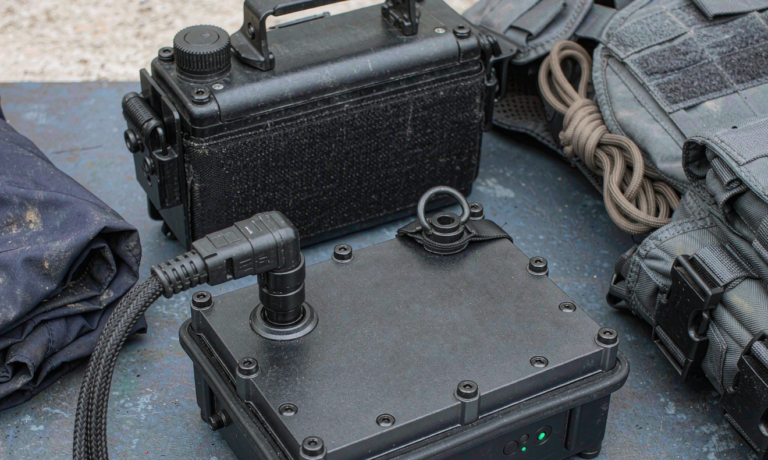
For stationary home energy storage and remote telecom sites, passive insulation plus a small heating element is usually enough, because those loads are predictable. For mobile equipment such as drones, survey robots, or cold chain units, I prefer a heated transport case so the pack arrives warm and only needs top up heating. The point is the same in every case: manage the temperature at the cell, and the semi-solid chemistry will deliver most of its rated performance even when the world outside is frozen.
What temperature is too cold to charge a semi-solid state battery?
As a rule we do not fast charge below zero degrees Celsius and we limit charge current progressively from about five degrees Celsius downward. Trickle charging at very low current may be allowed by the management system, but any meaningful charge rate below freezing risks lithium plating. The exact cutoff is set per pack from validation data on the specific cell.
Does a semi-solid state battery lose capacity in the cold?
It loses available power more than stored capacity. Discharge capacity typically stays at sixty to seventy percent of room temperature value at minus twenty degrees Celsius, but the safe power window shrinks, so the equipment may trip on voltage or current before the amp hours are gone. Proper thermal management recovers most of that window.
How does semi-solid performance compare to lithium ion in winter?
At minus twenty degrees Celsius a semi-solid cell usually retains roughly ten to twenty percentage points more discharge capacity than a comparable liquid lithium battery, because the composite electrolyte has no free liquid to freeze. The bigger advantage is stability: the semi-solid structure resists the dendrite and plating failures that cold fast charging causes in liquid cells.
Can you use a semi-solid state battery outdoors in winter?
Yes, with design margin. Outdoor packs need insulation, a managed heater where charging occurs, and a conservative cold charge limit table in the battery management system. We routinely deploy these packs for off grid and remote equipment, and the key is keeping the cell above its comfortable window during charge and heavy discharge.
Why does internal resistance rise at low temperature?
Cold slows ion transport through the electrolyte and raises the interfacial resistance at the electrodes. In a semi-solid cell the ceramic framework keeps conducting, but the polymer fraction stiffens below zero, so direct current internal resistance can climb from about thirty five milliohms at room temperature to over one hundred milliohms at minus twenty. That is what limits power, not lost energy.
Do you offer a custom battery solution for cold climates?
Yes. We design cold rated semi-solid packs per application, selecting the electrolyte blend, parallel count, enclosure insulation, and heater strategy from the customer duty cycle. Each pack ships with a cold charge limit table validated on the actual cell and locked in the battery management system for traceability.
Further Reading
References