Sodium-Ion Battery for Scissor Lifts and Aerial Work Platforms
If you run a fleet of scissor lifts or aerial work platforms, you already know the weak point is rarely the lift mechanism. It is the battery. I am Karl Huang, Senior lithium battery Engineer at Horizon Power, and over the last eight years I have field-tested battery packs on construction sites, warehouses, and cold-storage retrofits across three continents. When customers ask me whether a sodium-ion battery can replace the lead-acid or lithium packs they currently run, my answer is now a qualified yes for a specific set of duty cycles. This article explains where sodium-ion batteries make sense on aerial platforms, where they do not, and how to size and certify a pack that will pass inspection the first time.
The Duty Cycle That Breaks Conventional Packs
Scissor lifts and aerial work platforms place unusual demands on a battery. The pack sits low in the chassis, close to the ground but exposed to vibration, dust, and frequent deep discharges. A typical indoor scissor lift cycles 20 to 40 percent state of charge per lift sequence and may complete 30 to 60 lift cycles in a single shift. Outdoor models add temperature swings from minus 10 to plus 45 degrees Celsius. Lead-acid packs hate partial state-of-charge operation, and sulfation sets in within a season of abuse. Lithium iron phosphate packs handle this well but cost more and lose capacity in the cold. A sodium-ion battery enters here because its chemistry tolerates shallow cycling and low temperatures better than either option in the mid-power range. For a rental fleet that cannot control how operators charge, that tolerance is worth more than a few percent of extra energy density. The hydraulic pump also draws a sharp current inrush at lift start, so I size the pack for 3C peak discharge for two seconds rather than the one-second rating printed on the cell datasheet. That margin prevents the voltage sag that triggers a low-voltage cutoff mid-cycle.
Cold-Weather Performance on Job Sites
The single biggest reason rental fleets ask about sodium-ion batteries is winter. Sodium-ion cells built on layered oxide or polyanion chemistry retain roughly 80 to 90 percent of room-temperature capacity at 0 degrees Celsius, and still deliver 70 percent or more at minus 20 degrees Celsius. That is a meaningful edge over lithium iron phosphate, which can drop to 60 to 70 percent at 0 degrees Celsius and struggles below minus 10. For aerial platforms working on unheated sites, bridge decks, or cold-storage loading docks, that difference translates to more lift cycles per charge and fewer mid-shift battery swaps. I have measured sodium-ion packs completing 28 lift cycles at minus 15 degrees Celsius where an equivalent lithium iron phosphate pack managed only 19. The gap widens as the platform idles in the cold between tasks, because a lithium pack also charges more slowly when chilled while a sodium-ion battery accepts current with little penalty. A lithium pack that arrives at the depot half frozen may refuse to charge until it warms, but a sodium-ion battery will take a partial charge immediately, which keeps the rotation tight on a busy site.
Safety and Thermal Behavior at Height
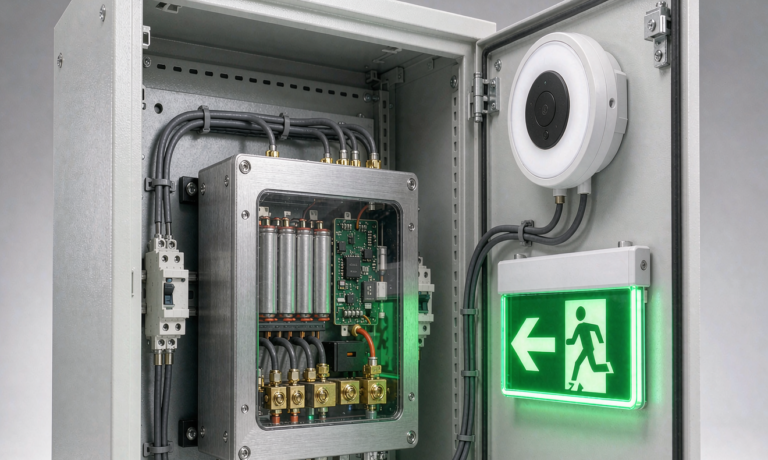
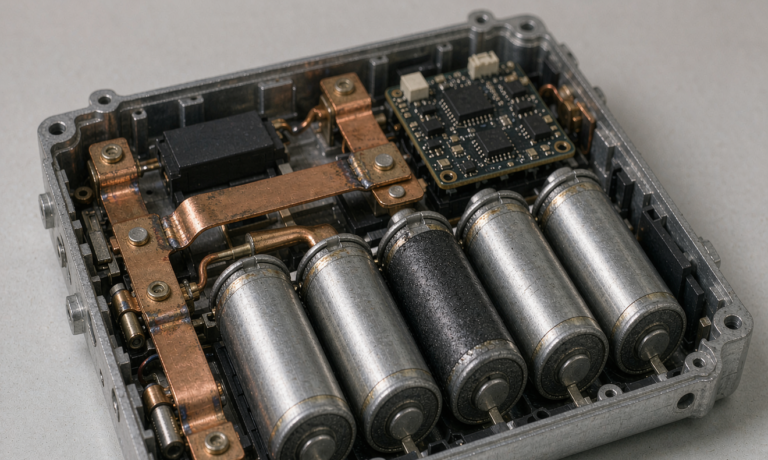
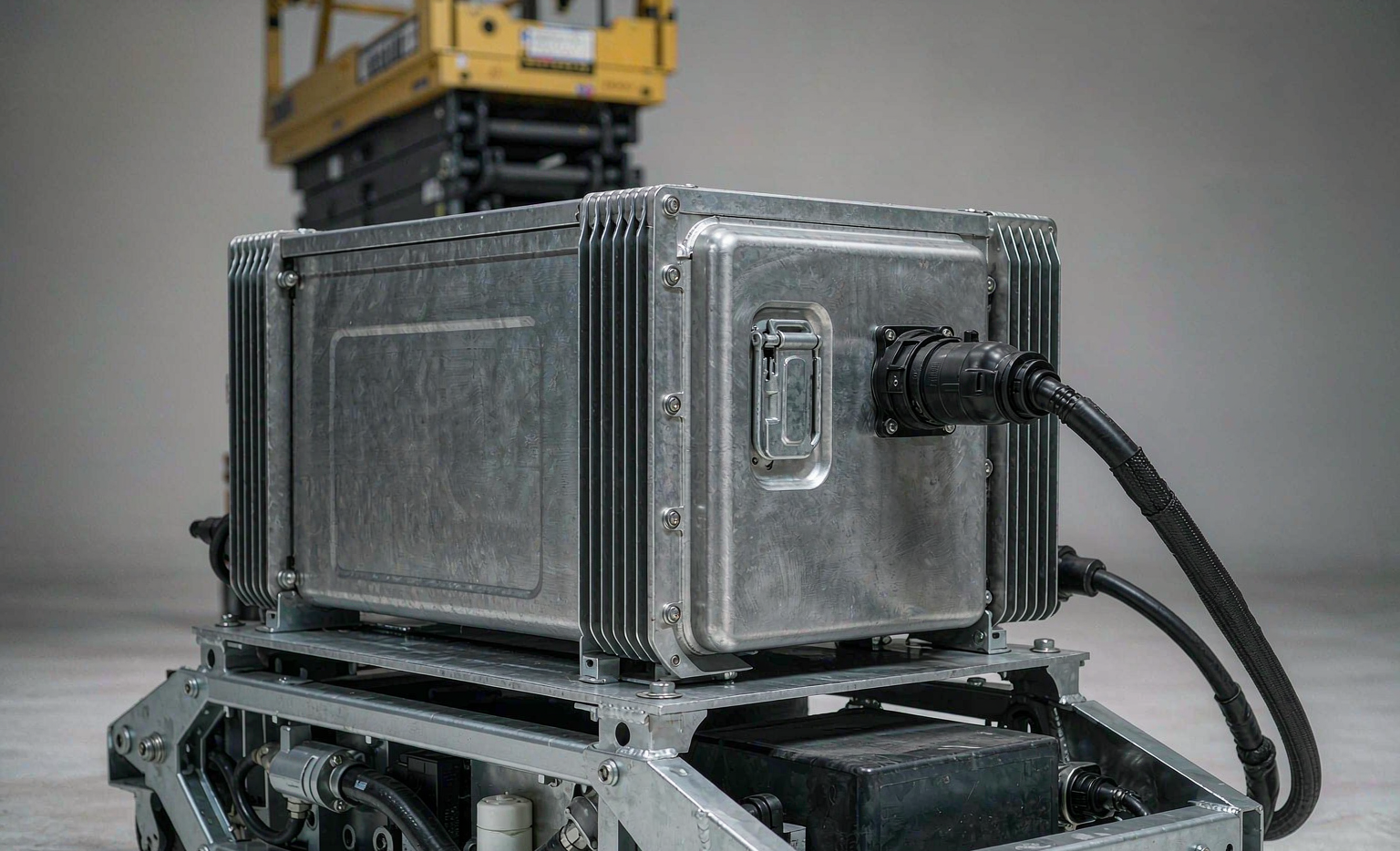
Working at height changes the risk calculus. A thermal event in a pack mounted under the platform deck is harder to reach and evacuate than one in a warehouse rack. Sodium-ion cells do not contain lithium metal and are far less prone to exothermic runaway. In abuse testing we subject cells to nail penetration, overcharge, and external short per UN38.3 and IEC 62133. Sodium-ion cells typically vent and cool rather than propagate flame. That said, a battery pack is only as safe as its battery management system. For aerial platforms I specify a management system with independent voltage and temperature sensing on every parallel group, redundant contactors, and a certified enclosure rated to the dust and splash exposure of the job site. The chemistry reduces risk; the system design controls it. I never ship a pack where a single sensor failure can mask an entire module.
Energy Density Versus Total Cost of Ownership
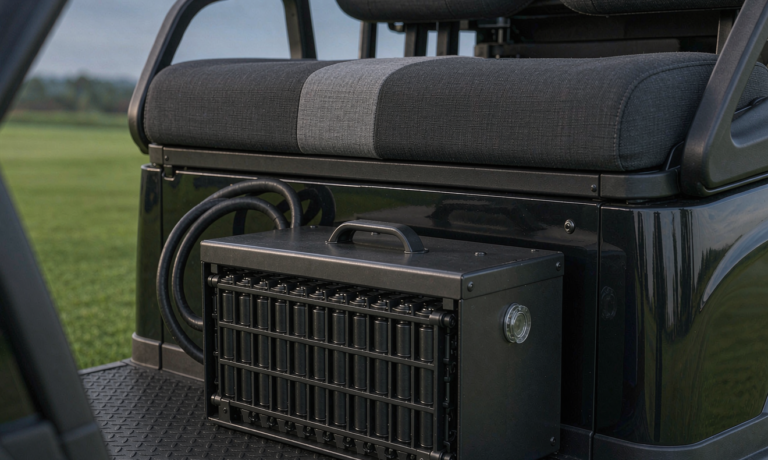
The honest trade-off is weight and volume. A sodium-ion battery delivers about 90 to 160 watt-hours per kilogram at the cell level, roughly two-thirds of a good lithium iron phosphate cell. On a scissor lift where the pack sits in a counterweight bay, the extra mass is actually neutral or beneficial because it lowers the platform center of gravity. Volume is the bigger constraint on compact vertical mast lifts. For most slab scissor lifts and rough-terrain models, the bay is large enough that the size penalty is acceptable. On total cost of ownership the math favors sodium-ion when you factor cell material cost. Sodium and aluminum current collectors are abundant and cheap compared with lithium and copper. Over a five-year fleet life, we typically see 15 to 25 percent lower pack cost at equal cycle rating, before counting the cold-weather productivity gain that shortens payback further.
Charging Strategy and Opportunity Charging
Aerial platforms are often opportunity charged between uses rather than fully cycled overnight. Sodium-ion batteries accept partial charging without memory effect and tolerate high charge rates better than lead-acid. I recommend a charging profile capped at 1C with a constant-voltage finish at 3.95 to 4.1 volts per cell depending on the cathode chemistry. Avoid trickle charging at 100 percent state of charge for long storage; like all chemistries, sodium-ion ages faster when held at top of charge in heat. For fleet depots, a simple rule works well: charge to 90 percent between shifts, and reserve a weekly full balance charge. This extends pack life past 3000 cycles at 80 percent capacity retention in our lab data, which is the threshold most fleets use to justify a pack replacement budget.
Certification and Compliance for Mobile Equipment
Any battery you mount on mobile elevated work equipment must clear transport and product safety rules. We build every sodium-ion pack to UN38.3 for transport, IEC 62133 for portable safety, and align the enclosure and wiring with the relevant regional machinery directives. In the United States, lifts fall under ANSI/SAIA A92 standards for mobile elevating work platforms, and the battery must not compromise the platform’s stability or emergency descent. In Europe, the EN 280 standard applies. For aviation-adjacent or offshore use, we add ingress protection to IP65 and vibration testing to IEC 60068. A custom battery solution for an aerial platform is not a catalog purchase; it is an engineered package with documented failure modes and a service interval that the rental desk can actually follow. We also label every pack with a permanent rating plate showing chemistry, nominal voltage, and the date of the last impedance test, because auditors on industrial sites ask for that plate before they allow the machine on the floor.
Sizing a Pack That Matches the Lift
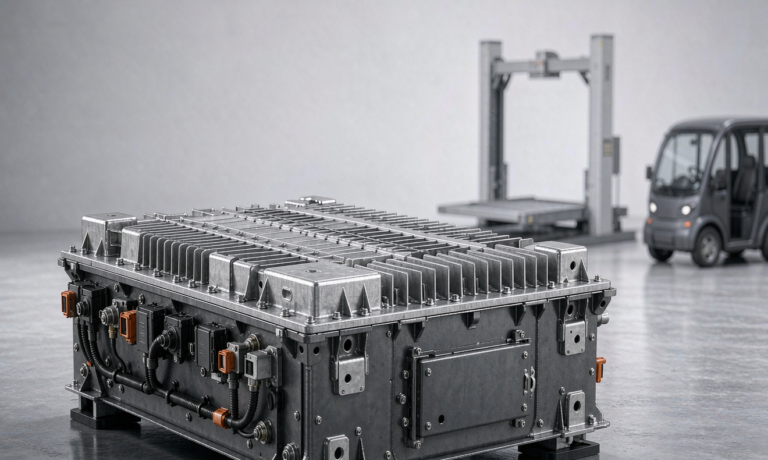
As a practical example, a 10-meter slab scissor lift with a 320-kilogram platform load and a 24-volt hydraulic pump drawing 60 amps peak needs about 4 to 5 kilowatt-hours for a full shift of intermittent lifts. A sodium-ion pack at 25.6 volts nominal, built from 80 amp-hour cells, delivers that with margin and weighs close to the lead-acid unit it replaces. For a 12-meter rough-terrain model with 48-volt drives, plan 10 to 12 kilowatt-hours and size the battery management system for 200-amp continuous discharge. I always add 20 percent capacity headroom so the pack never sees below 10 percent state of charge in normal use. That headroom is what keeps the warranty valid and the platform on the job instead of in the repair bay. I also wire the battery management system to the platform controller over a simple CAN bus so the operator sees state of charge on the existing display and the depot sees cycle count in the maintenance log. That data closes the loop between how the machine is actually used and how the pack was specified.
Can a sodium-ion battery directly replace my lead-acid pack?
Often yes on voltage and footprint, but you must replace the charger profile and battery management system. Sodium-ion uses a different voltage window and charge termination than lead-acid, so a drop-in cell without a matched management system will underperform or fault. Treat the swap as a system change, not a cell change.
How does cold weather change the runtime of an aerial platform?
Expect 70 to 90 percent of rated capacity down to minus 20 degrees Celsius, far better than lithium iron phosphate in the same conditions. The practical effect is more lift cycles per charge on winter job sites and fewer battery swaps, which is why cold-climate fleets ask about this chemistry first.
Is a sodium-ion battery safe on a raised platform?
The cells are inherently lower risk than lithium metal systems and vent rather than flame under abuse. Safety still depends on a certified battery management system, redundant contactors, and an enclosure matched to the job-site environment. Chemistry reduces risk, but system design controls it.
What is the expected service life of a sodium-ion pack?
In our testing, properly sized packs reach 3000 cycles at 80 percent capacity retention when charged to 90 percent between shifts. That typically means four to six years in daily rental or construction use before the pack drops below the fleet threshold.
Does the extra weight of sodium-ion hurt platform stability?
On scissor lifts the pack sits low in the counterweight bay, so added mass lowers the center of gravity and can improve stability. Volume, not weight, is the main constraint on very compact vertical mast models where bay space is tight.
Which certifications does a mobile elevated work platform battery need?
At minimum UN38.3 for transport and IEC 62133 for product safety, with enclosure and wiring aligned to ANSI/SAIA A92 or EN 280 depending on market. We engineer each custom battery solution with documented compliance for the target region so the platform passes audit without rework.
Further Reading
References