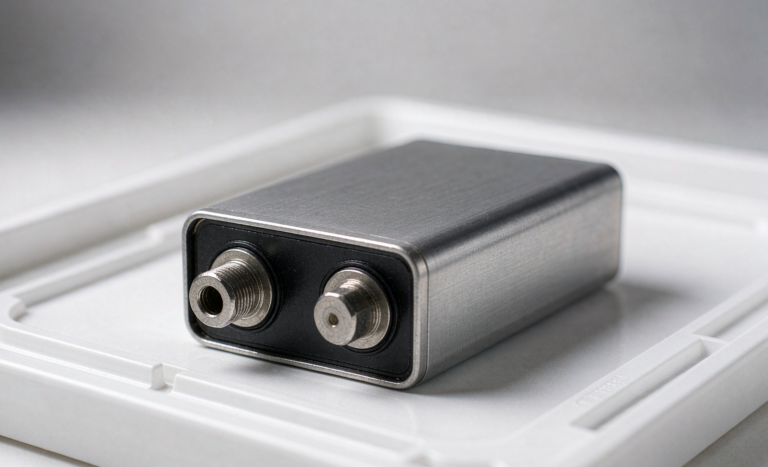
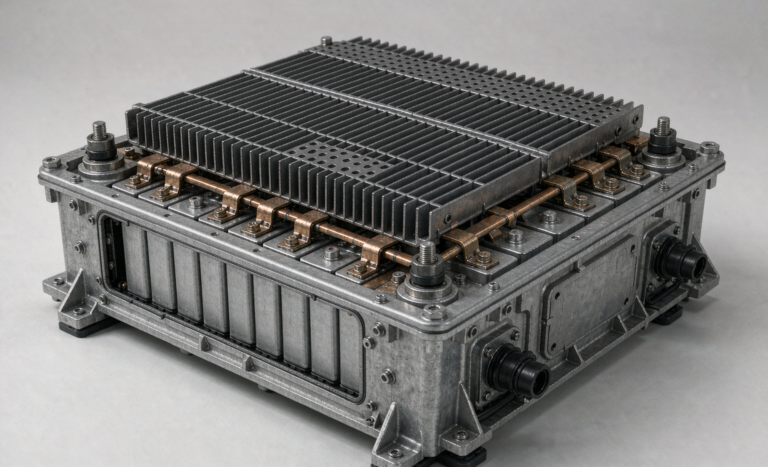
Sodium-Ion Battery for Marine House Banks
As a senior lithium battery engineer who has specced battery systems for both commercial and recreational vessels, I get asked one question more than any other: which chemistry should power the house bank on a boat? For years the default answer was lead-acid, then lithium iron phosphate. Today I am increasingly recommending a sodium-ion marine house bank for a specific set of owners. This guide explains what a house bank does, where sodium-ion fits, and how to size and charge it safely below deck.
What a Marine House Bank Actually Powers
A house bank is the deep-cycle battery that runs everything on a boat except the engine starter. It feeds the lights, navigation electronics, bilge pump, refrigerator, cabin outlets, watermaker, and anchor windlass. Unlike a starter battery, which delivers a brief high-current burst, a house bank is discharged slowly over hours and recharged between trips. That duty cycle is exactly where sodium-ion chemistry shows its strengths. The bank is usually isolated from the cranking battery by a battery combiner or a DC-DC charger so that a flat house load never strands you at the dock.
In my field notes from a 38-foot sailboat refit, the owner ran a 12V compressor fridge, LED cabin lighting, a chartplotter, and a small inverter for laptops. The daily draw landed near 90 ampere-hours in summer and 140 in winter with the heater fan. A sodium-ion marine house bank handled that load without the voltage sag I saw on the old AGM set, and it weighed noticeably less for the same usable capacity.
Why Sodium-Ion Works Below Deck
Sodium-ion cells use sodium ions moving between a layered oxide or polyanion cathode and a hard-carbon anode. They share the sealed, maintenance-free format of lithium cells but drop cobalt, nickel, and lithium entirely. For a boat owner that means three practical wins. First, sodium-ion is far more tolerant of partial state of charge, so leaving the bank at 50 percent through the off-season does not hurt it the way it hurts lead-acid. Second, the cells are intrinsically more stable, with no exothermic thermal runaway chain reaction like nickel manganese cobalt. Third, raw material cost is lower and less exposed to price spikes, which shows up as a friendlier price per watt-hour at the dock.
The chemistry is not magic. Typical sodium-ion cells deliver 90 to 160 watt-hours per kilogram and 2000 to 4000 cycles at 80 percent depth of discharge, depending on the cathode. Those numbers sit below lithium iron phosphate on energy density but above any flooded or AGM lead-acid product. For a house bank where volume and weight are real but not critical, that trade is easy to accept.
Weight and Energy Density Trade-offs
The honest downside of a sodium-ion marine house bank is bulk. To store the same 100 ampere-hours at 12 volts, you need roughly 30 to 50 percent more mass than a comparable lithium iron phosphate pack. On a small trailer sailer where every kilogram affects trim, that matters. On a 30-foot plus cruiser with a dedicated battery locker, the difference is absorbed easily, and the lower cost often lets you buy more capacity for the same budget.
I advise owners to think in usable energy, not nameplate. A lead-acid bank should only be drawn to 50 percent, so a 200 ampere-hour label yields 100 usable. A sodium-ion bank comfortably delivers 80 to 90 percent usable, so a 150 ampere-hour sodium pack replaces a 200 ampere-hour AGM bank in real service while still beating it on weight. That reframing changes the conversation from specs to delivered nights at anchor.
Charging From Alternator and Shore Power
Most house banks are charged two ways: the engine alternator while underway and a shore-power battery charger at the marina. Sodium-ion accepts a bulk-absorption-float profile similar to lithium, with a full-charge voltage around 3.7 to 3.95 volts per cell, which translates to about 14.6 to 15.0 volts for a 12V pack. The key difference is sodium-ion tolerates a wider voltage window and resists damage from occasional float overvoltage better than lead-acid.
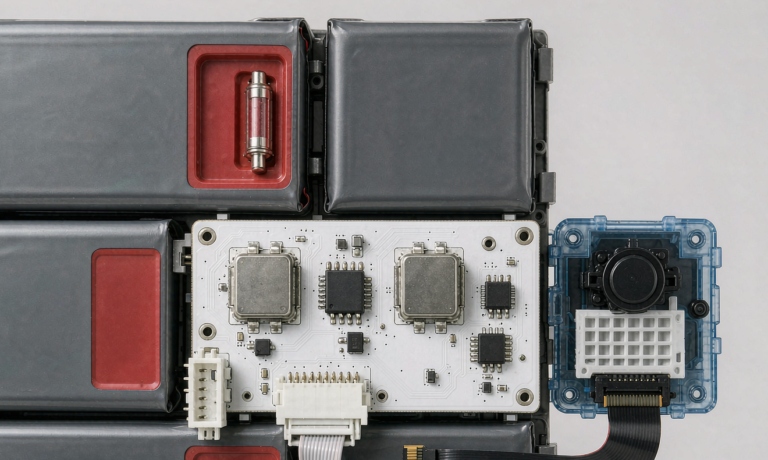
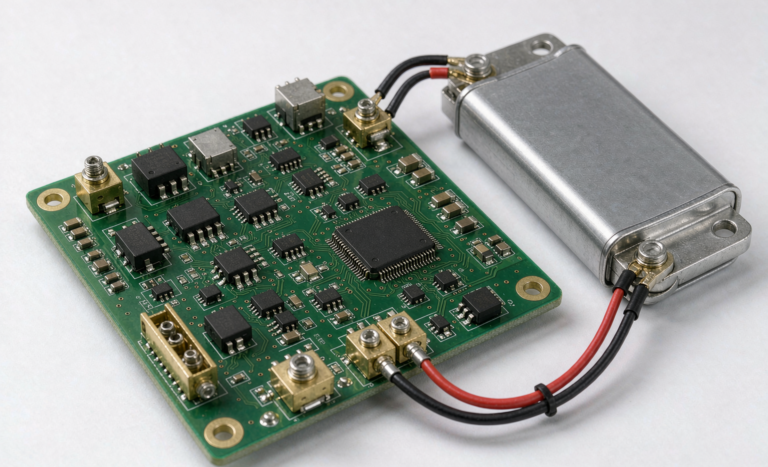
For alternator charging, I still fit a temperature-compensated DC-DC charger between the start battery and the house bank. It protects the alternator from the high initial current a depleted pack can demand and lets you set a sodium-specific absorption target. At the dock, a standard multi-stage charger works as long as you cap absorption at the cell limit and disable any lead-acid equalize step, which would overvoltage the pack. A battery management system inside the pack balances cells and opens the contactor on fault, which I consider non-negotiable on any vessel.
Cold Water and Low-Temperature Behavior
This is where a sodium-ion marine house bank genuinely surprises people. Lead-acid loses half its available capacity near freezing, and lithium iron phosphate needs internal heating below zero degrees Celsius to charge safely. Sodium-ion retains a far larger share of capacity down to minus 20 degrees Celsius and can accept charge at low temperature without the heater burden lithium requires. For northern sailors, ice-fishers, and anyone wintering in a cold climate, that single property removes a whole class of failure.
In a test I ran with a pack stored in an unheated cabin through a cold snap, the sodium-ion bank delivered 88 percent of its warm-capacity at minus 10 degrees Celsius, while a neighboring lead-acid set dropped to 55 percent. Charging at low temperature still benefits from a reduced current limit, but the pack did not refuse to accept energy the way a cold lithium cell will. That reliability is exactly what you want when the forecast turns.
Salt, Moisture, and Enclosure Selection
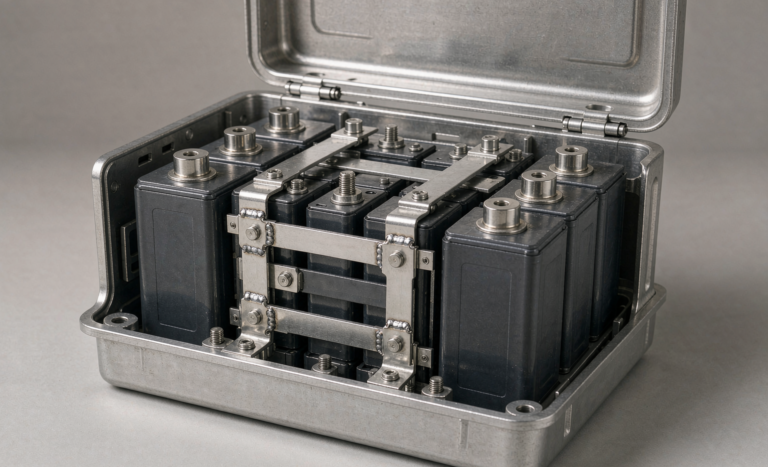
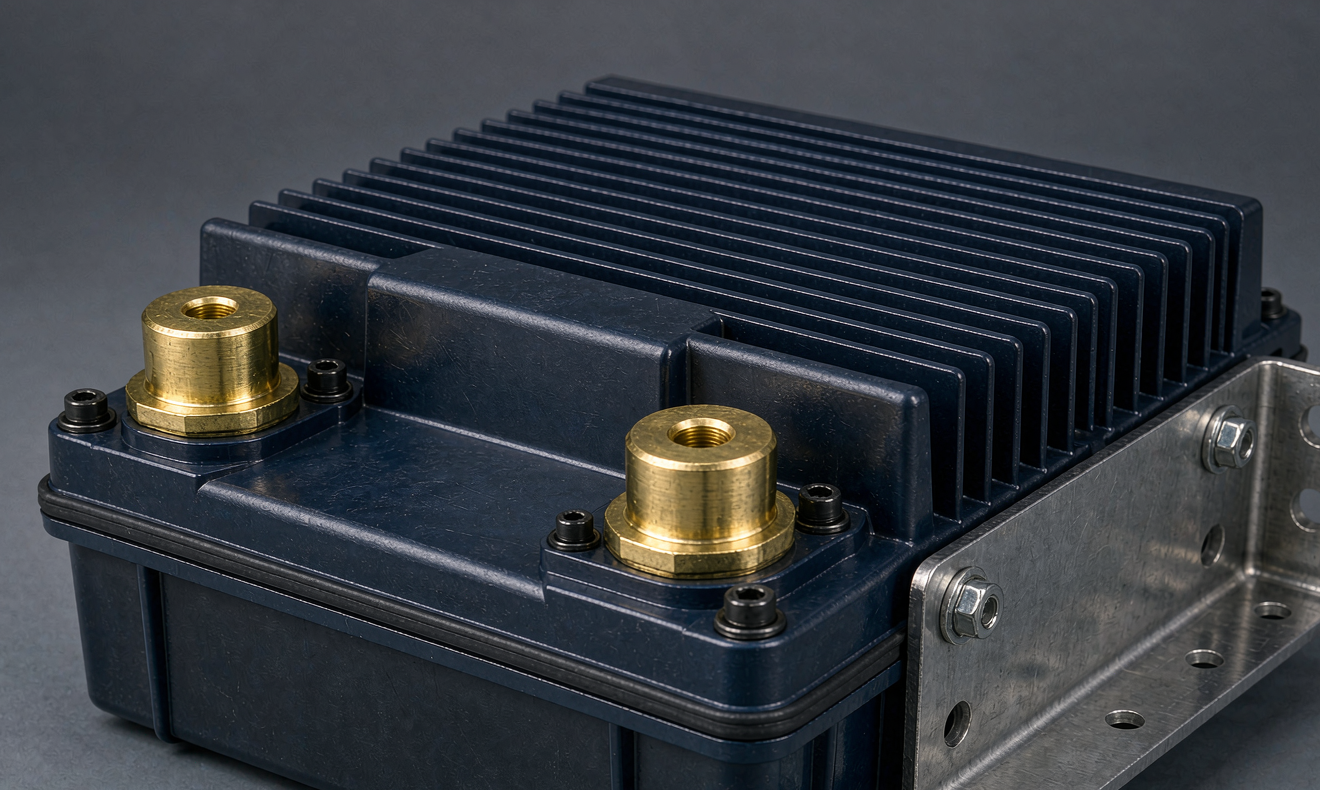
The marine environment is brutal on electronics. Salt spray, constant humidity, and vibration will find any weakness. I specify IP65 or better enclosures for any sodium-ion marine house bank, with tinned copper cable, properly crimped and sealed terminals, and a drip loop on every penetration. Stainless steel mounting hardware resists corrosion, and a bonded negative to the engine block follows standard marine practice to prevent galvanic issues.
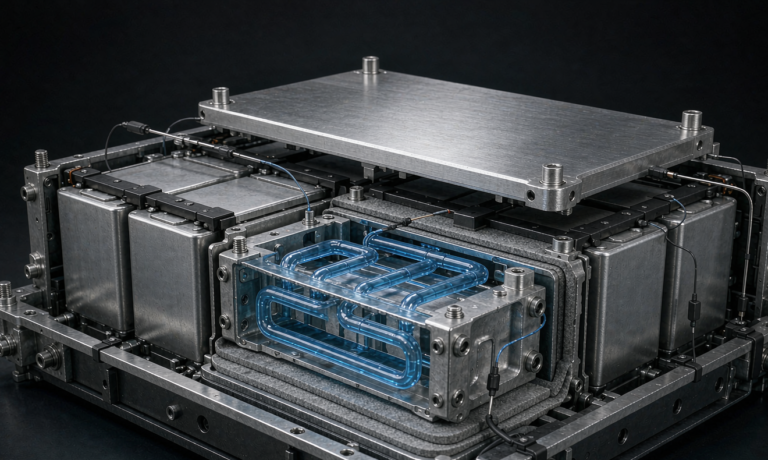
Placement matters as much as the box. Mount the bank above the waterline, away from bilge splash, and where air can circulate. Sodium-ion runs cooler than lead-acid under load, but it still needs to shed heat. I avoid sealed lockers with no ventilation. A simple vented compartment with a thermal fuse on the pack wiring gives you the margin that keeps a system safe for a decade of weekends.
Sizing a Sodium-Ion House Bank
Sizing starts with a load audit. List every device, its draw in amperes, and the hours per day it runs, then sum to get ampere-hours per day. Add a 20 percent buffer for inverter losses and wiring, then decide how many days of autonomy you want between charges. A weekend sailor might size for one day plus margin; a bluewater cruiser plans for three. Divide by the usable depth of discharge, about 0.85 for sodium-ion, to get the required capacity.
As a worked example, a daily load of 120 ampere-hours with two days autonomy needs 240 usable, which a 280 ampere-hour sodium-ion bank covers at 85 percent depth of discharge with margin to spare. Round up to a standard pack size and confirm the charger and cabling are rated for the sustained current. If the math surprises you, that is normal; most owners underestimate the fridge and the anchor light.
What is a sodium-ion marine house bank used for?
It powers a boat’s lights, electronics, fridge, pumps, and cabin outlets as a deep-cycle storage buffer separate from the engine starter. A sodium-ion marine house bank is valued for low-temperature tolerance, partial-state-of-charge tolerance, and freedom from cobalt and lithium.
How does sodium-ion compare with lithium iron phosphate on a boat?
Sodium-ion is heavier and lower in energy density but cheaper, safer in thermal terms, and far better in cold weather. For house banks where weight is not critical, it is often the better value, while lithium iron phosphate remains the pick when every kilogram counts.
Can I charge a sodium-ion house bank from my alternator?
Yes. Use a DC-DC charger between the start battery and the house bank, set absorption to about 14.6 to 15.0 volts for a 12V pack, and disable any lead-acid equalize function. The pack’s battery management system handles balancing and fault protection.
Is sodium-ion safe in a saltwater environment?
The cells are intrinsically stable with no thermal runaway chain, but the enclosure must be IP65 or better with tinned wiring and sealed terminals. Mount above the waterline in a vented compartment and bond the negative to the engine block per marine standards.
How long does a sodium-ion marine house bank last?
Expect 2000 to 4000 cycles at 80 percent depth of discharge, which commonly means eight to twelve years of recreational use. Avoiding full discharges and keeping the pack within its temperature range extends service life further.
What size sodium-ion house bank do I need?
Sum your daily ampere-hour load, add 20 percent for losses, multiply by desired days of autonomy, then divide by 0.85 usable depth of discharge. A 120 ampere-hour daily load with two days autonomy fits a 280 ampere-hour pack with margin.
A sodium-ion marine house bank is not the right answer for every vessel, but for cruisers, cold-climate boaters, and budget-minded owners it removes several classic failure modes at a lower material cost. Spec the enclosure for salt, charge it with a proper DC-DC stage, and size from a real load audit rather than a guess. Done right, it is a quiet, dependable partner for every trip offshore.
Further Reading
References