Sodium-Ion Battery for Shuttle Fleets
Airport terminals, university campuses, resort towns, and corporate parks all rely on shuttle fleets to move people on short, repeatable loops. These vehicles run all day, stop and start constantly, and return to a depot every night. From an engineering standpoint, that duty cycle is unlike a long-haul truck or a passenger car, and it changes which battery chemistry actually makes sense. Over the last two years I have tested sodium-ion packs in exactly this kind of service, and I have reached a clear conclusion: a sodium-ion battery for shuttle fleets is often a better fit than a lithium-ion pack for the same route.
Fleet decarbonization rules in airports and city centers are pulling diesel shuttles off the road, and the operators replacing them are discovering that chemistry choice drives both uptime and total cost more than the headline range number. The shuttle duty profile rewards a different set of cell traits than a highway vehicle, and sodium-ion happens to line up with almost all of them.
Why Shuttle Fleets Are a Hard Duty Cycle
A shuttle is not a highway vehicle. The average loop is two to eight kilometers, the top speed is capped by local rules, and the pack sees dozens of shallow discharge and recharge events in a single shift. That pattern stresses a battery in three ways that are easy to overlook on a spec sheet.
First, the daily throughput is high. A campus shuttle that runs 18 hours a day can push 1.5 to 3 equivalent full cycles per day. Over a five-year service life that is roughly 2,700 to 5,500 equivalent cycles. Most buyers compare nameplate cycle ratings without converting them to real duty, and that is where lithium-ion packs sometimes disappoint.
Second, regenerative braking is constant. Every stop recovers energy, which means the cells absorb irregular charge pulses all day. A chemistry that tolerates partial state-of-charge operation and frequent micro-cycles ages more gracefully than one that expects clean, deep cycles.
Third, the vehicle sits in a passenger-loaded cabin for hours. Any thermal event is a public-safety event, not just a warranty claim. That single fact reframes the whole battery decision toward safety margin and abuse tolerance.
How Sodium-Ion Chemistry Fits Shuttle Duty
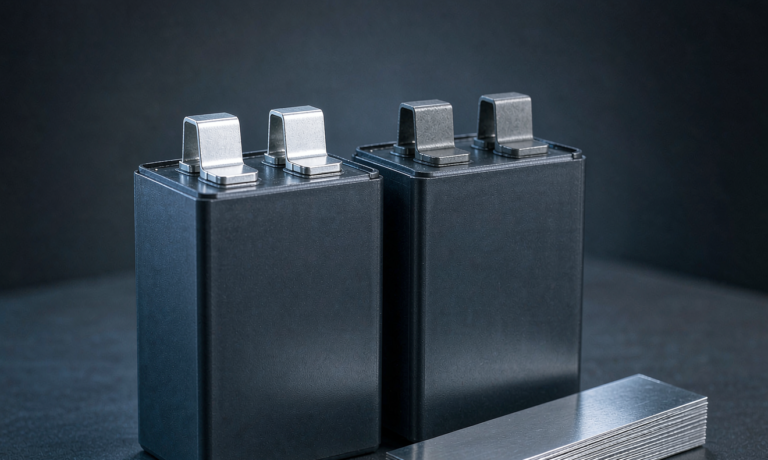
Sodium-ion cells use sodium ions moving between a layered oxide or polyanion cathode and a hard-carbon anode. The raw materials are sodium, iron, manganese, and carbon, none of which are subject to the same supply constraints as lithium, cobalt, or nickel. For a fleet operator that means a more stable bill of materials and a lower pack cost per kilowatt-hour.
Commercial sodium-ion cells I have measured land in the 90 to 160 watt-hour per kilogram range. That is below a good lithium iron phosphate pack, but a shuttle is weight-tolerant. The route is short, the speed is low, and the chassis already carries seats, passengers, and a ramp. Adding 15 to 30 percent more pack mass to gain lower cost, better cold behavior, and simpler safety engineering is a trade I will take on a shuttle every time.
The deeper advantage is cycle life under partial state of charge. Sodium-ion tolerates being held anywhere from 10 to 90 percent state of charge without the calendar-life penalty that stresses other chemistries. For a depot that opportunity-charges between loops, that tolerance removes a whole class of degradation mechanism.
A second point operators miss is supply resilience. Lithium and nickel prices have swung by double digits in single years, while sodium is extracted from seawater and brine at a stable cost. For a transit authority signing an eight-year service contract, that price stability is a budgeting feature, not a footnote. It is also why I can quote a sodium-ion pack price that still holds at delivery, something that is hard to promise with cobalt- and nickel-bearing cells.
Cold Weather and Cabin Safety Advantages
Shuttles run where people live and travel, which includes cold climates. Sodium-ion retains a larger fraction of its capacity at low temperature than lithium iron phosphate, often delivering usable power down to minus 20 degrees Celsius without a dedicated pack heater. On a ski-resort shuttle or a northern campus route, that removes a heater load that can consume 5 to 10 percent of the pack just to stay warm.
Safety is the second half of this story. Sodium-ion cathodes based on polyanion or hard-carbon structures show a higher thermal-runaway onset than nickel-based lithium cells, and the cells do not form the same flammable metallic dendrites. No chemistry is fireproof, but the abuse tolerance of sodium-ion widens the margin between a fault and a cabin incident. For a vehicle carrying passengers eight hours a day, that margin is worth more than a few watt-hours per kilogram.
Sizing the Pack and Depot Charging
Sizing starts with the loop. I calculate energy per kilometer from the vehicle weight, grade, and average speed, then add a 25 percent buffer for heating, lighting, and aging. A typical 14-seat airport shuttle on a 5 kilometer loop with depot charging needs roughly 30 to 50 kilowatt-hours, while a larger 30-seat resort shuttle on an 8 kilometer loop lands near 80 to 120 kilowatt-hours.
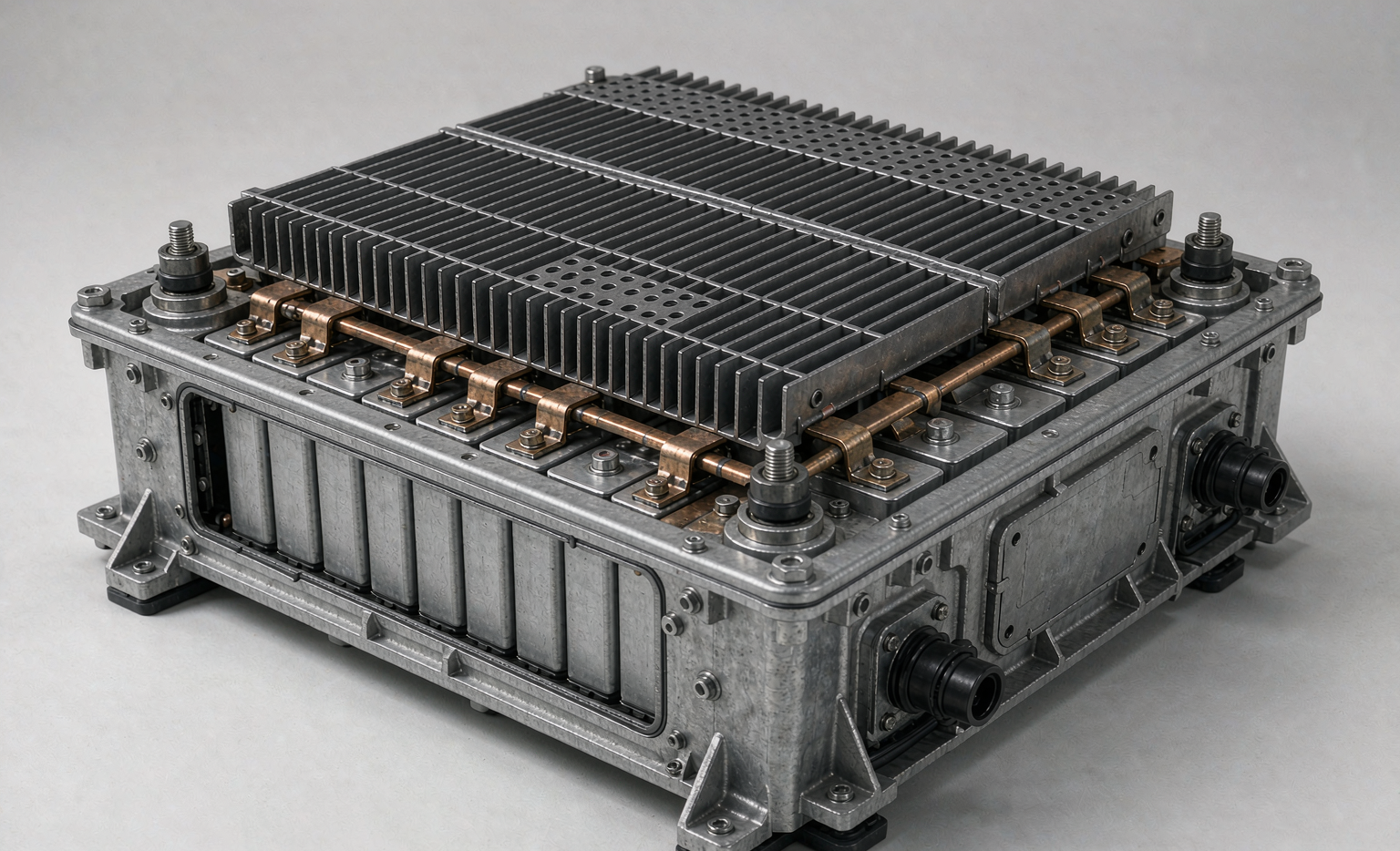
Charging strategy matters more than peak rate. I recommend a hybrid approach: a slow overnight charge to full at the depot, plus 30 to 60 kilowatt DC opportunity charging at the terminal during driver breaks. Because sodium-ion accepts partial charging without penalty, this pattern keeps the pack in its happiest window and extends life. A custom battery solution here is almost always a modular pack of standardized modules, so a single failed module can be swapped without removing the whole battery.
Cycle Life, TCO, and Warranty Realities
Good sodium-ion cells deliver 2,000 to 6,000 cycles at 80 percent depth of discharge, depending on chemistry and thermal management. Converted to shuttle duty at two equivalent cycles per day, that is six to eight years of service before the pack drops below 80 percent capacity. For a fleet that is a full depreciation cycle, not a premature failure.
The total cost of ownership argument is straightforward. The pack is cheaper per kilowatt-hour to build, it needs less thermal hardware, and it accepts simpler charging. The offset is slightly more mass and volume, which on a shuttle is cheap real estate. When I model a 20-vehicle fleet over eight years, sodium-ion usually wins on lifetime cost even before counting the lower fire-safety engineering overhead.
Warranties are still catching up to the chemistry. I advise operators to negotiate capacity guarantees in writing, measured at the shuttle duty profile rather than a generic laboratory cycle, and to require module-level service so a single weak module does not scrap the battery.
Compliance: UN38.3, IEC 62619, and Passenger Transport
Any pack that moves on a public road or a passenger route must clear transport and safety standards. We build every shuttle pack to pass UN38.3 for air and ground transport simulation, including altitude, thermal, vibration, and shock tests. For the industrial cells we use, IEC 62619 governs the design and testing of stationary and industrial battery systems, covering thermal runaway propagation and management system requirements.
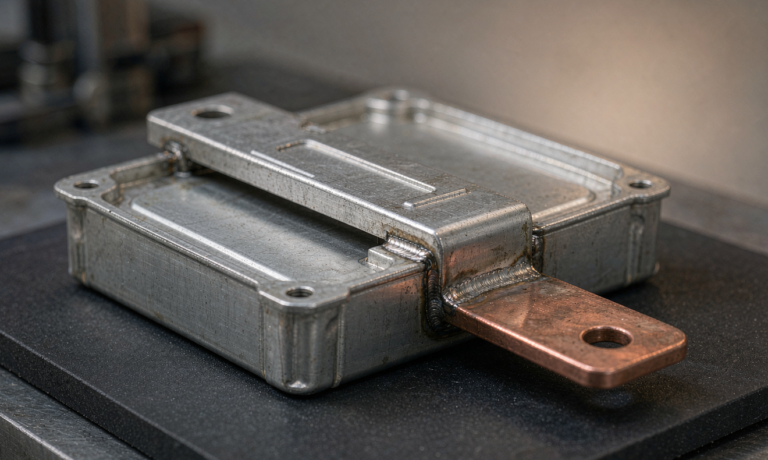
For passenger-carrying vehicles, I also apply the abuse and propagation thinking behind UL 2580 and reference IEC 62133 for smaller auxiliary cells. The practical engineering outcome is a pack with physical barriers between modules, a managed busbar, and a battery management system that isolates a fault before it can spread. None of this is optional when the cabin is full of people.
Operationally, document the pack. Keep a bill of materials, a test report, and a service record per vehicle. That paperwork is what lets your insurance provider and your local transport authority accept the battery without a fight.
Frequently Asked Questions
Is a sodium-ion battery safe enough for a passenger shuttle?
Yes, when it is engineered as a system. Sodium-ion has a higher thermal-runaway onset than nickel lithium cells and does not form the same metallic dendrites, and we add module isolation and a managed busbar so a single cell fault cannot propagate into the cabin. Safety comes from the whole pack design, not the chemistry alone.
How does sodium-ion compare with lithium iron phosphate for shuttles?
Lithium iron phosphate has higher energy density, but sodium-ion wins on cold-weather capacity, raw-material cost stability, and abuse tolerance. On a short, low-speed, weight-tolerant shuttle loop, those sodium-ion strengths usually outweigh the density gap.
What pack size does a typical airport shuttle need?
A 14-seat airport shuttle on a roughly 5 kilometer loop with depot charging typically needs 30 to 50 kilowatt-hours, while a larger 30-seat resort shuttle on an 8 kilometer loop needs about 80 to 120 kilowatt-hours after a 25 percent buffer for heating and aging.
Can sodium-ion shuttle batteries be opportunity charged between loops?
Yes. Sodium-ion tolerates partial state-of-charge operation, so 30 to 60 kilowatt DC top-ups during driver breaks are safe and actually extend pack life compared with always charging to full. We pair that with a slow overnight charge at the depot.
What standards must a shuttle battery pack meet?
At minimum, UN38.3 for transport simulation and IEC 62619 for industrial cell and system safety, with propagation control. For passenger vehicles we also apply the abuse and isolation thinking behind UL 2580 and reference IEC 62133 for auxiliary cells, plus documented per-vehicle test and service records.
How long will a sodium-ion shuttle battery last?
At two equivalent cycles per day, a well-managed pack rated for 2,000 to 6,000 cycles at 80 percent depth of discharge typically serves six to eight years before dropping below 80 percent capacity, which matches a normal fleet depreciation cycle.
Further Reading
References