Home Battery Seasonal Lighting for Holiday Displays
Every November I get the same calls from homeowners who have just unpacked a year’s worth of light strings. A seasonal display looks harmless on a power bill, but the evening peak it creates can be surprisingly sharp, and it lands exactly when winter tariffs and short days already push a home battery toward its limits. I size home battery seasonal lighting setups around that specific load shape instead of treating decoration power as an afterthought. In this guide I walk through how I measure the draw, size the pack, schedule the discharge, and keep the installation safe and code-compliant, using commissioning data and failure reports from the field.
Map the lighting load before sizing anything
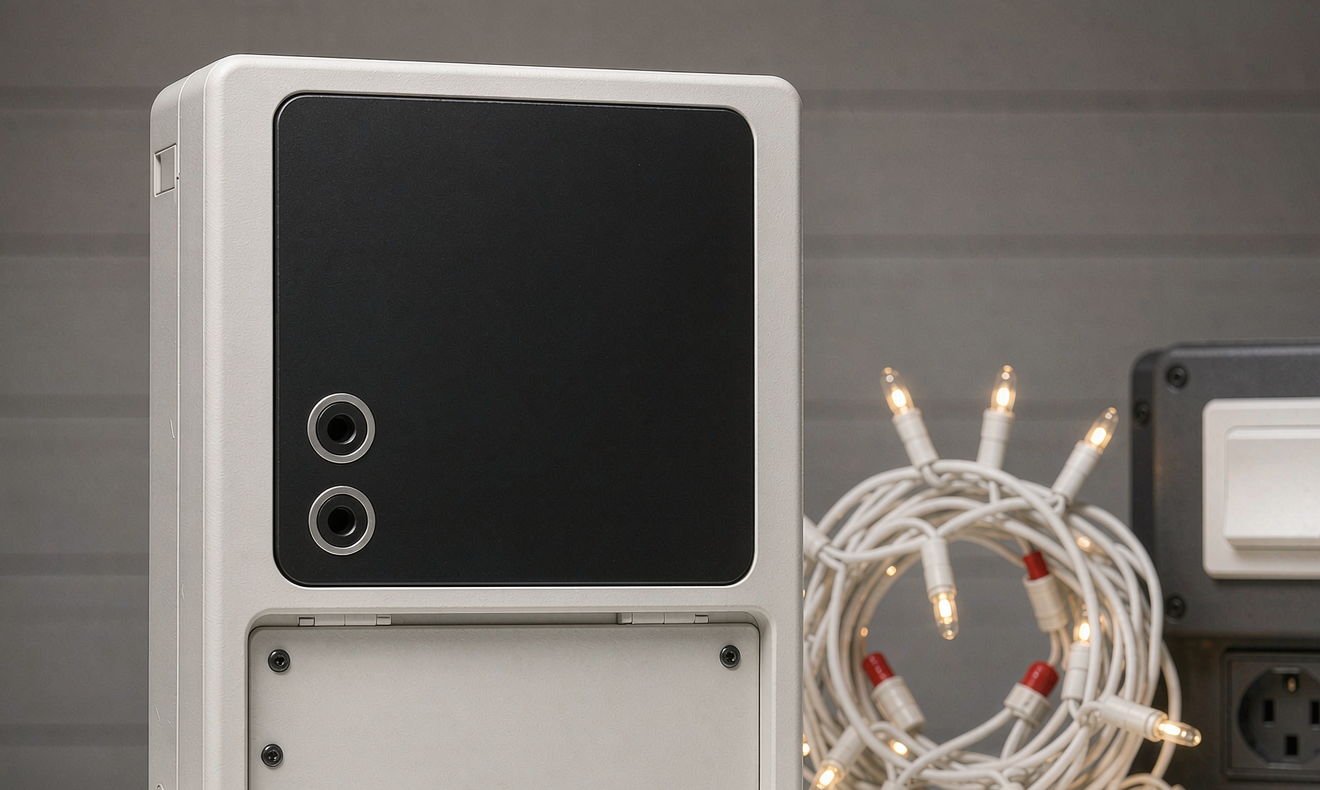
The first mistake I see is treating all light strings as equal. A modern LED string draws roughly 8 to 12 watts for a 10-meter run, while an older incandescent or halogen set can pull ten times that. Multiply per-string watts by the number of runs, then add landscape spots, path lights, and any animated controllers. A mid-size home display with 250 to 400 LED strings typically settles between 150 and 400 watts once everything is on, and it runs four to six hours each evening.
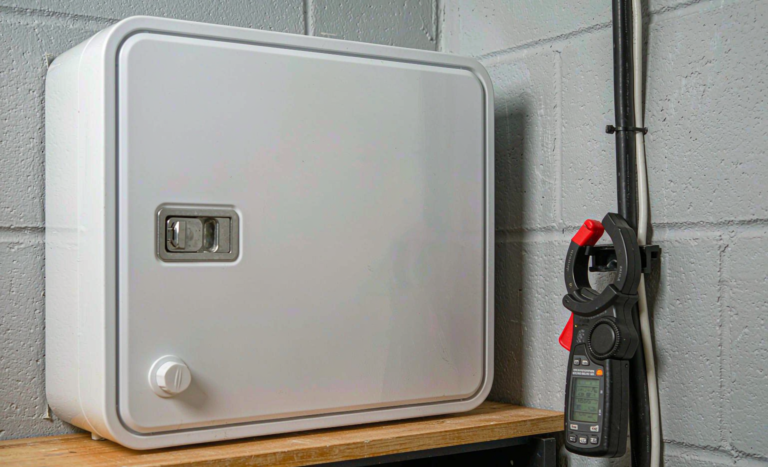
That sounds small next to a heat pump or an EV charger, but two details matter. First, the load is almost perfectly coincident with the household evening peak, so it arrives when solar output is zero and grid prices are highest. Second, some controllers and cheap transformers produce a startup inrush that is several times the steady draw. When I commission a system I log the first ten seconds of a full display startup with a clamp meter, because that transient decides whether the inverter’s surge rating is adequate. I also separate the display circuit on its own breaker, so a fault in one outdoor run never trips the whole home.
Convert the load map into capacity and power
Once I have a measured watt figure, the energy math is straightforward. A 300-watt display running five hours consumes 1.5 kilowatt-hours each night. For a homeowner who wants three nights of reserve before a recharge, I budget roughly 4.5 kilowatt-hours of usable energy, then divide by the usable depth of discharge and the inverter’s round-trip efficiency. With a lithium iron phosphate pack at 90 percent usable depth and 94 percent round-trip efficiency, that means installing a little over 5 kilowatt-hours, and I usually round up to the next standard module size.
Power rating is a separate check. Continuous output must cover the display plus any parallel household loads, and the short surge must clear the startup transient I measured. A 5-kilowatt inverter with a 10-kilowatt, two-second surge rating handles most residential displays comfortably. I also confirm the battery’s maximum continuous charge and discharge current against the inverter spec during handover, because a mismatch here is the root cause of nuisance shutdowns on cold evenings. The goal is a system that never sees the display as an emergency load, but as a routine scheduled block it can absorb without drama.
Why LFP chemistry fits seasonal duty
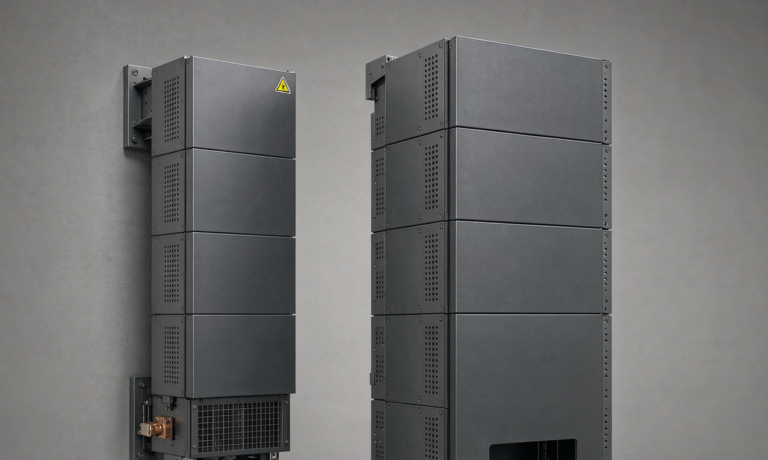
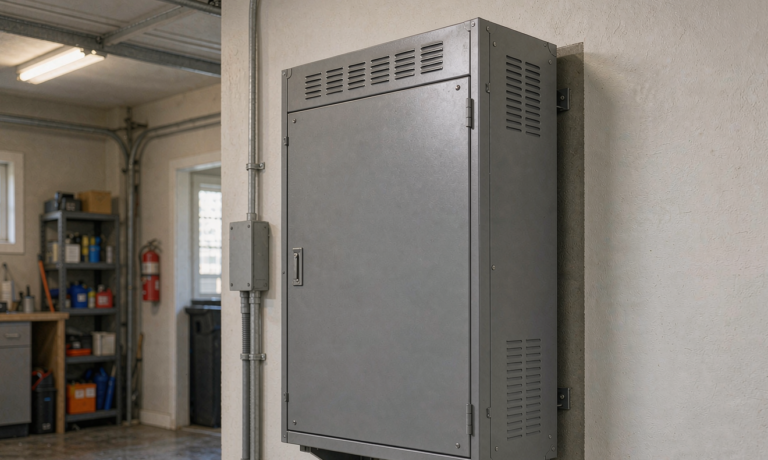
Stationary storage does not need the energy density that flight or handheld devices demand, so for home battery seasonal lighting I almost always specify lithium iron phosphate. The chemistry tolerates thousands of cycles at partial state of charge, which is exactly how a seasonal pack is used: shallow evening discharges for a few months, then long idle periods. LFP also resists thermal runaway far better than nickel-rich chemistries, an important margin when a battery sits in a garage full of combustible decoration boxes.
On the compliance side I look for cells and packs tested to UN 38.3 for transport and IEC 62619 for stationary industrial and commercial safety. IEC 62133 applies to portable batteries and is not the right certificate for a wall-mounted home unit, a detail that still gets blurred in vendor datasheets. For fire behavior I ask for UL 9540A test data on the specific enclosure and cell format, not a generic family report. These documents are not paperwork for its own sake: they tell me the pack has been abused, overheated, and short-circuited under controlled conditions, and they set the clearances I must respect at the install site.
Schedule discharge around tariffs and the evening peak
The real economic value of a battery for decorations comes from timing, not from the kilowatt-hours themselves. Under a time-of-use tariff, I program the system to charge from the grid in the inexpensive early-morning window and to carry the display from about 4 p.m. to 10 p.m., when rates peak. If the home has rooftop solar, the scheduler prioritizes stored solar first and treats the grid as a backup. On a flat tariff the logic shifts to self-consumption and demand-charge shaving, where shaving even one 300-watt spike can matter on a small service.
I set a reserve floor of 20 to 30 percent state of charge so an unexpected outage still leaves capacity for essentials, and I let the display draw down only above that floor. Smart schedulers that accept a weather forecast can pre-charge ahead of a cloudy, cold snap, which is when seasonal demand and poor solar coincide. One caution from the field: avoid cycling the pack daily at very low depth just to run a few strings. The round-trip losses can exceed the energy saved, and the automation adds failure modes. A well-configured schedule runs the display as a block, keeps the battery in its efficient band, and leaves the homeowner free to enjoy the lights.
Cold weather and outdoor placement limits
Holiday lighting is a winter load, so temperature governs the design more than most owners expect. A lithium-ion pack must not be charged below 0 degrees Celsius unless it has a heated enclosure or a manufacturer-approved low-temperature charging mode; charging a cold cell risks lithium plating and permanent capacity loss. Discharge is more forgiving, typically rated down to minus 20 degrees Celsius, but available capacity and power both fall as the pack cools. I size a winter display with a 15 to 20 percent derating factor and keep the battery itself indoors or in a temperature-controlled cabinet.
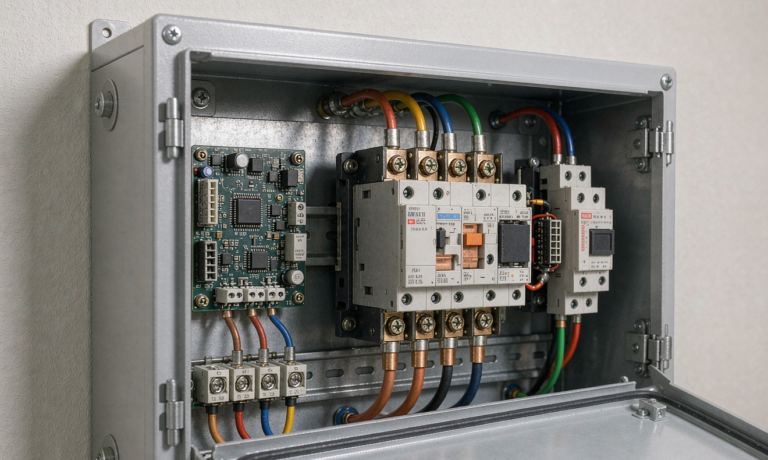
The outdoor half of the system is a separate environment. I specify enclosures rated IP65 or better for any junction box exposed to rain, use UV-resistant cable, and calculate voltage drop on long low-voltage runs so the far end of the display does not dim. Ground-fault and arc-fault protection belong on these circuits, and every outdoor connection should sit in a drip loop above grade. I have replaced more failed seasonal installations due to water ingress at a connector than to any battery fault, so I treat sealing and cable management as part of the energy design, not a finishing detail.
Codes, clearances, and commissioning checks
A home battery that feeds outdoor lighting is still a fixed electrical installation, and the applicable codes follow the installation rather than the load. In North America I work to NEC Article 690 for photovoltaic sources and Article 706 for energy storage, with NFPA 855 setting separation distances, signage, and extinguishment provisions. The equipment itself should carry a listing such as UL 9540 for the complete storage system, supported by the UL 9540A fire data I mentioned earlier. Local amendments often add setback rules for garages and egress paths, so I confirm those with the authority having jurisdiction before finalizing a layout.
Commissioning is where theory meets the customer’s expectations. I verify firmware versions, confirm that anti-islanding protection is active, and run the display through a full evening on battery while logging state of charge, inverter output, and any fault codes. I walk the owner through the app controls, show where the reserve floor is set, and leave a one-page sheet with the expected runtime and the shutdown procedure. A seasonal system only gets one real test each year, so that first night matters. Done carefully, the homeowner gets a display that rides through outages and peaks without ever feeling like an experiment.
Frequently asked questions
How much battery capacity do holiday lights need?
Most mid-size LED displays draw 150 to 400 watts. Running five hours a night means 0.75 to 2 kilowatt-hours per evening. Multiply by the nights you want between charges and add a 20 percent reserve. A 5-kilowatt-hour home battery covers a typical seasonal display with room to spare.
Can a home battery power holiday lights during an outage?
Yes, provided the inverter supports islanding and the display is on a protected circuit. Set a reserve floor of at least 20 percent state of charge so lighting never drains capacity reserved for essentials. Test the transfer once before the season starts rather than discovering a configuration problem during a storm.
Do LED light strings draw too little to matter?
Individually they are small, often 8 to 12 watts per 10-meter string, but a few hundred strings add up quickly and run for hours at peak tariff. The coincidence with the evening peak, not the size of any single string, is what makes a battery worthwhile for decorations.
What temperature range do outdoor displays need?
Keep the battery between roughly 10 and 30 degrees Celsius for charging, since charging below freezing risks damage. Outdoor junction boxes should be IP65 or better, with UV-resistant cable and drip loops. The lights themselves tolerate cold far better than the pack that feeds them.
Should I charge the battery from the grid in winter?
Often yes. Short days and low solar output mean a seasonal display may need grid support to hold its reserve. Under time-of-use pricing, charge in the cheap early-morning window and discharge during the evening peak. The cycle is predictable and easy to automate from the battery app.
How long does a seasonal display battery last?
A lithium iron phosphate pack used for a few months of shallow evening cycles each year will typically outlast its warranty period, often rated at 4,000 to 6,000 cycles. Idle storage at moderate state of charge is gentle. The inverter and enclosure usually need attention before the cells do.
Further Reading
References