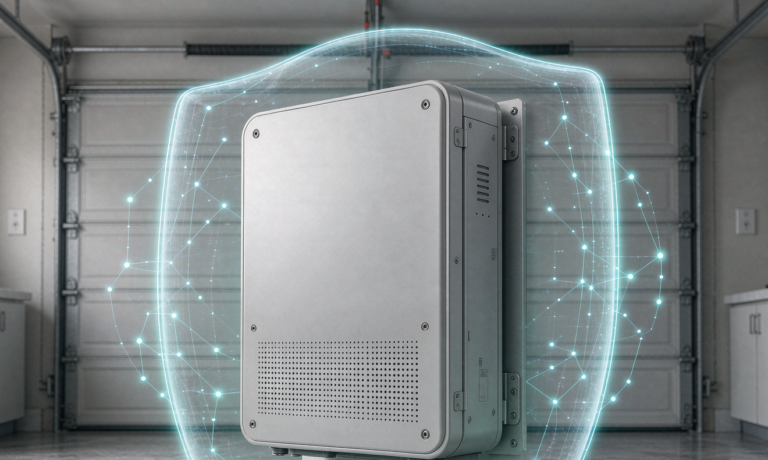
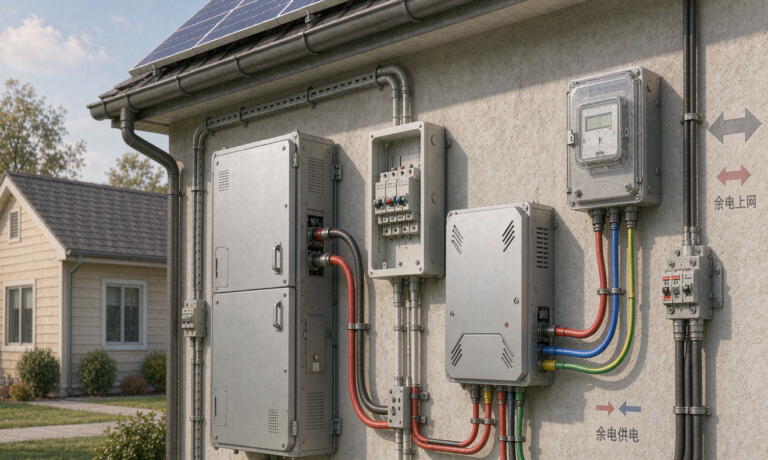
Home Energy Storage for Pool Pump and Spa Hot Tub
As a senior lithium battery engineer at Horizon Power, I have commissioned more residential storage systems than I can count, and the load that surprises homeowners most often turns out to be the backyard pool. Most people buy a battery thinking about blackout resilience or a lower utility bill, then discover that the pool pump and spa heater are the two biggest discretionary loads on the property. Handled correctly, that is good news: home energy storage paired with a pool pump and spa hot tub is one of the cleanest payback stories in residential energy, because these loads are long running, highly schedulable, and easy to shift away from expensive hours. In this article I walk through how I size and configure a battery system for pool and spa duty, using the same numbers I use on real projects.
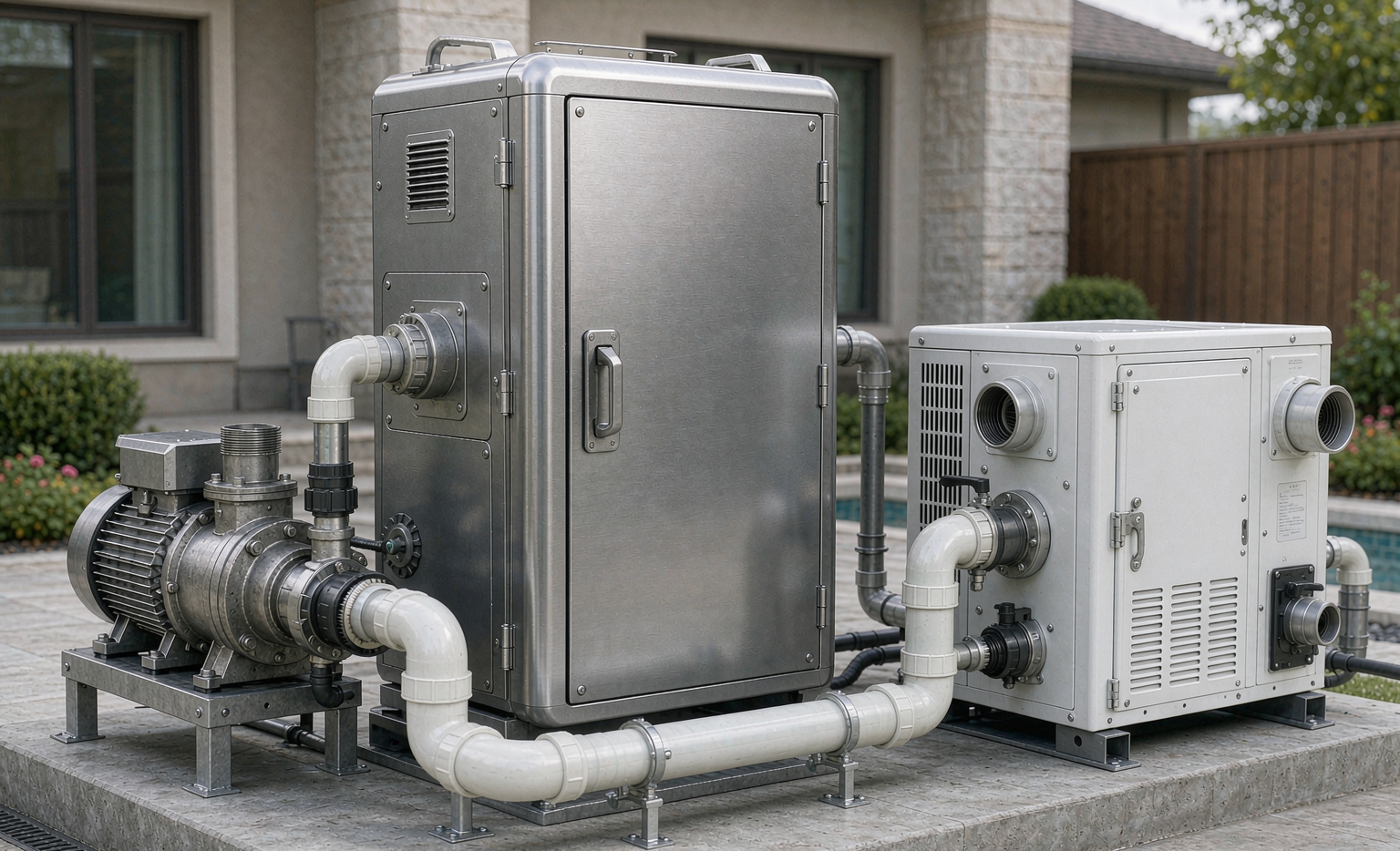
Why Pool and Spa Loads Suit Home Energy Storage
A pool circulation pump runs for hours at a stretch, and a spa heater is one of the few residential appliances that can pull more power than a clothes dryer. Both are also highly deferrable. A variable-speed pool pump does not care whether it spins at ten in the morning on solar or two in the morning on stored energy, as long as it moves enough gallons each day to keep the water clean. A spa, once heated, holds its temperature for hours inside an insulated cover. That combination of long runtime, flexible timing, and modest daily energy makes pool and spa equipment an ideal partner for a home battery rather than a burden on the grid.
In my projects the three reasons a homeowner adds battery backup for this duty are time-of-use arbitrage, outage resilience, and solar self-consumption. In California and much of Australia, the evening peak window from 4 pm to 9 pm overlaps exactly with the hour families want the spa warm. Shifting that heat onto stored solar removes the most expensive kilowatt hours on the bill, and during an outage the battery keeps filtration and sanitation running so the pool does not turn into a maintenance problem on top of an emergency.
Pool Pump Load Profile and Motor Inrush
A modern variable-speed pool pump draws between 0.5 kW and 1.5 kW while running, versus 1.0 kW to 2.5 kW for an older single-speed unit, and it typically runs four to eight hours per day through the swim season. Daily energy therefore lands between roughly 3 kWh and 12 kWh. The engineering catch is inrush current. A single-speed induction motor can pull five to seven times its running current for a few hundred milliseconds at startup, so a 1.5 kW pump may briefly demand 8 kW to 10 kW from the inverter. A variable-frequency-drive pump ramps softly and rarely exceeds 1.3 times running current, which is far kinder to both the inverter and the home wiring.
When I commission a system I read the locked-rotor amp rating on the pump nameplate rather than guessing from the running watts. For a battery-backed installation I specify an inverter whose surge rating covers at least 1.5 times the pump running watts plus any simultaneous spa load, and I verify the output waveform stays clean under that transient with an oscilloscope before handover. Skipping that step is how homeowners end up with nuisance trips every time the pump kicks on.
Spa Heater Demand: Resistance Versus Heat Pump
Electric spa heaters come in two flavors. A resistance heater is simple and demanding: 3 kW to 11 kW on a 240 V branch circuit rated 30 A to 50 A, often running at full output for an hour or two to recover temperature after a soak. A spa heat pump moves heat instead of making it, drawing only 1 kW to 5 kW of electrical input while delivering a coefficient of performance of 4 to 6, though its efficiency drops noticeably below about 10 degrees Celsius ambient.
For battery duty I steer clients toward the heat pump wherever winters are mild, because the same stored energy heats the spa three to five times longer. In colder climates I keep a resistance element as a backup, but the control logic reserves it: resistance recovery runs on solar excess or off-peak grid power, while stored battery capacity is protected for freeze events and genuine outages. This split is what keeps the system economical instead of watching a 10 kW element flatten the battery in one evening.
Sizing the Battery and Inverter
Sizing starts with energy, not power. A suburban pool pump at 1 kW for six hours consumes about 6 kWh per day, and a spa heat-up event adds another 5 kWh to 15 kWh. For a pool-and-spa home I normally specify a 10 kWh to 20 kWh lithium battery, which covers a full pump day plus one or two spa sessions with margin. The inverter is the harder constraint because it must deliver continuous watts for the pump and spa heater running together: a 1.5 kW pump plus a 5.5 kW resistance spa is 7 kW continuous, and the surge rating must clear the pump motor inrush on top of that.
I recommend a 48 V or higher lithium iron phosphate stack feeding a pure-sine inverter rated at least 8 kW continuous with 12 kW to 15 kW of surge headroom. Lithium iron phosphate chemistry delivers 4000 to 6000 cycles and shrugs off the daily shallow cycling a pool schedule demands, which lead-acid never tolerated in any system I serviced. The battery management system should report state of charge, cell voltages, and temperature over CAN or RS485 so the home energy controller can sequence loads intelligently instead of tripping on overload.
Freeze Protection Is a Safety Interlock, Not a Luxury
In any climate where nighttime temperatures dip below freezing, pool and spa plumbing must keep circulating or the lines crack. This is the one load I never allow the energy management system to shed. I wire freeze protection as a hard safety interlock that overrides economy mode: if the pipe sensor reads below 3 degrees Celsius, the pump runs regardless of battery state of charge, even if that means drawing from the grid. A storage system that saves a few kilowatt hours but lets a filtration loop burst is a failure, not a feature, and the repair bill will erase a year of energy savings.
I document this override in the commissioning packet and physically label the relay so the next service technician understands the circuit is load-shed exempt. That habit has saved more than one client from an expensive spring surprise, and it takes ten minutes to implement correctly.
Standards and Compliance I Specify
Every residential system I ship is designed to NEC Article 706 for energy storage, listed to UL 9540 with the thermal runaway fire characterization of UL 9540A, and the hybrid inverter carries UL 1741 certification with IEEE 1547 compliance for grid interconnection. The cells themselves are certified to UN38.3 for transport and IEC 62133 for safe domestic use, and I confirm anti-islanding behavior and reconnect timing against the local utility interconnection agreement before closing the disconnect.
For the spa branch specifically I pay close attention to 240 V overcurrent protection and the equipment grounding conductor, because a heater element fault that the inverter cannot sense is a fault the homeowner will eventually touch. Compliance on paper means nothing if branch-level protection is sloppy, and that detail is where I separate a professional installation from a rushed one.
Frequently Asked Questions
Can a home battery run a pool pump during a power outage?
Yes. A home energy storage system with a pure-sine inverter rated above the pump running and surge watts will run a pool pump through an outage. For a single-speed pump, size the inverter surge to about 1.5 times running watts to clear motor inrush; a variable-speed pump is easier because it ramps softly. Keep freeze protection wired as a hard interlock so circulation never stops in freezing weather.
How many kilowatt hours does a pool pump use per day?
A variable-speed pump drawing 0.5 kW to 1.5 kW for four to eight hours uses roughly 3 kWh to 12 kWh per day. A single-speed unit falls in the same band but stresses the inverter harder at startup. Multiply by your swim season length and add 5 kWh to 15 kWh per spa heat-up session to size the battery honestly.
Will my spa heater drain the battery overnight?
A resistance spa heater pulling 3 kW to 11 kW can flatten a modest battery, which is why I prefer a spa heat pump drawing only 1 kW to 5 kW for the same temperature gain. If you must run resistance heat overnight, budget 5 kWh to 15 kWh per session and keep the inverter continuous rating above the combined pump and heater load. Most clients schedule spa recovery for midday solar or off-peak grid instead.
Is a heat pump spa heater better than resistance for battery use?
In mild climates, yes. A spa heat pump delivers a coefficient of performance of 4 to 6, so the same stored energy heats the spa three to five times longer than a resistance element. Below about 10 degrees Celsius ambient the heat pump loses efficiency, so I keep a resistance backup for cold snaps while reserving battery capacity for freeze protection and outages.
What inverter size do I need for a pool pump and spa?
Size for the simultaneous worst case: pump running watts plus spa heater watts, then add surge headroom for motor inrush. A 1.5 kW pump plus a 5.5 kW resistance spa is 7 kW continuous, so I specify an 8 kW continuous inverter with 12 kW to 15 kW surge on a 48 V or higher lithium iron phosphate stack, then verify the waveform under transient load before handover.
Which battery chemistry is best for pool and spa backup?
Lithium iron phosphate is the chemistry I specify for nearly every pool-and-spa home. It delivers 4000 to 6000 cycles, tolerates daily shallow cycling, and stays safe at the temperatures a garage or equipment pad experiences. Nickel manganese cobalt packs offer higher energy density but shorter cycle life and tighter thermal limits, which rarely justifies the cost premium for a stationary residential load.
Further Reading
References