Lithium Battery Maintenance for Mobility Devices
I have spent more than a decade working with lithium-ion packs that go into electric wheelchairs, mobility scooters, foldable power chairs, patient lift systems and assisted-bicycle conversions. The maintenance pattern is very different from EV or drone packs, because the user is often a single rider who depends on the pack for daily independence, the pack sits in dirty outdoor environments, and the duty cycle is shallow with long idle periods. In this guide I want to share the maintenance discipline I have seen make a 24 V or 36 V mobility pack last past the eight-year mark instead of failing inside the warranty window.
Why Mobility-Device Lithium Batteries Fail Differently
Mobility devices do not behave like e-bikes or golf carts on the inside of a battery. The packs are smaller, the chassis is plastic, and the user is typically pushing the pack to its full depth-of-discharge every day. A 24 V 10 Ah wheelchair pack pulled to 80 % DoD for 800 cycles sounds the same as a 24 V 10 Ah solar pack, but the mobility version sits on an unheated porch in winter, gets dragged over wet grass in spring, and is often charged right next to the user’s bedside. The temperature, vibration, moisture, charge timing and connector abuse are all worse than the lab spec assumes, which is why a careful lithium battery maintenance routine is the single biggest determinant of pack longevity in this product family.
From a chemistry perspective most mobility-device packs today are LFP (lithium iron phosphate) or NCM (nickel cobalt manganese). LFP gives lower energy density but more cycle life and better thermal stability, so it is dominant in larger scooter and power-chair packs. NCM is still common where weight matters, especially in foldable chairs and assisted-bicycles, and that is where a more conservative SoC window really matters. A lithium ion battery in a mobility application should never be treated like a starter battery or a phone battery; it is closer to a small EV pack and deserves the same discipline.
The Eight-Step Maintenance Routine I Run On Every Customer Pack
Whether the pack is a 24 V 10 Ah LFP brick on a folding scooter or a 36 V 20 Ah NCM pack on a Class-2 power chair, the maintenance steps are basically the same. The difference is only the time between checks. I run this routine in two layers: a five-minute check the rider does monthly, and a thirty-minute workshop service the technician does every 12 months or every 200 cycles, whichever comes first.
1. Visual Inspection Of The Enclosure And Harness
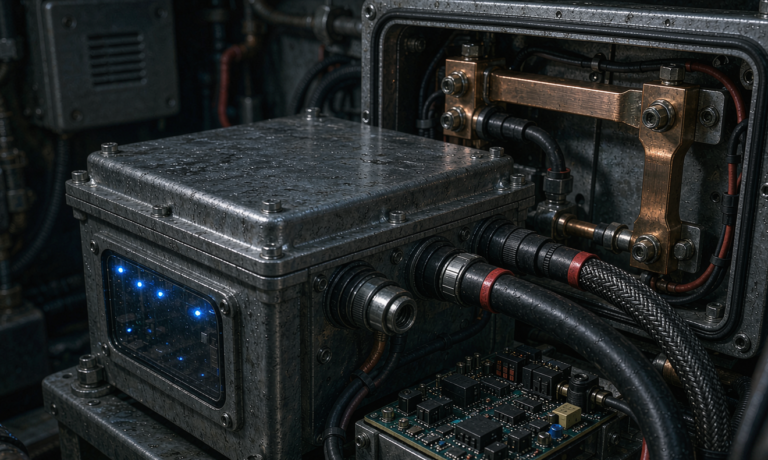
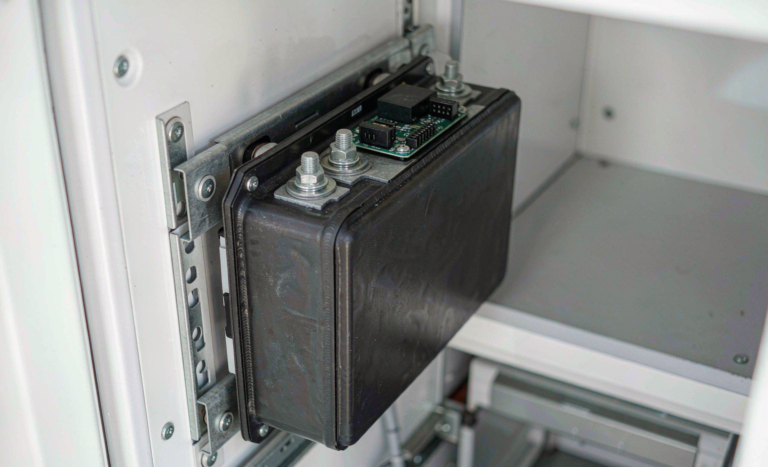
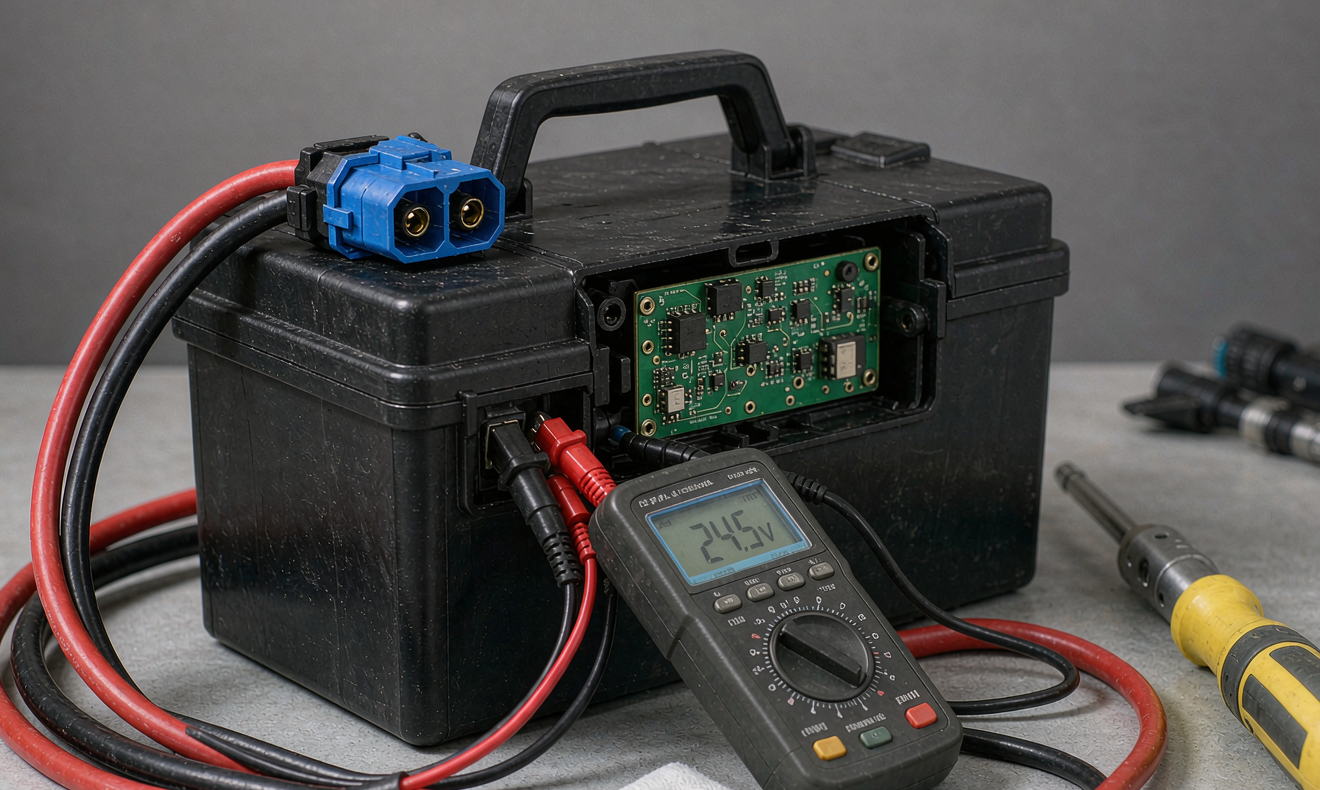
Start with the pack out of the device. Look for cracks in the ABS or polycarbonate case, swelling along any seam, condensation under the service hatch, scorch marks around the Anderson-style or XLR connector, and chafe on the harness where it bends around the chair frame. Any swelling is a red flag for cell venting; any corrosion on the power pins means moisture ingress, and the pack should go to a service bench, not back on the charger. I keep a small USB inspection camera for the inside of the case, because 90 % of the early failures I see are visible on the connector or BMS board before the cells themselves show a problem.
2. Connector Cleaning And Torque Verification
Power connectors are the single most common failure point. I disconnect the Anderson plug, inspect the silver-plated contacts for pitting or green oxide, and clean with a lint-free cloth and a non-residue electrical cleaner (never WD-40 on contacts). The Anderson SB50 contacts can be re-crimped with a proper cycle-controlled tool; cheap soldered or screw-on replacements are why I see 30 % of “mystery” capacity losses in the field. After re-assembly I torque the housing bolts with an insulated screwdriver to the manufacturer spec — typically 8 to 10 N·m on ABS cases — and yellow-mark the bolts so the next tech can spot any drift.
3. Open-Circuit Voltage And Internal Resistance Baseline
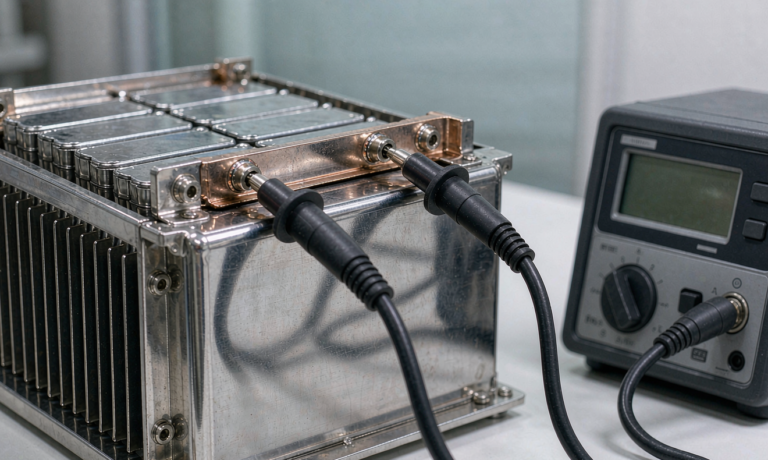
A clean rest voltage and a clean DCIR (direct current internal resistance) reading is the cheapest diagnostic we have. I let the pack rest 60 minutes after charging, then log the open-circuit voltage with a calibrated multimeter. For a healthy 24 V LFP pack (8 cells in series) you should see 26.4 to 27.2 V; for a 36 V NMC pack (10S) you should see 41.0 to 42.0 V. Anything outside ±1 % at 100 % SoC means the pack has a balancing problem or a parasitic load. Then I run a 10-second 0.5 C discharge pulse and record the pack voltage; the drop versus the resting voltage divided by the current is the DCIR, and a baseline at delivery lets you track aging year over year. A pack whose DCIR has risen 30 % over two years is the pack that will leave the rider stranded.
4. BMS Health And Telemetry Pull
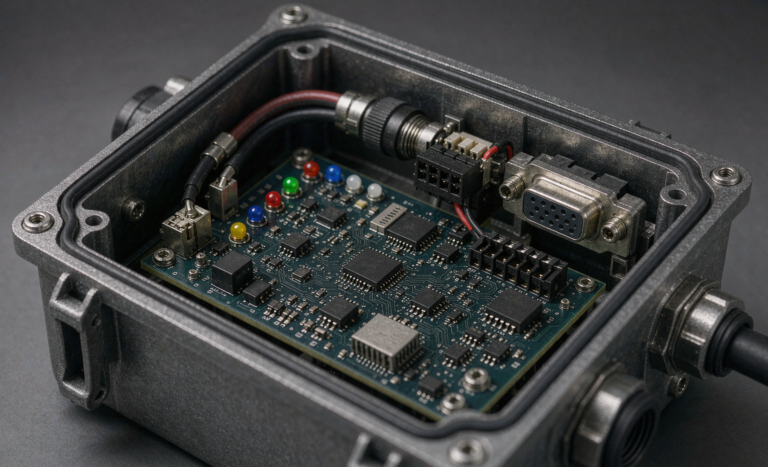
Modern mobility packs almost all carry a small BMS board with a UART or CAN interface. Using the manufacturer’s diagnostic dongle, I pull the cell-level voltage map, the temperature map and the fault log. For an 8S LFP pack I want to see cell delta below 30 mV at 100 % SoC; above 50 mV I trigger an active-balancing cycle before the rider takes the pack back. I also check that the BMS has the latest firmware; many BMS vendors quietly improve the low-temperature charge cutoff or the cell-imbalance trip curve, and skipping the firmware update is one of the easiest ways to shorten pack life.
5. Charging Discipline
Charging is where most lithium battery maintenance mistakes happen. I train every rider to follow four rules: use only the original or a certified equivalent charger, do not charge at temperatures below 0 °C without an active warm-up, do not leave the pack at 100 % SoC for more than 24 hours, and do not routinely charge to 100 % unless tomorrow is a high-range day. Charging to 80 % daily typically doubles cycle life versus charging to 100 % daily, and limiting time above 90 % SoC is the single most powerful intervention. LFP is more tolerant of high SoC than NCM, but neither chemistry enjoys long 100 % storage.
6. Storage Conditions
Mobility-device packs are often stored near a window, in a garage, or in a car trunk. All three are bad places. I aim for 10 to 25 °C and 30 to 60 % SoC for any pack the rider will not use for more than a month. A pack stored at 100 % SoC at 35 °C loses roughly 2 to 3 % of capacity per year; the same pack at 25 °C loses under 1 %. Cold storage is fine for short periods but never charge a frozen pack; warming to above 5 °C before charging avoids lithium plating that permanently loses capacity.
7. Cleaning, Dryness And Mechanical Care
Wheelchairs and scooters live in the same environment as the rider: rain, dust, food spills, pet hair. A simple wipe-down with a damp cloth, careful drying around the connector and a quick check that the cooling vents are clear is often enough. I never recommend pressure-washing a mobility pack or charger, and I never recommend using a leaf blower to dry one, because both push water past the seal. For deep cleaning a 30 % isopropyl alcohol wipe on the case is safe; on the connectors and BMS area it is even better, because it dissolves residue without leaving a film.
8. End-Of-Life And Recycling Planning
Every lithium battery pack reaches the end of its safe life. For mobility applications I treat the pack as retired when capacity drops below 80 % of nameplate, or when DCIR rises by more than 50 %, or when the BMS cannot complete a balancing cycle in 4 hours. At that point the pack should go to a certified e-waste stream; in the US that means a Call2Recycle drop-off, in the EU it is a producer-take-back scheme, and in the PRC it is the MIIT-listed recycling channel. Anyone offering to “refurbish” a swollen or imbalanced pack to sell back to a rider is a risk we as a lithium battery manufacturer community need to call out, because safety failures in this segment are not acceptable.
Standards And Certifications You Should Expect On A Quality Mobility Pack
For a mobility-device lithium battery pack sold into the US, EU or APAC retail or fleet channels I expect at minimum UN38.3 (transport), IEC 62133-2 (portable cells), UL 2271 (light electric vehicle batteries, the most relevant for wheelchairs and scooters), and the regional e-mark or KC scheme for the target market. A serious lithium battery manufacturer also publishes a UN 38.3 summary report, an IEC 62133-2 test certificate, an MSDS, and a cell-level grading sheet. If the documentation is missing, treat that as a quality signal and walk away, because the same factory that hides the paperwork is the factory that hides the cell grading.
For larger institutional buyers — hospitals, airport operators, hotel chains — I also like to see IEC 62619 (industrial lithium cells) coverage on top of UL 2271, plus a documented quality plan covering incoming cell grading, BMS firmware revision control, traceability of every serial number to its cell batch, and a field-failure root-cause procedure. A custom battery solution for a fleet should always come with a service plan that includes the eight-step routine above and a firmware update window of at least seven years.
Common Maintenance Mistakes I See In The Field
Three mistakes come back over and over. The first is leaving the pack on the charger overnight, every night. The second is using a 5 A automotive charger on a 10 Ah mobility pack because “they all look the same” — that over-rates the pack and accelerates calendar aging. The third is ignoring a cell-imbalance warning light. A flashing BMS LED means the pack is at risk, and the rider should switch to a spare pack or stop using the device until a technician has run a balancing cycle.
Two more mistakes worth naming are temperature-related. Storing a pack in a car trunk in summer regularly pushes internal cell temperature above 60 °C, which roughly halves calendar life for every 10 °C above 25 °C. And charging a frozen pack pulled in from a winter garage is the single fastest way to lose capacity permanently; the lithium plating reaction is not reversible. A simple thermometer in the charging area is cheap insurance against both problems.
Frequently Asked Questions
How Often Should A Mobility Lithium Battery Be Serviced?
For a daily-use wheelchair or scooter pack I recommend a 30-minute workshop check every 12 months or every 200 cycles, whichever comes first. A monthly 5-minute rider-side inspection is enough between services. Fleet operators running multiple shifts should pull packs for service every 6 months because the duty cycle is harder on the cells than private use.
What Is The Best SoC Window For Daily Use?
For most mobility users the best compromise is to charge to 90 % for daily use and only charge to 100 % the night before a long trip. For LFP packs the penalty for daily 100 % charging is small but real, and for NCM packs it is significant. A lithium battery pack stored around 40 to 60 % SoC during the off-season will lose roughly half as much capacity per year as one stored at 100 %.
Can I Replace A Single Cell Inside The Pack?
In principle yes, but in practice it requires matching the new cell’s capacity, internal resistance and age to the rest of the pack, re-tagging the BMS log, and re-running UN38.3 if the cell is a different supplier. For most riders and even most technicians, replacing a single cell is more risk than reward. I recommend whole-pack replacement or a factory rebuild, especially because a mismatched cell will pull the whole pack’s life down and is the most common cause of post-repair field failures.
What Charger Current Is Safe For A Mobility Pack?
The default rule is no more than 0.5 C continuous charge current. For a 10 Ah pack that means a 5 A charger maximum; for a 20 Ah pack, 10 A. A 0.3 C rate (3 A for 10 Ah) is even gentler and will extend cycle life. Fast chargers marketed for mobility devices often run at 1 C, which shortens cycle life and should only be used in fleet operations with controlled downtime, not for daily private use.
Does A Mobility Pack Need A Thermal Cutoff?
Yes. Every modern LFP battery or NCM pack intended for mobility use should have a low-temperature charge cutoff (typically below 0 °C), a high-temperature charge cutoff (typically above 55 °C), and a high-temperature discharge cutoff (typically above 65 to 70 °C). If your pack does not have at least the high-temperature cutoff documented in the BMS manual, contact the manufacturer. Missing thermal cutoffs are a hallmark of the cheapest imports and a known cause of thermal events.
How Long Should A Quality Mobility Pack Last?
A well-maintained LFP mobility pack typically delivers 1,500 to 2,500 full equivalent cycles before reaching 80 % of nameplate capacity, which works out to roughly 5 to 8 years of daily use. An NCM pack in the same service typically delivers 800 to 1,200 cycles, or roughly 3 to 5 years. The honest answer for any rider is “as long as the maintenance routine is followed”, because I have seen LFP packs fail inside two years and NCM packs run for seven.
If you take one thing away from this guide, take this: mobility lithium battery packs are not maintenance-free, but they are very predictable. A consistent routine — visual check, connector service, voltage and DCIR baseline, BMS telemetry, disciplined charging, sensible storage, careful cleaning, and a planned end-of-life path — will keep the rider mobile and the family budget safe. That is the same routine I run in our own service bench for every pack that leaves the factory, and it is the routine we recommend to every fleet manager and every private owner who depends on a lithium battery to keep moving.