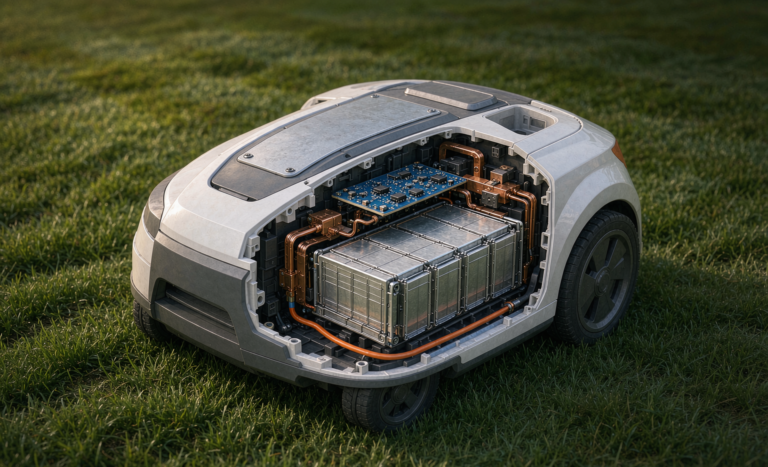
Sodium-Ion Battery for Automated Parking Systems and Shuttle Fleets
Over the past decade I have watched automated parking systems and airport or campus shuttle fleets move from curiosity to mainstream infrastructure. As Karl Huang, a senior lithium battery engineer who has spent years specifying packs for mobility and stationary applications, I keep arriving at the same conclusion: not every electric vehicle needs the highest energy density chemistry on the market. For automated parking lifts and low speed shuttle buses, a sodium-ion battery is often the more rational choice. This article explains why sodium-ion batteries fit automated parking and shuttle fleets, how to size them correctly, and which standards actually matter when you deploy them in a public or commercial structure.
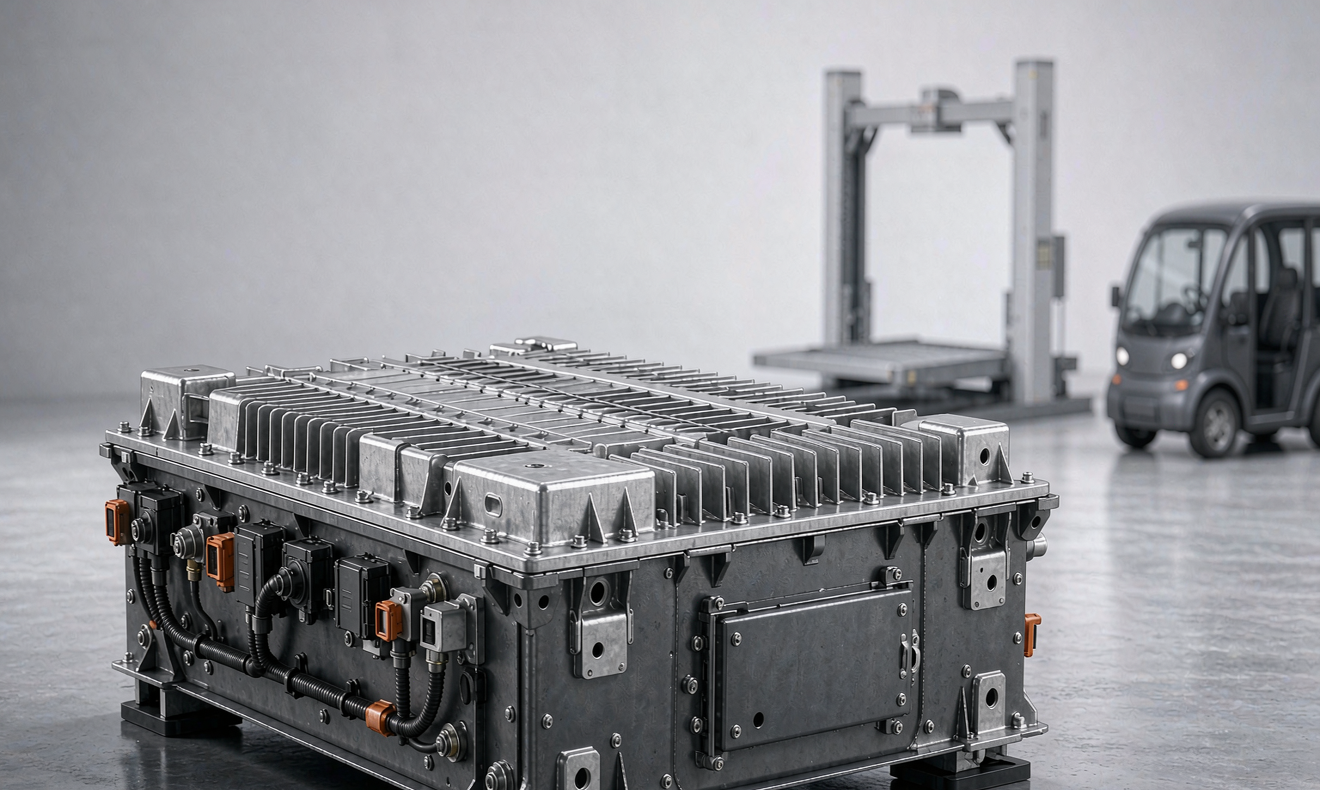
Why Automated Parking and Shuttle Fleets Need a Different Battery Chemistry
Most people assume that the battery inside an electric shuttle should be the same high energy density lithium pack used in a passenger car. In practice, automated parking equipment and shuttle fleets have duty cycles that are nothing like a highway commute. A mechanical parking lift moves a single vehicle a few meters, then sits idle. A parking shuttle loops a short, predictable route with frequent stops and shallow discharges. Neither application benefits much from a 250 Wh/kg cell, because weight and volume are rarely the binding constraint.
What these systems care about is cost per cycle, fire safety in an enclosed structure, tolerance to cold garages, and supply chain stability. A sodium-ion battery delivers on all four. Sodium is the sixth most abundant element in the earth’s crust, so material cost and geopolitical risk are far lower than for cobalt or even lithium. In my field experience specifying mobility packs, that stability alone has convinced several facility operators to standardize on sodium for their lower speed fleets.
How a Sodium-Ion Battery Works and Where It Wins
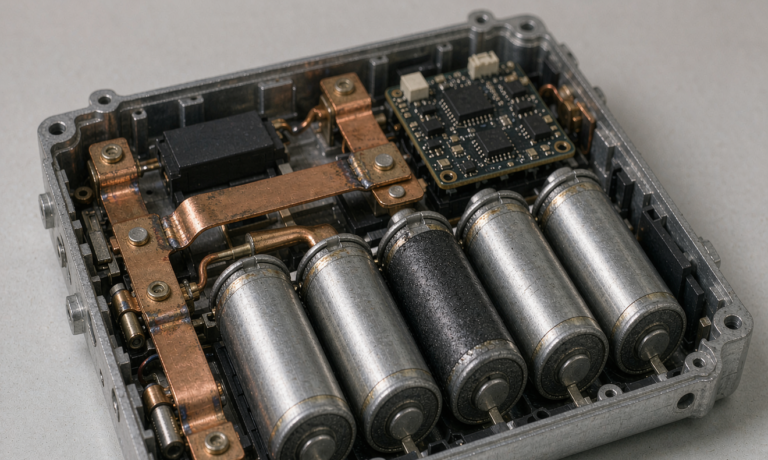
A sodium-ion battery uses sodium ions moving between a cathode and an anode during charge and discharge, much like a lithium cell uses lithium. The key difference is the active ion. Modern layered oxide and polyanion cathodes paired with a hard carbon anode typically deliver 100 to 160 Wh/kg and 200 to 350 Wh/L. Those numbers are below NMC lithium, but they are more than enough for a shuttle that travels 20 to 40 kilometers per shift or a parking platform that moves loads vertically.
The trade that matters here is energy density for safety and longevity. Sodium-ion cells are intrinsically more stable at the electrode level, show little propensity for dendrite growth on the anode, and retain capacity better under partial state of charge cycling. For a battery that is parked at 30 to 70 percent charge most of the day, that partial cycling tolerance is a real advantage over chemistries that prefer a full balance.
Sizing a Sodium-Ion Battery for a Parking Shuttle
Sizing starts with the energy budget, not the chemistry. I calculate the daily kilowatt hour demand from route length, average speed, payload, and auxiliary loads such as lighting, HVAC, and the doors. A typical 14 seat shuttle running 60 kilometers per day at 15 kWh per 100 kilometers needs roughly 9 kWh of usable energy, and I add a 25 percent buffer for aging and cold days, landing near 11 to 12 kWh nominal.
Because a sodium-ion battery handles partial cycling well, I size the pack so the daily loop uses about 60 to 70 percent of usable capacity rather than the 80 percent common with lithium. That shallower depth of discharge extending cycle life is the single biggest lever for total cost of ownership. I then confirm the pack can deliver the peak power for hill starts and door operation, typically 3 to 4 times the continuous draw, without voltage sag below the inverter cutoff.
Fire Safety Advantages in Enclosed Parking Structures
Underground and stacked parking structures are among the hardest environments for battery fire safety. A thermal event in a confined garage with limited ventilation and escape routes is a nightmare scenario for any operator. This is where a sodium-ion battery is genuinely superior. Sodium chemistry does not rely on the high energy dense metal oxide cathodes that drive the most aggressive lithium thermal runaway, and independent abuse testing shows a higher onset temperature before decomposition.
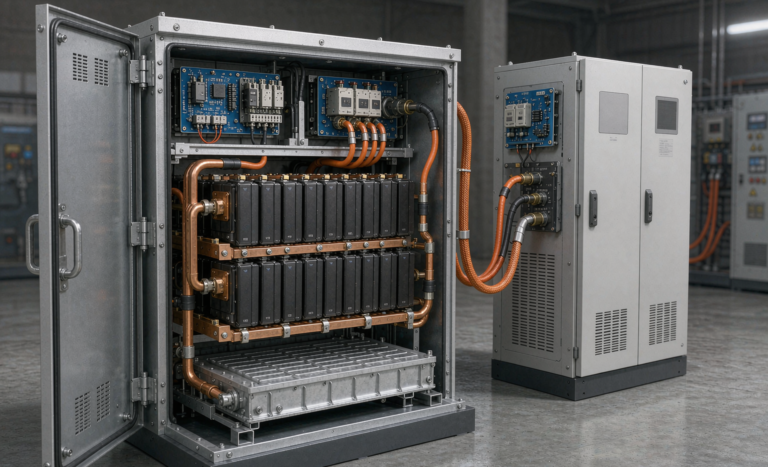
In my own abuse reviews, sodium cells tolerated nail penetration and overcharge far more gracefully than comparable lithium cells, often venting without propagating to neighbors. That behavior supports simpler, lighter enclosure designs and easier sign off under building and fire codes. It does not remove the need for thermal management, a battery management system, and compartmentalization, but it lowers the residual risk that keeps facility managers awake at night.
Cold Weather and High Cycle Duty Performance
Parking garages and open air shuttle loops see real winter. One reason I recommend a sodium-ion battery for these fleets is its cold temperature behavior. While lithium packs lose meaningful capacity and charge acceptance below zero degrees Celsius, sodium-ion cells retain a larger fraction of their capacity and accept charge at lower temperatures without the plating risk that damages lithium anodes.
For a shuttle that must run at 5 AM in a northern climate, that means less reliance on cabin and pack heaters, which in turn preserves range and reduces the parasitic load that quietly kills winter range in lithium fleets. On the duty cycle side, automated parking lifts can cycle hundreds of times per day with short, shallow draws. Sodium’s tolerance for frequent partial cycles keeps the pack healthy across the 2,000 to 4,000 cycle life these systems are designed around.
Integration, Charging, and Compliance
Integration is straightforward if you respect the standards. Any pack I specify for public or commercial use is built around UN38.3 transportation safety, IEC 62133 for portable cell safety, and IEC 62619 together with IEC 62620 for industrial and stationary battery applications. In North America, UL 1973 covers stationary and motive battery systems, and the charging architecture should follow the relevant IEC 61851 guidance where applicable.
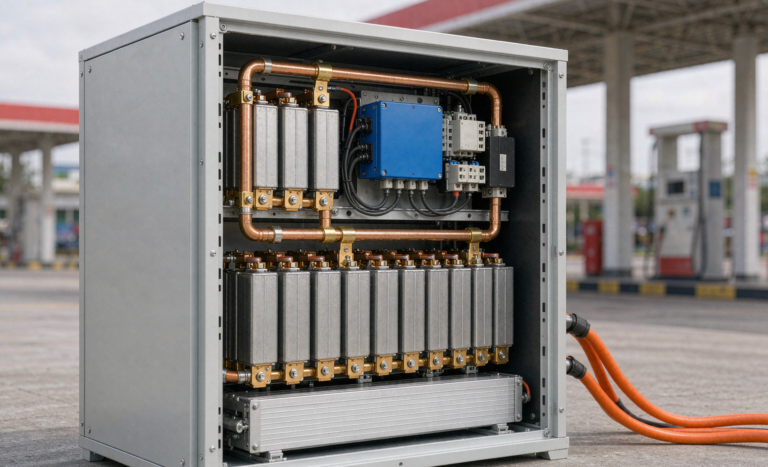
Charging a sodium-ion battery is forgiving. The cells accept high charge rates and tolerate opportunity charging between shuttle loops, which suits automated depots where the vehicle tops up during dwell time. I pair the pack with a battery management system that monitors cell voltage, temperature, and state of charge, and I insist on isolated communication to the vehicle controller so a single sensor fault cannot strand the fleet. A custom battery solution that bakes these protections in at the pack level is far easier to certify than a generic module retrofitted after the fact.
Choosing a Custom Battery Solution for Your Fleet
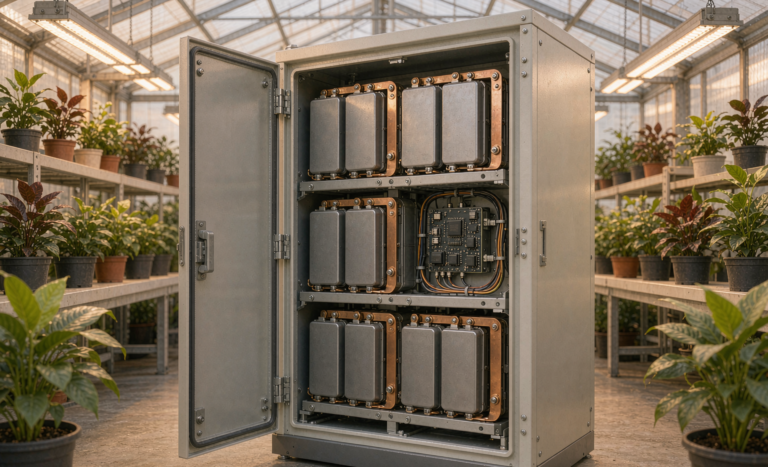
No two parking or shuttle operations are identical, and that is exactly why I steer operators toward a custom battery solution rather than an off the shelf pack. The variables are route profile, climate, duty cycle, available charge windows, and the enclosure constraints of the vehicle or lift. A well specified sodium-ion battery is matched to those realities instead of over built with expensive energy density you will never use.
When I scope a project, I start from the energy and power model, then select cell format and thermal strategy, then design the enclosure for the installation. The result is a pack that costs less per cycle, passes code review with fewer exceptions, and keeps the fleet running through summer heat and winter cold. For automated parking systems and shuttle fleets, the sodium-ion battery is not a compromise. It is the engineering sensible default.
What is a sodium-ion battery and how does it differ from lithium?
A sodium-ion battery moves sodium ions between electrodes instead of lithium ions. It typically offers lower energy density but better cost stability, safer abuse behavior, and stronger cold weather performance, which suits low speed mobility and stationary duties more than long range cars.
Are sodium-ion batteries safe for underground parking structures?
Yes. Sodium cells show a higher thermal runaway onset temperature and gentler failure behavior than high energy lithium cells. Combined with a proper battery management system, compartmentalized enclosure, and code compliant installation, a sodium-ion battery is a strong fit for enclosed and underground parking.
How long do sodium-ion batteries last in shuttle fleets?
In typical shuttle duty with shallow daily cycling, a well sized sodium-ion battery delivers roughly 2,000 to 4,000 cycles before reaching 80 percent capacity. Sizing for 60 to 70 percent daily depth of discharge is the main way to maximize that lifespan.
Can sodium-ion batteries operate in cold parking garages?
Yes. Sodium-ion chemistry retains more capacity and accepts charge at lower temperatures than lithium, with far less risk of anode plating. That makes it practical for unheated garages and early morning winter shuttle service without heavy heater parasitic loads.
What certifications apply to sodium-ion batteries for parking and shuttle use?
The core standards are UN38.3 for transport, IEC 62133 for cell safety, IEC 62619 and IEC 62620 for industrial and stationary use, and UL 1973 for North American stationary and motive systems. Charging design often references IEC 61851 where relevant.
Is a sodium-ion battery cheaper than lithium for these applications?
On a pack level, sodium-ion is usually cost competitive or lower once you remove the need for exotic cathode materials, and the total cost of ownership is often better because of longer partial cycle life and simpler safety enclosures. The saving grows when energy density is not the priority.
Further Reading
References