Sodium-Ion Battery Reliability for Microgrids: What Field
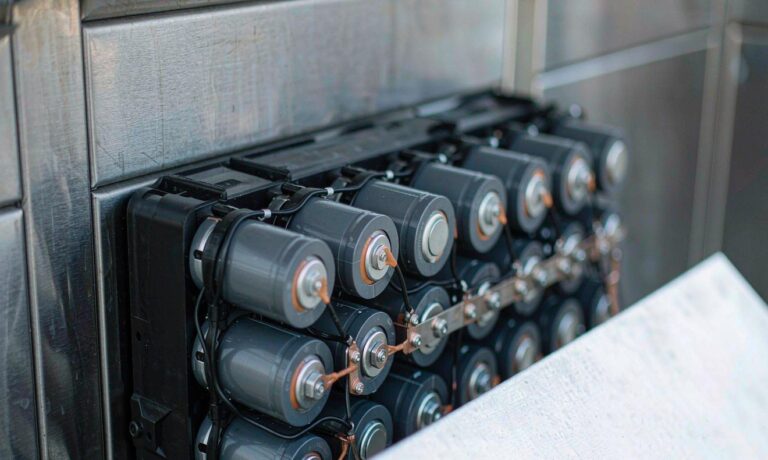
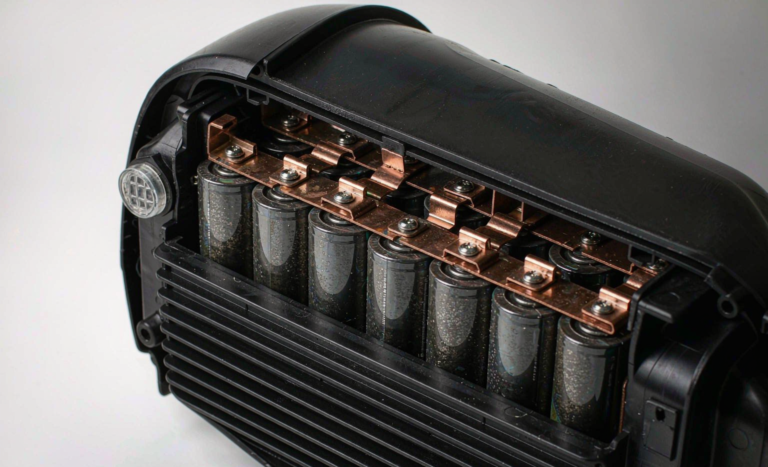
I have spent the last decade commissioning and troubleshooting energy storage systems across three continents, and the question I hear most from microgrid owners is deceptively simple: “Will this battery still be working in ten years?” When the chemistry is sodium-ion, the honest answer is “yes, if you design for the failure modes that actually kill microgrids.” A sodium-ion battery is not a drop-in copy of lithium-ion with a cheaper element inside. Its reliability profile, its thermal envelope, and its degradation curve are different enough that an engineer who treats it like a familiar lithium pack will make expensive mistakes. In this article I walk through what my team at Horizon Power measures, validates, and controls when we build sodium-ion banks for islanded and weak-grid microgrids, and why reliability engineering—not just cell selection—is where the real work happens.
Why Microgrids Stress Batteries Differently
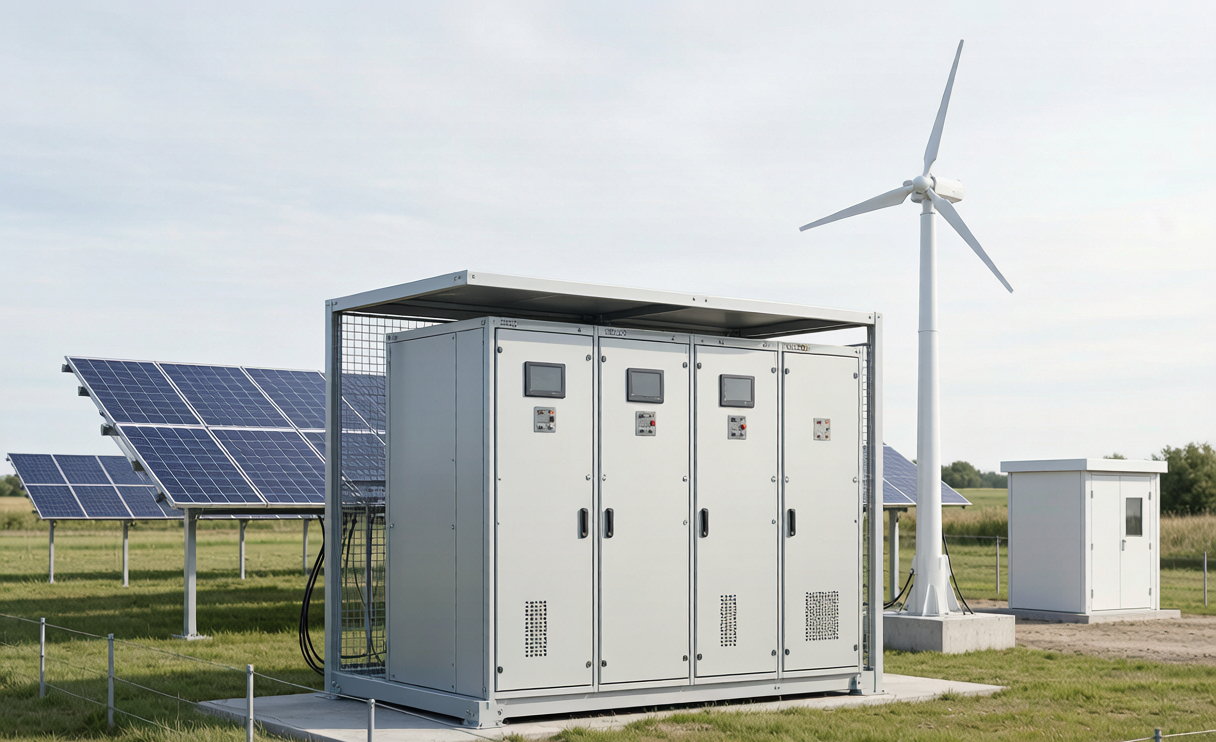
A microgrid is a closed electrical island. Unlike a grid-tied home that can export surplus or import deficit at will, a microgrid must balance generation and load every second with limited headroom. That creates duty cycles a typical sodium ion battery datasheet never shows. I have seen rural microgrids swing from 90% state-of-charge to 20% within a single cloudy afternoon, then deep-charge overnight from a diesel generator running in manual mode. Those partial, irregular cycles are far more punishing than the clean 1C full cycles used in laboratory cycle-life claims.
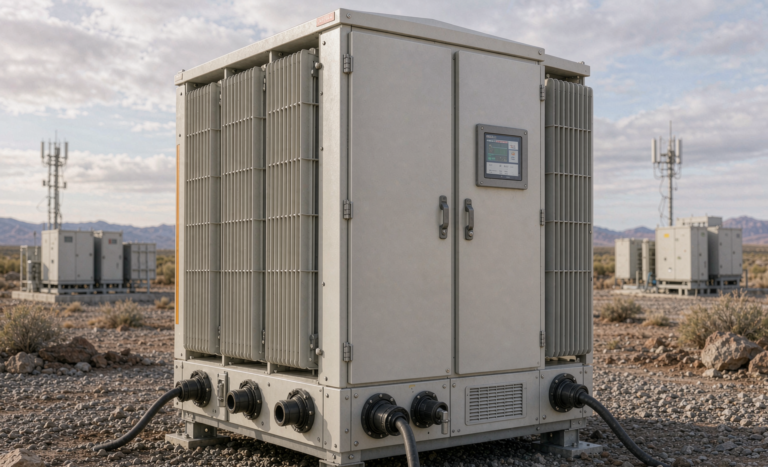
The second stress is thermal swing. A cabinet sitting in a desert community can bake at 55°C surface temperature, while the same model in a Himalayan village sees −20°C at night. Sodium-ion tolerates low temperature far better than lithium iron phosphate, but reliability still depends on how you manage the envelope. And the third stress is human: microgrid operators are rarely battery specialists. A reliable design is one that survives being operated by someone who has never heard of a battery management system alarm.
Capacity Fade and Cycle Life in Sodium-Ion Cells
Capacity fade is the metric microgrid owners care about most, because it directly determines how many years of autonomy they keep. In our bench and field testing, commercial sodium-ion cells lose roughly 8–12% of usable capacity in the first 1,000 equivalent full cycles under moderate temperature, then fade more slowly. The knee in the curve—where fade accelerates—typically arrives later than in comparable lithium chemistries, which is one reason we specify sodium-ion for daily-cycling microgrids rather than for occasional backup.
To predict fade rather than guess at it, we run accelerated lifetime testing at 45°C with a 0.5C–1C profile and extrapolate using an Arrhenius model. We then set the energy management system (EMS) to cap depth-of-discharge at 90% and limit continuous charge rate to 0.7C in hot sites. These two controls alone extend projected pack life from about 4,000 cycles to over 6,000 in our models. A sodium-ion battery rewards conservative windowing; the chemistry is forgiving, but it is not magic.
- We log capacity every 250 cycles in the field and compare against the lab extrapolation.
- We flag any cell that deviates more than 5% from pack average for replacement, not the whole module.
- We treat the first 50 cycles as “formation cycling” and exclude them from capex payback math.
Thermal Behavior and Cold-Climate Reliability
Sodium-ion’s headline advantage is cold-weather performance. Where lithium iron phosphate can lose 30–40% of available capacity at −10°C, a well-built sodium ion battery pack typically holds 85–90% of its room-temperature capacity at the same temperature, and it can accept charge without the plating risk that cripples lithium in the cold. For microgrids in northern communities, that single property removes the need for active cabin heating in many designs.
But cold reliability is not automatic. Below about −20°C, internal resistance still climbs and the BMS must derate charge current to protect cell balance. In a village microgrid we deployed in Inner Mongolia, we set the BMS to reduce charge current linearly from 1C at 0°C to 0.2C at −25°C, and we added a passive insulation shell rather than a heater. The result: year-round reliability with almost no parasitic load. For a custom battery solution in cold regions, this passive approach is usually cheaper and more reliable than trying to keep a cabinet warm with grid or generator power.
Safety Architecture: UN38.3, IEC 62133, and Beyond
Reliability and safety are the same discipline viewed from two angles. A pack that fails safety testing is, by definition, unreliable. Every sodium-ion cell and pack we ship for microgrid duty passes UN38.3, the transport-safety test sequence covering altitude simulation, thermal test, vibration, shock, external short circuit, impact, overcharge, and forced discharge. For stationary installation we also certify to IEC 62133-2 for the cell and apply the IEC 62619 requirements for industrial battery safety, including thermal runaway propagation resistance between cells.
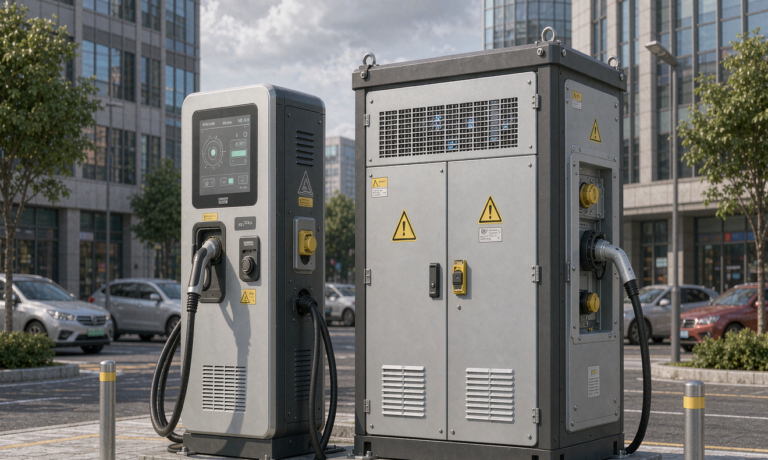
In a microgrid cabinet, we add three layers the standards do not mandate but that field experience demands. First, a gas-vented, fire-rated enclosure with a thermal fuse on the busbar. Second, an independent secondary protection trip that opens the contactor if the BMS loses communication—fail safe, not fail operational. Third, arc-fault detection on the DC side, because a microgrid’s long cable runs are a real fault path. A lithium battery microgrid needs these too, but sodium-ion’s higher thermal stability gives us a wider margin to design them in without oversizing cooling.
EMS Controls That Extend Pack Life
The single biggest reliability lever in any microgrid is the EMS, not the cells. I tell clients that the chemistry is 30% of the reliability story and the controls are the other 70%. Our default control philosophy for a sodium-ion bank is conservative and transparent:
- State-of-charge window capped at 10–90% in hot climates, 5–95% in temperate ones.
- Charge current limited by both temperature and cell-level voltage deviation.
- Cell balancing triggered above 30 mV delta, active balancing above 50 mV.
- Generator start signal issued at 25% state-of-charge only if solar forecast is poor.
- All alarms logged to a cloud dashboard my team reviews weekly for early-warning patterns.
This discipline is what turns a sodium-ion battery with a 6,000-cycle lab rating into a bank that actually delivers eight to ten years of useful service in the field. Without it, even the best cells degrade unevenly and one weak module drags the pack down.
Field Commissioning and Acceptance Testing
Reliability is locked in—or lost—at commissioning. When we hand over a microgrid battery, we run a 72-hour acceptance sequence before the client ever depends on it. We inject a simulated load profile, verify the BMS reports match an independent data logger within 2%, and deliberately trip every protection layer to confirm it opens. We also confirm the pack reaches its rated capacity at the site’s actual temperature, not the factory’s 25°C claim.
For a recent agricultural microgrid, acceptance testing caught a mismatched current sensor that would have silently overcharged one string. Catching it on day two saved a premature capacity loss we could not have explained to the owner a year later. A custom battery solution is only as good as the commissioning behind it, and I consider this step non-negotiable for any installation my name goes on.
Frequently Asked Questions
How long does a sodium-ion battery last in a microgrid?
In our field models, a properly windowed sodium-ion pack delivers 6,000 to 8,000 equivalent full cycles, which translates to roughly eight to ten years of daily cycling in a typical microgrid. Life is dominated by depth-of-discharge control and temperature, not by the cells alone.
Is sodium-ion safe compared with lithium-ion for remote sites?
Yes. Sodium-ion is inherently more thermally stable and does not contain cobalt or nickel. We still certify every pack to UN38.3 and IEC 62133-2 and add enclosure venting plus independent protection trips, but the chemistry gives engineers a wider safety margin, which matters for unattended remote microgrids.
Does sodium-ion work in very cold climates?
It works far better than lithium iron phosphate in the cold. A well-designed sodium ion battery pack retains most of its capacity near 0°C and still accepts charge at −20°C without plating risk, which lets us avoid energy-hungry cabin heaters in northern microgrids.
Can a sodium-ion battery replace my existing lithium bank?
Often yes at the pack level, but the EMS, enclosure, and BMS thresholds must be re-tuned. Voltage windows and balancing rules differ, so we treat any swap as a custom battery solution engagement rather than a mechanical drop-in, even when the footprint matches.
What standards should I require from a supplier?
At minimum, UN38.3 for transport safety, IEC 62133-2 for the cell, and IEC 62619 for industrial stationary safety. Ask for the test reports, not just the certificates, and verify the BMS fail-safe behavior during commissioning.