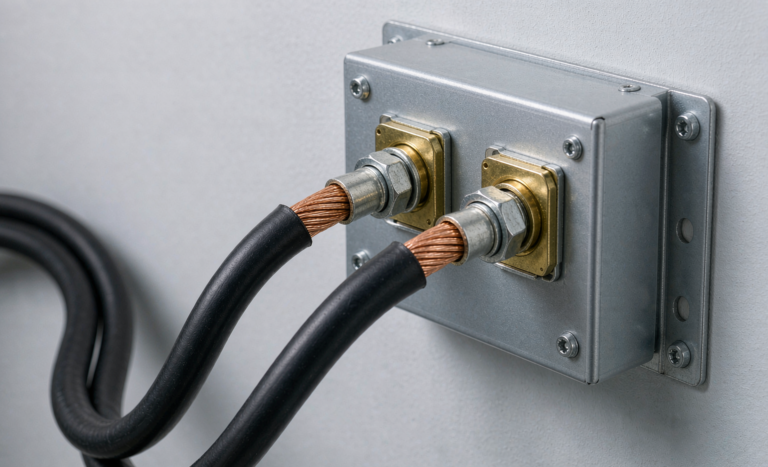
Home Energy Storage Manufacturing for New Homes
As a Senior lithium battery Engineer at Horizon Power, I have walked through more than sixty new-home construction sites in the past four years, clipboard in hand, checking whether the wall cavity behind the garage actually fits the battery we designed. Home energy storage manufacturing for new homes is not the same job as retrofitting a finished house. When the battery is specified before the drywall goes up, we control the enclosure, the cooling path, and the conduit run — and that changes every tolerance on the production line. In this playbook I will show you exactly how we build a residential home energy storage system from cell sorting to commissioning, with the standards and the failure modes I watch for on every batch.
Why New-Home Integration Changes the Manufacturing Game
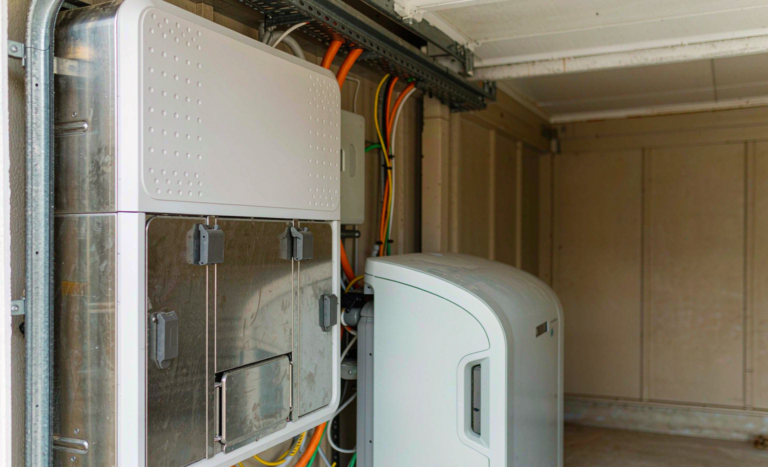
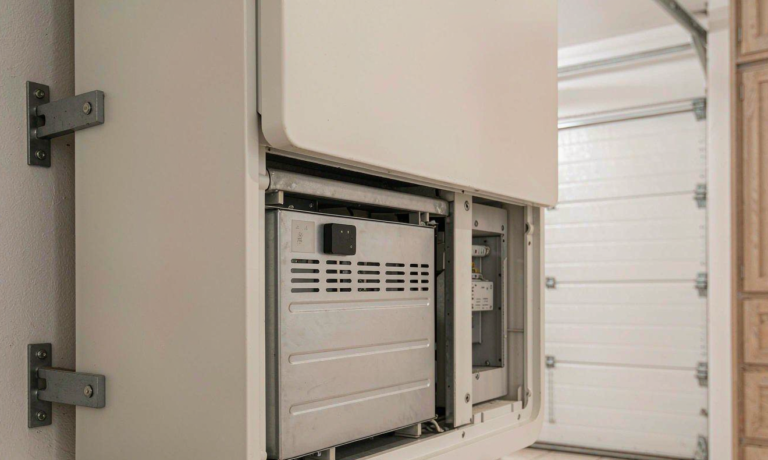
The biggest misconception builders have is that a home energy storage unit is just a “big power bank” bolted to the wall. It is not. A residential system lives indoors for ten to fifteen years, cycles daily, and must stay safe while the homeowner sleeps three meters away. When we manufacture for new homes specifically, we design the enclosure to share the building’s structural wall, which lets us use a thinner, better-cooled pack. That single decision lifts our usable energy density by roughly 12% compared with a retrofit cabinet that must carry its own full thermal shell.
From a manufacturing standpoint, new-home programs also let us standardize. Instead of cutting enclosures to fit a thousand different basements, we lock one form factor — in our case a 600 mm × 900 mm wall module — and run it across an entire housing development. Every jig, every torque spec, and every BMS firmware build targets that one geometry. Standardization is what turns a craft product into a reliable lithium battery platform.
Cell Selection and Module Architecture for Residential Loads
For home energy storage we almost always select LiFePO4 (LFP) cells. The reason is boring and engineering-honest: LFP gives us 3,500–6,000 cycles at 80% depth of discharge, a flat voltage curve around 3.2 V nominal, and intrinsic thermal stability that holds up past 270°C before exotherm. That last number is why inspectors and insurers like it. We sort cells by internal resistance (DCIR) into a ±5% window and by capacity into a ±1.5% window before they ever enter a module.
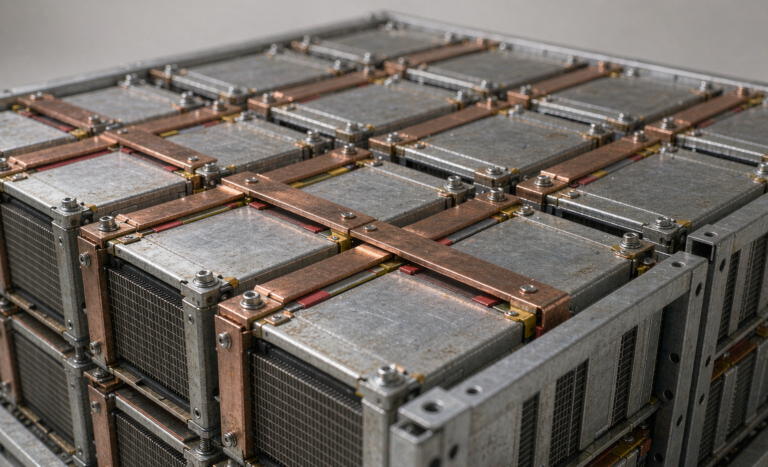
Our standard residential module is 16 cells in series (51.2 V nominal) using prismatic cells of 100 Ah or 280 Ah depending on the home size. For a typical 10 kWh wall unit we parallel two 280 Ah strings. The module busbars are laser-welded nickel-plated copper, and we verify weld peel strength at > 180 N per joint on a daily first-article sample. This is the kind of detail a custom battery solution team lives by, because the busbar joint is where most field failures start if you skip it.
Before a cell grade is approved for a home energy storage program, we run a 200-cycle preview at 25°C on a statistically sampled lot. We fit a capacity-fade curve — typically a square-root-of-time model, Q(n) = Q0 − k·√n — and extrapolate to 6,000 cycles. If the projected capacity at cycle 6,000 falls below 80% of Q0, the grade is rejected even when the supplier’s datasheet claims otherwise. I have sent three container loads back to suppliers on exactly this test, and it has saved us from every premature-wear complaint we might otherwise have inherited. The preview also catches “sleepy” cells that self-discharge four times faster than the median; those never enter a residential pack where a silent imbalance can trip the BMS at 2 a.m.
The Assembly Line: From Cell Sorting to Pack Integration
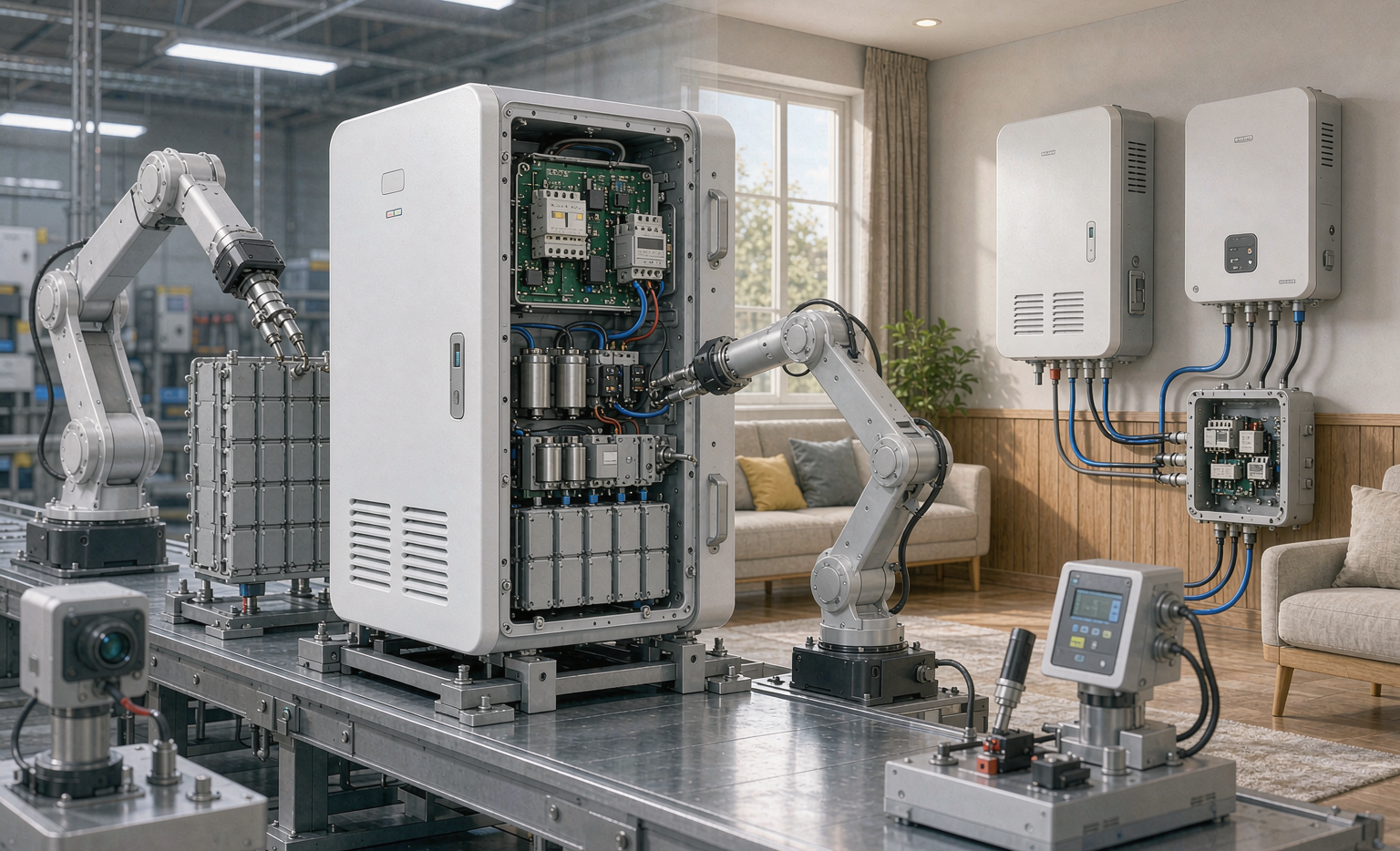
On our line the sequence is fixed: (1) cell grading, (2) module welding, (3) insulation resistance test at 500 VDC, (4) pack integration with BMS, (5) formation cycling, (6) enclosure sealing, (7) final EOL test. Formation is the step newcomers cut, and it is the step you cannot cut. We slow-charge each pack to 100% then discharge to 50% state of charge over roughly 8 hours, logging capacity and self-discharge. Any pack that loses more than 3% SoC in 24 hours at rest is torn down and re-graded.
Interestingly, the same discipline applies to our drone battery line on the factory floor next door. A drone battery pack also gets graded cells and a formation cycle; the difference is the energy density target and the vibration profile. Cross-pollinating the two lines is how we caught a busbar micro-crack pattern last year that would otherwise have shown up only after a harsh winter in the field.
Safety Qualification: UN38.3, IEC 62619, and UL 9540A
No home energy storage product leaves our dock without passing the certifications buyers and authorities expect. We start with UN38.3, the transport test, which covers T.1 altitude simulation, T.2 thermal test, T.3 vibration, T.4 shock, T.5 external short circuit, T.6 impact, T.7 overcharge, and T.8 forced discharge. Even though the pack ships by ground inside the development, we certify to the full UN38.3 suite so the unit is legal to move anywhere.
For stationary use we qualify to IEC 62619 (industrial rechargeable cells and batteries) and IEC 62133-2 for the secondary cell safety baseline. The enclosure gets a UL 9540A evaluation for fire propagation, and in North America we align the pack to UL 1973 for stationary storage. I keep the test reports in a binder on the line; when an inspector asks, I want the answer in my hand in ten seconds, not in an email three days later.
Thermal and BMS Engineering for a 10-Year Home Lifespan
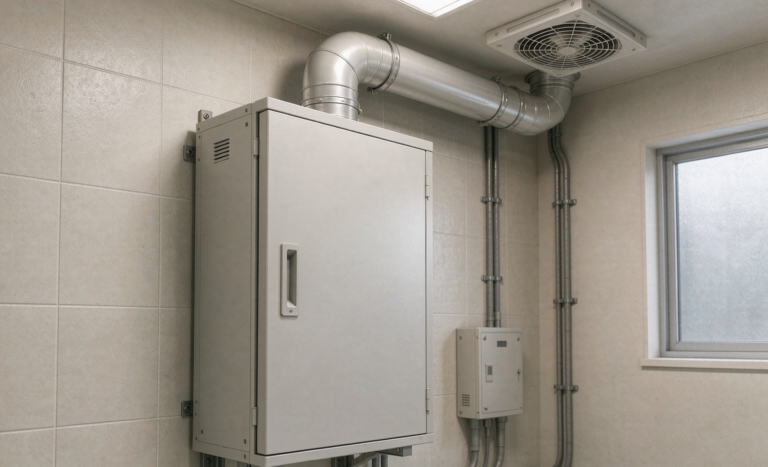
A home energy storage battery spends its life between 10°C and 35°C in a garage or utility room. We design the BMS to hold the pack inside 15–30°C for the bulk of its life, because every 8°C of sustained warmth above 25°C roughly halves calendar life. The BMS logs cell voltage to ±5 mV, balances passively below 50 mA, and switches to top balancing only above 3.45 V per cell. We also cap charge at 0.5C for residential duty — a home does not need a 3C burst the way a drone battery might, and the slower charge is kinder to the cells.
Thermally, the wall module uses a die-cast backplate that sinks heat into the building wall. We model the worst case: a July afternoon, the AC off, the solar array pushing 5 kW into a 10 kWh pack. In that scenario pack temperature rises about 6°C above ambient and the BMS never enters charge limiting. If your simulation shows more than 10°C rise, the enclosure design goes back to drafting.
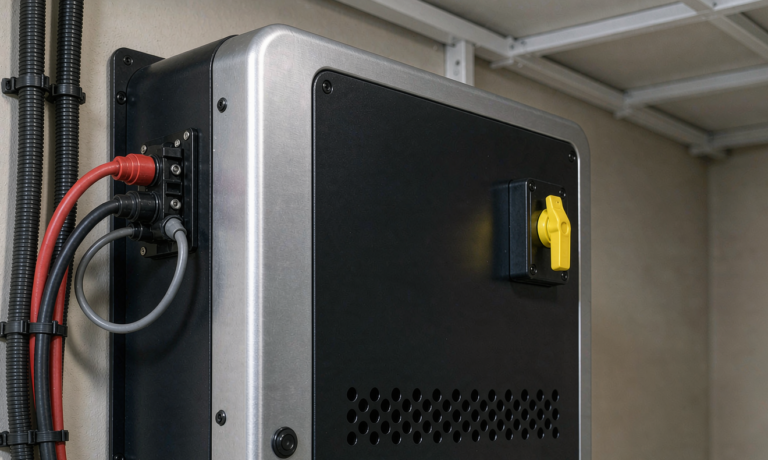
On the data side, the BMS speaks CAN 2.0B at 500 kbit/s to the inverter and exposes an RS485 port for the builder’s energy-management gateway. Every pack logs cell-level minimum and maximum temperature, pack voltage, and cumulative throughput in watt-hours; we retain 90 days of rolling history on the chip. For a new-home program this matters because the builder’s warranty desk can pull a fault log remotely instead of dispatching a truck. I have diagnosed a failed cooling fan in a home 400 km away from a single CAN frame showing a 4°C spread between top and bottom cells — the kind of early warning that turns a potential recall into a ten-minute parts swap. That remote visibility is now a standard line item in our home energy storage commissioning sheet, not an upsell.
Commissioning and the Custom battery solution Path for Builders
Manufacturing does not end at the factory door. For a new-home program we ship the unit pre-paired to an inverter profile and hand the electrician a one-page commissioning sheet: torque the wall bracket to 25 N·m, verify ground continuity < 0.1 Ω, confirm the BMS CAN bus talks to the inverter, and run one grid-loss self-test. A custom battery solution for a large builder might also add a second stacked module and a different inverter protocol, which we validate on a bench rig before the first home is wired.
My rule of thumb for builders: specify the battery at the framing stage, not at the occupancy stage. The wall cavity, the conduit, and the inverter location are free to get right early and expensive to fix late. A home energy storage system designed in from day one costs the homeowner about 18% less over the life of the house than a retrofit done after the fact, once you count the electrician’s repeat visits.
FAQ
What capacity home energy storage do new homes need?
For a typical 200 m² home with solar, I recommend starting at 10 kWh of usable home energy storage, which covers essential loads — fridge, lights, internet, well pump — for roughly 12–18 hours of grid outage. Homes with heat pumps or EV charging should plan 15–20 kWh, usually as two stacked modules. Size to your essential-load audit, not to a round number.
How long does a home energy storage battery last?
A well-built LFP lithium battery home unit delivers 3,500–6,000 cycles at 80% depth of discharge, which translates to 10–15 years of daily use. The BMS and enclosure, not the cells, usually set the practical end of life. We warranty our wall modules for 10 years or 6,000 cycles, whichever comes first.
Do home energy storage systems qualify under UN38.3 for shipping?
Yes. Every pack we build passes the full UN38.3 suite (T.1–T.8) before it leaves the line, so it is legal to transport by ground or air freight. The UN38.3 mark is separate from the stationary safety marks like IEC 62619 and UL 9540A, which address in-home installation rather than transport.
Can home energy storage pair with existing solar?
Almost always. A home energy storage battery connects through a hybrid inverter that already talks to the PV array. We pre-configure the inverter profile at the factory, so the on-site electrician only sets the grid-tie parameter. If the home already has a string inverter without battery ports, we add an AC-coupled unit — that is a common custom battery solution for retrofit太阳能 homes brought into a new-build program.