Home Energy Storage Second-Life Modules and Warranty
When I started specifying battery banks for residential customers a decade ago, the only realistic option was to buy brand-new lithium battery cells and accept the full upfront cost. Today the math has changed. Millions of electric-vehicle packs are reaching the end of their automotive warranty, and a large share of them still hold 70 to 80 percent of original capacity. As a senior lithium battery engineer at Horizon Power, I now help homeowners and installers turn those retired packs into affordable home energy storage second-life modules. This article explains what a second-life module really is, how we grade it, how it integrates safely, and what the warranty picture looks like so you can make a confident procurement decision.
What a Second-Life Module Actually Is
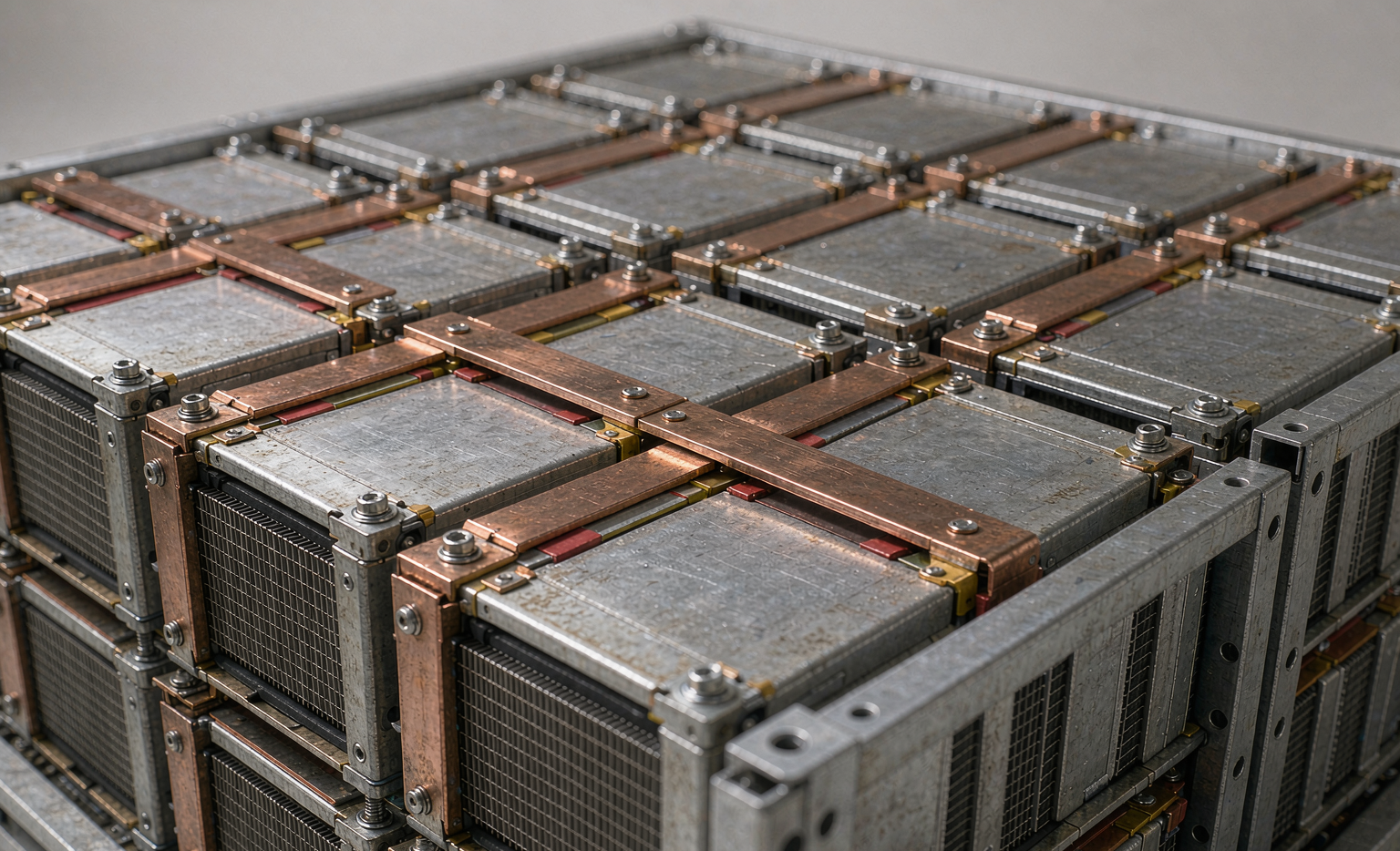
A second-life module is a battery pack or submodule that has been removed from its first application, usually an electric vehicle, tested, and repurposed for a less demanding second use. The cells inside are not new, but they are far from dead. An EV pack is typically retired when its capacity falls below about 70 to 80 percent of nameplate, because at that point the vehicle range becomes objectionable to drivers. For home energy storage, that same pack is perfectly adequate. A home battery is discharged and charged once per day at mild rates, so it does not need the peak power or absolute capacity that an EV demands.
The key engineering insight is that the application envelope narrows. We take a module that was designed for 3C discharge and 1.5C charge, and we ask it to deliver 0.5C discharge and 0.3C charge in a temperature-controlled garage. That derating is what makes second-life deployment safe and economical.
Why Repurposed EV Packs Fit Home Energy Storage
The match between retired automotive packs and home energy storage is better than most people expect. First, the energy density requirement at home is modest. A typical household daily cycle is 5 to 15 kilowatt-hours, which a single salvaged EV module stack can cover. Second, the duty cycle is gentle. Unlike a car that accelerates from standstill to full power in seconds, a home inverter draws a steady load that the aged cells handle without stress.
Third, and this matters to procurement, the cost basis is attractive. A new lithium battery for home use can run 300 to 500 dollars per kilowatt-hour installed. A graded second-life module bank often lands at 100 to 200 dollars per kilowatt-hour, before inverter and labor. For a budget-conscious homeowner, that difference can mean the project pays back in three to five years instead of seven to ten.
Grading and Screening Retired Modules
The single most important step in any second-life program is honest grading. At Horizon Power we never ship a module we have not tested. Our screening procedure has four stages.
- Capacity test: we charge and discharge the module at 0.2C and record the actual ampere-hour delivered against the label.
- Internal resistance: we measure DC resistance at several states of charge. A cell that has climbed above 1.5 times its fresh value is rejected.
- Voltage consistency: we check that all cells within the module stay within 20 millivolts of each other under load. Spreading beyond that indicates an aging imbalance we will not chase.
- Thermal and visual inspection: we look for swelling, corrosion on busbars, and any sign of prior thermal event.
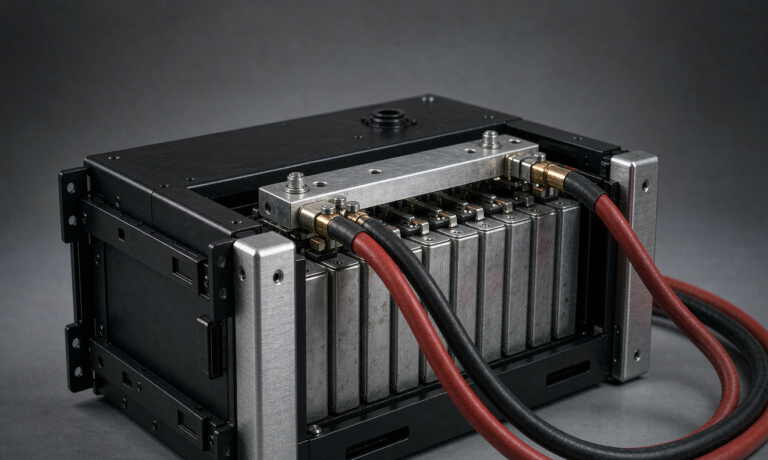
Only modules that pass all four gates are labeled and grouped into matched sets. Matching matters because a bank is only as strong as its weakest module. I always pair modules of similar capacity and resistance into the same enclosure so the battery management system can balance them efficiently.
Integration Architecture and BMS Requirements
A second-life home battery is not a drop-in replacement for a new one. The integration architecture needs deliberate design. The most reliable approach is to keep each original module behind its own protection, then aggregate at a higher level.
We use a layered battery management system. Each module has a small cell-monitoring board that reports voltage and temperature. A master controller aggregates those feeds, manages contactors, and talks to the home inverter over CAN bus. Because aged cells tolerate less abuse, we set tighter limits than we would on new cells: charge cutoff at 3.55 volts per cell, discharge floor at 2.8 volts per cell, and a hard thermal trip at 45 degrees Celsius.
The inverter must also respect the source. A second-life bank should be paired with an inverter that supports a conservative charge current and clear state-of-health reporting, so the homeowner can see capacity fade as it happens rather than discovering it during a blackout.
Safety, Standards and Certification
Safety is where second-life gets its bad reputation, and where good engineering separates a durable product from a hazard. Retired modules are not exempt from transport and installation rules. Any pack we move still falls under UN38.3 for transport safety, and installed stationary systems should be evaluated against IEC 62619 for industrial cells and UL 9540A for fire propagation control.
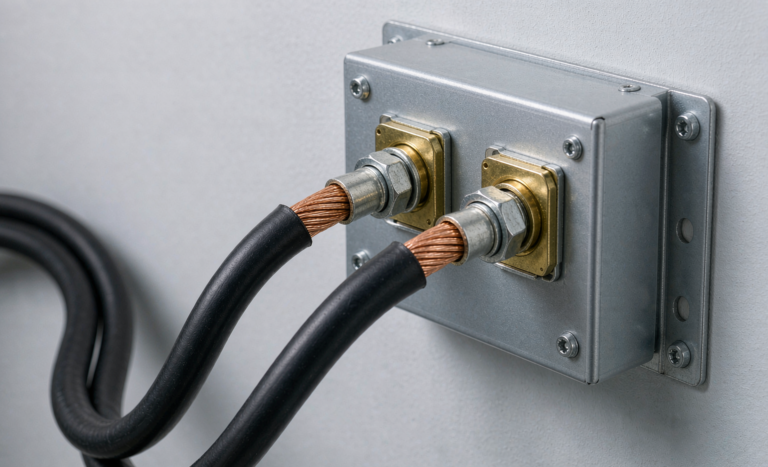
In my experience the two failure modes to design against are thermal runaway and connector heating. Thermal runaway is prevented by conservative cell limits and active cooling in warm climates. Connector heating is prevented by re-torquing every busbar joint and using pure copper or nickel-plated copper links rather than improvised wiring. I have seen more field failures from a loose terminal than from cell chemistry, so we treat mechanical assembly as a safety-critical step.
Warranty, Liability and Second-Life Contracts
Warranty is the part of a second-life project that surprises buyers. A new home battery typically carries an 8 to 10 year warranty with a capacity guarantee of 70 percent retained. A second-life module cannot promise the same absolute number, because the cells are already partially aged. Instead, a credible supplier offers a graded warranty: a shorter term, often 3 to 5 years, with a capacity floor of 60 percent and clear state-of-health reporting.
The contract should state the test method used for grading, the acceptable capacity window, and who is liable if a module drops below the floor. At Horizon Power we provide a written grading certificate per module and a prorated replacement commitment. I tell every customer to insist on that document. A second-life battery sold without a grading sheet is not a product, it is a gamble.
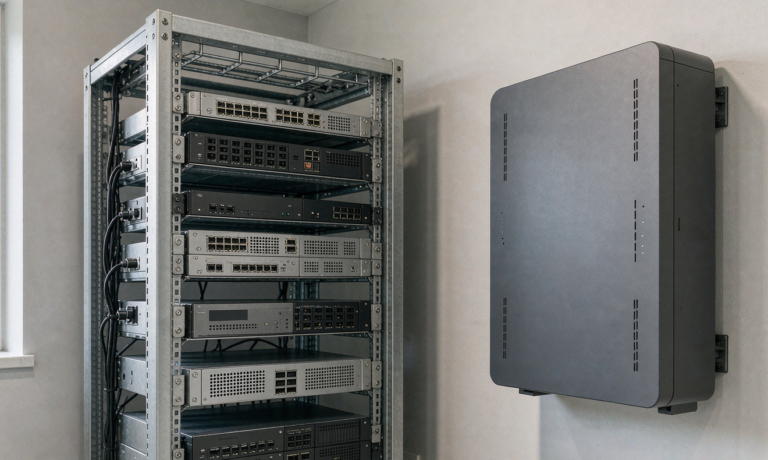
Liability also follows the installer. A repurposed pack must be commissioned by a certified electrician, enclosed in a rated cabinet, and registered with the local authority where required. The warranty is only valid inside that compliant installation.
Cost Math and Payback
Let me put numbers on the table. Assume a household that consumes 10 kilowatt-hours of stored energy per evening and faces a peak tariff of 0.30 dollars per kilowatt-hour. A 10 kilowatt-hour second-life bank at 150 dollars per kilowatt-hour costs about 1,500 dollars for cells, plus roughly 1,000 dollars for inverter, cabinet and labor. Daily savings of 3 dollars give a payback near 830 days, just over two years, before any backup-power value.
If the same home experiences four outages per year where stored energy prevents spoiled food or lost work, the effective payback shortens further. The second-life approach wins most clearly for customers who already have solar and want to shift self-generated energy into the evening without a large new-battery expense.
When Second-Life Is the Wrong Choice
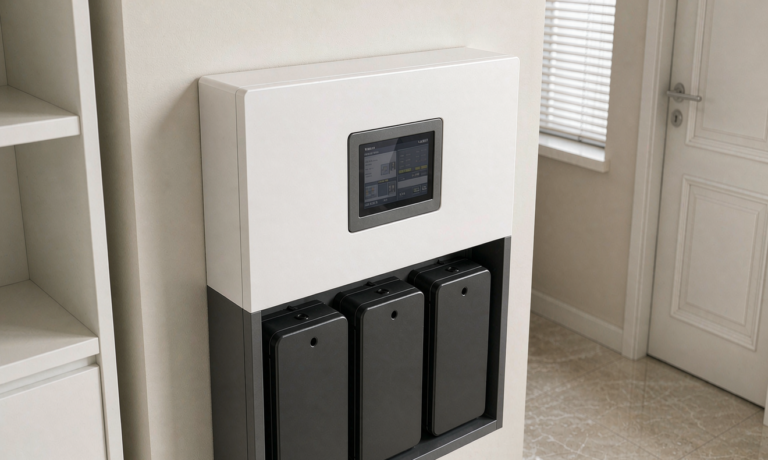
I would be doing you a disservice if I claimed second-life is always best. For a household that needs maximum round-trip efficiency, a 10 year warranty, or wall-mounted aesthetics in a living space, a new lithium battery is the cleaner answer. Second-life also demands a more involved commissioning process, so if you have no qualified installer nearby, the savings can evaporate in troubleshooting.
The right question is not new versus used, but whether your duty cycle, budget, and installer skill match a repurposed pack. When they do, home energy storage second-life modules deliver genuine value.
FAQ
Are home energy storage second-life modules safe to install indoors?
Yes, when they are graded, enclosed in a rated cabinet, and commissioned by a certified electrician. The safety rules that apply to new lithium battery systems, including UN38.3 transport and IEC 62619 stationary evaluation, apply equally to repurposed packs, and conservative charge limits make them suitable for a garage or utility room.
How much capacity should I expect from a second-life module?
A properly graded module typically retains 70 to 80 percent of its original nameplate capacity at the time of repurposing. A credible supplier will state the measured capacity on a grading certificate rather than quoting the new-cell label, and you should size your bank from that real number.
What warranty covers a repurposed home battery?
Expect a shorter, graded warranty of 3 to 5 years with a capacity floor around 60 percent, rather than the 8 to 10 year warranty common on new units. The contract should include the grading method, the acceptable capacity window, and a prorated replacement commitment if a module falls below the floor.
Can I mix second-life modules with a new lithium battery bank?
It is possible but not recommended without careful design. Different cell ages, resistances, and chemistries make balancing difficult, so I advise keeping second-life modules in their own enclosure with a dedicated battery management system and a compatible inverter.
How do I verify a second-life module is genuinely graded?
Ask for a per-module grading certificate that lists capacity test results, internal resistance, voltage consistency, and visual inspection. A reputable supplier such as Horizon Power provides this document, and you should treat any pack sold without it as unverified.
Further Reading
References