Lithium Battery for Fish Finders and Kayak Electronics
On a calm morning last spring I was helping a charter kayak guide spec a power system for his side-scan sonar. He had burned through three sealed lead acid batteries in two seasons and wanted something lighter that would survive being dropped on a muddy bank. As a senior lithium battery engineer I see this request constantly: anglers and kayak paddlers need a lithium battery for fish finders that is compact, weather resistant, and able to deliver steady voltage through a full day on the water. In this article I will walk through the capacity math, the load profile of modern sonar units, the marine abuse factors, and the compliance standards I apply when I design a custom battery solution for this application.
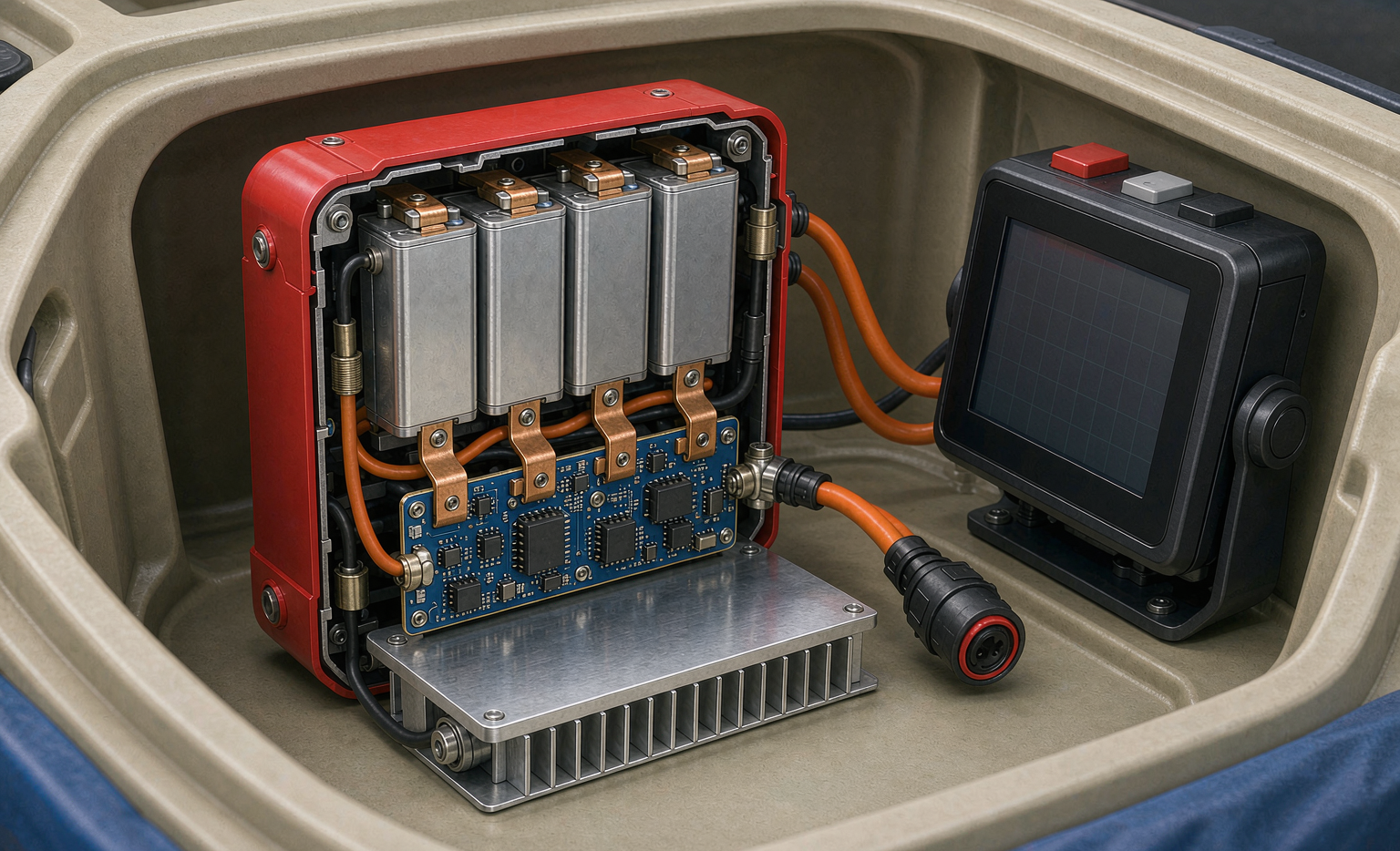
The short answer is that a 12V lithium battery pack built on LiFePO4 cells is almost always the right choice. It weighs roughly one third of an equivalent lead acid block and tolerates the deep discharges a full day of chartplotter and transducer use demands. The rest of this guide explains how to size it and what to specify so you do not learn the hard way on the water.
Why Fish Finders and Kayak Electronics Demand a Purpose-Built Lithium Battery
A fish finder is not a single steady load. The display draws a base current, the GPS and sonar processor add a variable load, and the transducer transmit pulse can spike the demand for a few milliseconds every cycle. A lithium ion battery handles this better than lead acid because its internal resistance is low and its voltage curve is flat. When a lead acid battery sags under the transducer pulse, the unit can reboot or throw a low voltage warning. A well built lithium battery pack rides through the pulse without the display ever blinking.
There is also the weight and space problem. A kayak has almost no spare payload, and a heavy battery sitting low in the hull changes the trim. Replacing a 15 Ah sealed lead acid brick with a lithium battery of the same capacity cuts about two kilograms. For a paddler who already carries tackle, water, and safety gear, that difference is the margin between a comfortable trip and an overloaded deck.
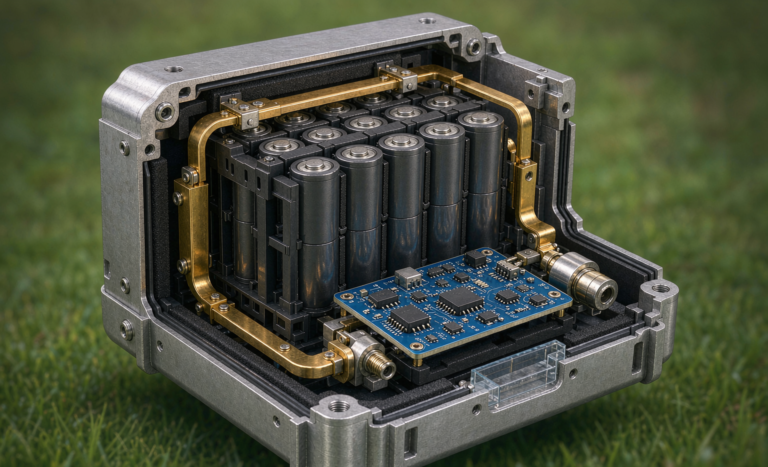
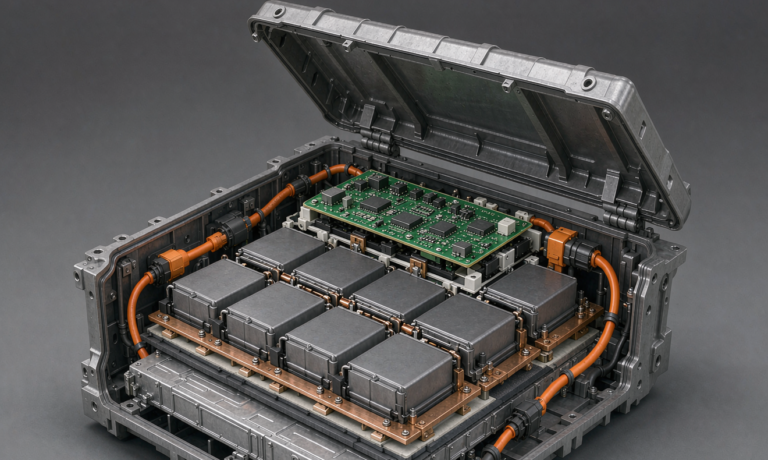
Finally, kayak electronics live in a hostile environment. They get splashed, dropped, frozen overnight, and baked on a front deck in summer sun. A purpose built pack seals the cells, isolates the BMS, and uses tin plated terminals that resist the salt spray that destroys bare copper in a season.
Capacity Math: Sizing a Lithium Battery for Fish Finders
Sizing starts with amp hours, but amp hours only mean something at a stated voltage. I size in watt hours because that removes the guesswork. Take a typical kayak setup: a 9 inch chartplotter drawing 0.8 A at 12V, a chirp sonar transducer pulsing to 1.2 A average, and a small LED nav light at 0.2 A. That is about 2.2 A continuous, or 26.4 W at 12V. For an eight hour day you need 211 Wh, which a 12V 18 Ah lithium battery covers with margin.
Do not size to the nameplate. Real days include idle time with the screen dimmed and active time with side imaging maxed out. I add a 30 percent buffer on top of the average load so the battery never drops below 20 percent state of charge, which is where lithium cell aging accelerates. For the example above, a 12V 20 Ah or 24 Ah pack is the sweet spot, and it still weighs under three kilograms.
If you run a larger 12 inch unit with live mapping and a wireless trolling motor draw, the load can climb to 4 A average. That pushes the daily energy to roughly 380 Wh, so step up to a 12V 35 Ah lithium battery pack.
Voltage Platforms: 12V Systems and the Sonar Load Profile
Most kayak fish finders are 12V native, and that is why a 4S LiFePO4 lithium ion battery, which rests at 13.3V and cuts off near 10V, matches the unit perfectly without a buck converter. Running the sonar straight from the pack avoids the efficiency loss and the extra failure point of a regulator. I still recommend a BMS that opens the load at a hard low voltage cutoff so a forgotten unit cannot over discharge the cells overnight.
The load profile matters more than the peak number. A chirp transducer spends most of its time at low draw and only spikes during the ping. Because lithium cells have a flat discharge curve, the displayed battery icon on the fish finder stays steady instead of dropping in steps the way it does on lead acid. That steady readout is one of the reasons paddlers tell me they finally trust their gauge.
For mixed fleets, a 12V lithium battery pack can share the same footprint as the lead acid it replaces, so the existing battery tray and straps still fit. When I build a custom battery solution for a guide service, I keep the enclosure dimensions fixed and only change the cell count for capacity.
Cold Weather and Marine Abuse: IP Rating, Vibration and Corrosion
Kayak batteries get cold. Below about 0 degrees Celsius a lithium ion battery charges slowly and a forced charge can plate lithium metal on the anode. The fix is a BMS with a low temperature charge cutoff, which I set to block charging below 0 degrees Celsius and allow discharge down to minus 20 degrees Celsius. Anglers who fish through ice season rely on this, because they discharge on the ice but only charge back at room temperature.
Water is the other constant. I specify a minimum IP65 enclosure for any pack that rides in an open kayak, and IP67 if it sits in a forward compartment that can ship water. The rating is not just the lid gasket. It covers the cable glands, the vent path, and the seam where the BMS sits. A pack that claims IP65 but passes the cable through an unsealed hole is not IP65 in practice.
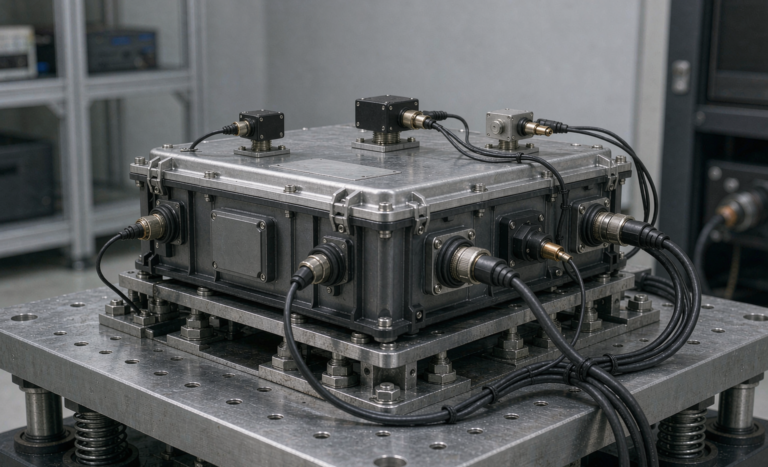
Vibration and corrosion finish the list. Kayaks flex, and a hull slapping chop transmits that flex to whatever is bolted down. I pot the BMS in urethane, float the cells in compression foam, and use nickel or tin plated busbars instead of bare copper to survive a season on salt water.
Safety and Compliance: UN38.3, IEC 62133 and Marine Transport
A lithium battery for fish finders is still a lithium battery, and it has to clear the same transport and safety standards I apply to every pack we ship. UN38.3 is the baseline test series for air and sea transport: altitude simulation, thermal test, vibration, shock, external short circuit, impact, overcharge, and forced discharge. Any pack we sell carries the UN38.3 test summary, and I keep it on file because carriers ask for it.
For the cell and pack build I design to IEC 62133, which covers the safer construction rules and the abnormal charge, forced discharge, and temperature abuse tests. It is the standard buyers reference when they audit a factory, and it is the one I show during a customer walkthrough. Meeting it is not optional if you want the pack accepted by a real distributor.
On the water the hazard is simpler: a hard short from a dropped wrench across the terminals. A good BMS fuses and opens the bus within milliseconds, and I add an accessible manual reset breaker on the pack so the user can recover without a tool. That single breaker has saved more trips than any spec sheet.
Battery Management and Cycle Life in Real Kayak Use
Cycle life is where lithium wins outright. A quality LiFePO4 lithium battery pack delivers 2000 to 4000 cycles to 80 percent capacity, against maybe 200 to 300 for a sealed lead acid used the same way. In a kayak that sees a weekend trip every week, that is roughly a decade of service instead of a season and a half. The BMS does the work: it balances the cells on every charge, logs state of charge, and protects against over current when a user taps the terminals.
I also spec a low self discharge target, because a kayak may sit in storage for a month between trips. The cells we use hold below 3 percent self discharge per month, so a spring launch after winter storage still shows a full gauge.
The practical rule I give every paddler is simple. Charge to full before you leave, keep the pack above 20 percent on the water, and store it at about half charge in a cool dry place. Follow that and a lithium battery for fish finders will outlast the kayak it rides in.
Frequently Asked Questions
Can I run a fish finder directly from a lithium battery without a converter?
Yes, if the unit is 12V native. A 4S LiFePO4 lithium ion battery rests near 13.3V and stays above 12V through most of the discharge, which matches the fish finder input range. No buck or boost converter is needed, and skipping it removes an efficiency loss and a failure point.
How many amp hours do I need for a full day of kayak fishing?
For a typical 9 inch chartplotter plus chirp sonar, plan about 2.2 A average. An eight hour day is near 18 Ah, so a 12V 20 to 24 Ah lithium battery pack gives safe margin. Larger 12 inch units with live mapping push the need to a 12V 35 Ah pack.
Is a lithium battery safe to leave on a kayak in the rain?
It is, provided the pack is rated IP65 or higher and the cable glands are sealed. I specify IP65 for open kayaks and IP67 for forward compartments that can ship water. The BMS should also carry a low temperature charge cutoff so cold weather charging does not damage the cells.
What is the cycle life of a lithium battery for fish finders?
A LiFePO4 lithium battery pack typically delivers 2000 to 4000 cycles to 80 percent capacity. Used weekly, that is about ten years, far beyond the 200 to 300 cycles you get from a sealed lead acid block in the same duty.
Do I need a special charger for a lithium battery pack?
Yes. Use a charger made for LiFePO4 with the correct 14.4 to 14.6V absorption and a constant current constant voltage profile. A lead acid charger will undercharge or overvoltage the pack and can trip the BMS. A custom battery solution from a vendor should ship with a matched charger.
Can a lithium battery for fish finders be taken on a plane?
Spare lithium batteries must travel in carry on luggage under IATA rules, usually capped near 100 Wh per cell and 160 Wh total without airline approval. Most kayak packs are below that, but always carry the UN38.3 test summary and keep the terminals insulated. For checked baggage, lithium batteries are generally prohibited.
Further Reading
References