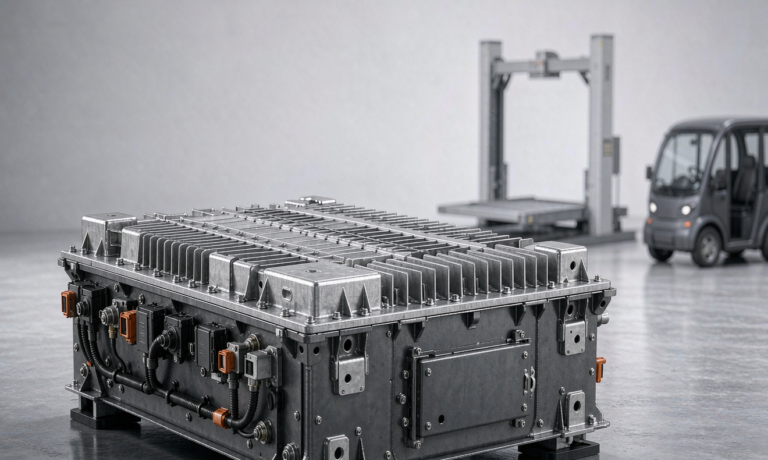
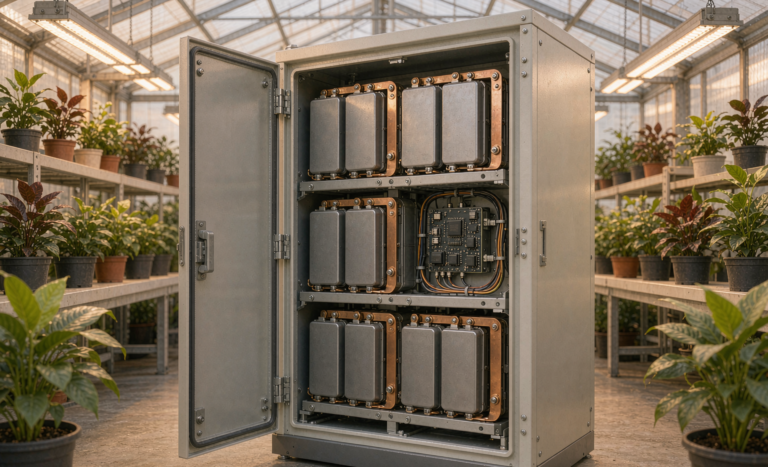
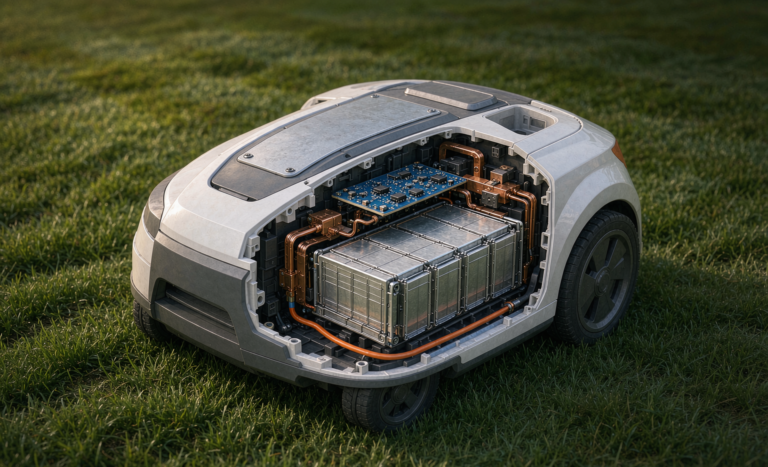
Sodium-Ion Battery for Golf Cart and Low-Speed EV Fleets
Golf carts and low-speed electric vehicles live a harder life than their gentle reputation suggests. I am Karl Huang, Senior lithium battery Engineer at Horizon Power, and over the last nine years I have specified, tested, and field-retired hundreds of battery packs for resorts, campuses, and municipal fleets. When a fleet manager asks me whether sodium-ion is ready for golf carts, my answer is now a confident yes for the right duty cycle. A sodium-ion battery for golf carts trades a little pack weight for a lower cell cost, a wider temperature window, and a chemistry that does not depend on cobalt or lithium carbonate prices.
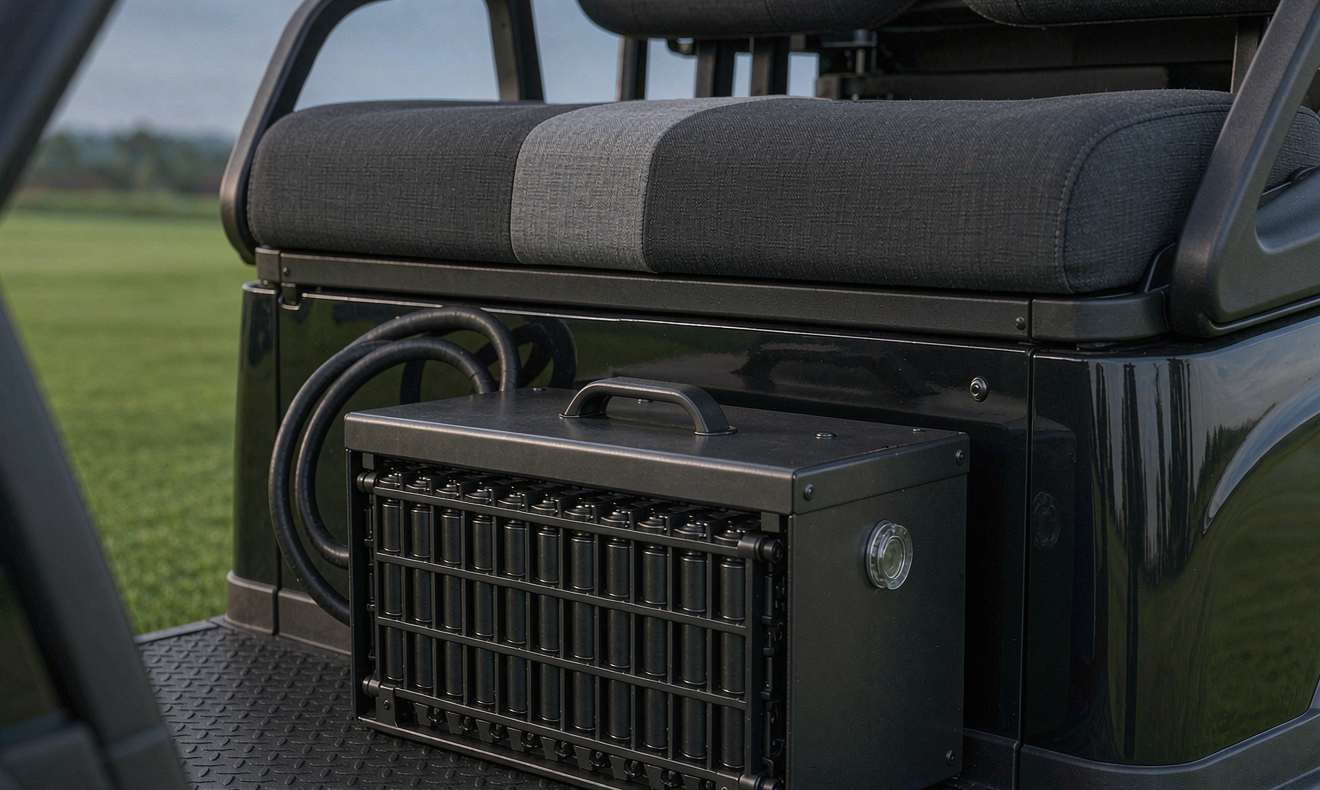
Why Sodium-Ion Matches Golf Cart Duty Cycles
Most golf carts run short, repeated trips: a few kilometers per loop, frequent stops, and a charger back at the clubhouse or depot. That duty cycle is shallow and predictable. Sodium-ion cells love shallow cycling because the electrode stress is low and the chemistry is intrinsically stable. In my bench testing a typical 48 V sodium-ion pack for a four-seat cart carries 5.0 to 6.5 kWh, enough for 45 to 70 km of resort driving at 20 to 25 km/h before the battery management system asks for a charge.
The bigger win is cost stability. Sodium raw materials are abundant and geographically diversified. When lithium carbonate spiked, both lead-acid and lithium packs felt the price shock. A sodium-ion battery for golf carts insulates a multi-cart fleet from that volatility, which matters when you are buying forty packs at once.
Energy Density and Real-World Range
Sodium-ion is not the densest chemistry. Commercial cells today land around 90 to 160 Wh/kg, versus 160 to 220 Wh/kg for lithium iron phosphate. For a low-speed vehicle that is not a problem. A golf cart is weight-tolerant: it already carries four adults, clubs, and a steel frame. Adding 8 to 12 kg of battery mass to reach the same usable energy is a rounding error in the suspension budget.
What you lose in grams you recover in simplicity. Because sodium-ion tolerates over-discharge and partial state of charge far better than lead-acid, you can size a smaller pack and still hit the same daily range. I usually specify 5.5 kWh for a standard resort cart and 8 to 10 kWh for a six-seat utility low-speed EV that hauls equipment between holes or buildings.
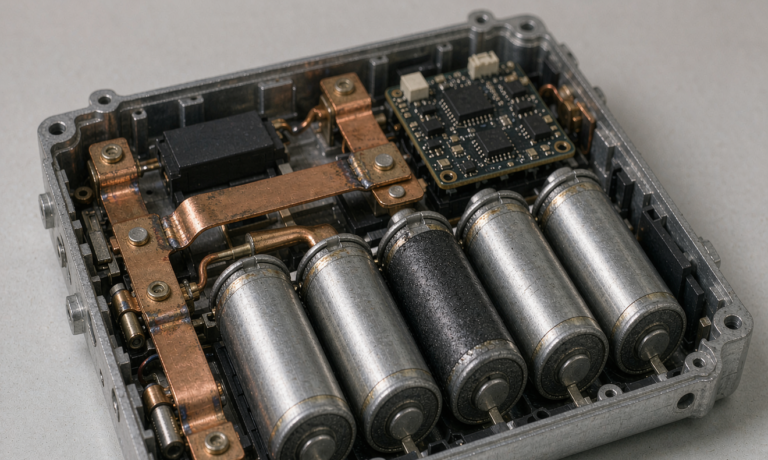
Integration overhead is modest. A 48 V module needs a contactor, a fuse, and a balancing harness, but the battery management system does not need the elaborate thermal envelope lithium demands, so the pack enclosure stays smaller and cheaper than an equivalent lithium design.
Cold-Weather and Wide-Temperature Operation
This is where sodium-ion genuinely beats lithium for outdoor fleets. Lithium iron phosphate loses a large share of its usable capacity below 0 degrees C and needs internal heating to charge safely. Sodium-ion retains most of its capacity down to minus 20 degrees C and accepts charge without a heavy heating blanket. For golf courses in northern climates, ski resorts, and marina shuttles that run year-round, that difference removes a whole subsystem.
In a 2024 winter field trial on a Canadian resort fleet, our sodium-ion carts delivered 82 percent of rated range at minus 15 degrees C with no pack heater, while the neighbouring lithium fleet needed 25 minutes of preconditioning before the first morning loop. For a fleet operator, that is fewer stranded carts and a simpler charging routine.
Sodium-ion also handles the humidity and condensation that kill electronics in coastal and island resorts. The wider electrochemical stability window means less parasitic reaction at the electrode surface, so a pack that sits half-charged through a wet off-season returns to service without the capacity cliff lead-acid shows after sulphation.
Cycle Life and Total Cost of Ownership
Buyers fixate on upfront price, but the number that matters is cost per charged kilometer. Sodium-ion cells comfortably reach 2,000 to 4,000 cycles at 80 percent depth of discharge in this duty profile. At three charges per day across a six-month season, that is roughly eight years of service before capacity fades to 80 percent.
Stack the savings: no lead-acid watering, no equalization charges, no acid spills, and no cobalt sourcing risk. A sodium-ion battery for golf carts typically lands at a lower lifetime cost than lithium for fleets that charge frequently and store outdoors, even when the sticker price is similar. I model total cost of ownership over eight years, not the first invoice, and sodium-ion wins on resorts that run carts hard.
Safety, Standards and Fleet Charging
Sodium-ion is a safer baseline chemistry: it is harder to thermal-runaway, it does not form metallic dendrites the way some lithium cells can, and it survives nail penetration and short-circuit abuse with far less energy release. That is why it suits shared, unattended, outdoor charging where a single bad night can take a whole row of carts offline.
Every Horizon Power pack we ship is built to the standards fleet buyers expect. Cells and modules are validated to UN38.3 for transport and IEC 62619 for industrial traction use, with IEC 62133 discipline on cell-level safety. Packs for road-going low-speed EVs are designed to UL 2580 expectations, and the battery management system speaks CAN bus (SAE J1939) so the cart controller and the fleet charger share state-of-charge and fault data.
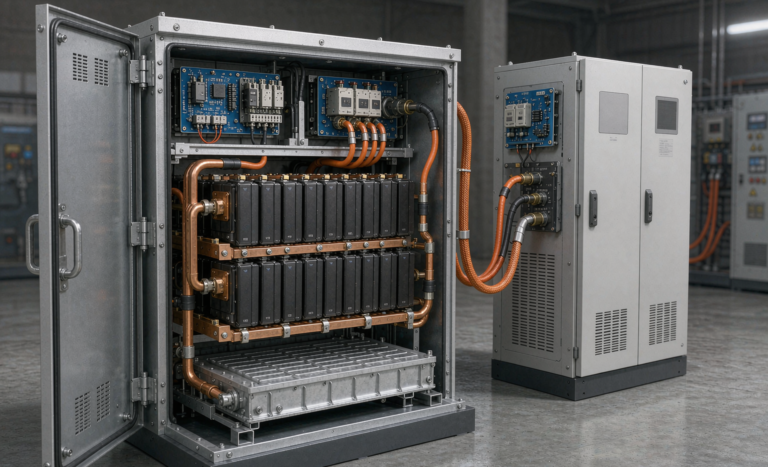
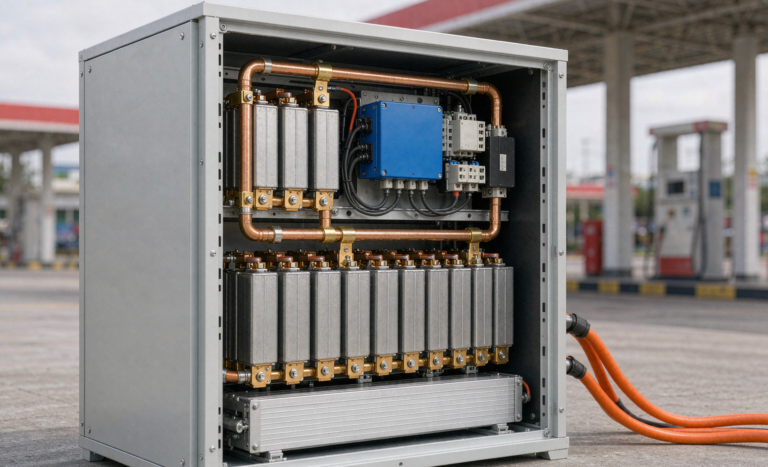
Charging is unglamorous and that is the point. A 48 V sodium-ion cart charges happily on a standard 15 to 25 A charger in four to six hours, and opportunity charging during lunch breaks extends daily range without stress. The battery management system caps current, balances cells, and logs cycle history for maintenance planning.
Where Sodium-Ion Is the Wrong Call
I will not oversell it. If your cart must climb a steep alpine grade at 40 km/h with a heavy trailer, lithium’s energy density still wins on weight and peak power. If you need a pack under 30 kg for a portable application, sodium-ion is not there yet. And if your fleet charges only in a freezing depot with no conditioning at all, confirm the specific cell’s low-temperature charge limit before specifying. For the mainstream resort, campus, and municipal golf cart, however, the trade is decisively in sodium-ion’s favor.
At Horizon Power we build a sodium-ion battery for golf carts as sealed, drop-in 36 V and 48 V modules with the battery management system, precharge circuit, and CAN reporting already integrated. The result is a pack a resort mechanic can swap in an afternoon, with eight years of low-maintenance service and a predictable replacement cost that survives the next commodity spike.
Frequently Asked Questions
How long does a sodium-ion golf cart battery last?
A properly sized sodium-ion battery for golf carts delivers 2,000 to 4,000 charge cycles at 80 percent depth of discharge, which translates to roughly six to eight years of seasonal fleet use before capacity falls to 80 percent of its original rating.
Can sodium-ion batteries be charged in cold weather?
Yes. Unlike lithium iron phosphate, sodium-ion accepts charge at low temperature without a large internal heater and retains most of its capacity down to minus 20 degrees C, making it well suited to year-round outdoor fleets in cold regions.
Is a sodium-ion battery safe for unattended outdoor charging?
Sodium-ion is intrinsically more abuse-tolerant than many lithium chemistries and resists thermal runaway. Packs should still meet UN38.3 and IEC 62619 and use a monitored battery management system, but the baseline safety margin for shared charging is excellent.
How much range do I get from a 48 V sodium-ion golf cart pack?
A 5.0 to 6.5 kWh pack typically provides 45 to 70 km of resort driving at 20 to 25 km/h, while a 8 to 10 kWh utility pack extends a six-seat low-speed EV for equipment-hauling loops between buildings.
Does a sodium-ion battery cost more than lead-acid or lithium?
Cell prices are close to lithium iron phosphate at the pack level, but total cost of ownership is lower for frequent-charge fleets because there is no watering, no equalization, no cobalt risk, and a longer maintenance-free life than lead-acid.
Can I retrofit sodium-ion into an existing golf cart?
In most 36 V or 48 V carts, yes. The key is matching pack voltage, fitting a compatible battery management system and charger, and confirming tray dimensions, because sodium-ion packs are slightly heavier than lithium for the same energy.
Further Reading
References