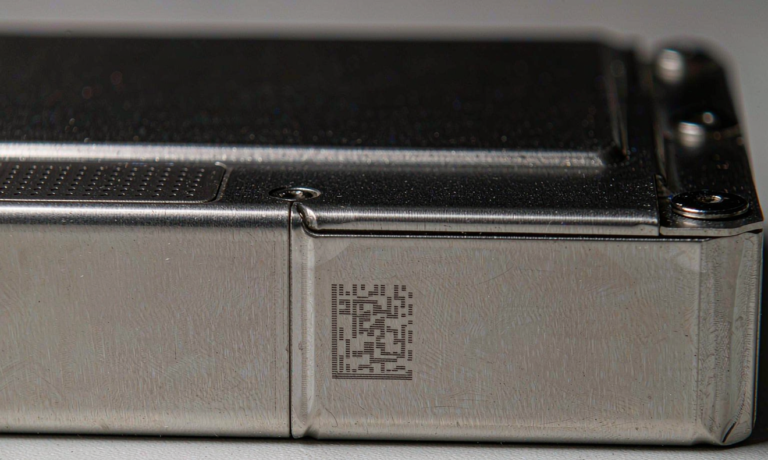
Semi-Solid State Battery Pouch Heat Sealing and Degassing
At Horizon Power we build semi-solid state cells in both prismatic and pouch formats, and after years on the pilot line I can say the pouch route lives or dies at the sealing station. A semi-solid electrolyte sits between a free-flowing liquid and a true solid, which makes the aluminum laminate pouch far less forgiving than a rigid steel or aluminum case. Get the heat seal wrong and you invite moisture ingress, electrolyte creep, and a slow capacity fade that no customer will accept. Skip proper degassing after formation and the trapped gas will bulge the pouch until the weld opens. This article walks through the sealing and degassing steps we tune on every semi-solid pouch program, with the numbers we actually run on the floor.
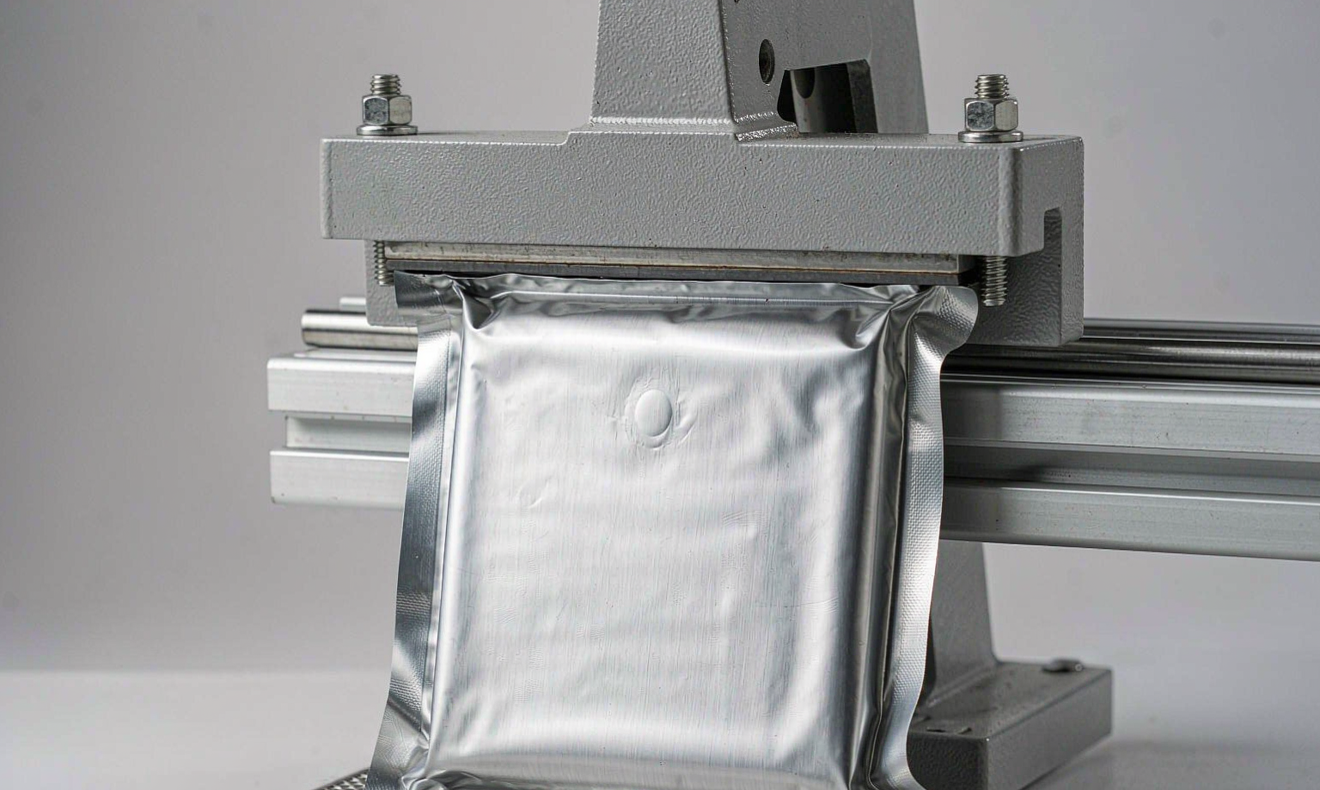
Why Pouch Sealing Quality Decides Semi-Solid Cell Yield
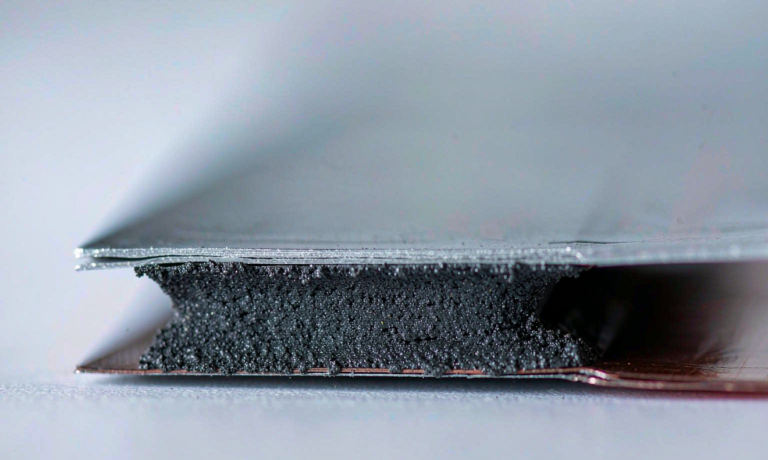
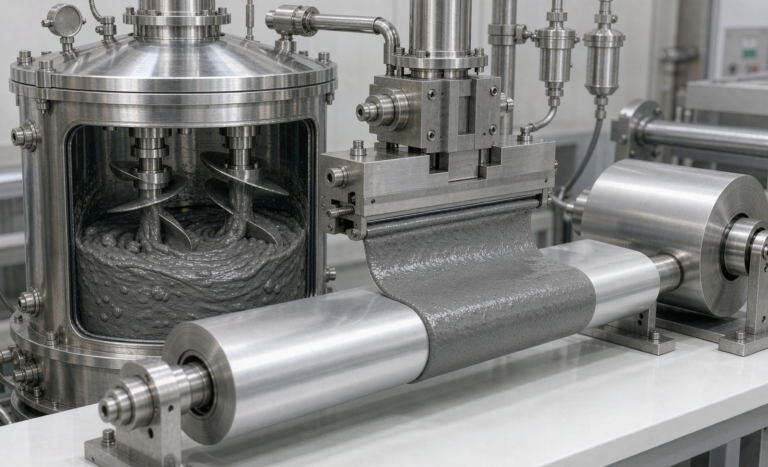
Pouch cells trade the rigid metal case for a three-layer aluminum laminate film. The outer layer is nylon for abrasion resistance, the middle is aluminum foil that acts as the moisture and oxygen barrier, and the inner layer is a heat-seal resin that bonds the two halves of the pouch together. In a conventional lithium battery the seal only has to keep liquid electrolyte in. In a semi-solid state battery the seal must also survive a thicker, more viscous electrode slurry and a semi-solid electrolyte that creeps under stack pressure. We measure seal strength on every lot with a 90 degree peel test and hold a minimum of 40 newtons per millimeter of width before a cell is allowed into formation. Below that threshold the risk of edge delamination climbs fast, and a delaminated edge is where moisture enters first. Because the semi-solid electrolyte is more sensitive to water than a liquid one, a weak seal does not just leak electrolyte, it also accelerates the interface breakdown that drives calendar-life loss.
Heat Sealing Parameters We Actually Run
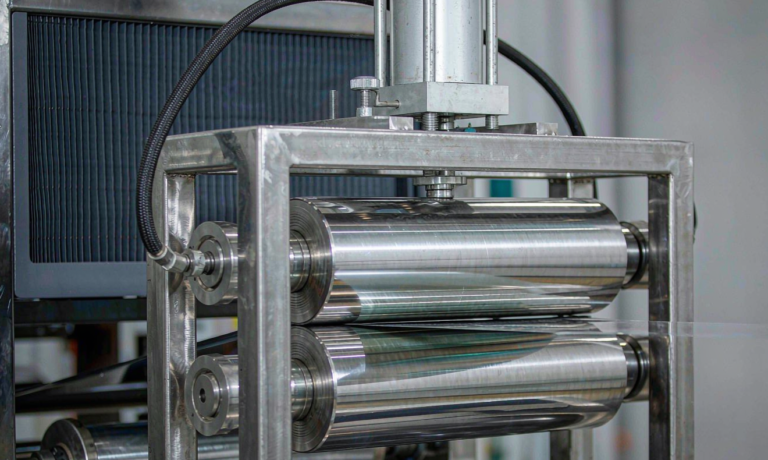
Heat sealing is a three-variable problem: temperature, pressure, and dwell time. For our standard 113 micrometer aluminum laminate we set the sealing bar at 180 to 195 degrees Celsius, apply 0.3 to 0.5 megapascals of pressure, and hold for 2 to 4 seconds depending on the film batch. Too low a temperature and the inner resin never flows enough to fuse; too high and you thin the barrier layer and expose the aluminum to electrolyte. We qualify each laminate lot with a differential scanning calorimeter to find its seal-initiation temperature, then set the bar 15 degrees Celsius above that point. Infrared thermocouples on the sealing jaw give us plus or minus 3 degrees Celsius control across the full 300 millimeter seal length. Pressure is just as important as heat: too little leaves unmelted resin, too much squeezes the sealant out of the joint and leaves a brittle line. We tune dwell time last, because it is the easiest knob to hold within tolerance on a high rate line.
Degassing After Formation Removes Trapped Gas
Formation is where the semi-solid cell first charges and discharges to build its stable interface layer. It also generates a small volume of gaseous byproducts, mostly from residual solvent and side reactions at the electrode edge where the coating is thinnest. We degas inside a glovebox held below 1 percent relative humidity, because a semi-solid electrolyte is more moisture sensitive than a liquid one and any water pulled in during the puncture will stay in the cell. The cell is pierced through a pre-formed degassing tab, the gas is drawn off under light vacuum, and then the tab is heat sealed closed in the same station so the pouch is never reopened. We log the extracted gas volume per cell; a reading above our program limit almost always flags a coating or drying defect upstream rather than a sealing fault, which is why degassing doubles as a process diagnostic.
Aluminum Laminate Film and Barrier Layer Selection
Not every laminate film suits a semi-solid electrolyte. The inner sealant layer must resist swelling when it contacts the semi-solid slurry, and the aluminum barrier must stay pinhole free after the pouch is formed around a thick electrode stack. We specify a barrier thickness of at least 40 micrometers and verify it with a pinhole test before lamination begins. Thinner film saves weight, which matters for a drone battery pack where every gram counts, but it raises the chance of micro-leaks that show up only after months of cycling. For high energy density pouch programs we accept the extra grams because a single leak in the field is a failure no certification will forgive. We also check the sealant chemistry against the specific semi-solid formulation, since some resins absorb the electrolyte plasticizer and lose peel strength over time.
Defect Modes and How We Catch Them
The failures we see most often are edge delamination, seal wrinkles, and pinholes. Delamination shows as a weak peel and usually traces back to contamination on the film surface or a cold seal that never reached fusion temperature. Wrinkles come from misaligned webs and leave a thin spot that creeps open under pouch pressure during cycling. Pinhole leaks are rare but silent, so we run an inline helium leak test on a sampled basis and a 100 percent vacuum decay check on aerospace rated lots. A wrinkle or a cold seal both reduce effective seal width, and we calculate that any loss below 1.5 millimeters of fused width puts the cell outside our reliability margin. Because the semi-solid stack presses outward as it swells, that lost width matters more here than it would in a liquid cell with a softer electrolyte.
Process Control, Inspection, and Compliance
Sealing and degassing are not one-off steps; they are controlled processes with records. We track seal temperature, pressure, and dwell on a per-cell basis and keep the data for traceability under IEC 62619, the industrial battery safety standard that applies to our larger cells. Every finished pouch passes a visual inspection and a vacuum decay check before it leaves the line. For transport the sealed cell must meet UN38.3, which means surviving altitude, thermal, shock, and crush tests without venting. Air shipment also follows IATA rules and the FAA and EASA provisions that reference those test results. At Horizon Power our engineering rule is simple: a pouch that cannot survive the seal station will never survive the application, so we spend the time to get sealing and degassing right the first time rather than chasing field returns later.
Frequently Asked Questions
What temperature is used for semi-solid state battery pouch heat sealing?
We run the sealing bar at 180 to 195 degrees Celsius for a standard 113 micrometer aluminum laminate film. The exact set point is 15 degrees Celsius above the seal-initiation temperature measured by differential scanning calorimeter for each film lot. Staying in that window fuses the inner resin without thinning the aluminum barrier layer that keeps moisture and electrolyte out of the cell. Pressure and dwell are tuned around that temperature, because heat is the variable that most directly controls how well the sealant flows and bonds.
Why does degassing matter after forming a semi-solid pouch cell?
Formation creates a small volume of gaseous byproducts from residual solvent and edge side reactions. If that gas stays trapped, the pouch bulges and eventually opens the seal. Degassing under vacuum inside a dry glovebox removes the gas through a dedicated tab, which is then heat sealed closed. We log gas volume per cell, because a high reading flags an upstream coating or drying defect rather than a sealing fault, so the step also works as a process diagnostic.
How strong should a pouch heat seal be before formation?
We require a minimum seal strength of 40 newtons per millimeter of width on a 90 degree peel test. Below that threshold edge delamination risk rises sharply during electrolyte filling and cycling. Seal width also matters; we keep at least 1.5 millimeters of fully fused width, because a wrinkle or cold seal that drops below that puts the cell outside our reliability margin. Weak seals fail quietly, which is why we test every lot instead of sampling.
Can a semi-solid state battery use the same pouch film as a liquid cell?
Not always. A semi-solid electrolyte is more viscous and more moisture sensitive, so the inner sealant layer must resist swelling and the aluminum barrier must stay pinhole free after forming. We specify at least 40 micrometers of barrier thickness and verify it with a pinhole test. Thinner film saves weight but raises micro-leak risk that appears only after long cycling, so for high reliability programs we keep the thicker barrier even at a small weight penalty.
What standards apply to sealed semi-solid pouch cells?
For industrial and stationary cells we build to IEC 62619, which covers the manufacturing and safety controls for large lithium based systems. For shipping, every finished cell must pass UN38.3, surviving altitude, thermal, shock, and crush tests without venting. Air transport also follows IATA rules and the FAA and EASA provisions that reference those test results. Meeting the seal and degassing specs is what lets the cell clear those certifications on the first attempt.
How do you detect leaks that form after sealing?
We run an inline helium leak test on a sampled basis and a 100 percent vacuum decay check on aerospace rated lots. Pinhole leaks are rare but silent, so the vacuum decay method is our safety net for high reliability programs. Any cell that fails either check is quarantined and traced back through the per-cell seal data we record on the line, which lets us find a drifting jaw temperature before it affects a whole batch.
Further Reading
References