Lithium Battery Transport Documentation for Field Service
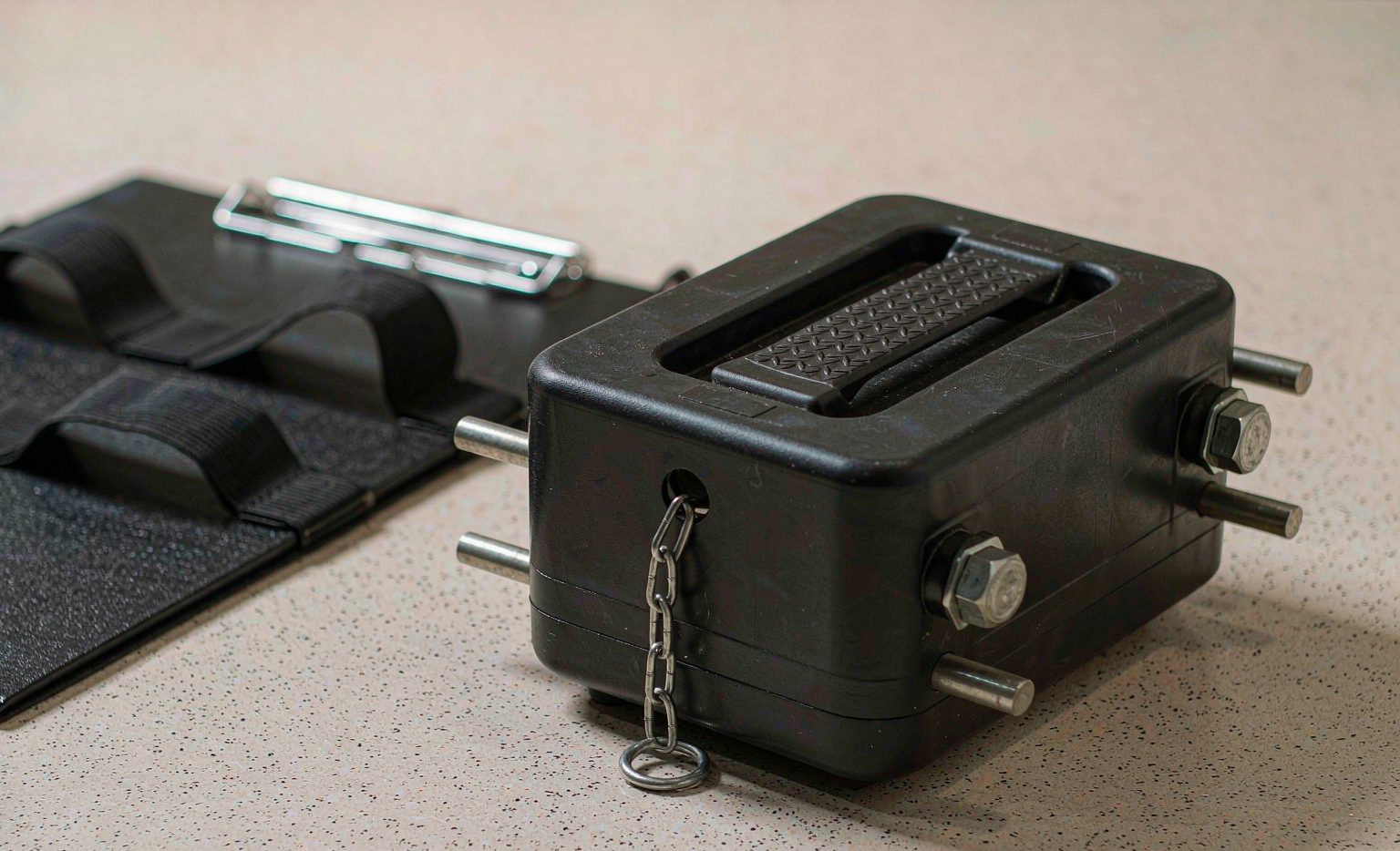
When I ship a full pallet of lithium battery packs from our factory, the paperwork follows a well worn logistics routine. The harder case is the one my field service engineers face every week: carrying a spare custom battery solution to a customer site, sometimes by air, sometimes in the back of a van, and sometimes across a border. The hazardous goods rules do not care whether the pack is in a container or in a technician’s trunk. They care about the chemistry, the state of charge, the packaging, and the documents that prove the pack is safe to move.
In my fifteen years building drone battery and industrial lithium packs at Horizon Power, I have watched more field service calls get delayed by missing paperwork than by actual hardware faults. A technician who arrives with the wrong or absent transport documentation can have the pack seized, the flight denied, or the vehicle turned back at a checkpoint. This guide walks through the exact documents a field service team should carry when moving lithium battery packs, and how I train our own crews to keep them audit ready.
Why Field Service Crews Move Batteries Differently
A factory shipment is planned weeks ahead, routed through a freight forwarder, and covered by a single set of declarations. A field service move is the opposite: it is reactive, small, and often mixed with tools and test gear in the same case. The lithium battery inside that case is still a Class 9 dangerous good, and the same transport documentation obligations apply whether the shipment weighs a ton or twenty kilos.
The risk I see most often is complacency. An engineer thinks a single spare pack in a tool case is too small to worry about, then gets stopped at an airline counter or a road checkpoint and cannot produce the required papers. Treating every field service move as a regulated shipment is the habit that keeps our crews moving.
The UN 38.3 Test Summary You Must Carry
The foundation of every lithium battery shipment is the UN 38.3 test series. Under the UN Model Regulations, a lithium cell or battery may not be offered for transport unless it has passed the eight tests: altitude simulation, thermal test, vibration, shock, external short circuit, impact or crush, overcharge, and forced discharge. The result is captured in a test summary document.
For field service, you do not need to carry the full test report on every trip, but you must be able to produce the test summary on demand. I keep a one page summary for each pack model that lists the model number, the cell chemistry, the watt hour rating, and the statement that the battery type has met the UN 38.3 requirements. Many of our customers ask for this before they let a technician onto their site, and customs officers in the EU and Gulf states routinely request it at the border.
A common mistake is assuming the test summary travels with the freight forwarder only. If your engineer hand carries a spare pack as accompanied baggage, the airline counter will ask for the same document. I recommend printing two copies: one in the transport case, one on the engineer’s person.
Material Safety Data Sheet and the Lithium Battery Safety Document
The second document is the Material Safety Data Sheet, or MSDS, now more often called a Safety Data Sheet (SDS). For a lithium battery pack, the SDS covers the chemical risks, first aid measures, fire fighting guidance, and the handling rules for damaged cells. I revise our SDS every time we change a cell supplier or an electrolyte formulation, because the competent authority in the destination country will compare the SDS against the physical pack.
Alongside the SDS, I attach a short lithium battery safety document that is written for non specialists. It states the pack’s nominal voltage, the maximum continuous discharge, the recommended storage temperature in degrees Celsius, and the emergency contact number. Field service managers at hospitals and factories appreciate this because their own safety officers need a plain language summary, not a thirty page chemical dossier.
Dangerous Goods Declaration and Packing Instruction
When the spare pack moves as cargo, the Dangerous Goods Declaration (DGD) is the document that ties the shipment to the correct Packing Instruction. Lithium ion batteries shipped by themselves fall under Packing Instruction 965 or 968 depending on whether they are with or without equipment, while batteries packed with or contained in equipment use 966 or 967. The DGD must state the proper shipping name, the UN number (UN3480 for standalone lithium ion, UN3481 when in or with equipment), the class 9 label, and the pack orientation.
For a field service spare that is carried inside the equipment it powers, the paperwork is lighter, but you still need the lithium battery mark and the correct hazard label on the outer packaging. I brief our crews that the DGD is only as good as the packing it describes: if the foam insert does not match the declared configuration, the declaration is invalid.
Air, Road and Sea: FAA, EASA, IATA and ADR Rules
The mode of transport changes the rulebook. By air, IATA’s Dangerous Goods Regulations adopt the ICAO technical instructions, and the FAA enforces them in the United States while EASA oversees civil aviation in Europe. For air carriage of standalone lithium ion batteries, the state of charge limit is a hard 30 percent of rated capacity, and the pack must travel as cargo, not in passenger cabin baggage.
By road within Europe, ADR sets the framework; in the United States, the Pipeline and Hazardous Materials Safety Administration (PHMSA) rules apply. Road rules are generally more forgiving on state of charge but still require the class 9 label and the transport document. By sea, the IMDG Code applies and adds ventilation and stowage segregation requirements that matter for container shipments but rarely for a single field service spare.
My rule of thumb for crews: if the trip involves any aircraft, treat the pack as air cargo from the start, because the most restrictive rule governs the whole journey.
State of Charge Limits and Pack Marking
Beyond the 30 percent air limit, I set an internal cap of 30 percent for any pack that leaves our building unaccompanied, and 60 percent for packs a technician hand carries and will install the same day. The lower limit reduces thermal runaway energy and satisfies the strictest air requirements without a second configuration.
Marking is where small errors cause big delays. Every outer carton needs the lithium battery handling label, the correct UN number, and a clear indication of orientation. I also require a tamper evident seal and a packing list that names the pack model and serial number. When a customer returns a damaged pack, the same marking rules apply in reverse, and I add a note that the cell may be in a degraded state so handlers treat it as a higher risk.
A Practical Field Service Transport Checklist
Before any technician leaves the depot, I run a six point check. First, confirm the pack model and its UN 38.3 test summary are in the case. Second, verify the SDS is the current revision. Third, complete the DGD only if the pack moves as cargo, using the right UN number and Packing Instruction. Fourth, check the state of charge against the mode of transport. Fifth, confirm the outer package carries the class 9 label and lithium battery mark. Sixth, photograph the sealed case and the documents together as a record.
This checklist has saved our team more than once. On a recent cross border call, a customs officer asked for the test summary and the SDS within minutes of arrival. Because both were printed and sealed with the pack, the engineer cleared the checkpoint without unloading the van. That is the difference between a documented field service move and an unexplained one.
Frequently Asked Questions
What transport documents must a field service engineer carry for a lithium battery?
At minimum, the UN 38.3 test summary and a current Safety Data Sheet. If the pack moves as cargo rather than hand carried, you also need a Dangerous Goods Declaration with the correct UN number and Packing Instruction, plus the class 9 label on the outer package.
Can a technician hand carry a spare lithium battery pack on a passenger flight?
Standalone lithium ion batteries are prohibited in passenger baggage and must travel as cargo. A pack contained in or packed with its equipment may be allowed under airline rules, but the 30 percent state of charge limit and the lithium battery mark still apply, and the airline must approve it in advance.
What is the state of charge limit for air transport of lithium batteries?
The IATA and ICAO rules cap standalone lithium ion batteries at 30 percent of rated capacity for air carriage. I apply the same 30 percent cap to any unaccompanied pack leaving our site, and allow up to 60 percent only for same day hand carried installs.
Does a field service spare battery need a Dangerous Goods Declaration?
Only when it is shipped as cargo or checked freight. A pack a technician hand carries inside its equipment generally does not need a full DGD, but it still needs the lithium battery mark and hazard label on the outer packaging, and the airline or road carrier may require a transport document.
How often should the lithium battery transport documentation be updated?
I review the test summary and SDS whenever the cell supplier, electrolyte, or pack design changes, and at least once a year as a baseline. The Dangerous Goods Declaration is per shipment, so it is completed fresh for every cargo move and never reused.
Further Reading
References