Lithium Battery Lead Time and Minimum Order Quantity
When a procurement manager first asks me for a quote on a custom lithium battery pack, the two numbers they care about most are almost never the ones I lead with. They want the unit price and the delivery date. After fifteen years of running custom pack programs, I have learned that lead time and minimum order quantity are the two variables that actually make or break a project schedule, and both are misunderstood by buyers who only ever purchase cells off the shelf. This article is the explanation I give our own sales engineers before they commit a date to a customer.
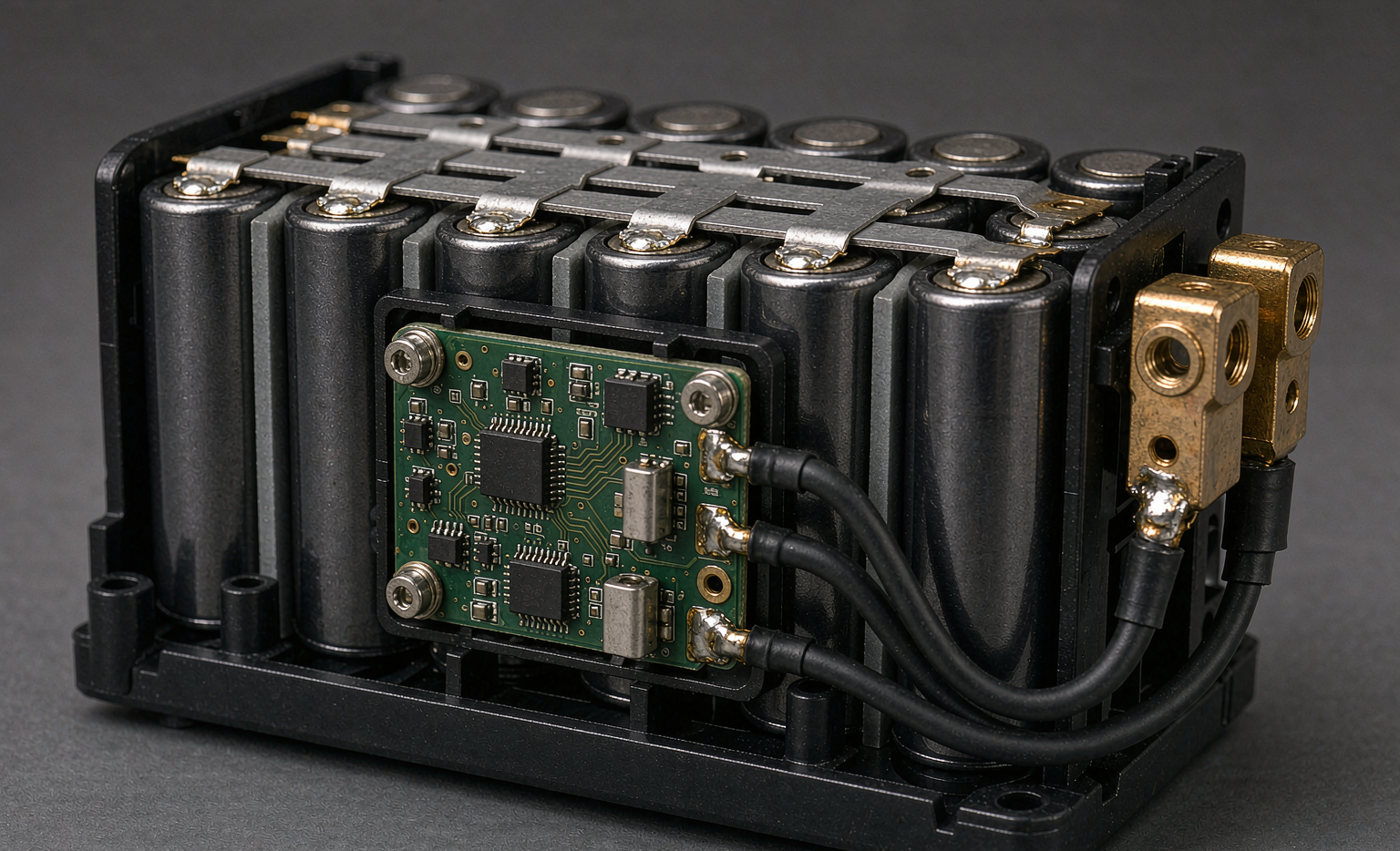
Why Lead Time Is Longer Than Buyers Expect
The instinct is to compare a custom pack to a carton of 18650 cells from a distributor and assume two weeks of transit. That comparison collapses the moment the pack has a proprietary enclosure, a customer specific battery management system, or cells that are not sitting on a shelf. A lithium battery program is a small manufacturing run, not a pick and pack order, and the clock starts only after the design is frozen.
The second surprise is certification. A pack destined for North America or Europe cannot ship until the cell level UN38.3 test report and the applicable IEC 62133-2 or IEC 62619 documentation are in the file, and for an industrial module UL 1973 with UL 9540A where the system is installed. Those reports are not something a factory can mint overnight, and a new cell model means a new test cycle of several weeks even when the pack mechanicals are unchanged.
What Drives the Calendar
I break lead time into five blocks, and only one of them is final assembly. The first is cell availability. If the requested NCM battery cells are in the supplier standard catalog and not on allocation, this is days. If they are a custom rated format or a chemistry on tight supply, it becomes weeks or months. The second block is custom mechanicals: tooling for an enclosure, a bracket, or a connector that does not exist yet adds a tooling and first article window that no amount of expediting removes.
The third block is formation and aging. Every prismatic or cylindrical cell must be formed and rested before it is built in, and large format LFP battery cells in particular need a stabilization window so the capacity report at dispatch matches the cell the customer installs. The fourth block is the management system and the fifth is line throughput itself, which is where small orders wait behind larger ones.
Typical Lead Time by Order Profile
For a prototype or a small engineering batch of roughly 10 to 500 cells, where the format is standard and the management system is off the shelf, we quote 6 to 14 weeks. That window covers cell sourcing, a first article build, formation, and the document set. For a recurring production order on a standard format we typically see 20 to 30 weeks once tooling is amortized and the supply line is qualified. For a program that requires new tooling, a new enclosure, or a new cell qualification, the honest number is 26 to 40 weeks including tooling margins.
Chemistry choice moves the date. An NCM battery program can be faster to source in small volume because the high energy cells are widely made, but it carries tighter storage and transport rules. An LFP battery program is easier on safety and transport but the large format cells are heavier and the formation window is longer. Neither is universally faster; the constraint is usually the cell, not the pack.
Minimum Order Quantity and Why It Exists
Minimum order quantity is the smallest batch a factory will accept, and for custom lithium battery work it typically lands between 10 and 500 cells depending on the format and whether tooling is involved. The number is not arbitrary. Below a threshold the cell grading, the management system batch programming, and the line setup cost more per unit than the cells themselves, so the factory either declines or prices the order to a level that makes the buyer decline instead.
There is a second, less visible driver: cell lot consistency. We match cells for a series string to within 20 millivolts at rest and hold resistance spread inside 5 percent, and that matching only works if the cells come from a single production lot. A minimum order quantity that aligns with a cell lot size is what keeps the pack from drifting after a few hundred cycles. Buyers who insist on splitting a lot across two purchase orders usually pay for it later in unbalanced packs.
How to Shorten the Clock Without Cutting Corners
The single biggest lever is standardization. If the customer accepts a standard enclosure and a catalog management system, we delete the tooling block entirely and the lead time drops to the cell and formation window. The second lever is a forecast and a safety stock agreement: a buyer who commits to a volume over the year lets us hold cells or semi finished packs, which converts a 20 week production order into a two week call off.
The third lever is parallel qualification. Instead of qualifying one cell model and then discovering it is on allocation, we qualify two cell sources during the prototype phase so production can switch without reopening the design. None of these shorten the physics of formation, but they remove the waiting that sits between the physics.
Contract Terms That Protect Both Sides
A delivery date in an email is not a plan. The terms that actually protect the buyer are a firm deposit schedule, a late penalty tied to the date code rather than to vague force majeure language, and a clause that the cells ship at 30 percent state of charge or less for air and sea freight under UN38.3. For the factory the protection is a confirmed minimum order quantity, a forecast, and Incoterms that state who owns the goods at each leg of transit.
The most common dispute I see is a buyer who expected a date built on the assumption that cells were on the shelf, when the quotation was always a build to order program. The way to avoid that argument is to agree the order profile and the lead time blocks up front, in writing, before the purchase order is cut.
What is a typical lithium battery lead time for a custom pack?
For a small engineering batch on a standard format the honest window is 6 to 14 weeks, a recurring production order runs 20 to 30 weeks, and a program needing new tooling or cell qualification is 26 to 40 weeks including tooling margins. The cell and the formation step, not the assembly, set the floor.
Why is the minimum order quantity so high for custom packs?
It reflects cell lot matching, management system batch programming, and line setup cost. Below the threshold the fixed cost per unit exceeds the cell cost, so the factory either declines or prices the order beyond budget. Aligning the quantity with a cell lot also protects pack balance.
Can lead time be shortened by paying a premium?
Sometimes, but not for the formation and aging window, which is physics. You can buy your way past cell allocation by pre purchasing or holding safety stock, and you can remove tooling time by standardizing the enclosure and management system. Expediting the assembly itself usually adds cost without removing the real bottlenecks.
Does cell chemistry change the delivery date?
Yes. An NCM battery program is often faster to source in small volume but carries tighter storage and transport limits, while an LFP battery program is easier on safety and shipping yet has a longer formation window for large format cells. The cell, not the pack, is usually the constraint.
What contract terms should I insist on for delivery?
A firm deposit schedule, a late penalty tied to the date code, a clause fixing state of charge at 30 percent or less for transit under UN38.3, a confirmed minimum order quantity, and agreed Incoterms. Put the order profile and the lead time blocks in writing before the purchase order.
Should I place one large order or several small ones?
For a build to order program, one order that matches a cell lot and a forecast protects pack balance and usually earns a better unit price. Splitting across purchase orders risks mixing cell lots and paying setup cost twice. A forecast with call offs is the middle path that keeps the clock short without overstock.
Further Reading
References