Lithium Battery for Electric Wheelbarrows and Carts
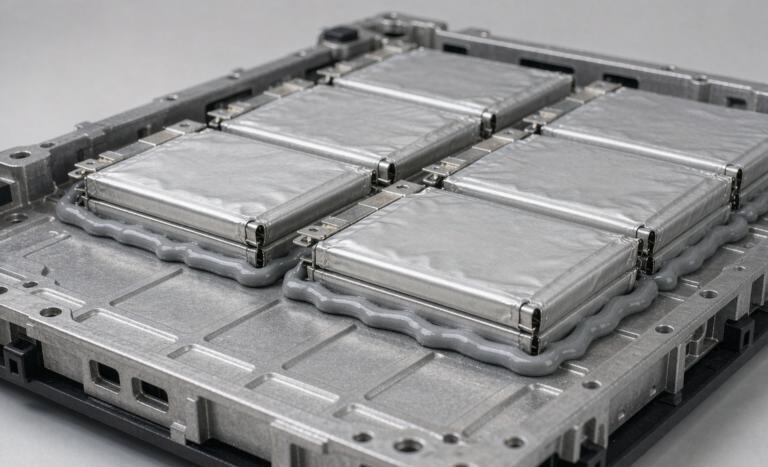
When a landscaping crew or a warehouse team asks me to spec a lithium battery wheelbarrow cart, the first thing I tell them is that this is not a golf-cart problem. After fifteen years engineering lithium battery packs for material-handling and grounds equipment, I have seen too many builders bolt a generic 12 V module onto a wheelbarrow frame and wonder why it dies halfway through the shift. An electric wheelbarrow or motorized cart runs a geared hub or transaxle motor, carries a real payload up a real slope, and gets left outdoors between uses. That duty cycle demands a purpose-built pack. This guide walks through how we at Horizon Power size and build a lithium battery wheelbarrow cart system that survives daily abuse and still delivers predictable runtime.
Why a Wheelbarrow or Cart Is a Different Load
A wheelbarrow is a lever first and a vehicle second. When the user tips a 100 kg load into the tub, the center of gravity sits above and behind the axle, and the motor has to both accelerate the mass and lift it against gravity on any incline. A flat-ground pallet jack, by contrast, spreads its load through four wheels and rarely climbs more than a ramp. I size a lithium battery wheelbarrow cart around the climbing case, not the flat-run case, because that is where packs fail.
The motor type matters too. Most small electric wheelbarrows use a 24 V or 36 V brushed or brushless transaxle with a reduction gear. These draw a steady 8 to 15 A under normal load and can pull 40 A or more for a few seconds when the wheel bites into soft soil. The pack has to hold its voltage through that surge or the controller will fault. We design the pack so that even at the end of discharge the terminal voltage stays above the controller undervoltage lockout with the surge current applied.
Picking the Right Voltage Platform
For a lithium battery wheelbarrow cart, three platforms dominate: 24 V, 36 V, and 48 V. The choice is driven by motor power and the slope you must climb. A light garden wheelbarrow moving 60 kg on gentle grade is happy at 24 V with a 250 W motor. A construction cart hauling 150 kg of wet concrete up a 15 degree ramp wants 36 V or 48 V so the current stays manageable and the cabling stays thin.
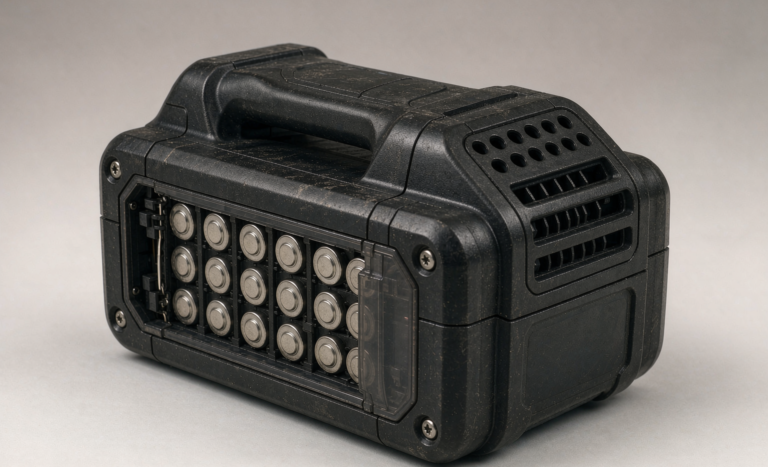
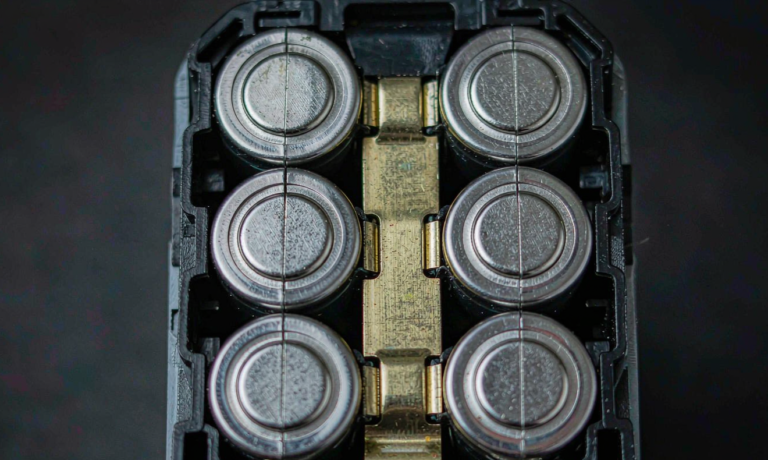
Higher voltage is not automatically better. It lowers current for the same power, which reduces I-squared-R heating in the wiring and connectors, but it also raises the cell-count and the cost of the protection board. For most single-operator carts I land on 36 V: it keeps peak current around 30 A at 1 kW, which a 10 AWG harness handles comfortably, and it lets us build the pack from 12 LiFePO4 cells in series, a configuration suppliers stock reliably.
Sizing Capacity for Real Runtime
Runtime is where the math gets honest. A 36 V pack built from twelve 3.2 V cells at 20 Ah holds 720 Wh of nominal energy. If the cart draws an average 250 W moving payload, that is roughly 2.9 hours of continuous run time, or about a full work half-day with rests. But average draw is a lie the way most people use it. Real carts start, stop, climb, and reverse constantly, so I plan capacity against the 80th-percentile load, not the mean.
For a lithium battery wheelbarrow cart used all day, I recommend a pack rated at least 30 Ah at the chosen voltage, and I never let the usable window exceed 90 percent depth of discharge on LFP. That 10 percent reserve protects the cells from the deep dips that accelerate aging, and it gives the operator a clear early-warning zone before the tool quits. A battery gauge that reads empty at 10 percent state of charge is doing its job, not lying.
Why LFP Is the Default Chemistry
For outdoor material-handling gear, lithium iron phosphate, or LFP, is the chemistry I reach for first. Its thermal runaway threshold sits near 270 degrees Celsius, far above the nickel-based chemistries, which matters when a pack is parked in direct sun or stored in a shed that hits 50 degrees Celsius in summer. LFP also tolerates the partial-state-of-charge cycling that wheelbarrows naturally see, because operators rarely fully charge between short tasks.
The trade-off is energy density. LFP is heavier than NMC for the same watt-hours, and a wheelbarrow is weight-sensitive because the battery itself adds to the payload the motor must move. In practice the difference is small at this pack size, and the safety and cycle-life gains outweigh it. A well-built LFP lithium battery wheelbarrow cart pack will deliver 2,000 to 3,000 full cycles before it drops below 80 percent capacity, which is several seasons of commercial use.
BMS Protection and Outdoor Enclosure Rating
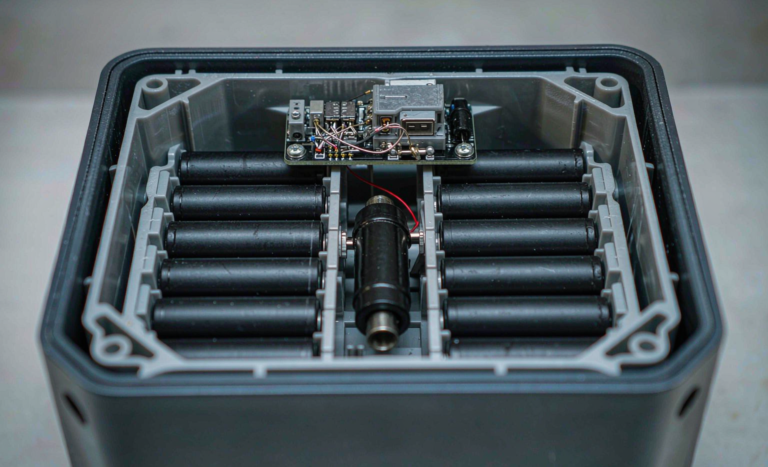
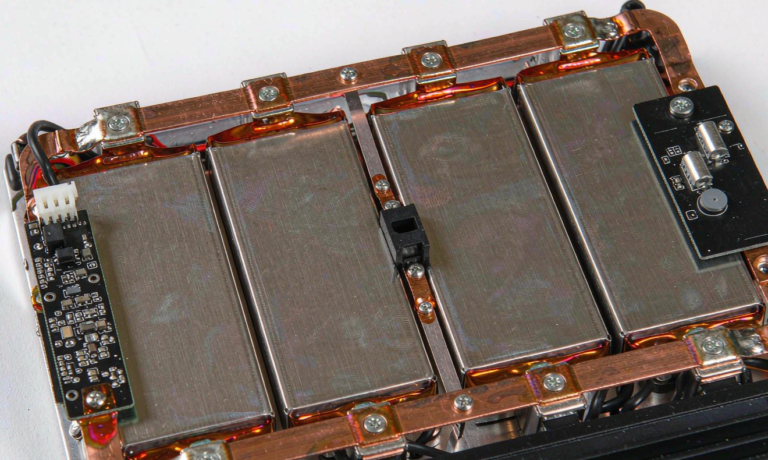
No lithium pack leaves our shop without a battery management system. For a wheelbarrow cart the BMS must handle over-current, over-temperature, under-voltage, and cell balancing, and it must survive the vibration of a single wheel rolling over roots and curbs. I specify a wired BMS with discrete sense lines to every cell group rather than a cheap board-level unit, because a loose connection in the field is the most common cause of a dead pack that still reads full voltage at the terminals.
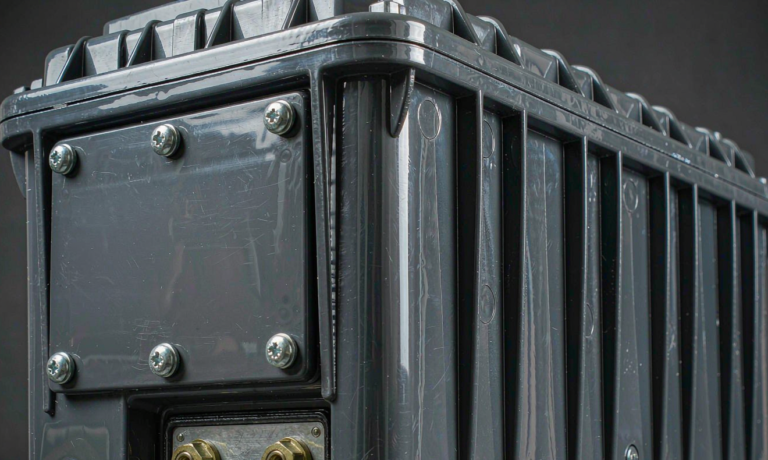
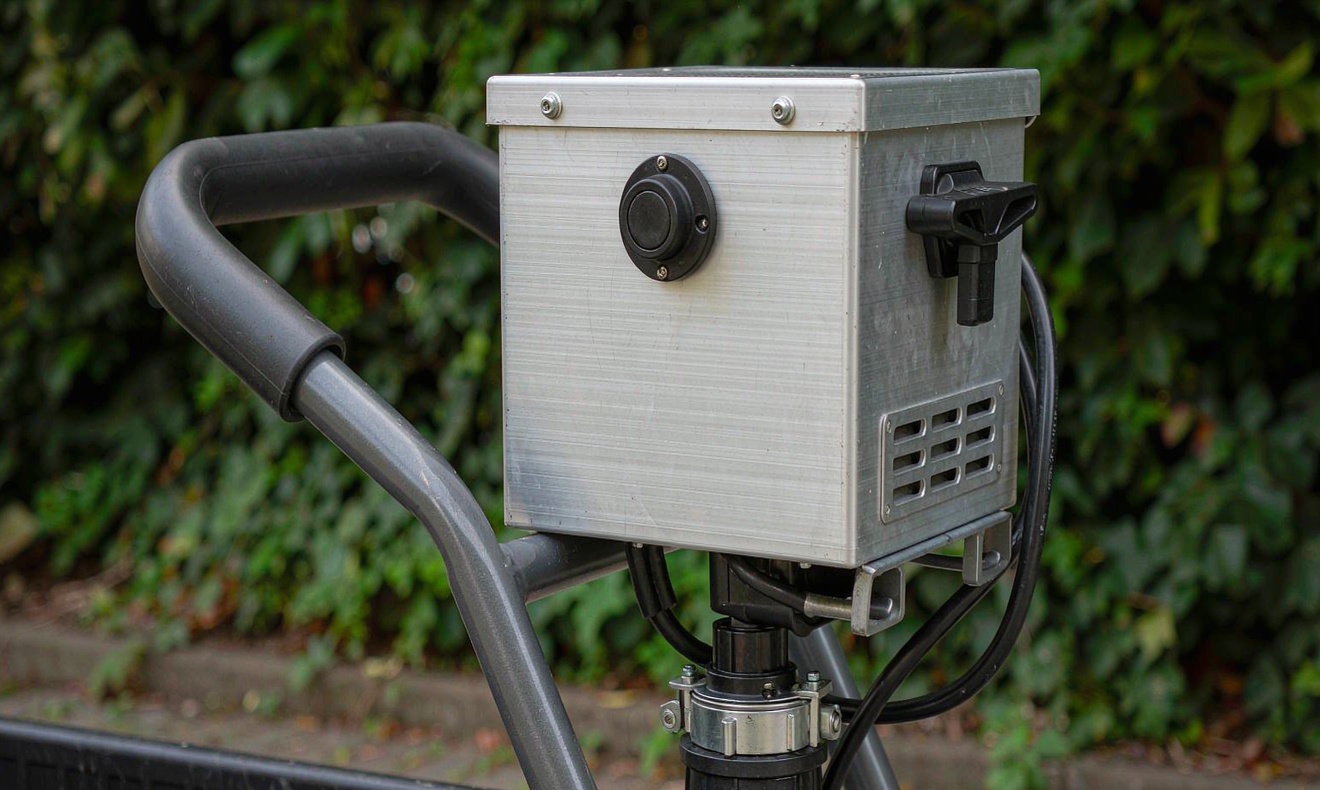
The enclosure is equally important. A lithium battery wheelbarrow cart lives outside, so I require at least IP65 on the pack housing: dust-tight and protected against low-pressure water jets from any direction. The connector should be a sealed automotive-style part, not a bare Anderson plug left exposed. We pot the BMS and the balancing resistors in urethane so a single hard knock does not crack a solder joint.
Charging and Cold-Weather Behavior
Charging discipline separates a pack that lasts three years from one that swells in twelve months. I spec a charger matched to the pack voltage and capacity, typically a 0.2 C rate, so a 30 Ah pack charges at about 6 A. A matched charger also speaks the correct termination profile: constant current until the cells reach 3.65 V each, then a short constant-voltage tail, then a clean stop. Cheap constant-voltage-only chargers cook LFP cells because they never back off the current.
Cold is the other hazard. Below 0 degrees Celsius, LFP does not like being charged, because metallic lithium can plate onto the anode and permanently damage it. A lithium battery wheelbarrow cart used in winter needs either an enclosure with a self-heating pad controlled by the BMS or a rule that blocks charge below 0 degrees Celsius and resumes it once the pack warms. I have seen too many swollen packs that were simply plugged in outside on a freezing morning.
Certification, Safety, and Transport
If the cart is a commercial product, the battery is not just an internal part; it is a regulated component. Every lithium battery wheelbarrow cart pack we build is documented against UN38.3, the transport test sequence that proves the cell tolerates altitude, thermal, vibration, shock, and short-circuit abuse. For the European and North American markets we align the pack documentation with IEC 62133, and any unit that flies or ships by air follows the IATA dangerous-goods packing rules.
On the operator side, the hazards are simpler but real. A punctured or crushed LFP cell can still vent and ignite, so the pack must be mounted where a falling load cannot crush it, and the cart should carry a clear label showing voltage, capacity, and a contact for service. At Horizon Power we treat the paperwork as part of the product: a pack with no test record is, to me, a pack that has not been proven.
What voltage should a lithium battery wheelbarrow cart use?
For light garden use, 24 V is enough. For construction or steep-ground carts hauling more than 100 kg, choose 36 V or 48 V so peak current stays low and the wiring stays safe. Match the voltage to the motor the cart already has.
How long does a wheelbarrow cart battery last per charge?
A 36 V 20 Ah LFP pack holds about 720 Wh and gives roughly three hours of continuous light work, or a full half-day with normal start-stop use. For all-day commercial duty, size up to 30 Ah or more and keep the usable window under 90 percent depth of discharge.
Can I use a normal lithium charger on the pack?
Only if it matches the pack voltage and uses a proper CC-CV termination profile. A charger that holds constant voltage without backing off the current will overheat LFP cells. Use the charger specified for the pack, ideally one the BMS can handshake with.
Is LFP safe to leave outside on a wheelbarrow?
LFP is far safer than other lithium chemistries and tolerates heat well, but the pack still needs an IP65 enclosure and must not be charged below 0 degrees Celsius. With those two rules followed, a lithium battery wheelbarrow cart is safe for outdoor daily use.
How many charge cycles will the pack deliver?
A well-built LFP wheelbarrow cart pack typically reaches 2,000 to 3,000 full cycles before dropping below 80 percent capacity. Avoiding full 100 percent depth-of-discharge cycles and using a matched charger pushes that number higher.
Conclusion
A reliable lithium battery wheelbarrow cart is the product of honest duty-cycle math, a conservative voltage and capacity choice, LFP chemistry, a rugged BMS in an IP65 shell, and disciplined charging. At Horizon Power we treat those five points as non-negotiable, because a cart that quits mid-load costs more than the engineering time saved by skipping it. If you are building or specifying an electric wheelbarrow or motorized cart, start from your real climbing load and let the pack follow the machine, not the other way around.
Further Reading
References