Lithium Battery for Carpet Extractors: A Field Guide
Carpet extractors are water-extraction cleaning machines used by janitorial crews, restoration contractors, and in-house facility teams to deep clean carpets and upholstery. Unlike a floor scrubber that only agitates and recovers, an extractor pumps cleaning solution into the fiber and pulls it back with a vacuum motor, so the pack must deliver steady current to both a solution pump and a high-draw vacuum. In my work as a lithium battery engineer supporting commercial cleaning fleets, I have spec’d dozens of these packs, and the move from sealed lead-acid (SLA) to lithium has been one of the clearest wins I have seen in this category. The difference shows up fastest on restoration jobs after water damage, where crews run the machine for hours and cannot afford a sagging pack or a mid-shift recharge.
Why Lithium Outperforms Sealed Lead-Acid in Extractors
The first reason crews ask for a lithium battery carpet extractor upgrade is weight. A sealed lead-acid pack that delivers 24 V at 30 Ah can weigh 18 to 22 kg, while a LiFePO4 pack of the same capacity often lands near 6 to 8 kg. On a wheeled extractor that weight difference is felt every time the machine is lifted into a van or up a step; on a portable spot extractor it is the difference between a tool you can carry all day and one that wears out the operator.
The second reason is voltage behavior under load. A vacuum motor pulls a large current the instant it spins up, and SLA cells sag hard. I have measured SLA pack voltage drop from 24 V to under 19 V during a recovery pass, which costs suction and leaves the carpet wetter. A lithium pack holds its voltage curve flat across the discharge, so suction stays constant from the first square foot to the last.
The third reason is service life. SLA chemistry is rated for roughly 200 to 300 full cycles, and in a daily cleaning schedule that is often less than a year. A LiFePO4 pack is rated for 2,000 to 4,000 cycles, which typically means three to five years of hard use. Add the fact that lithium has no memory effect and can be opportunity-charged during a coffee break, and the total cost of ownership flips firmly in lithium’s favor.
Choosing the Right Chemistry: LFP vs NMC
For a carpet extractor the chemistry choice is usually between lithium iron phosphate (LiFePO4, or LFP) and nickel manganese cobalt (NMC). LFP runs at a 3.2 V nominal cell voltage, is thermally and chemically very stable, and tolerates abuse and partial states of charge without stress. NMC offers higher energy density and a lighter pack for the same watt-hours, but it is more thermally sensitive and less forgiving around moisture.
In my field experience the wet, chemically active environment of an extractor makes LFP the safer and more durable pick. You get long cycle life, excellent thermal tolerance from about -20 to 60 degrees Celsius, and a chemistry that does not release oxygen easily if a cell is punctured. NMC still has a place where pack weight is the single overriding constraint, but for most commercial extractors LFP is the pragmatic default.
Sizing Voltage and Capacity for Real Runtime
Most extractors run on 12 V or 24 V systems. I generally recommend 24 V for machines with a powerful vacuum, because the higher bus voltage lowers the current for the same power, which reduces resistive loss in the wiring and keeps the motor cooler. Capacity is where runtime is won or lost.
To size a pack, add the continuous draw of the vacuum motor and the solution pump, then multiply by the hours of use you need between charges, and divide by your usable depth of discharge. With LFP I design to 80 percent depth of discharge, so a pack that must supply 15 A for two hours needs about 30 Ah of usable capacity and a nameplate of 38 Ah. As a concrete example, a portable spot extractor with a 10 A vacuum and a 4 A pump running one hour per charge needs roughly 14 Ah usable, so I would specify a 24 V 20 Ah LFP pack to leave headroom. I always add a 20 percent margin for cold warehouses and aging cells, because a pack that dies halfway through a job costs more than the margin ever will.
Moisture, IP Rating, and Sealing
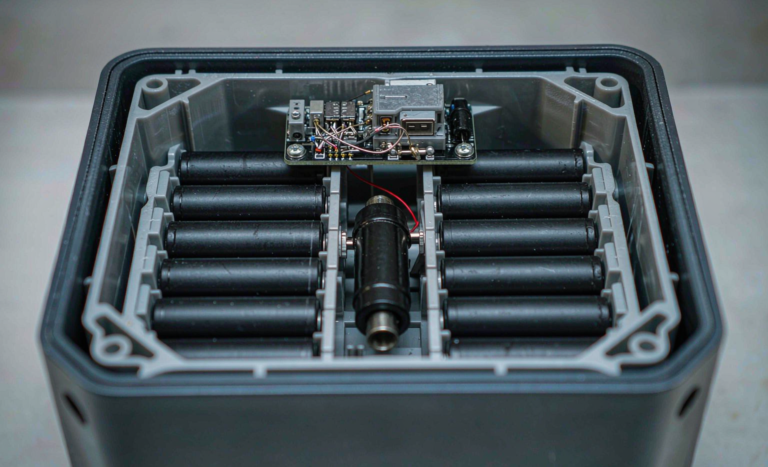
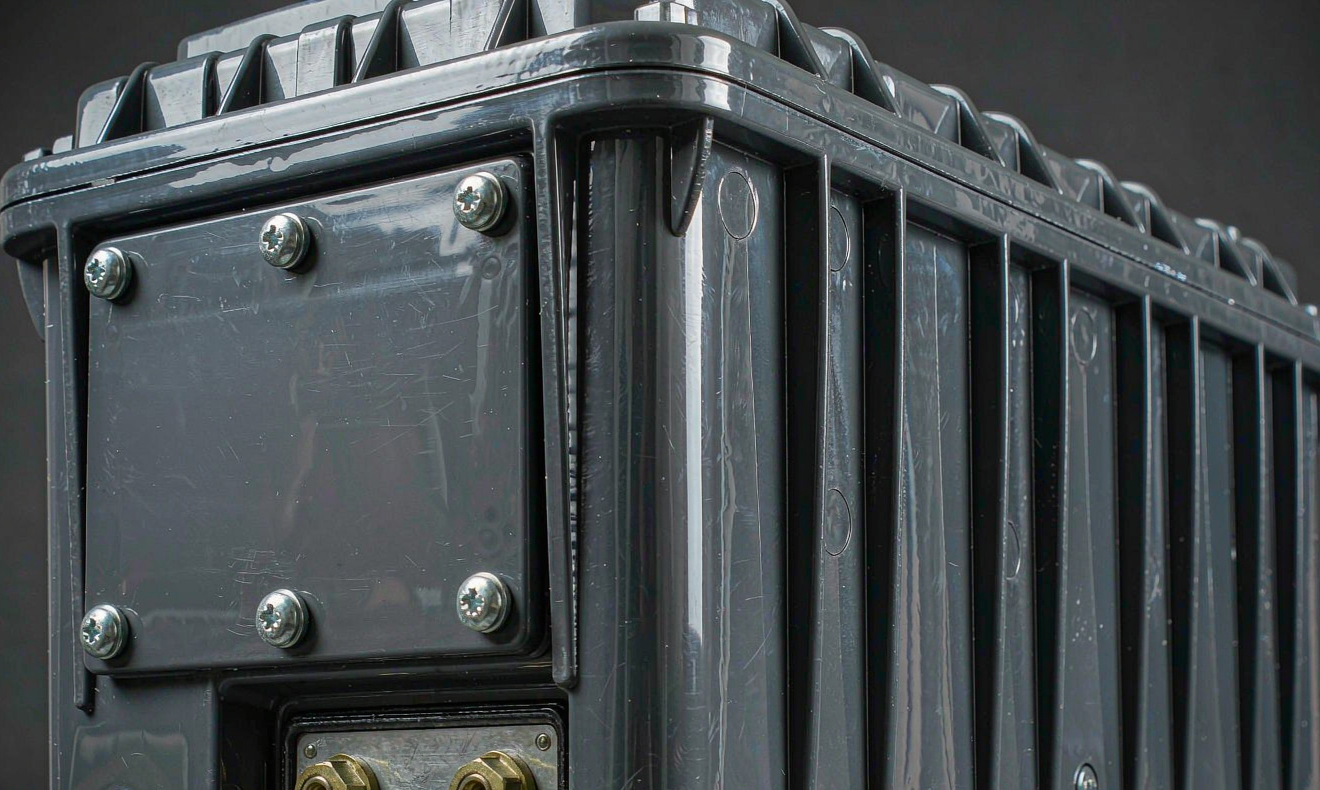
An extractor sprays and recovers water, so the battery compartment is the one part of the machine that must never see ingress. I spec the enclosure to at least IP65 per IEC 60529, with a gasketed lid, a conformal-coated battery management system board, and sealed cell holders. The breather must be hydrophobic so it can equalize pressure without wicking moisture, and any drain holes near the battery must be positioned so a spilled recovery tank cannot reach the cells.
I also keep the pack away from the recovery tank and solution lines by design, not by luck. In one restoration job a cracked hose dripped directly onto an unshielded SLA tray and shorted the bank; a sealed lithium pack with a routed harness would have shrugged it off. Seal the connectors, loom the harness, and treat every penetration as a potential leak path.
BMS Protection and Certifications You Should Demand
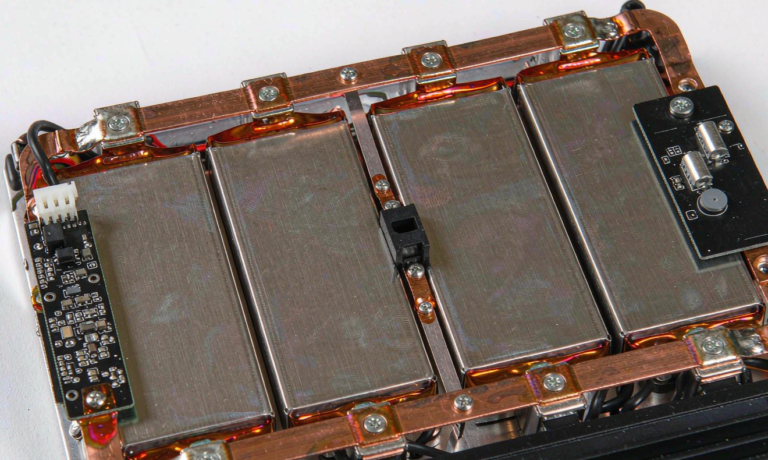
The battery management system is the brain that keeps a lithium pack safe. At minimum it must provide over-current and short-circuit protection, over- and under-voltage cutoffs, active cell balancing, and temperature monitoring through negative temperature coefficient sensors on the cell surface. For a cleaning fleet I also want a communication port so the charger and the pack agree on state of charge.
On the compliance side, demand UN38.3 for transport, IEC 62133 for cell-level safety, and a recognized pack standard such as UL 2054 or UL 2580 for the North American market. These marks matter for commercial insurance and for keeping your service team safe. I have rejected cheap packs that skipped certification, because a thermal event in a closed van full of cleaning chemicals is not a risk worth taking.
Common Failure Modes and How to Avoid Them
The failures I see most often are not chemistry problems but system problems. The first is a mismatched charger that pushes the wrong taper and slowly unbalances the cells until one reaches over-voltage cutoff and the whole pack drops out. The fix is a charger with a true lithium profile and a handshake with the management system, not a generic lead-acid unit with the label swapped.
The second failure is moisture ingress through a poorly seated lid or a breather placed where splash collects. I have opened packs after a season of use to find corrosion on the balance leads, and every one traced back to a gasket that was pinched during assembly. Seat the gasket flat, torque the lid evenly, and verify the seal with a simple hose test before the pack ships.
The third is deep discharge from storage. Lithium dislikes sitting at a very low state of charge, so for seasonal extractors I store the pack at about 50 percent and top it up every few months. A pack left flat in a cold van through winter will arrive in spring with a weak cell that no amount of balancing will fully recover.
Charging, Duty Cycle, and Fleet Management
LFP’s tolerance for partial charging makes extractor fleets easy to manage. Crews can top up during breaks instead of waiting for a full cycle, which keeps machines in service longer each day. Always use a charger matched to the pack profile with a proper constant-current constant-voltage taper, because a mismatched charger is the fastest way to unbalance or overheat cells.
For fleet owners I recommend tagging each pack with its install date and tracking cycle count. When capacity fades to about 80 percent of nameplate, move that pack to a lighter duty machine rather than retiring it, which stretches the asset. The same discipline that keeps a drone battery healthy applies here: cool, dry storage, balanced charging, and no deep abuse.
Frequently Asked Questions
What voltage lithium battery does a carpet extractor use?
Most extractors run on 12 V or 24 V systems. I recommend 24 V for machines with a strong vacuum because the higher bus voltage reduces current and wiring loss, keeping the motor cooler and suction steadier through a long recovery pass.
How long does a lithium battery last in a carpet extractor?
A well-sized LiFePO4 pack delivers roughly 2,000 to 4,000 cycles, which is typically three to five years in daily commercial use. That is roughly ten times the cycle life of the sealed lead-acid packs these machines traditionally use.
Is LiFePO4 safe around water and cleaning chemicals?
Yes, when the enclosure is sealed to at least IP65 with a conformal-coated management board and a hydrophobic breather. LFP is also the most stable lithium chemistry, so it tolerates the wet, chemically active environment of an extractor better than alternatives.
Can I replace a sealed lead-acid pack with lithium directly?
Often yes, but you must match voltage and verify the charger. Lithium needs a constant-current constant-voltage profile and a compatible management system, so do not drop in a lithium pack on an SLA charger. Resize the tray too, because the lighter lithium pack takes far less space.
How should I charge a lithium carpet extractor battery?
Use a charger matched to the lithium profile and charge in a cool, dry place. LFP tolerates opportunity charging, so topping up during breaks is fine and actually extends daily runtime without harming cycle life.
What certifications should a commercial extractor battery have?
Demand UN38.3 for shipping, IEC 62133 for cell safety, and a recognized pack standard such as UL 2054 or UL 2580 for North America. These marks protect your team and satisfy commercial insurance requirements.
Conclusion
Switching a carpet extractor to a properly sized, sealed, and certified lithium battery is one of the highest-return upgrades a cleaning operation can make. You cut weight, hold suction under load, multiply service life, and charge on a flexible schedule. Spec the chemistry to LFP, seal to IP65, size with a real duty-cycle margin, and insist on proper certification, and the pack will outlast the machine around it.
Further Reading
References