Robot Vacuum Lithium Battery Selection and Care Guide
Most buyers judge a robot vacuum by suction power and navigation, then treat the battery as an afterthought. After fifteen years building lithium packs for small appliances, I have learned the opposite lesson. The lithium battery inside a robot vacuum or floor cleaner decides how long the device stays useful, how safe it is on its dock, and how much you will pay three years later when capacity fades. This guide walks through what actually matters when you specify or replace a robot vacuum lithium battery, from cell chemistry to the protection circuit that sits between the cells and your carpet.
How a Robot Vacuum Lithium Battery Differs From a Phone Cell
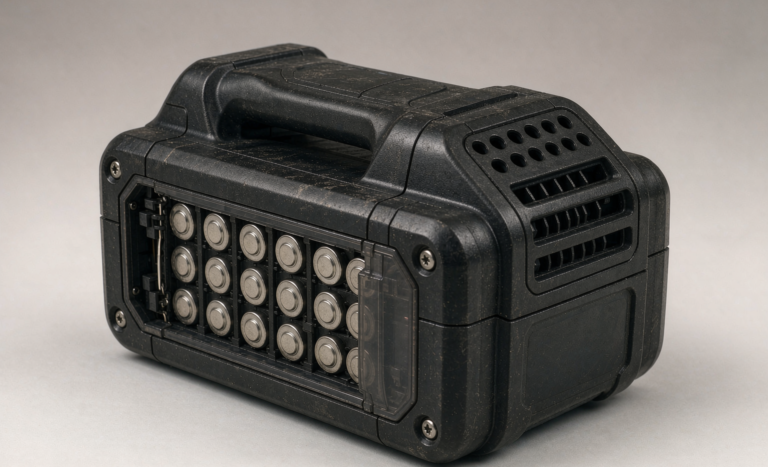
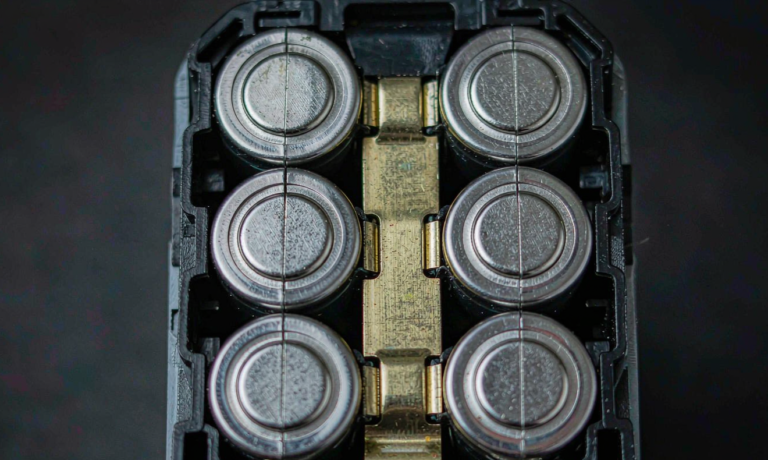
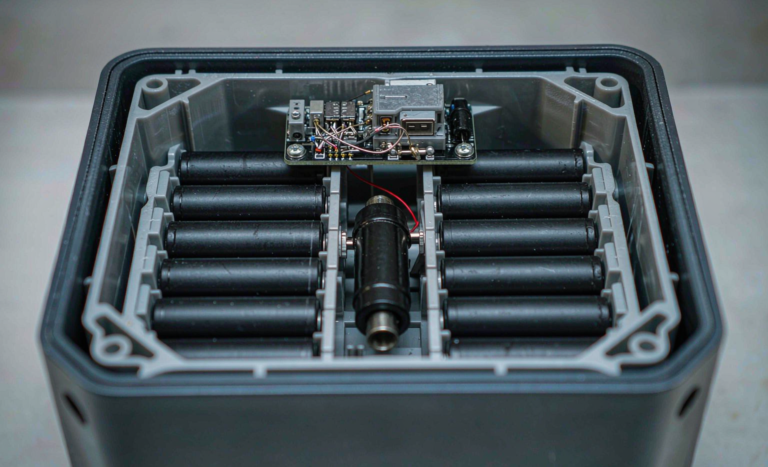
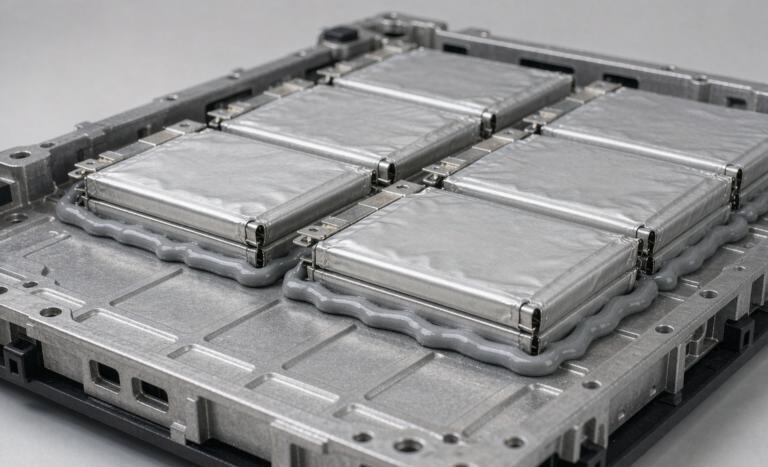
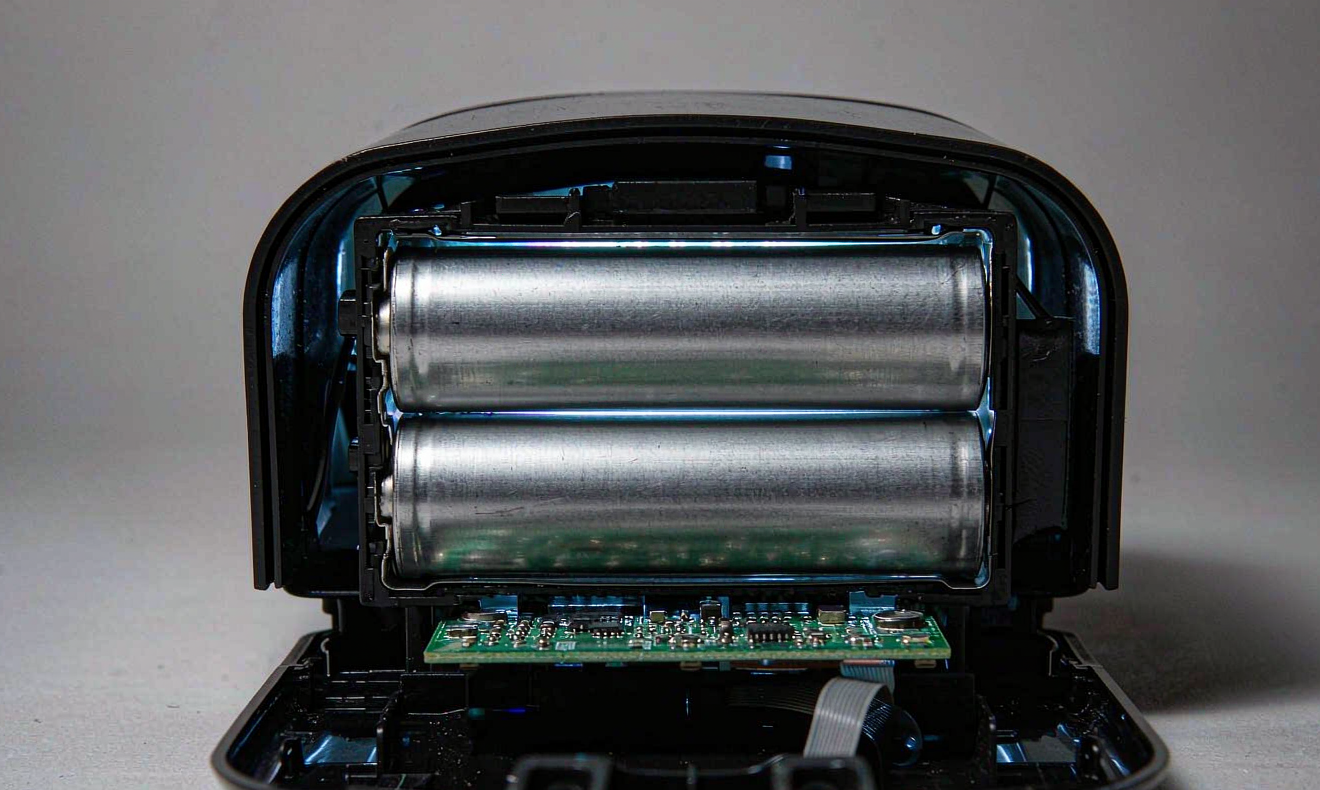
A robot vacuum lithium battery is not a single cell you can hold between two fingers. It is a small pack, usually built from two to four 18650 or 21700 cylindrical cells, or a slim pouch cell, welded in series and wrapped in a shrink sleeve or molded housing. The pack must deliver a steady 10 to 20 watts while the brush motor, suction fan, and navigation processor all pull current at the same time. Unlike a phone that sits still while charging, a robot cleaner discharges in short, repeated bursts as it climbs thresholds and reverses direction. That duty cycle stresses the cells in a way a smooth laptop discharge never does. At Horizon Power we see the same pattern across custom battery solution requests for small appliances: the pack needs a protection board rated for both high continuous current and sharp pulse loads, not just nominal capacity. The housing also has to survive being dropped on a hard floor and bumped against furniture legs, so mechanical tolerance matters as much as electrical spec. When you open a failed robot vacuum, the weak point is rarely the cells themselves. It is the solder joint at the terminal or the flimsy protection IC that let one cell drift below safe voltage.
Capacity, Runtime, and the mAh to Square Meter Reality
Specifications love to quote milliampere hours, but the number that matters to a user is square meters cleaned per charge. A typical robot vacuum lithium battery in a mid range unit holds 2,600 to 3,200 mAh at 14.4 volts, which is roughly 37 to 46 watt hours of energy. In practice that translates to 60 to 90 minutes of mixed cleaning, or about 80 to 120 square meters of hard floor before the pack asks to return to the dock. Suction mode changes everything: a turbo setting can cut runtime by forty percent because the fan draws three times the current of eco mode. We always tell OEMs to size the pack against the worst case duty cycle, not the marketing mode. A custom battery solution that delivers 90 minutes in eco but 35 minutes in turbo will generate warranty calls from owners who only ever use max power. If you are replacing a pack, match both voltage and watt hour rating rather than just the mAh, because two packs with equal mAh but different cell counts will not fit or behave the same way.
Cell Chemistry Choices: NMC, LCO, and LFP in Small Packs
Three chemistries show up in a robot vacuum lithium battery. Lithium cobalt oxide, or LCO, offers the highest energy density and is common in older premium units, but it is less tolerant of abuse and costs more. Nickel manganese cobalt, or NMC, balances energy and lifespan and is the default for most current designs. Lithium iron phosphate, or LFP, trades some energy density for a far longer cycle life and better thermal stability, which is why we recommend it for cleaners used daily in hot climates. The trade is size: an LFP pack with the same watt hours is roughly fifteen to twenty percent larger, and inside a low profile robot that space is hard to find. At Horizon Power we usually propose NMC for the mainstream robot and LFP for commercial floor cleaners that run multiple cycles per day. Whatever the chemistry, insist on cells from a traceable supply chain. A cheap unbranded cell may test fine on day one and swell by month six, and a swollen pack inside a sealed robot is both a fire risk and a repair nightmare.
Battery Management and the Single Cell Protection IC
The small circuit board inside the pack is the difference between a safe battery and a recall. A robot vacuum lithium battery needs at minimum over charge, over discharge, over current, and short circuit protection, plus a balanced charge across series cells. Most packs use a combined protection IC and a couple of MOSFETs rather than a full battery management system, because there is no room and no budget for a sophisticated controller. The weakness is balancing: cheap boards only balance during charging and only by bleeding a tiny current, so cells that drift apart in storage stay drifted. We specify a protection IC with a verified cutoff at 2.5 volts per cell on discharge and 4.25 volts on charge, and we validate it on a sample from every production lot. A custom battery solution for a cleaner should also include a thermistor wired to the IC so the dock can pause charging if the pack runs hot. None of this is visible to the buyer, but it is the reason one brand lasts four years and another swells in eighteen months.
Thermal Limits and Safe Charging on the Dock
Charging is where most small lithium packs fail. A robot vacuum returns to a dock that may sit in direct sun by a window or in a warm closet, and the pack keeps trickle topping long after it is full. A robot vacuum lithium battery should charge between 0 and 45 degrees Celsius and never be forced to charge below freezing, because lithium plating at low temperature permanently damages the cells. Good docks stop at 100 percent and enter a true standby, but poor ones keep a faint charge current flowing that heats the pack for hours each day. Over a year that constant warmth ages the cells faster than the actual cleaning does. We test every custom battery solution by leaving it on the dock for a full week and measuring case temperature; anything above 40 degrees Celsius at the cell surface gets sent back to design. If your robot feels hot to the touch after a full charge, that is a sign the dock or the protection circuit is not doing its job, and the pack is quietly losing life.
Cycle Life, Degradation, and When to Replace
A healthy robot vacuum lithium battery is rated for 500 to 800 full cycles, which for a daily user means roughly two to three years before capacity drops to seventy percent. The first sign of wear is not a dead robot but shorter cleaning runs: if a unit that once covered the whole floor now quits halfway, the pack has faded. Nickel metal hydride memories do not apply here; you cannot recondition a lithium pack, and third party reset chips only hide the problem. When you replace, buy a pack with the same voltage and connector, and check that the protection board matches, because a mismatched board can refuse to charge or, worse, fail to cut off. At Horizon Power we keep cell lot records so a replacement pack behaves identically to the original. Proper care extends life: store the robot at about fifty percent charge if you leave for a month, keep it out of hot cars, and let it run down and recharge rather than leaving it parked on the dock forever. Treat the battery as the consumable it is, and the robot will outlast three packs.
Frequently Asked Questions
How long does a robot vacuum lithium battery last?
Most last 500 to 800 charge cycles, or about two to three years with daily use, before capacity falls to roughly seventy percent. Runtime shortens gradually, so the practical end of life is when a single charge no longer cleans your whole floor.
Can I replace the lithium battery in my robot vacuum myself?
In many models yes, if you match voltage, connector, and protection board. Unplug the robot, release the bottom cover, and swap the pack without bending the cell terminals. If the replacement refuses to charge, the protection circuit is likely mismatched rather than defective.
Is it safe to leave a robot vacuum charging overnight?
Yes, provided the dock uses a certified charger and the pack has a working protection IC. A correct dock stops at full charge and enters standby. Avoid docks that leave the pack warm to the touch, since constant heat accelerates aging.
What does UN38.3 certification mean for these batteries?
UN38.3 is the international transport safety test that every lithium battery must pass before shipment, covering altitude, thermal, vibration, shock, and short circuit tests. A robot vacuum lithium battery sold through normal channels should carry this certification, and IEC 62133 covers the cell level safety requirements.
Why does my robot vacuum lose battery faster in cold rooms?
Lithium cells deliver less usable capacity below 10 degrees Celsius because internal resistance rises. The pack also refuses to charge when cold to avoid plating damage. A robot cleaning a cold basement will show shorter runtimes until the cells warm up during use.
How should I store a robot vacuum lithium battery long term?
Store the robot at about fifty percent charge in a cool, dry place around 15 to 25 degrees Celsius. Avoid leaving it fully charged on the dock for months, and never store it empty, because very low voltage can permanently disable the protection circuit.
Further Reading
References