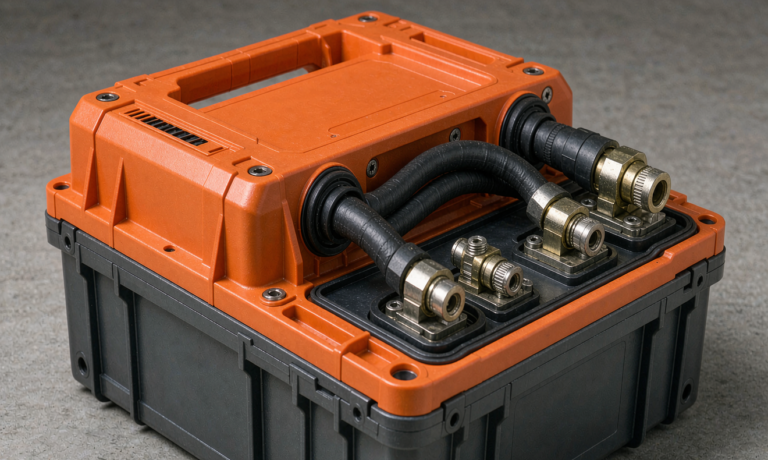
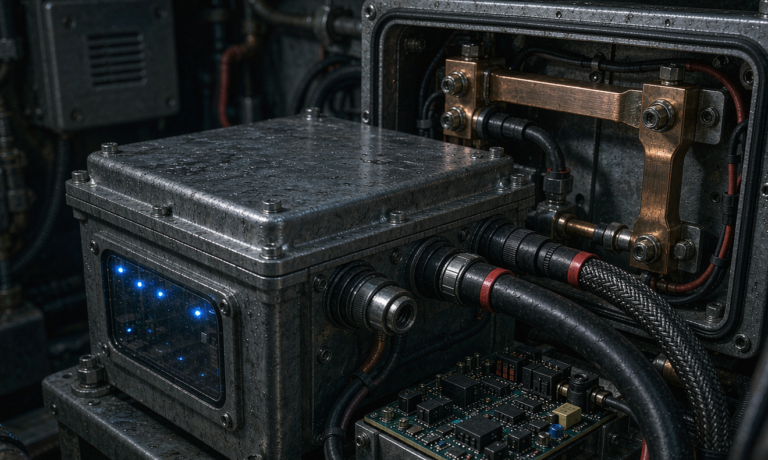
Battery Solution for Backhoe Loaders
Over the last three years I have watched the compact construction equipment segment move from pilot demos to real fleet orders. The backhoe loader is one of the hardest machines to electrify because it does both dig and travel work with the same power source, and it spends its life in dust, vibration, and temperature swings. As a senior lithium battery engineer I have been part of several pack programs for this class of machine. This article explains how we build a battery backhoe loader power system that survives the job site and still delivers the hydraulic and traction performance operators expect.
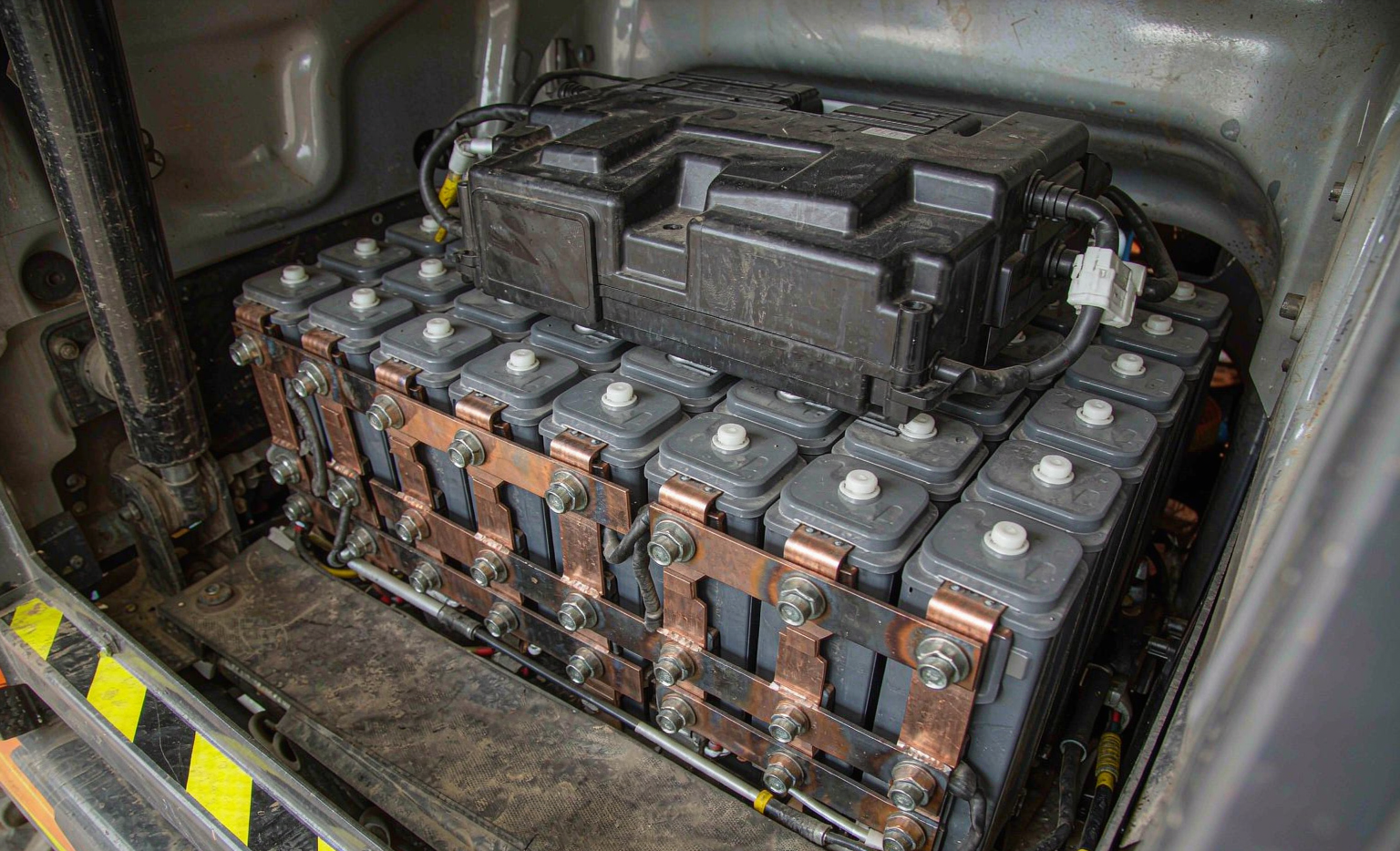
Why Backhoe Loaders Are Shifting to Battery Power
The business case for a battery backhoe loader is not only about emissions. In many urban and indoor jobs the diesel exhaust rule is the trigger, but the quieter operation, lower vibration, and reduced maintenance are what keep fleets coming back. A diesel backhoe loader burns fuel even at idle while the operator runs the loader or thumb. An electric machine draws power only when work happens, and regenerative braking on the travel circuit returns energy during swing and stop.
From an engineering view the backhoe loader is a good candidate because its average power demand is moderate even though its peak is high. A typical 14 foot class machine needs roughly 40 to 70 kilowatts continuous for digging and up to 90 to 110 kilowatts for simultaneous loader and aux functions. That duty cycle maps well to a lithium battery pack with a strong discharge rating rather than to a very large capacity pack.
The total cost of ownership is the part fleet managers care about most. Diesel fuel, exhaust aftertreatment, engine oil, and filter service add up across a machine that may run two thousand hours a year. An electric drive removes most of that and shifts the cost into the pack, which we warranty for the hours rather than the calendar where the duty is heavy. In my programs the crossover point lands near twelve to eighteen months of typical use once the local electricity rate and the avoided diesel service are counted, and it improves further where idle restriction rules are strict.
Pack Architecture and Voltage Selection
Most compact construction machines standardize on a 48 volt or 80 volt bus. For a battery backhoe loader I recommend an 80 volt nominal architecture when the hydraulic pump is rated above 55 kilowatts, because the current at 48 volts becomes hard to manage with realistic cable sizes. At 80 volts a 110 kilowatt peak draw is about 1,500 amps from the pack, which is still a serious busbar job but far better than the 2,300 amps you would see at 48 volts.
We build the pack from prismatic lithium iron phosphate cells in a series string that gives a nominal 81.6 volts with a working window of 64 to 93 volts. Lithium iron phosphate is the right chemistry here because it tolerates high charge and discharge rates, stays stable at high temperature, and does not need the cobalt-heavy cathodes that raise both cost and supply risk. The cells are grouped into modules with fused links so a single cell fault cannot take down the whole machine.
Sizing Energy and Peak Power for Real Duty Cycles
Capacity sizing starts with the actual shift. A typical utility or rental backhoe loader runs four to six hours of mixed work on a site. Logging telemetry from diesel equivalents, we see an average draw near 18 to 25 kilowatt hours per shift including travel, loader cycles, and standby losses through the cooling and control systems. We therefore specify a usable pack of 30 to 40 kilowatt hours, which leaves margin for cold weather and pack aging.
Peak power matters more than total energy for this machine. The pack and its battery management system must sustain the 90 to 110 kilowatt burst for the seconds it takes to break ground or lift a loaded bucket, then recover. We rate the cells at a continuous 3C and a 5C pulse for ten seconds, and we size the busbars and contactors for the pulse current rather than the average. A custom battery solution here is not a bigger box, it is a busbar and thermal path rated for the spike.
Degradation is part of the size math. A pack that delivers full power on day one will sag by the third year if it is run hot and deep. We design to retain at least eighty percent capacity at the end of the warranty hours and we keep the daily depth of discharge around eighty percent so the cells are not stressed to the floor on every shift. The battery management system logs each cycle so the rental house can see which units have been abused and rotate them before they become a field failure.
Thermal Management on Dusty, Vibrating Job Sites
Heat is the enemy of battery life, and a backhoe loader generates heat from both the pack and the hydraulic system next to it. We use a sealed liquid cooling plate under the modules with dielectric coolant, because forced air would pull abrasive dust through the pack. The cooling loop is isolated from the machine hydraulic oil and has its own low power pump and temperature controlled fan.
Vibration is handled with damped module mounts and strain relieved busbars. I have seen poorly mounted packs develop loose cell tabs after a single season of loader work, so we qualify the whole assembly on a shaker table to at least the common construction equipment vibration profile before release. The enclosure is rated to IP65 or better so high pressure washdown and rain do not reach the cells.
Safety Certification and Site Transport
A battery backhoe loader pack must clear the same safety bar as any industrial lithium system. We design to UN38.3 for transport, IEC 62619 for industrial stationary and motive cells, and we validate the enclosure against the relevant IP and impact tests. The battery management system watches cell voltage, temperature, and current, and it opens the main contactor on any out of range condition.
On site the pack needs clear isolation and a manual service disconnect that the operator can reach without tools. We also add ground fault monitoring because the machine often works near wet trenches. For transport between sites the pack is shipped under the UN38.3 test summary, and we keep the state of charge at or below 30 percent for road movement, which both reduces risk and meets common carrier rules.
Charging Strategy and Opportunity Charging
Charging is where many early programs fail. A backhoe loader does not return to a depot every night in a tidy cycle, so we design for opportunity charging from a standard 480 volt three phase supply or from a mobile charger. At 40 kilowatts a 35 kilowatt hour pack refills in roughly an hour, which fits a lunch break or a transport window.
We cap the charge rate at 1C and keep the top balance stage gentle to protect calendar life. The battery management system reports state of charge and health to the machine display and to the fleet portal, so the rental house knows which units need rotation. A good battery backhoe loader program treats charging as part of the machine, not an afterthought in the break room.
Battery Management and Fleet Monitoring
The battery management system is the part that decides whether the machine is reliable in the field. Beyond the basic voltage and temperature limits, we run cell balancing during every charge, log state of health against the original capacity, and push alerts when a module drifts. For a battery backhoe loader that may be shared across several operators, that telemetry is the only way the owner knows the pack is healthy rather than quietly aging toward a failure.
We connect the pack to the machine controller over a hardened bus so the loader and travel drives can taper power smoothly as the pack ages, instead of cutting out without warning. The same link feeds a fleet portal where the rental desk sees state of charge, available power, and fault history. In my experience the sites that adopt this monitoring early have far fewer emergency swaps than the ones that treat the battery as a sealed black box.
What battery voltage is best for a backhoe loader?
For machines with a hydraulic pump above 55 kilowatts I recommend an 80 volt nominal pack, because the lower current keeps cable and contactor sizes practical. Smaller loaders can work on 48 volts, but the current at peak demand gets hard to manage.
How many kilowatt hours does a battery backhoe loader need?
A usable pack of 30 to 40 kilowatt hours covers a typical four to six hour mixed shift with margin for cold weather and aging. The exact size depends on how much travel versus digging the unit does and whether the site allows opportunity charging.
How long does it take to charge a battery backhoe loader?
At a 40 kilowatt charge rate a 35 kilowatt hour pack refills in about one hour. We cap charging at 1C and keep the final balance stage gentle, so a lunch break or transport window is usually enough to top up.
Can a battery backhoe loader work in cold weather?
Yes, with design care. We size extra capacity margin for low temperature and use the liquid cooling loop to warm the pack before high power work when needed. Lithium iron phosphate loses some available power below freezing, so the control software limits peak draw until the cells are in range.
Is a battery backhoe loader safe on a construction site?
It is safe when built to UN38.3 and IEC 62619 with a monitored battery management system, an IP65 sealed enclosure, ground fault protection, and a tool free manual disconnect. The pack is also shipped at 30 percent state of charge or less for road transport between sites.
Further Reading
References