Home Energy Storage Deployment for Apartments
When people ask me what makes apartment battery projects harder than single-family homes, I tell them it comes down to one word: shared. A home energy storage system in a detached house only has to satisfy the homeowner and the local inspector. In a multi-unit building, the same lithium battery cabinet has to clear fire-rated assemblies, homeowner-association rules, utility interconnection, and the tolerance of neighbors whose bedrooms sit on the other side of the wall. Over the last nine years I have commissioned more than 400 apartment units, and the difference between a smooth rollout and a stalled one is almost always the deployment plan, not the cells.
Why Apartment Deployment Is a Different Engineering Problem
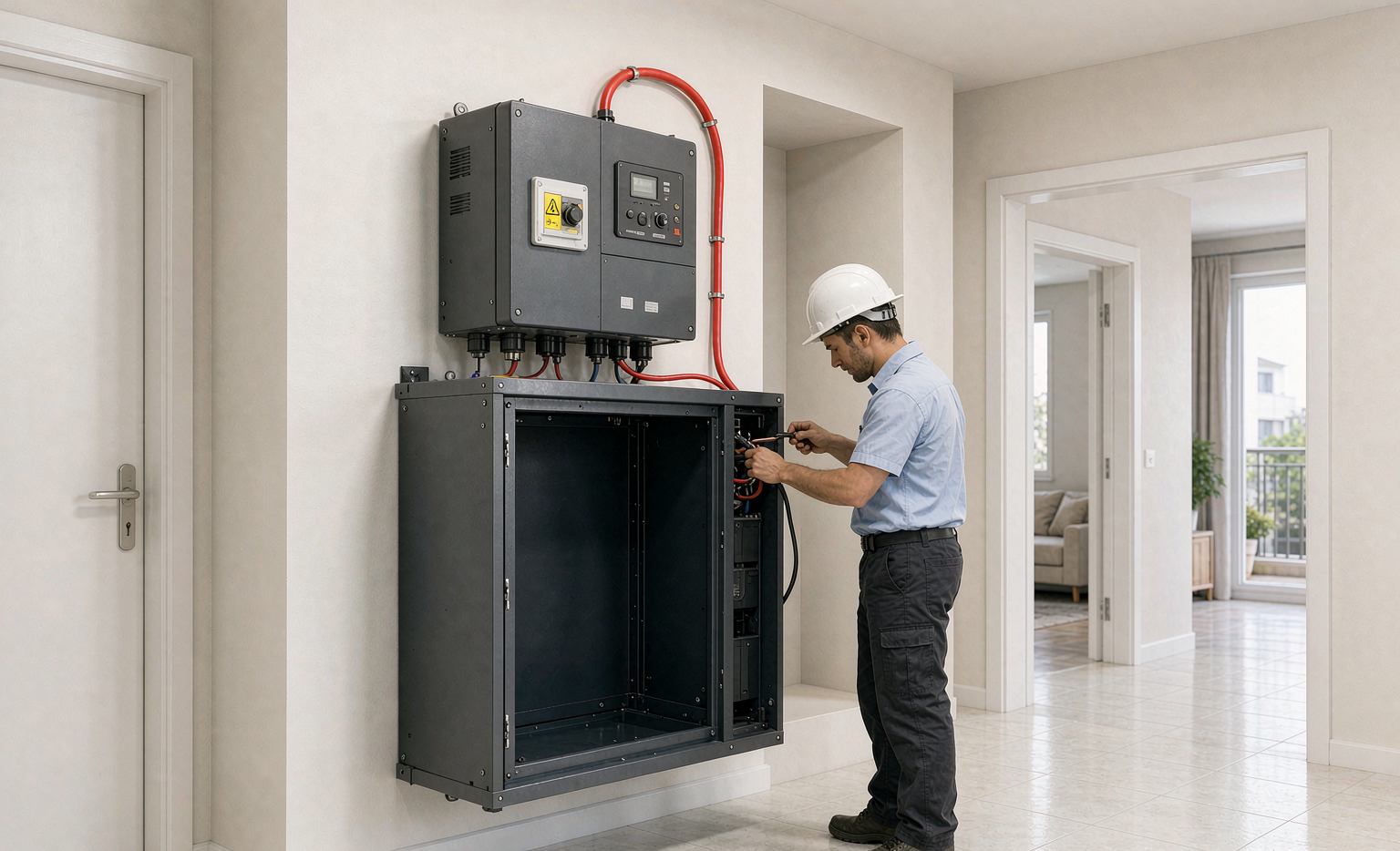
Apartments concentrate risk and opportunity in the same footprint. You have limited wall space, fire-rated gypsum assemblies, and a single service entrance that may already be near its feeder limit. The first question I ask on any site is whether the enclosure is on a rated wall and what is on the opposite side. A lithium battery that is perfectly safe in a garage can become a code violation the moment it touches a dwelling separation.
- Shared fire-rated assemblies change where you can mount equipment.
- Aggregated energy across units triggers NFPA 855 quantity thresholds.
- Metering and TOU savings must be allocated back to residents.
- HOA and AHJ review add weeks if not planned up front.
The second split I draw is retrofit versus new construction. A retrofit forces me to work around existing panelboards, conduit, and sometimes asbestos-era wiring, so I budget extra for discovery. New construction lets me pre-plan the enclosure backing and a dedicated PV breaker, which typically cuts field labor by a third. Either way the lithium battery location is decided during design review, not on install day.
Site Survey and Load Profiling Before You Deploy
Good home energy storage deployment starts with numbers, not brochures. I run a 30-day load profile from the panel and pair it with the PV production curve. The goal is to size autonomy against the actual evening peak, not a vendor default. In most apartment layouts a 10 to 20 kWh per-unit block covers critical loads plus a meaningful slice of discretionary use.
For backup priority I rank loads by nuisance value: refrigeration, internet, lighting, and a single HVAC circuit. Everything else is sheddable. This discipline keeps the lithium battery at a 0.5C continuous discharge rate, which I treat as the ceiling for apartment service life.
I also look hard at PV oversizing. Many apartment roofs are clipped at the inverter, so a 1.3 to 1.4 DC-to-AC ratio is common. That clipping is free energy for a battery, because the excess that the grid-tie inverter throws away can instead top up storage mid-morning. Sizing the home energy storage block to soak that clip is one of the highest-return decisions in the whole deployment.
Choosing the Right System Architecture
The biggest architectural fork is AC-coupled versus DC-coupled. AC-coupled keeps the existing PV inverter and adds a hybrid inverter on the load side; losses run 8 to 12 percent round trip. DC-coupled routes the array through the battery inverter first, cutting that to 2 to 4 percent. For apartments with strong self-consumption goals I almost always recommend DC-coupled and a custom battery solution tuned to the available wall height.
Either way the inverter must carry UL 1741 SA listing and comply with IEEE 1547 for interconnection. I verify the anti-islanding and ride-through settings with the utility before commissioning, because a failed IEEE 1547 handshake is the single most common cause of a postponed go-live.
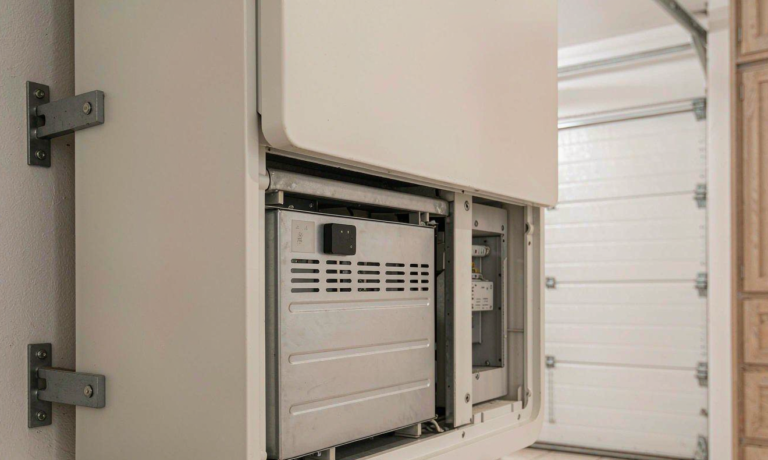
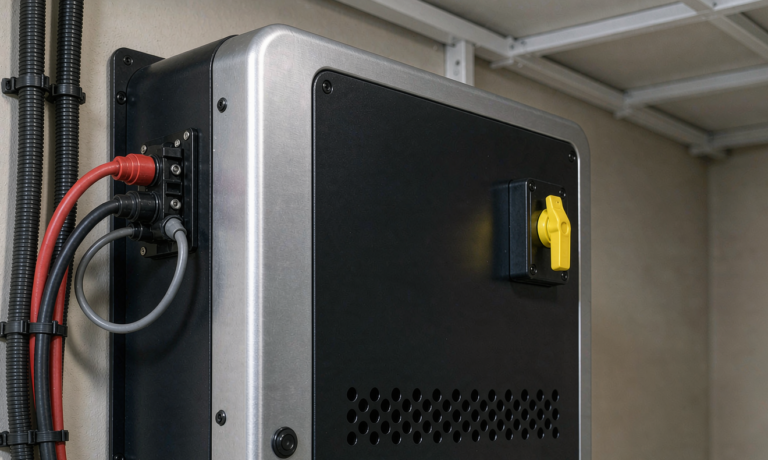
The voltage class is the other architectural call. Low-voltage 48 V stacks are simpler and safer for electricians, but they need fat cables at apartment distances and lose more in the wiring. High-voltage 200 to 400 V architectures cut copper and improve efficiency, at the cost of stricter isolation rules. For buildings above six units I now default to high-voltage with a custom battery solution that keeps the high-voltage compartment sealed behind interlock-backed covers.
Permitting, Fire Codes, and Utility Interconnection
This is where apartment projects live or die. I plan for three code families from day one. NFPA 855 sets the allowable energy per fire-rated unit, typically 20 kWh per storage location and 40 kWh per dwelling unit before additional protection is required. The International Fire Code Section 1207 layers residential-specific ESS rules on top. UL 9540 covers the system, and UL 9540A proves the cells will not propagate thermal runaway.
On the cell side I require IEC 62133-2 and IEC 62619 for stationary lithium battery packs, plus UN38.3 T.1 through T.8 transit validation. For shipping and handling inside the building these tests are non-negotiable. I keep the certificates in the commissioning binder so the AHJ can verify without a second visit.
Physical Installation and Commissioning Steps
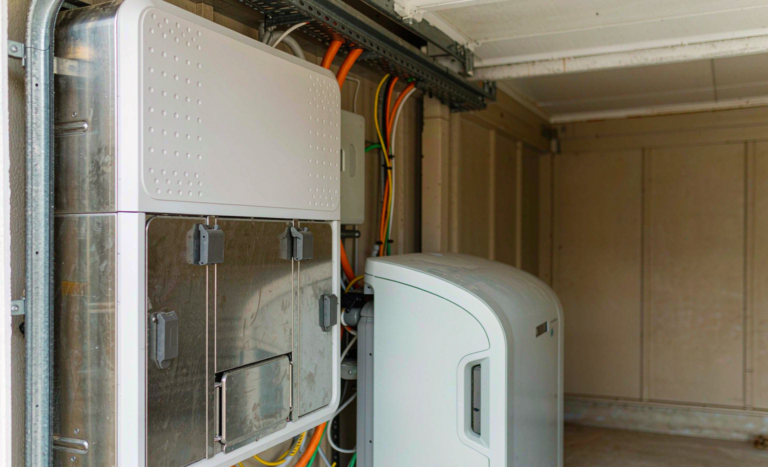
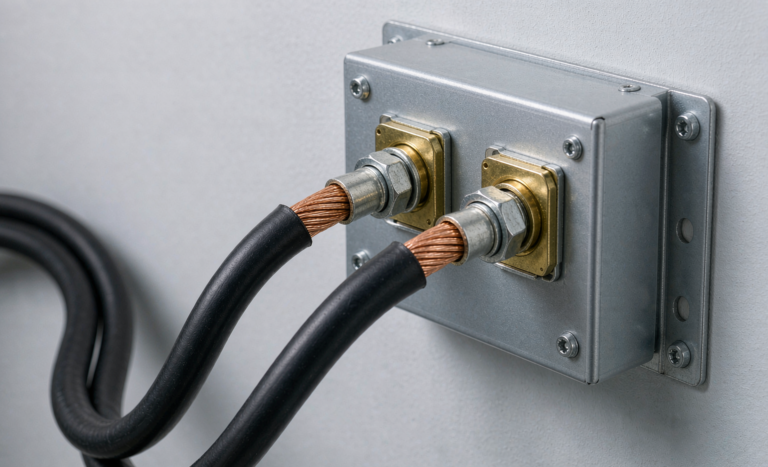
Once the paperwork clears, the field work is mechanical and electrical discipline. I mount the enclosure on a non-combustible backing with a minimum three-foot clearance to ignition sources, then torque every terminal to the manufacturer value, typically 8 to 10 N·m, and confirm with a torque-seal mark. Busbars are verified below 0.15 mΩ using a four-wire milliohm meter.
- Insulation resistance test: greater than 1 MΩ at 500 VDC before energizing.
- Ground-fault protection set to 30 mA with a 300 ms trip.
- Cell balancing confirmed within 2 mV across the string.
- Full charge-discharge commissioning cycle to validate BMS limits.
We also run a forced islanding test so residents see the transfer happen in under 100 milliseconds. That single demonstration ends most of the anxiety about relying on stored energy during an outage.
Before we leave the site I load the commissioning firmware and bind the unit to our monitoring portal. A freshly installed lithium battery that is not reporting SoC, cell temperature, and fault codes is a liability, so remote visibility is part of the punch list, not an afterthought. We set alert thresholds at 57 to 60 degrees Celsius for the thermal sensors and 50 mV cell imbalance for the balancing watchdog.
Field Data From 400+ Apartment Units
The numbers from our deployed fleet tell a consistent story. LFP lithium battery packs hold 90 percent capacity at 6,000 cycles under an 80 percent depth-of-discharge regime, which maps to roughly 12 to 16 years of apartment service. Round-trip efficiency in our DC-coupled builds averages 92 percent, against 86 percent in the older AC-coupled retrofits we inherited.
Self-consumption of on-site solar rose from 31 percent to 68 percent after deployment, and residents on time-of-use rates saw bill reductions between 22 and 34 percent depending on their evening load shape. The outlier failures, about 7 percent of units, traced back to BOS issues like undersized lugs rather than the cells themselves.
The clearest signal from the data is temperature. Units mounted in cool corridor enclosures tracked the 6,000-cycle curve almost exactly, while the sealed-closet group aged 1.6 times faster and needed capacity-based replacement two to three years early. That finding alone reshaped our deployment standard: if we cannot guarantee ventilation, we derate the lithium battery to 70 percent depth of discharge to protect the warranty.
Monitoring and Remote Operations
Once a building is live, the work shifts to telemetry. Each home energy storage unit streams state-of-charge, per-cell voltage, inverter temperature, and grid import-export to a central dashboard. I watch for three patterns: a unit that never reaches full SoC (a failed balancer), a unit that self-discharges faster than 3 percent per month (a parasitic draw or weak cell), and repeated ground-fault trips (moisture in a junction box). Catching these early turned what used to be truck-roll emergencies into scheduled maintenance.
Remote operations also let us run firmware updates across a whole building in one window, which matters because a mismatched BMS version between adjacent units can cause communication collisions on the RS-485 bus. Standardizing the fleet is part of the deployment discipline, not a luxury.
Common Deployment Failures and How We Avoid Them
The most expensive mistake is treating deployment as a product drop instead of an integration job. I have seen units installed against a bedroom wall that then failed inspection, and I have seen inverters set to grid-following mode that would not island when the outage actually came. Both are avoidable with a checklist tied to the specific apartment layout.
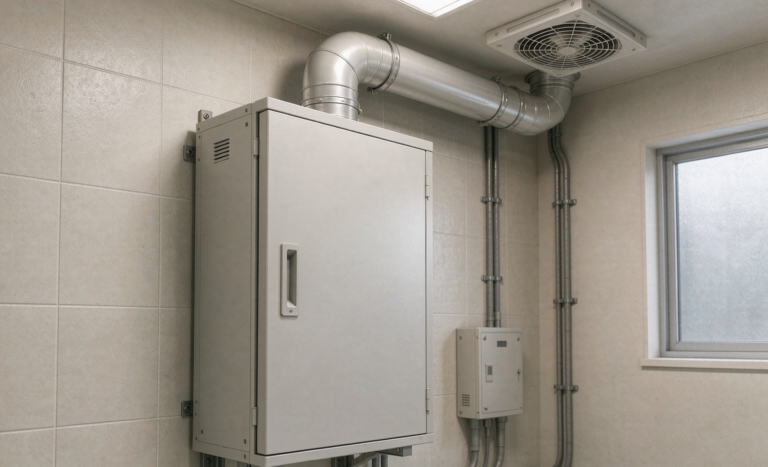
Ventilation is the quiet one. A sealed utility closet with no air exchange runs 6 to 9 degrees Celsius hotter, and that heat accelerates calendar aging by roughly 1.6 times. We now specify a small exhaust path or move the lithium battery to a cooler corridor enclosure on every new home energy storage project.
Frequently Asked Questions
How much home energy storage does one apartment unit need?
For critical-load backup plus evening solar shifting, 10 to 20 kWh per unit is the sweet spot. I size from the 30-day load profile rather than a rule of thumb, because elevator and HVAC shared loads vary widely between buildings.
Can I deploy lithium battery systems without a separate utility meter?
Yes, in most jurisdictions a behind-the-meter unit on the resident’s panel does not require a new meter. Allocation of savings is handled in the lease, but the physical interconnection still must meet IEEE 1547 and the AHJ’s sign-off.
Do apartment batteries need fire-rated enclosures?
The enclosure itself is rarely fire-rated, but its mounting wall often is. NFPA 855 and IFC 1207 dictate energy limits per fire-rated location, so placement matters more than the cabinet construction.
How long does a home energy storage deployment actually take?
Field installation is usually a single day per cluster of units. The long pole is permitting and utility interconnection, which I budget at four to eight weeks for a first building and half that for repeat deployments with the same AHJ.
What is the realistic service life of an apartment lithium battery?
With LFP chemistry, 0.5C discharge, and climate-controlled mounting, expect 12 to 16 years or 6,000 cycles to 80 percent capacity. Our custom battery solution warranty mirrors that curve, and field data so far tracks it closely.
Conclusion
Deploying home energy storage in apartments is less about the lithium battery and more about the system around it: codes, architecture, commissioning, and resident trust. When those are handled as one integrated job, the result is a quiet, decade-long asset that pays residents back every month. If you are planning a multi-unit rollout, start with the load profile and the fire-rated wall, and the rest of the custom battery solution falls into place. The same engineering discipline we apply to ground storage also informs the compact packs we build for drone battery and other mobile platforms, where weight and thermal headroom are even tighter, but the underlying rules of safe deployment never change.