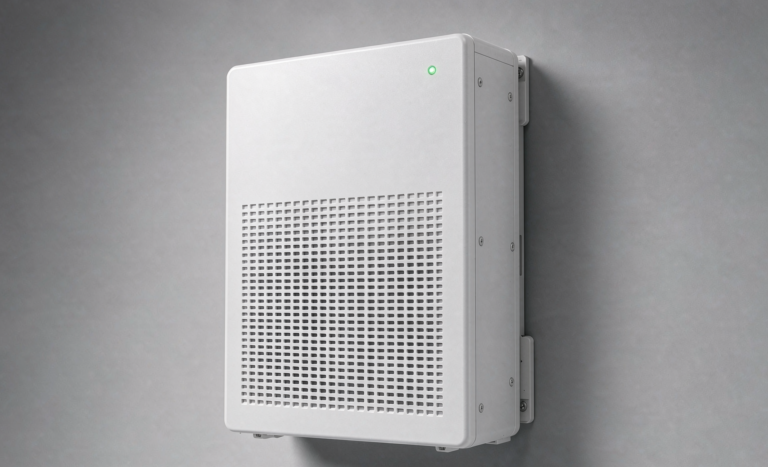
Home Energy Storage for Electric Sauna Heating
Why Electric Sauna Heating Is a Demanding Load
Over the last decade I have specified lithium battery packs for everything from drone propulsion to grid backup, and one residential load still surprises first-time installers: the electric sauna heater. As a Senior Lithium Battery Engineer at Horizon Power, I get asked constantly whether a home energy storage system can actually carry a sauna. The short answer is yes, but only if you size for continuous power rather than peak surge and respect the duty cycle of the heater.
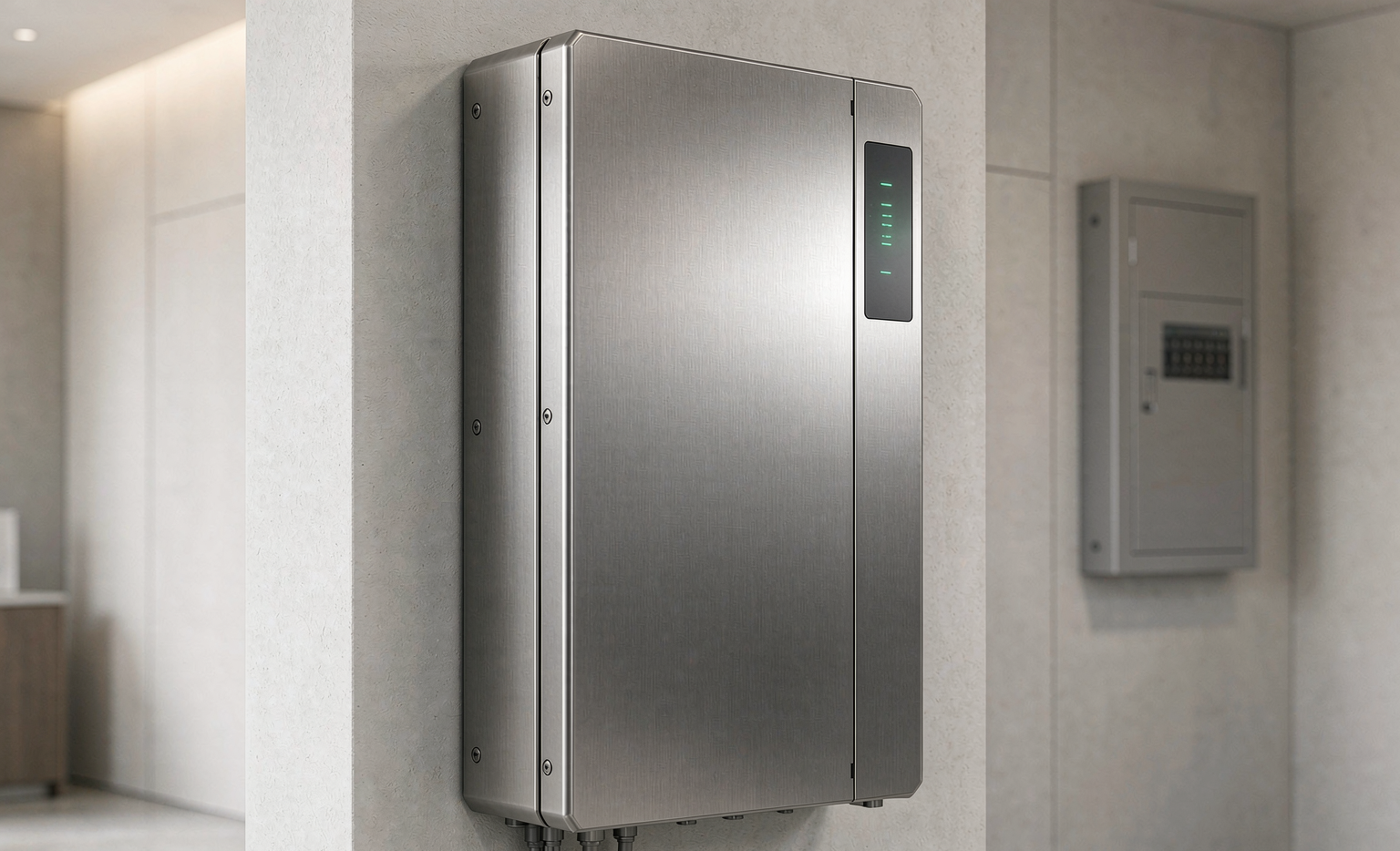
A traditional Finnish sauna heater draws between 4.5 kW and 9 kW, with the most common residential units landing around 6 kW to 8 kW. Infrared cabins are gentler at 1.5 kW to 3 kW, but they run longer. The key engineering point is that a sauna heater is a near-resistive load that pulls its full rated current for 30 to 60 minutes at a stretch, then cycles on a thermostat. That is not a spike you can ride through with a brief surge rating; it is a sustained draw your inverter and battery must deliver without thermal throttling.
This is where home battery design differs from a portable power station. A 6 kW sauna session for 45 minutes consumes roughly 4.5 kWh of usable energy, and the inverter has to hold 6 kW continuous, not just for a few seconds. When the sauna shares the panel with a heat pump, lighting, and a refrigerator, the combined continuous demand can exceed 9 kW, which is exactly the scenario where an undersized home energy storage inverter will trip.
Sizing Capacity and Continuous Power
The first question I ask a customer is simple: do you want the sauna to run only on stored energy, or as part of a larger daily load profile? If the battery is sized only for sauna use, a single 6 kW session at 45 minutes is about 4.5 kWh, so a 10 kWh pack with an 80 percent depth of discharge gives you comfortable headroom. In practice most households pair the sauna with whole-home backup, so I recommend a 10 kWh to 20 kWh lithium battery bank with a continuous inverter rating of at least 8 kW, and preferably 10 kW to 12 kW if the sauna sits alongside other heavy appliances.
Depth of discharge matters more than nameplate capacity here. A lithium iron phosphate pack rated at 10 kWh should be planned around 8 kWh usable to preserve cycle life, and a sauna plus evening household load can eat that quickly. I tell clients to reserve a 15 percent state-of-charge buffer below the inverter cut-off so the battery never hits a hard zero during a long weekend session.
Continuous power, not surge, is the binding constraint. Sauna heaters have a power factor close to 1.0, which is friendly to the inverter, but the draw is flat and long. Verify the inverter’s continuous output at your local ambient temperature, because many inverters de-rate above 40 degrees Celsius, and a garage or utility room in summer can reach that easily.
Load Shifting and Time-of-Use Arbitrage
One of the clearest wins for pairing a sauna with home energy storage is scheduling. In many markets the evening peak rate lands exactly when people want a sauna, so pre-heating the cabin during the midday solar window or the overnight low tariff and then drawing from the battery shifts a 7 kW load off the most expensive hours. I have measured sauna sessions that cost three times more on peak rate than off-peak, so the arbitrage alone can justify the storage for a frequent user.
The practical approach is to charge the battery from rooftop solar during the day, run the sauna on stored energy in the evening, and let the inverter prioritize self-consumption over export. A simple timer or the energy management system’s scheduled-load feature handles this without manual intervention. For households with time-of-use metering, I advise setting a soft cap so the sauna never pulls the battery below the 15 percent reserve I mentioned earlier.
There is also a comfort angle. Because the heater draws steadily, the battery smooths the load the grid would otherwise see as a sudden step, which keeps the main breaker happy and avoids nuisance trips on a shared service.
Thermal Management and Battery Safety
Let me be blunt about one thing I see done wrong: the battery must never be installed inside or adjacent to the hot sauna room. A lithium battery operating envelope is typically 0 to 45 degrees Celsius for charging, and a sauna routinely exceeds 70 degrees Celsius. The pack belongs in a separate, ventilated utility space, garage, or weatherproof enclosure with its own airflow, well away from the heater and any steam.
Within that enclosure, the home battery still needs thermal management of its own. A 6 kW to 9 kW discharge for an hour raises cell temperature even in a mild room, so I specify packs with active or passive cooling that can hold the cells under 45 degrees Celsius at full continuous output. Lithium iron phosphate chemistry is forgiving here, with a stable operating window and strong abuse tolerance, which is why I favor it over nickel-based cells for stationary home energy storage.
Humidity is the other silent killer. Sauna environments produce steam that finds its way into poorly sealed enclosures, so the battery cabinet should carry at least an IP54 rating for a dry utility room and IP65 if there is any chance of splashing or condensation. Sealed cell modules with conformal-coated electronics extend service life in damp basements.
Ventilation and Interlock Considerations
Electric sauna heaters are themselves regulated appliances with mandatory ventilation and over-temperature cut-outs, and your battery system should respect the same discipline. I always wire the sauna circuit through a dedicated GFCI breaker and keep the battery inverter’s load terminals on a separate branch so a heater fault cannot back-feed the storage bus. Some jurisdictions require a hard interlock so the sauna cannot run while the battery is in maintenance mode; I treat that as best practice regardless of code.
From the battery side, the energy management system should expose the sauna as a managed load with a temperature and current limit. If cell temperature rises during a long session, the system can shed the heater before it throttles the whole inverter, protecting both the pack and the user experience. A simple contactor controlled by the battery management system is enough for most residential setups.
Do not overlook the room where the heater lives. Sauna code typically demands a certain air-change rate, and that ventilation should be independent of any sealed battery enclosure. Mixing the two airflow paths is a mistake I have had to retrofit out of more than one installation.
Standards and Compliance
A home energy storage system that powers a high-draw appliance like a sauna must clear the same safety and grid codes as any stationary battery. At Horizon Power we build to UN38.3 for transport safety, IEC 62133 for cell-level safety, and IEC 62619 for industrial stationary battery systems. In North America the install must follow UL 9540 for the energy storage system and UL 9540A for thermal runaway fire propagation testing, with UL 1741 inverters and IEEE 1547 interconnection compliance where the system exports to the grid.
On the electrical side, Article 706 of the National Electrical Code governs energy storage systems and dictates disconnects, labeling, and overcurrent protection that apply directly to a sauna-backed battery. I recommend a certified installer handle the final connection, because the combination of a high continuous load and a lithium bank leaves little margin for amateur wiring errors.
Finally, document the continuous and surge ratings on a permanent label at the battery enclosure. When the next service technician sees an 8 kW sauna on the load schedule, that label prevents a dangerous mismatch with a smaller replacement inverter.
Frequently Asked Questions
How much battery capacity do I need for an electric sauna?
For a typical 6 kW sauna used 45 minutes per session, plan around 4.5 kWh of usable energy, which means a 10 kWh lithium battery bank gives comfortable headroom when the sauna is the main load. If the pack also backs up the whole home, size 15 kWh to 20 kWh and keep a 15 percent state-of-charge reserve.
Can a home battery run a sauna during a power outage?
Yes, provided the inverter has a continuous rating above the heater’s draw plus other essential loads, usually 8 kW to 12 kW. The sauna is a steady resistive load, so it is actually easier on the inverter than motor starts, as long as the battery capacity covers the session length.
Will running a sauna drain my solar battery too fast?
A single session uses roughly 4.5 kWh, which is a meaningful slice of a 10 kWh pack, so on a cloudy day it can deplete storage quickly. The solution is to schedule sauna use after a full solar charge or during off-peak grid charging, and to keep the 15 percent reserve so the pack is never fully drained.
What inverter size is required for a sauna heater?
Size for continuous output, not surge. A 6 kW to 8 kW heater needs an inverter rated for at least that continuous figure, and I recommend 10 kW to 12 kW when the sauna shares the panel with a heat pump or other appliances. Verify the rating at your local ambient temperature because inverters de-rate in heat.
Is it safe to install a battery near a sauna?
The battery must never go inside the hot, humid sauna room. Install it in a separate ventilated enclosure with an IP54 or IP65 rating, away from steam and temperatures above 45 degrees Celsius, and let the pack’s own thermal management hold cells in their safe operating window.
Does a sauna heater need a special circuit with the battery system?
It needs a dedicated GFCI breaker and, ideally, a managed-load contactor controlled by the battery management system so the heater can be shed if cell temperature rises. Keep the sauna branch independent of the battery bus, and follow National Electrical Code Article 706 for the storage system disconnects and labeling.
Further Reading
References