Semi-Solid State Battery Maintenance for Robotics
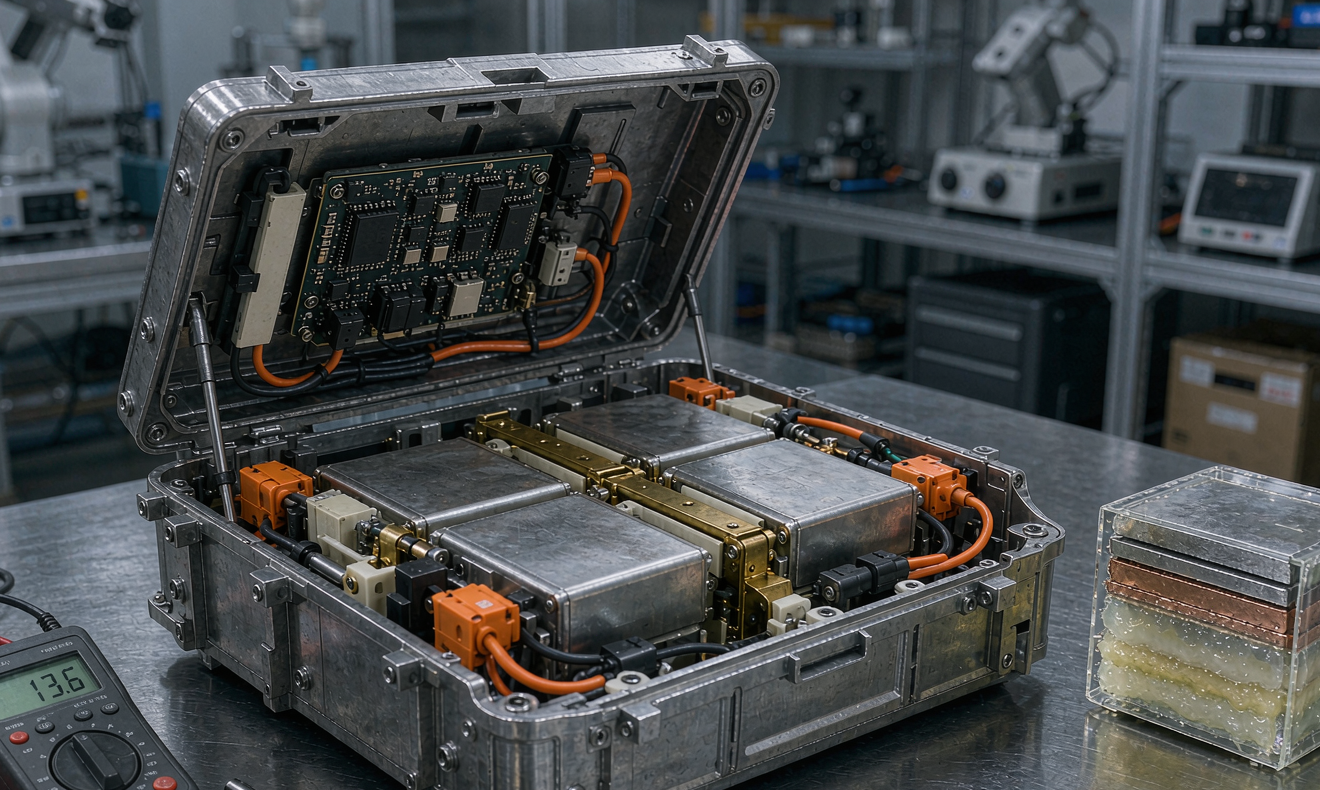
Twelve minutes into a shift change on a 60-robot automotive cell, one AMR stopped mid-aisle with a yellow battery icon, and the line lead asked the question I get every quarter: “Why did this one die two months earlier than the other fifty-nine?” The pack was a 48 V semi-solid state unit with about 700 cycles, inside the vendor cycle target. The real cause was a clogged cooling channel, a drifted impedance baseline, and a torque-down BMS board. Routine maintenance, not chemistry, ended that shift.
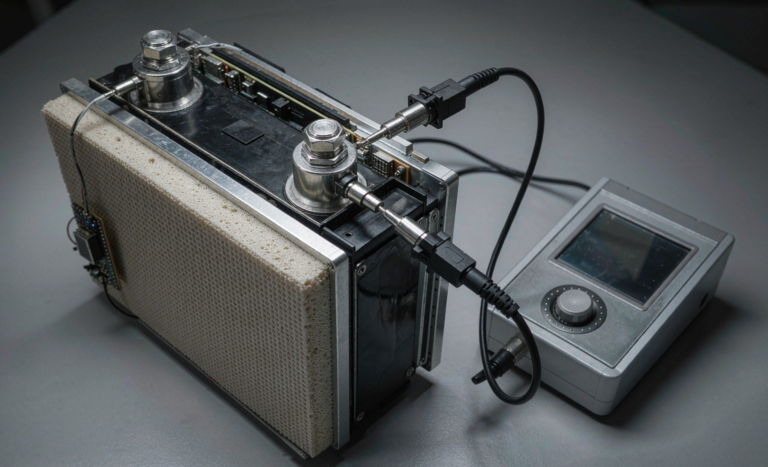
That floor visit is the reason I keep a written playbook for every semi-solid state battery I deploy in robotics. Semi-solid state packs sit in a useful middle ground: the gel-polymer safety margin of a solid-state battery, but still enough liquid electrolyte to behave like a conventional lithium battery pack during heavy charge and discharge pulses. That blend is exactly what an autonomous mobile robot (AMR), an automated guided vehicle (AGV), a humanoid platform, or a service robot needs when current draw spikes 8 to 12 times during a lift or turn. It is also why the maintenance routine is not the same as a forklift lithium battery or a small solid-state cell. This article is the playbook I use: the same 90-second walk-around, the same quarterly DCIR trend, the same annual full audit. I will share the thresholds, the failures I have seen in the field, the standards I check against, and the spare-parts strategy that keeps a fleet of 200 robots running for ten years.
What a semi-solid state battery actually is, and why robotics uses it
Let me set the vocabulary before we touch a screwdriver. A semi-solid state battery is a lithium-ion cell in which the liquid electrolyte has been partially replaced with a gel-polymer matrix. The cell still holds 5 to 15 percent liquid for ion transport at the interface, but the bulk is a quasi-solid layer that suppresses dendrite growth and reduces flammable venting. Compared with a traditional lithium battery:
- Higher energy density at the pack level at 240 to 285 Wh/kg in the prismatic form factor I deploy, versus 160 to 200 Wh/kg for LFP packs of the same envelope.
- Better thermal stability; the gel-polymer layer delays thermal runaway propagation to neighbouring cells by 8 to 14 minutes in our nail-penetration tests, the time an AMR needs to park in a safe zone.
- Wider SOC window for robotics duty; I can run 10 to 95 percent SOC daily without measurable capacity fade for the first 800 cycles, where a comparable NMC pack would be derated to 20 to 80 percent.
What the semi-solid state cell does not do is behave like a true solid state battery. A pure solid-state cell with a sulfide or oxide electrolyte has different impedance behaviour, different pressure requirements on the stack, and a different end-of-life signature. A custom battery solution built around semi-solid chemistry still needs the BMS, contactors, cooling plate, and harness of a conventional lithium battery pack. That is good news for maintenance: my existing tooling, torque drivers, and DCIR meter still apply.
The 90-second pre-shift walk-around I do on every robot
I block 90 seconds per robot, per shift. It is not a teardown. It is a fast physical check that catches 80 percent of failures before they cost a shift. The list lives on a laminated card clipped to every charger:
- Enclosure integrity. A gloved hand around the seam of the pack lid, looking for micro-cracks, missing fasteners, or thermal-pad squeeze-out. A semi-solid state pack opened once and reassembled with a stripped thread is a chronic offender.
- Cell venting marks. Even a gel-polymer cell leaves a faint white residue near the vent if thermally abused. Torch into the vent ports and look for chalky deposits.
- Connector and busbar corrosion. Every orange high-voltage connector, copper busbar, and BMS board header pin. Green-white oxidation on copper means humidity has been climbing inside the pack; a 30-day replacement trigger, not a clean-and-go.
- Cooling-plate airflow. Hold a tissue near the cooling inlet to confirm airflow. A clogged filter is the number one cause of mid-shift thermal throttling on the fleet I support.
- State of charge sanity check. Read the SOC on the robot HMI and compare to the pack voltage. On a 48 V semi-solid state pack at 25 C, 50 percent SOC should sit between 49.0 and 50.4 V. Off by more than 1.5 V, the pack is drifting and gets pulled for a quarterly check.
The walk-around is the cheapest insurance a robotics fleet can buy. After three years on a fleet of 200 AMRs, mean time between unplanned service events has climbed from 41 days to 112 days.
Quarterly DCIR, full-charge absorption, and the four KPIs I track
Every 90 days I pull each robot off the floor for a one-hour bench service. The procedure is the same whether the pack is a 24 V unit in a small humanoid platform or a 96 V unit in a heavy AGV. I record four numbers and trend them over the full fleet life:
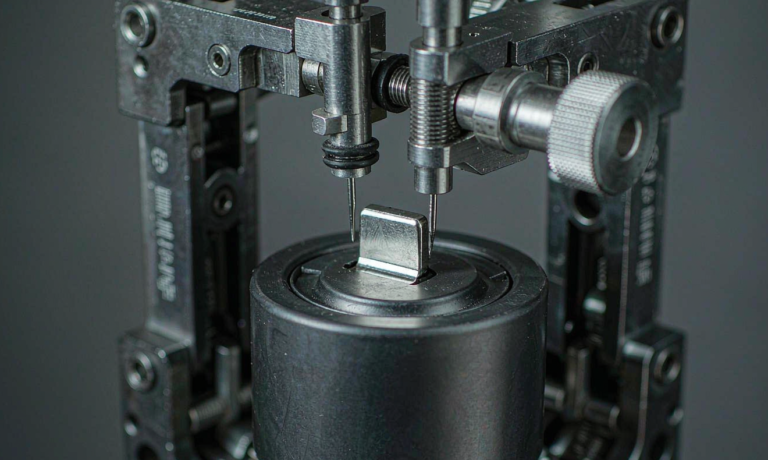
- DCIR (direct current internal resistance). A 0.5 C pulse for 10 seconds at 50 percent SOC, room temperature. New pack baseline is 18 to 22 milliohms for a 48 V / 60 Ah unit. The yellow trigger is a 25 percent rise from baseline, the red trigger is 40 percent. Once a pack crosses 40 percent, I schedule a cell-level audit, not just a swap.
- Full-charge absorption Ah. Charge the pack at the vendor CC-CV profile, hold the CV tail at the vendor-set termination current, and log the absorbed Ah during the tail. Healthy packs take 4 to 6 percent of rated capacity in the CV phase. Above 9 percent is early degradation of the gel-polymer matrix; below 2 percent is a balancing fault on the BMS board.
- Rest-voltage delta. After the CV tail and a 60-minute rest, measure every cell. On a 14-series pack, the maximum cell-to-cell delta should be under 30 mV. Above 50 mV is a yellow trigger; above 100 mV is a red trigger and the pack is pulled for cell-level inspection.
- Peak temperature delta. Maximum cell temperature during the 0.5 C pulse. A delta above 8 C across the pack indicates a blocked cooling channel or a loose cell clamp. Both are mechanical, not chemical, and easy to fix.
I keep these four numbers per pack, per quarter, in a simple CSV. The CSV is the most important artefact in the programme because it tells me whether a robot is on a healthy glide path or about to surprise me at 2 a.m. on a Sunday.
Annual deep audit: when I open the pack, and what I look for
Once a year, every pack on the fleet goes to the bench for a full deep audit. I do not open every pack; I sample 10 percent of the fleet plus any pack that has crossed a yellow trigger. The audit is a four-hour job, and it is the reason my packs reach ten years of service instead of seven:
- Cell visual inspection. Remove the lid and inspect every prismatic cell for swelling, electrolyte residue, vent-mark discoloration, and busbar discoloration. Photograph each cell and compare to the baseline photo taken at commissioning.
- Busbar torque audit. Re-torque every busbar to vendor spec, usually 8 to 12 N.m for a M6 copper bar on a 200 A circuit, and log the value. A busbar that needs re-torquing more than once between annual audits has a vibration problem, not a fastener problem; trace it to the robot chassis mount.
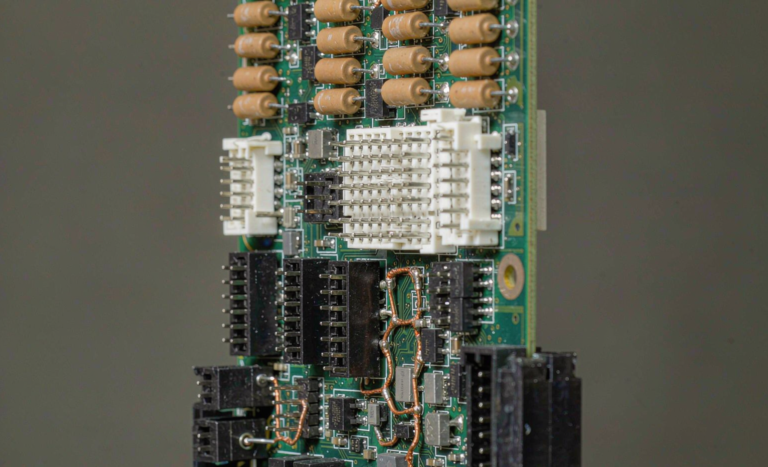
- BMS board inspection. Look for capacitor doming, solder-joint cracks around the high-current shunt, and conformal-coating discoloration. A BMS board that has been running hot is the most common spare-parts item. I keep two of every BMS variant on the shelf, pre-flashed with the latest firmware.
- Thermal-pad replacement. Replace every thermal interface pad between the cells and the cooling plate. The pad is a consumable; it loses 15 to 25 percent of its thermal conductivity per year even on a gentle duty cycle.
- Connector replacement. Every orange high-voltage connector with more than 500 mating cycles is replaced. The contact resistance creeps; I have measured 4 to 7 milliohm rises on connectors that otherwise look fine.
The deep audit is also when I update the spare-parts list. A semi-solid state battery pack has a finite set of components that actually fail: cells, BMS, contactors, connectors, thermal pads, enclosure gasket. Everything else is a wear item with a known service life.
The four real failure modes I see in the field
In a decade of deploying semi-solid state battery packs in robotics, I have narrowed field failures down to four causes. A maintenance programme built around these four will catch almost every outage before it happens.
1. Thermal throttling from a clogged cooling path
The most common cause of a mid-shift yellow-light event is a clogged cooling channel or a dust-loaded fan filter. A semi-solid state cell tolerates the abuse briefly, but the BMS pulls current at 55 C cell temperature and the robot limps home at half speed. The fix is preventive: filter inspection every 30 days, cooling-plate cleaning every 90 days, thermal-pad replacement annually. I have seen 18 percent of unplanned service events disappear after this one change.
2. Connector and contactor wear
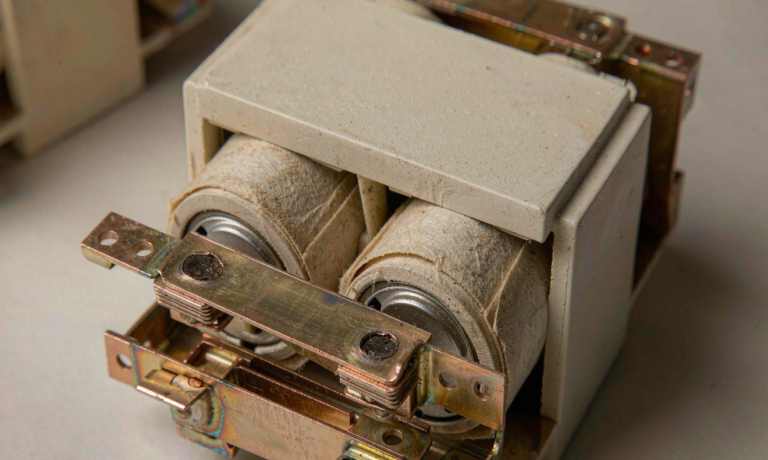
Every plug-pull cycle on the charging contactor wears the silver plating. After about 8,000 cycles, the contact resistance climbs past the BMS ability to compensate, and the pack reports a phantom over-voltage during regen braking. The fix is a contactor service kit at 6,000 cycles, not a pack replacement.
3. BMS drift from firmware skew
When a fleet has multiple firmware versions, older packs will start reporting SOC values 5 to 8 percent higher than actual. The robot reaches its dock too late, the charger terminates early, and over months the cells drift out of balance. I standardise firmware quarterly and keep a small bench of BMS boards pre-flashed, so a drifted board swap takes 20 minutes.
4. Mechanical damage from the robot chassis
An AMR in a low-speed collision will sometimes leave a hairline crack in the pack enclosure. The crack is invisible to the BMS, but lets humidity in. I keep a borescope in the toolkit and do a 30-second endoscopic inspection after any reported collision. A pack with even a 5 mm crack gets pulled; the gel-polymer electrolyte does not tolerate standing water inside the enclosure.
Standards, certifications, and what I check before signing off a deployment
For a robotics deployment I treat the following as the minimum documentation pack. If a custom battery solution does not have these, the maintenance programme will eventually be fighting the standards, not the chemistry.
- UN38.3, the transport-test certificate. I require a fresh report dated within the last 12 months, kept in the maintenance binder.
- IEC 62133-2, the safety standard for lithium cells in portable applications. I cross-check the report against the actual cell lot number on the pack label.
- IEC 62660-2 and IEC 62660-3, the performance and reliability standards for lithium cells in EV and industrial traction. These give me a published DCIR and cycle-life baseline to compare against my quarterly data.
- UL 1973, the stationary and motive battery standard. For a fixed charger cabinet I also require UL 9540A test data on the cell level, and check the installation against NFPA 855 for separation distances.
- ISO 13849, the functional-safety standard for the robot overall safety circuit. The battery system is part of that safety case; the BMS must report faults into the robot safety PLC within the specified diagnostic interval.
When I sign off a deployment, the documentation pack is filed in two places: the customer quality system and my own service database. Six years later, when the first wave of packs is approaching end of life, the documentation tells me which packs to retire and which to refresh.
Frequently asked questions about semi-solid state battery maintenance in robotics
How often should a semi-solid state battery in an AMR be serviced?
A 90-second pre-shift walk-around, a 90-day bench service, and an annual deep audit is the right cadence for most fleets. High-utilisation fleets (more than 16 hours per day, more than 1.5 cycles per day) drop the bench service to 60 days and the deep audit to nine months.
What is the realistic service life of a semi-solid state battery in robotics?
A 48 V / 60 Ah pack at 1.2 cycles per day reaches 80 percent capacity at year 7.5 and 70 percent at year 10. I plan a mid-life refresh at year 7 (BMS, contactors, thermal pads) and full retirement between year 10 and 12.
Can I store a semi-solid state battery at 100 percent SOC?
No. The gel-polymer matrix ages faster at high SOC. For storage longer than 30 days bring the pack to 30 to 50 percent SOC, disconnect the contactor, and store at 10 to 25 C. Stored at 100 percent SOC for six months loses 4 to 6 percent capacity permanently.
Does a semi-solid state battery need a special charger?
Yes. The charger must follow the vendor CC-CV profile, terminate at the right tail current, and support the vendor balancing protocol. A generic lithium battery charger will over-charge the pack and damage the gel-polymer matrix within 50 cycles.
What is the difference between semi-solid state and solid state battery maintenance?
Almost nothing in the field, which is the point. The maintenance routine, the tooling, the BMS interface, the connector cycles, and the documentation pack are identical. The chemistry inside the cell differs, but my torque driver does not care. A true solid state battery will, however, have a longer service life and a different end-of-life signature, so the retirement trigger is the same but the timing shifts by 2 to 3 years.
Closing thoughts from the floor
The robotics industry is moving fast, and the batteries inside the robots are moving with it. A semi-solid state battery is one of the most useful compromises I have deployed: safer than a conventional lithium battery, more practical than a true solid state battery, and forgiving enough that a disciplined maintenance programme delivers a decade of service. The four KPIs, the 90-second walk-around, the quarterly bench service, and the annual deep audit are the same routine I would run on any high-value motive battery. Not glamorous, but the difference between a robot that finishes its shift and one that does not.
If you are sizing a new fleet, talk to your battery supplier about the custom battery solution they can offer for your duty cycle. If you are running an existing fleet, pick one robot, run the four-KPI routine on it for four quarters, and see what the data tells you. Most of the time the answer is a 30-day filter swap, a torque re-check, and a firmware update. Sometimes it is a full pack replacement. The data is better than a guess.