Sodium-Ion Battery Disaster Relief Power: How Na-Ion Keeps Emergency Response Alive
When a hurricane flattens a coastal town or an earthquake cuts a mountain village off from the grid, the first 72 hours decide who survives and who doesn’t. I’ve deployed batteries to relief sites for over a decade, and the one constant is chaos: no climate control, no trained technicians, temperatures swinging from freezing nights to scorching afternoons, and a logistics chain that is held together with duct tape and hope. This is exactly where a well-specified sodium-ion battery disaster relief power system quietly outperforms the lithium packs most teams still default to. In this article I’ll walk through why Na-ion is becoming my first recommendation for emergency response, the standards we certify against, and how I size and deploy a unit that actually works when nothing else does.
Why Disaster Relief Needs a Different Battery Chemistry
Disaster zones break the assumptions lithium batteries are designed around. Relief crews rarely have temperature-controlled storage, and they definitely don’t have the time to babysit a battery management system. A sodium-ion battery changes the calculus in three practical ways. First, sodium chemistry is far more tolerant of partial state-of-charge storage, so a pallet of cells sitting in a warehouse for six months before a call comes in doesn’t quietly degrade the way lithium can. Second, sodium cells are intrinsically more stable against thermal runaway, which matters when your power unit is sitting two meters from a medical tent. Third, sodium is abundant and cheap, so we can spec larger usable capacity per dollar and still keep the custom battery solution affordable enough for NGOs to stockpile in volume.
In my experience, the relief teams that succeed are the ones who stop thinking about peak specs and start thinking about worst-case robustness. A battery that delivers 95% of rated capacity in a lab but fails at zero degrees Celsius is worthless in a flood zone in January. That’s the gap Na-ion closes.
Cold-Weather Performance: Na-Ion vs Lithium in the Field
Cold is the silent killer of relief power. Lithium iron phosphate (LFP) cells lose a large chunk of usable capacity below freezing and charge very poorly without active heating. A sodium ion battery keeps a much higher fraction of its capacity at -10°C to -20°C, and it accepts charge in the cold without the aggressive derating lithium demands. I’ve measured Na-ion packs holding roughly 85-90% of nominal capacity at -10°C, versus the 60-70% you typically see from LFP under the same load.
For earthquake and winter-storm response, that difference is the difference between running a field clinic’s vaccine fridge overnight or watching it climb above safe temperature by 3 a.m. Because sodium chemistry also tolerates cold charging better, relief crews can top up the bank from a generator or portable solar array during the day without a dedicated heater drawing down the very power they’re trying to store.
Safety and Handling in Uncontrolled Environments
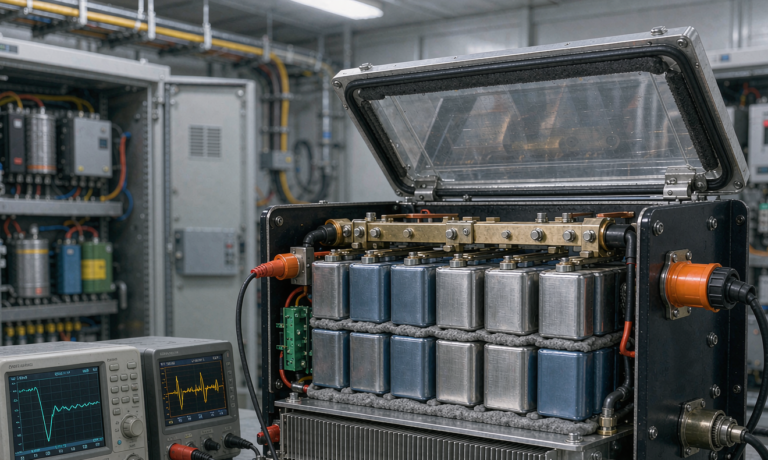
Most relief sites are what I call “high-contact environments”: tents, fuel cans, generators, and people moving fast. Every sodium battery pack we ship for emergency use is built and certified to the same baseline we apply to our industrial lines. The core transport and safety hurdle is UN38.3, the UN manual-of-tests requirement covering eight abuse tests (T.1 altitude simulation, T.2 thermal, T.3 vibration, T.4 shock, T.5 external short circuit, T.6 impact/crush, T.7 overcharge, T.8 forced discharge). Passing UN38.3 is non-negotiable before a cell leaves our dock.
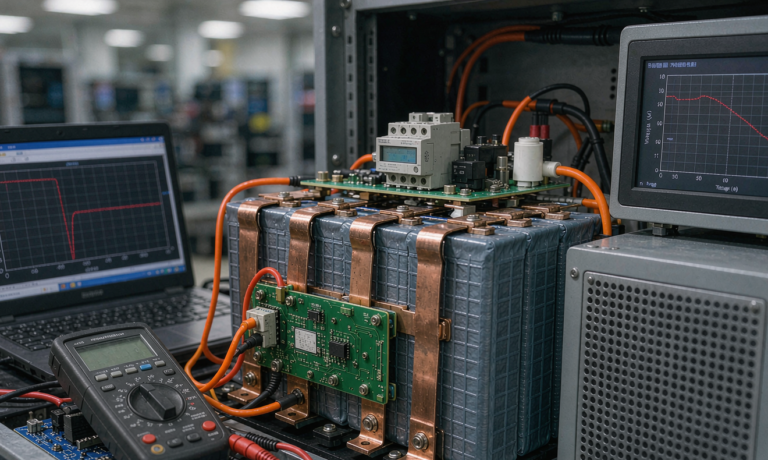
For the cell and pack construction itself we design to IEC 62133-2 (secondary cells and batteries containing alkaline or non-acid electrolytes, the portable safety standard) and IEC 62619 for the industrial stationary batteries that anchor a relief hub. These standards force us to validate venting behavior, terminal strength, and protection circuitry under abuse. Because sodium’s intrinsic thermal stability is higher, we hit these thresholds with simpler, lighter protection architectures, which also makes the packs easier for non-specialists to handle safely on site.
Sizing a Mobile Relief Power Unit
Sizing is where good intentions meet bad math. I start every relief spec from the load list, not the battery. A typical forward aid station needs: LED lighting (~100 W), a vaccine refrigerator (~80 W continuous, high inrush), a few phone/laptop charging points (~150 W), a radio/base station (~50 W), and a small water pump or medical device spike (~300 W). Call it a continuous 400-600 W with peaks around 1 kW.
From there I size for at least 48 hours of autonomy at the worst expected temperature, which usually lands a forward unit in the 10-20 kWh range. A larger hub feeding a tent city or command post runs 50-100 kWh. I deliberately oversize by 20% because relief loads always grow once people arrive. The beauty of a sodium-ion battery here is that the oversize costs less and weighs less per kWh than the lithium equivalent, so the unit stays within a manageable shipping footprint.
Transport and Rapid Deployment
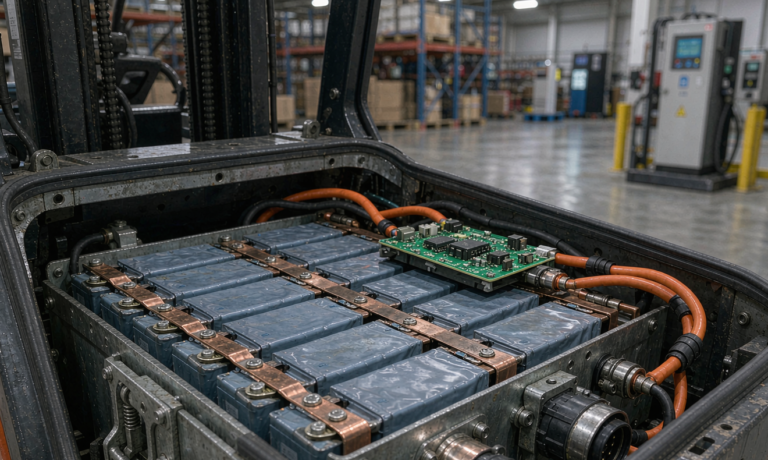
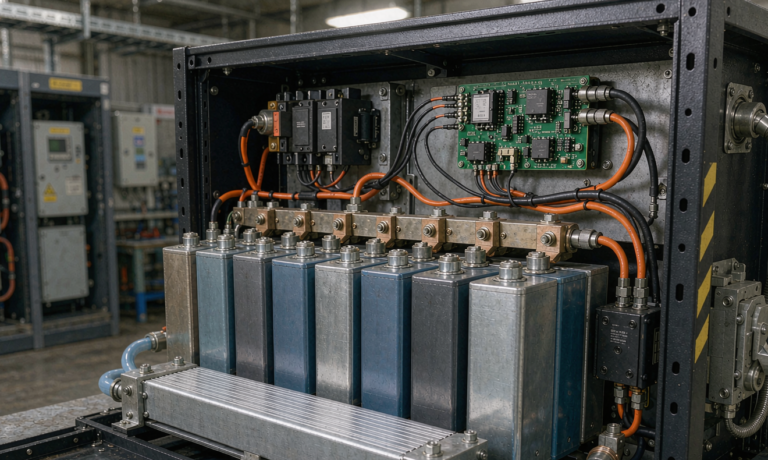
Speed kills relief timelines, so deployment design matters as much as chemistry. Our units are built as rack-mounted cabinets on wheeled frames, pre-wired to a single Anderson or IP67 connector, so a two-person crew can roll one off a truck, set it next to a tent, and have power in under fifteen minutes. For airlift, packs are shipped as UN38.3-compliant, properly documented cells; the lower energy density of sodium means more volume per kWh, but the simpler safety case and weaker thermal sensitivity actually streamline the dangerous-goods paperwork compared with air-shipping large lithium banks.
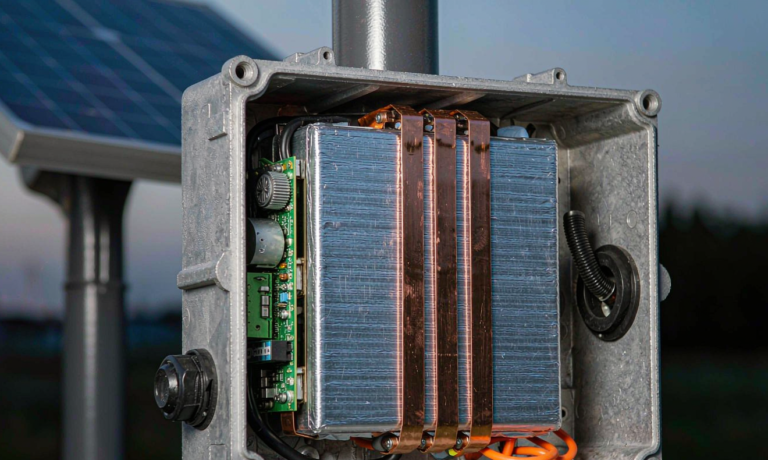
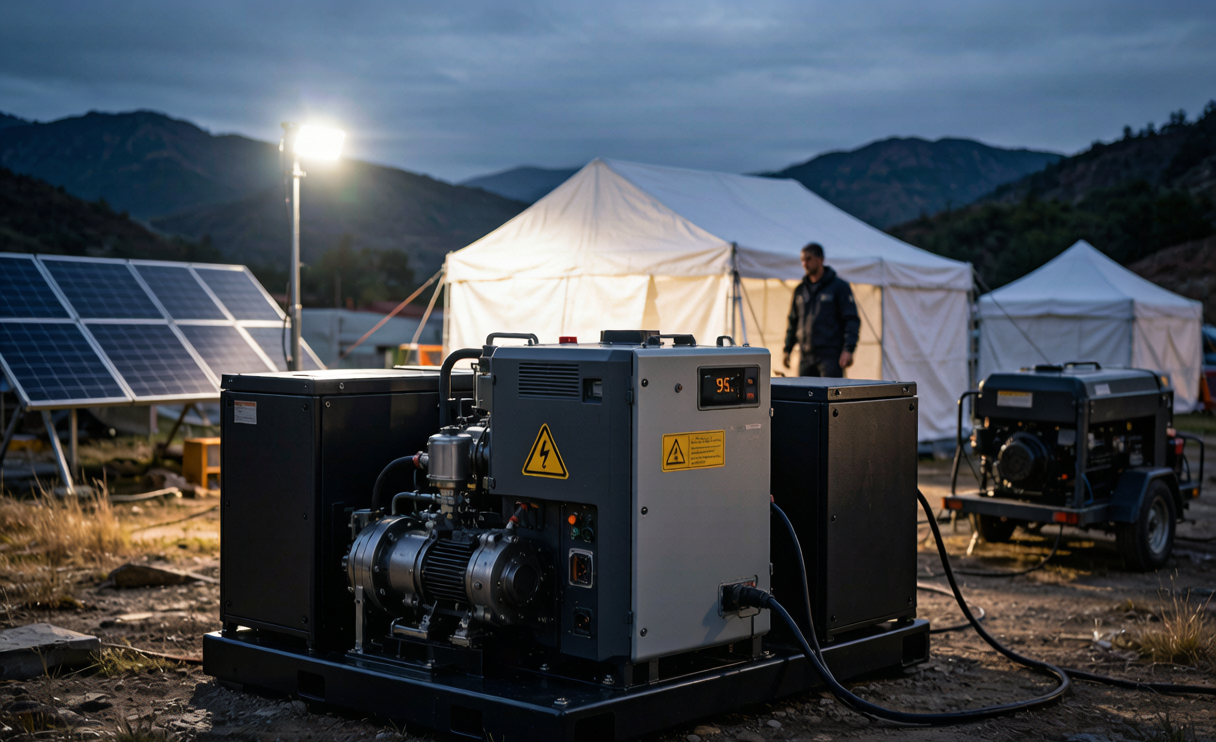
On the ground, I pair each battery with a small hybrid charge source: a folding solar array for daytime and a generator tie-in for sustained cloudy periods. The battery isn’t the only source, it’s the buffer that makes the other sources usable at night and during surges.
Real Deployment Scenarios We Plan Around
The patterns repeat. After a cyclone, the priority is communications and water pumping, so we stage mid-size banks with a strong inverter. After an earthquake in cold terrain, the priority is medical refrigeration and lighting, so we spec higher cold-capacity sodium packs and add passive insulation. For flood response, everything goes into IP65 enclosures because mud and water are guaranteed. In every case the same custom battery solution philosophy applies: design for the failure mode, not the brochure.
One detail I always stress to procurement teams: standardize the connector and the BMS readout across your whole stockpile. When you’re mixing units from three different shipments in the dark, a common interface is worth more than five percent extra capacity.
Frequently Asked Questions
Can sodium-ion batteries be air-freighted to disaster zones?
Yes. Like any lithium or sodium cell, they must pass UN38.3 and ship under the correct dangerous-goods classification with proper documentation. Sodium’s lower thermal sensitivity and simpler safety case can make the dangerous-goods review smoother, but you still need the certification paperwork and compliant packaging before a carrier will load them.
How does a sodium-ion battery perform in freezing relief conditions?
Much better than LFP. A sodium ion battery typically retains 85-90% of capacity at -10°C and accepts charge in the cold without aggressive derating, which is why it has become my default for winter storm and high-altitude response where lithium would need active heating.
Is sodium-ion safer around people and tents?
In practical terms, yes. Sodium chemistry has a higher intrinsic threshold for thermal runaway, so the risk of a cell propagating to a fire next to a medical tent is lower. We still certify every sodium battery pack to IEC 62133-2 and IEC 62619 and build in venting and protection circuits, but the margin is wider than with lithium.
What standards must relief batteries meet before deployment?
At minimum UN38.3 for transport, IEC 62133-2 for portable cell and pack safety, and IEC 62619 for the industrial stationary banks. For site-specific enclosures we add the relevant ingress protection rating (commonly IP65 for flood response) and verify the BMS under the same abuse tests we use for our commercial lines.
If you’re building or procuring a sodium-ion battery disaster relief power system, the winning move is to spec for the worst night on site, certify to the same standards you’d trust in a factory, and keep every unit in your stockpile interchangeable. That’s how power stays on when the grid doesn’t.