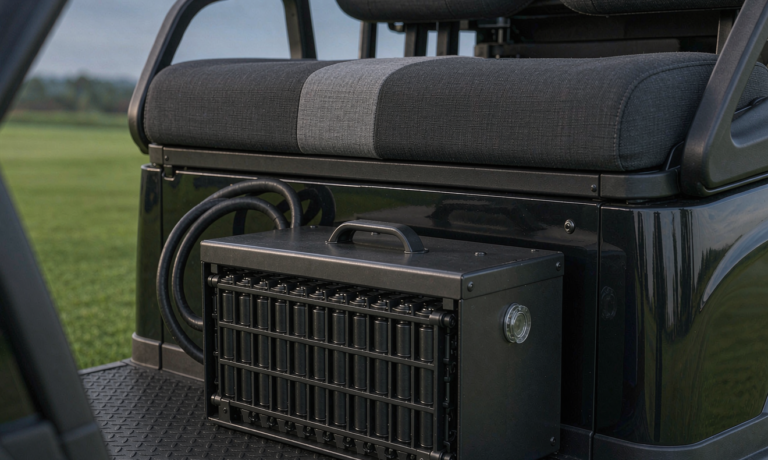
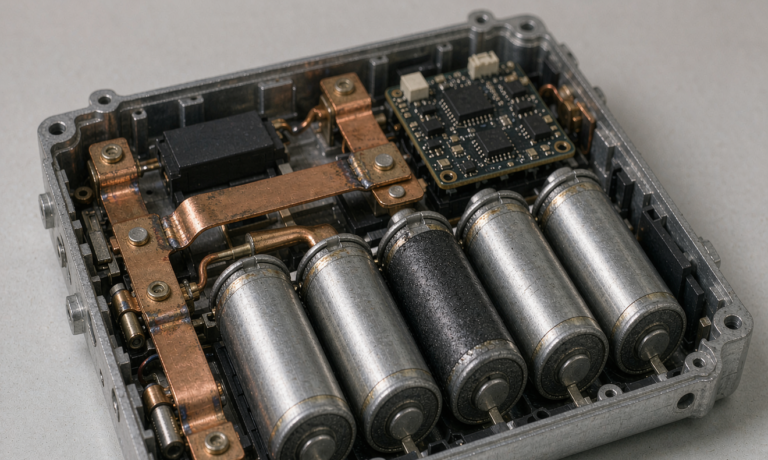
Sodium-Ion Battery for Cargo Bikes and Delivery Tricycles
As a lithium battery engineer who has spent the last decade building packs for light electric vehicles, I have watched the cargo bike and delivery tricycle market shift from a niche curiosity to a backbone of urban last-mile logistics. Cities from Amsterdam to Singapore are replacing vans with electric cargo trikes for parcel, food, and laundry runs. The question I get asked most by fleet operators is simple: should we spec lithium iron phosphate, or is a sodium-ion battery finally ready for daily commercial duty? In this article I share what my team at Horizon Power has learned deploying sodium cells into cargo bike platforms, and where the tradeoffs actually land in 2026.
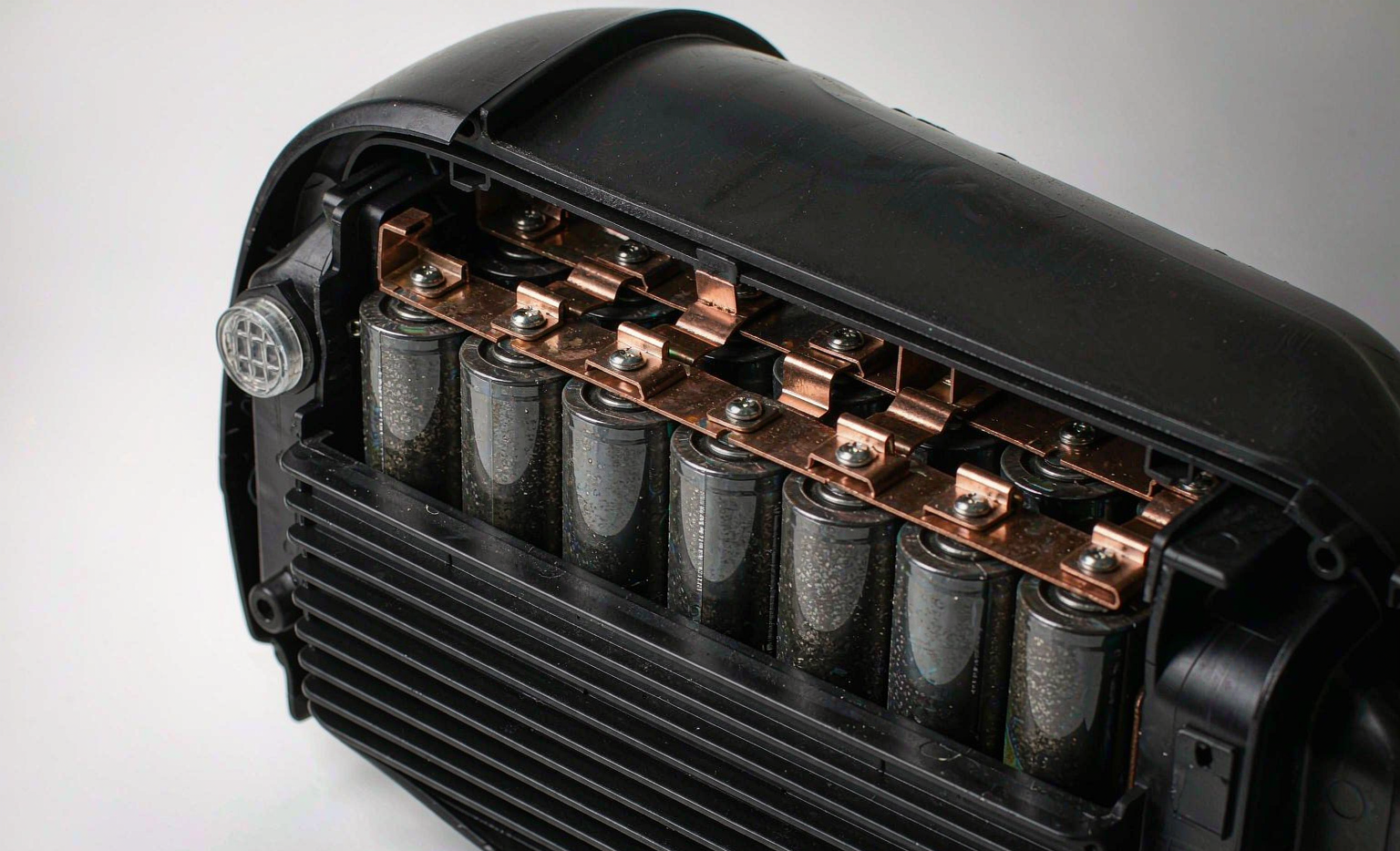
Why Cargo Bikes Are a Good Fit for Sodium-Ion
Cargo bikes and delivery tricycles are unusual among electric vehicles. They run short, repeated urban loops, carry moderate payloads, and get charged frequently at a depot. That duty profile plays directly to sodium-ion strengths. A sodium-ion battery uses abundant sodium instead of lithium, nickel, or cobalt, which lowers cell cost and removes exposure to volatile cathode material prices. For a fleet buying hundreds of packs, that cost stability matters as much as the sticker price. Sodium cells are also inherently more thermally stable than high-nickel chemistries, which simplifies the thermal design of a tightly packaged cargo trike battery.
Understanding the Duty Cycle and Load Profile
A typical delivery tricycle in dense city service covers 40 to 80 kilometers per day in stop-and-go traffic, with payloads from 50 to 200 kilograms depending on the box size. Acceleration from standstill dominates the energy draw, not steady cruising. We model the pack around peak motor current, not just average watt-hours, because the battery must deliver repeated bursts without voltage sag. In our bench tests a 48 volt sodium pack sized at 1.2 kilowatt-hours sustained 25 ampere continuous discharge and handled 60 ampere acceleration pulses for 10 seconds without dropping below the motor controller cutoff. That pulse capability is the real design target for cargo duty.
Pack Architecture and Voltage Platform
Most cargo e-bikes and trikes use a 36 or 48 volt system, occasionally 52 volt for heavier trikes. A sodium-ion battery maps cleanly onto these platforms. Sodium nominal cell voltage is about 3.0 volts, so a 48 volt pack is 16 cells in series, while a 52 volt pack is 17 cells in series. Specific energy for current sodium cells sits around 100 to 160 watt-hours per kilogram, below lithium iron phosphate but adequate for the short urban range these vehicles need. We typically specify 0.5 to 2.0 kilowatt-hours depending on payload and whether the operator wants a single daily charge or a reserve for overtime shifts. The lower energy density mostly affects pack mass and mounting, not range, because urban cargo cycles are energy light.
Cold Weather and Thermal Behavior
One area where a sodium-ion battery genuinely outperforms lithium iron phosphate is low temperature. Sodium cells retain a far larger fraction of capacity at minus 20 degrees Celsius than LFP, which can lose a third of its capacity in the same conditions. For delivery fleets operating year round in northern cities, that means fewer winter range complaints and less need for active pack heating. Sodium also accepts charge at low temperature better than LFP, reducing the risk of plating during depot charging on cold nights. We still recommend a passive insulation jacket for sub-zero fleets, but the margin is comfortable.
Safety, Ingress Protection, and Certification
Cargo trikes live outdoors and get hosed down, so ingress protection matters. We build sodium packs to IP65 as a baseline and IP67 for trikes with low-mounted batteries. On the compliance side, every pack we ship passes UN38.3 transportation testing and meets IEC 62133 for portable cells, and the complete vehicle must align with regional e-bike standards such as EN 15194 in Europe. Sodium’s higher thermal margin reduces but does not eliminate the need for a proper battery management system, so we keep dual thermistor sensing and a hard disconnect on over-temperature.
Charging Strategy for Fleet Operations
The cheapest cargo fleet is one that never waits for a charge. Because sodium-ion tolerates frequent partial charging without memory effect, we design around opportunity charging at the depot between runs rather than a single nightly full cycle. A 48 volt 1.2 kilowatt-hour pack reaches 80 percent in roughly 90 minutes on a 0.5C depot charger. For operations that want zero downtime, a swap-cabinet scheme with two packs per trike keeps vehicles moving while one pack charges. The battery management system logs cycle count and resistance drift so operators can rotate packs before capacity fades below the service threshold.
Frequently Asked Questions
Is a sodium-ion battery powerful enough for a loaded cargo trike?
Yes. Cargo trikes need strong acceleration bursts more than high top speed. In our testing a 48 volt sodium pack delivers 25 ampere continuous and 60 ampere ten-second pulses, which covers typical 250 to 750 watt motors with payload. The battery management system caps current to protect the cells, and we size the series count so voltage stays above the controller cutoff even at 20 percent state of charge.
How does sodium-ion range compare with lithium iron phosphate on the same route?
On a fixed urban loop the difference is smaller than the chemistry gap suggests. Sodium specific energy is lower, so for the same pack mass you get somewhat less energy, but cargo cycles are energy light. In a 1.2 kilowatt-hour pack a delivery trike typically covers 40 to 60 kilometers per charge, about 10 to 20 percent less than an equivalent LFP pack, which most fleets accept for the lower cell cost.
Can I charge a sodium cargo bike battery in cold weather?
Better than LFP. Sodium-ion accepts charge at low temperature without the plating risk that limits lithium, so depot charging on cold nights is safe down to around minus 10 degrees Celsius without active heating. Below that we recommend a short pre-warm or a passive insulation jacket. Avoid charging a frozen pack and the battery management system will flag any cell that drifts out of range.
What certifications does a cargo bike sodium pack need?
At minimum UN38.3 for transport and IEC 62133 for the cells, plus an IP rating for weather exposure. The complete vehicle must meet regional e-bike rules such as EN 15194 in Europe or local equivalents. We supply the pack test reports so the OEM can complete vehicle certification, and we keep batch records for traceability through the supply chain.
How long does a sodium-ion cargo battery last in daily delivery use?
With daily partial charging a sodium pack typically reaches 2000 to 3000 full-equivalent cycles before dropping to 80 percent capacity, which translates to two to four years of hard commercial use. Cycle life depends on depth of discharge, so we coach fleets to charge at 20 percent rather than fully draining. The battery management system tracks resistance so packs get rotated before they affect route reliability.
Is sodium-ion cheaper than lithium for fleet operators?
On a per-pack basis sodium is usually 10 to 30 percent lower in cell cost because it avoids lithium, nickel, and cobalt. The saving is steadier than lithium because sodium feedstock prices are stable. You may need a slightly larger or heavier pack for the same energy, but for depot-based fleets where mass is not critical, the total cost of ownership favors sodium once you add cycle life and simpler thermal design.
Further Reading
References