Sodium-Ion Battery for Diesel Genset Replacement
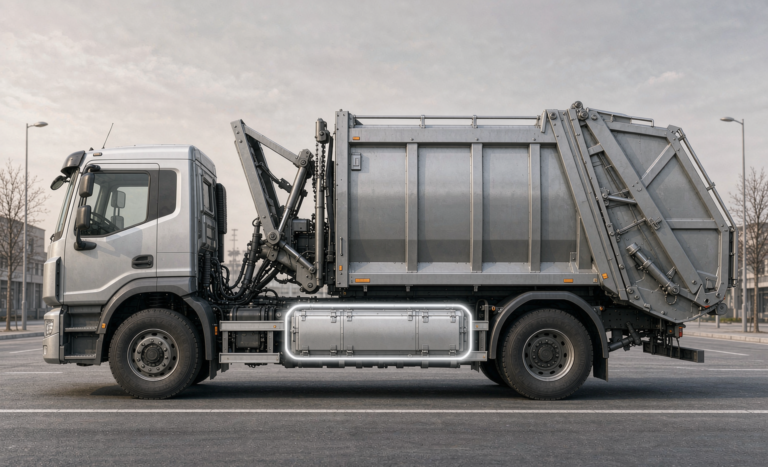
After fifteen years on the lithium cell line and a few more running field commissioning for off-grid power systems, I have watched the diesel genset go from unavoidable to optional. At Horizon Power we now ship sodium-ion packs that replace 10 kVA to 500 kVA gensets in telecom, agriculture, construction and remote industrial sites. The economics have flipped: fuel, service intervals and emissions penalties now cost more than the battery it replaces. This article explains how we size, integrate and validate a sodium-ion battery for diesel genset replacement, and where the chemistry genuinely wins.
Why Diesel Gensets Are Being Replaced
A standalone diesel set is mechanically simple, but its total cost is not. Fuel alone runs 30 to 50 percent of lifetime cost, and a set that starts once a week still burns through oil changes, filter swaps, coolant checks and injector wear. Add Tier 4 and EU Stage V emission limits, noise complaints at camps and clinics, and the logistics of hauling diesel to a mountain site, and the case for batteries gets strong fast. Sodium-ion does not beat diesel on raw energy density, but it removes fuel, cuts scheduled maintenance to near zero, and starts silently at minus 20 degrees Celsius without glow plugs or block heaters.
There is also the theft and telemetry angle. Diesel at a remote tower is a target; a sealed battery cabinet with no consumable is not. We pair the pack with a modem so the operator sees state of charge and cycle count from the office, which a diesel set simply cannot report. For fleet owners managing hundreds of sites, that visibility alone justifies the swap.
Load Profiles: Prime, Standby and Variable
We classify the duty before we size anything. A prime-power replacement runs for hours daily and sees full load swings. A standby replacement covers outages a few times a year. A variable-load replacement feeds pumps, compressors and power tools with sharp inrush. These three profiles need different battery and inverter ratings even at the same average watts.
A 30 kW irrigation pump may draw 90 kW for two seconds on motor start, then settle at 22 kW. The pack and inverter must absorb that inrush without tripping, so we rate the system on motor locked-rotor current, not just running watts. A resistive heater load is the opposite: flat and predictable, easy to size. Three-phase versus single-phase, power factor correction, and harmonic content from variable-frequency drives all enter the model. Get this wrong and the battery looks weak even when it is correctly sized.
Sizing the Sodium-Ion Bank
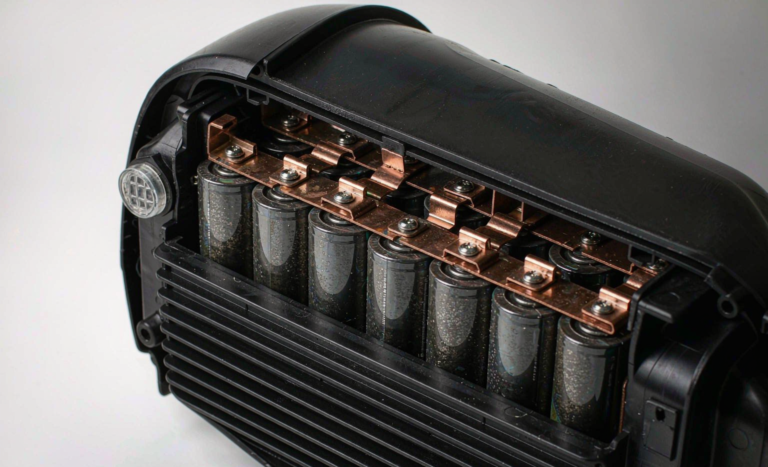
We size on watt-hours delivered, not nameplate. For a site pulling an 18 kW average over a 10 hour night with a 60 percent load factor, usable demand is about 180 kWh. Sodium-ion tolerates a wide state-of-charge window, so we design to 10 to 90 percent usable, giving a 225 kWh nameplate with margin. Continuous discharge at 0.1C to 0.3C keeps cell temperature rise under 5 degrees Celsius with passive cooling in most climates.
We derate 15 percent for altitude, cable loss and cell aging, then add a 10 percent cold reserve below 0 degrees Celsius. Unlike lead-acid, sodium-ion gives that capacity at minus 20 degrees Celsius with only a small loss, so no cabin heater is needed. The battery management system balances cells at 20 mV tolerance and logs every cycle, so the operator can plan replacement before capacity crosses the warranty floor rather than after a failure.
Why Sodium-Ion Fits Genset Replacement
Three properties matter for this job. First, sodium-ion uses no lithium, nickel or cobalt, so the bill of materials stays stable against commodity spikes and supply shocks, which matters for municipal and utility buyers on multi-year budgets. Second, the cells stay safe at high temperature and fail gently, which simplifies enclosure design versus nickel-rich chemistries and reduces the fire-spread engineering burden. Third, round-trip efficiency of 85 to 90 percent beats a diesel set’s roughly 30 percent well-to-shaft efficiency by a wide margin.
Where we need long life, sodium-ion delivers 2000 to 4000 cycles at 80 percent depth of discharge, enough for years of daily prime use. The cost per usable kilowatt-hour has fallen to a point where a properly sized pack pays back in 2 to 4 years against diesel fuel and service, faster where emission permits or noise rules apply. For sites already paying a premium to truck fuel, payback can be under two years.
Against lithium iron phosphate, sodium-ion trades some energy density for lower material cost and better cold behavior, which is a fair trade for a stationary cabinet that is not weight limited. Against lead-acid, sodium-ion wins on cycle life, depth of discharge and maintenance by a wide margin, and it needs no vented enclosure. For a genset replacement that sits outdoors for a decade, those differences compound into real uptime.
Charging and Replenishment Strategy
A genset replacement is only as good as its recharge plan. Most of our sites recharge from the grid overnight, from on-site solar during the day, or from the retained diesel set acting as a charger during long outages. We size the charger at 0.2C to 0.5C so a full recovery takes four to eight hours, which fits the idle window at nearly every site we serve. Faster charging is possible but adds inverter and thermal cost that rarely pays back.
For solar-hybrid sites we add a maximum power point tracker and let the battery absorb the midday surplus that a diesel set would waste. The controller prioritizes direct load, then battery, then dump or export, and it never lets the pack sit at 100 percent state of charge in hot weather, because resting fully charged accelerates aging. We hold a 20 to 80 percent daily band in hot climates and widen it only when the load demands it.
Power Electronics and Integration
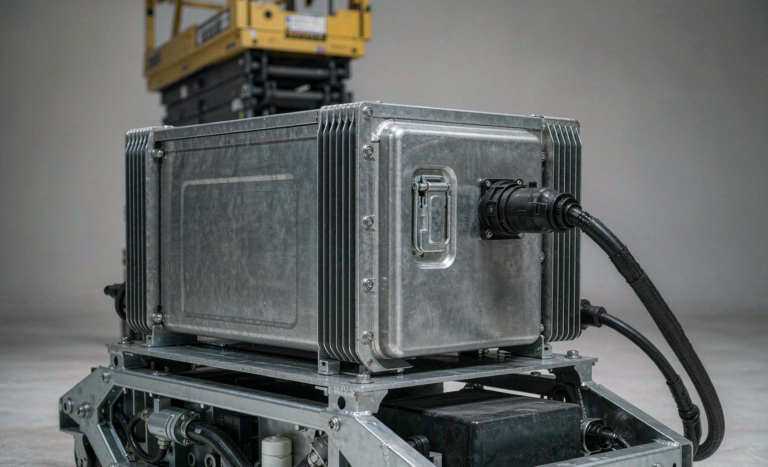
The battery is only half the system. We pair it with a bidirectional inverter-charger rated for motor inrush, a static or contactor transfer switch, and a battery management system that speaks CAN and J1939 so it drops into existing genset controllers. For sites that keep a genset as backup of the battery, we run a hybrid controller: the pack handles the daily load, and the diesel starts only on sustained overload or after a stretch of bad weather.
This hybrid mode can cut diesel run-hours by 80 to 95 percent, which is where the payback comes from. We also parallel packs for sites above 100 kW using a shared DC bus and active current sharing, and we add state-of-charge hysteresis so the system does not chatter between battery and genset during marginal loads. A clean seamless transfer keeps sensitive electronics online through the switch.
Environmental and Compliance Checks
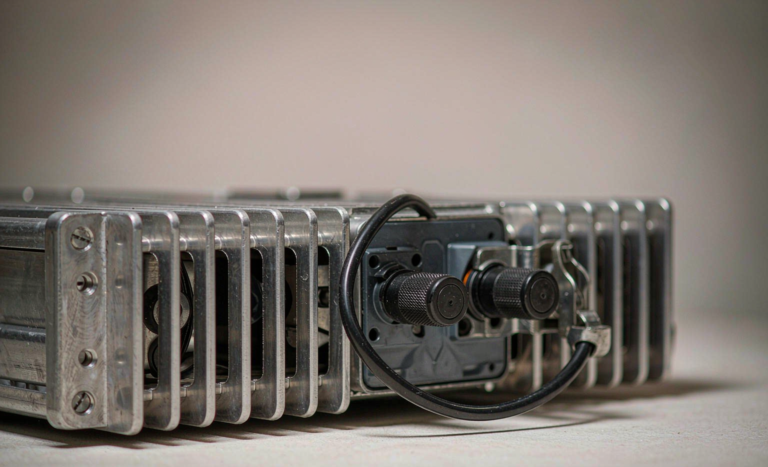
Replacing a diesel set is partly a paperwork win. No local nitrogen oxide or particulate emissions, no fuel spill risk, and noise drops from about 75 dBA to ambient. We build to UN38.3 for transport, IEC 62133 for cell safety, and IEC 62619 for industrial stationary use, then add an IP54 enclosure with an IP65 option for coastal or dusty sites. For sites in regulated air sheds, removing a combustion source can skip permitting that a new genset would trigger.
End of life is simpler too. Sodium-ion cells contain no cobalt to recover and far less contested material, so recycling streams are cleaner and cheaper than nickel-rich packs. We document the cell-level test report and keep a spare-module swap path so field service stays under an hour, which keeps total cost of ownership low across the asset life.
Frequently Asked Questions
Can a sodium-ion battery fully replace a diesel genset?
For most prime and standby sites up to a few hundred kilowatts, yes, with correct sizing on motor inrush and a hybrid diesel backup for rare extended outages. Very remote sites with weeks of low sun and no grid may keep a small genset as insurance.
How long does a sodium-ion genset replacement last?
We design for 2000 to 4000 cycles at 80 percent depth of discharge, which translates to roughly 5 to 10 years of daily prime use depending on climate and discharge rate.
Does cold weather hurt sodium-ion performance?
No. Sodium-ion retains most capacity at minus 20 degrees Celsius with no heater, which is a major advantage over lithium iron phosphate in cold regions and removes the glow-plug warm-up a diesel set needs.
What certifications apply to these systems?
We build to UN38.3 for shipping, IEC 62133 for cell safety and IEC 62619 for stationary industrial installation, with IP54 to IP65 enclosures per site conditions.
Is a hybrid diesel plus battery setup better than full replacement?
Often yes for remote prime sites. The battery covers daily load and the diesel starts only on sustained overload, cutting fuel use and run-hours by 80 to 95 percent while keeping uptime.
How do we size for motor starting surges?
We rate the inverter and pack on locked-rotor inrush current, not running watts, and add headroom for two-second surges, so pumps and compressors start without tripping the system.
Further Reading
References