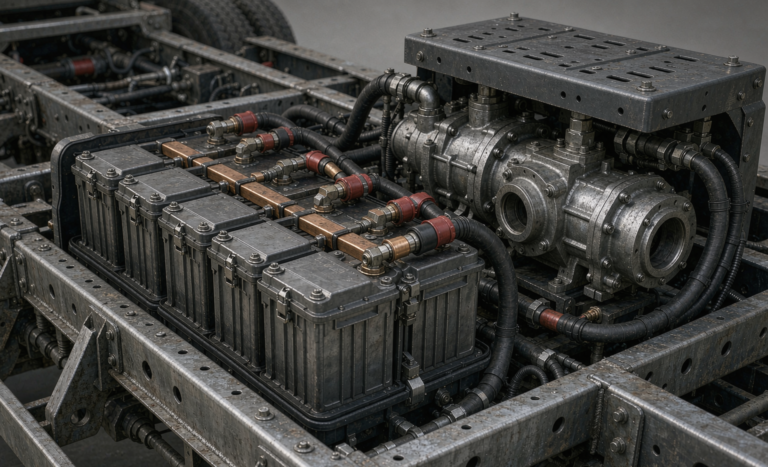
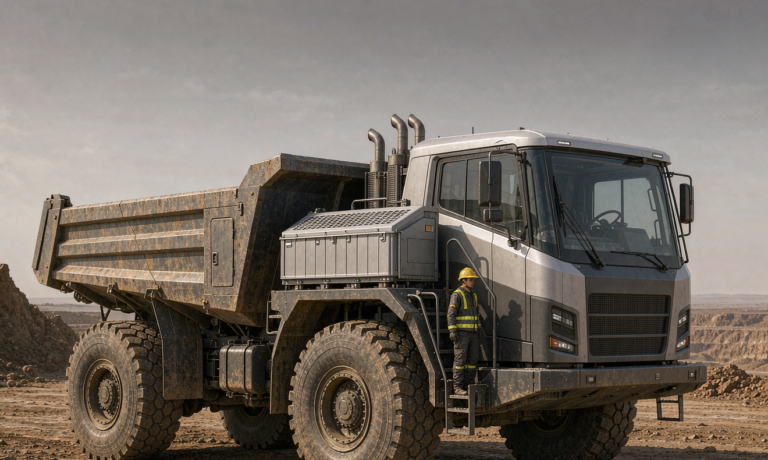
Battery Solution for Electric Pavers and Road Rollers
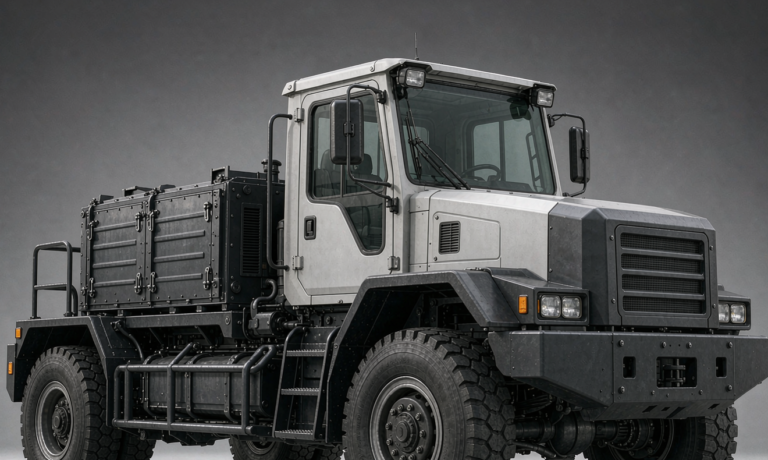
Over the last eight years I have watched road construction crews in three continents swap diesel pavers and rollers for battery powered machines. As a senior lithium battery engineer at Horizon Power, I have been on the jobsite when the first electric paver laid asphalt at 4 a.m., and I have also been the person called when a prototype pack overheated during a summer compaction run. The lesson is consistent: a road machine is not a passenger car. It runs a stop-start duty cycle, sits in dust and vibration, and expects full power at the worst possible ambient temperature. A generic pack will not survive, and that is why the right battery solution has to be engineered around the paving and compaction profile from day one.
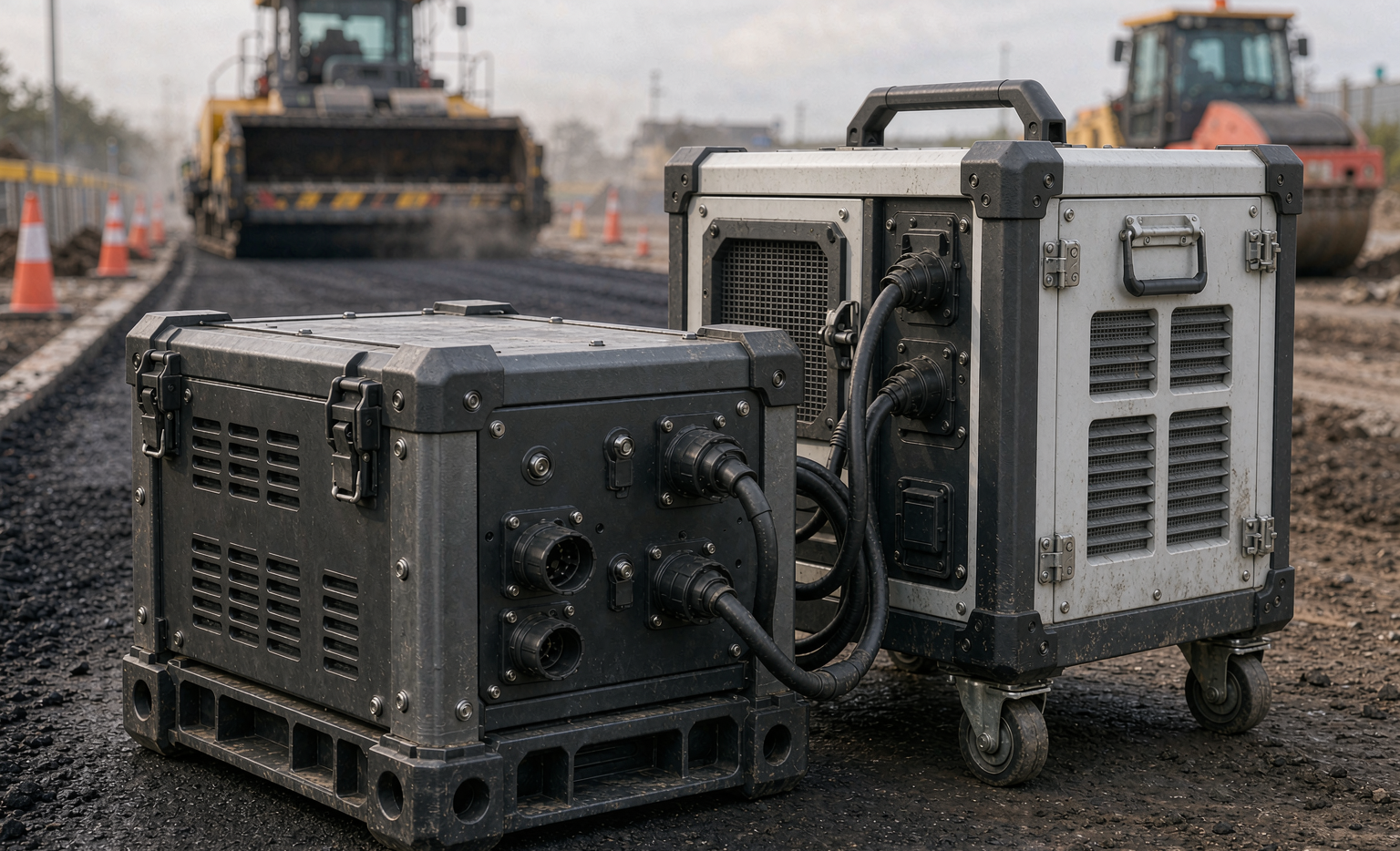
Duty Cycle and Power Demand of Asphalt Pavers and Rollers
A typical asphalt paver draws 30 to 80 kW at the auger and screed during laying, with brief conveyor peaks near 100 kW when it pulls material from the truck. A double drum vibratory roller pulls 20 to 50 kW in travel and another 10 to 25 kW at the vibration system while it is compacting. Neither machine sustains peak continuously, but the load factor on a paving train is far higher than on a delivery van. I have measured duty cycles where the pack delivers 60 percent of rated power for most of a 10 hour shift. That profile favors cells with strong continuous discharge and low internal resistance, not cells tuned for short bursts. A lithium battery that looks good on a pulse chart but sags under a long screed run will fail the operator on the first hot day. Some modern rollers recover a little energy during deceleration and vibration pauses, but I do not plan capacity around regeneration because the duty is too irregular. The pack must stand on its own for the full rated shift.
Sizing Capacity for Continuous Paving and Compaction
For a paver working a 10 hour shift at an average 45 kW, you are looking at roughly 450 kWh of delivered energy before losses. A roller at 30 kW average needs about 300 kWh. In practice we design the custom battery solution with a usable window of 20 to 90 percent state of charge, which means a 560 to 700 kWh nameplate for the paver and 380 to 470 kWh for the roller. I always leave a 10 to 15 percent reserve so a late job does not strand the crew. The battery pack design has to balance mass against range; a paver can carry weight, but a roller loses compaction quality if the axle load shifts the vibration pattern. We model the shift first, then size the pack, never the other way around. Hot ambient also trims usable capacity, so for jobs above 40 degrees Celsius I add another 5 percent margin rather than assume the nameplate holds through the afternoon.
Voltage Platform and Thermal Management on the Jobsite
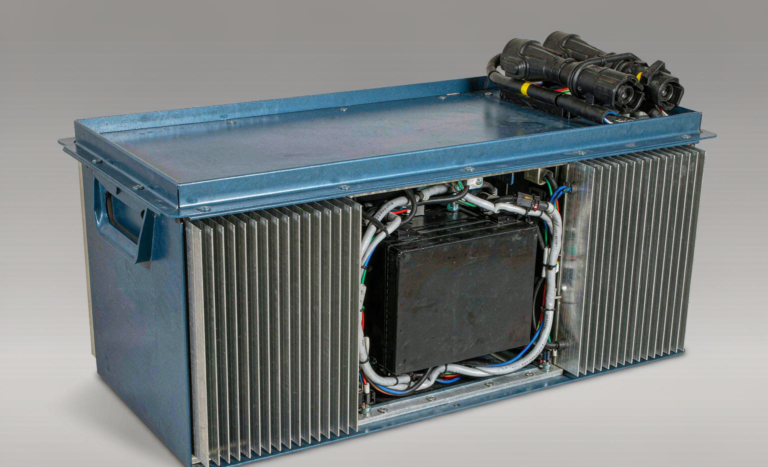
Most new electric pavers and rollers use a 600 to 800 V architecture because it keeps current manageable at these power levels. At 700 V, a 60 kW load is only about 86 A, and I2R heating in the busbars stays controlled. We pair that with liquid cooling sized for a 5 degrees Celsius gradient across the pack and an ambient tolerance from minus 20 to plus 55 degrees Celsius. I have seen a poorly cooled pack lose 12 percent capacity in one summer simply because the cooling plate was undersized. The BMS solution has to close the loop between cell temperature, coolant flow, and contactor control in under 200 milliseconds, because a thermal runaway starts long before the operator notices a warning light.
Charging Strategy for Depot, Opportunity, and Swap
There is no single right way to charge a machine that works all day. Depot charging overnight at 0.3 to 0.5 C is cheapest and simplest. Opportunity charging during breaks at 1 to 2 C keeps a roller running without a second pack. Battery swap, where a fresh pack replaces a depleted one in under five minutes, suits paving trains that cannot stop. I recommend a hybrid: a depot charge plus one opportunity session at the lunch break. The charge profile must respect cell temperature, and I insist on a pre-condition step when the pack is below 10 degrees Celsius so lithium plating never starts during a cold morning charge.
Ingress Protection and Jobsite Durability
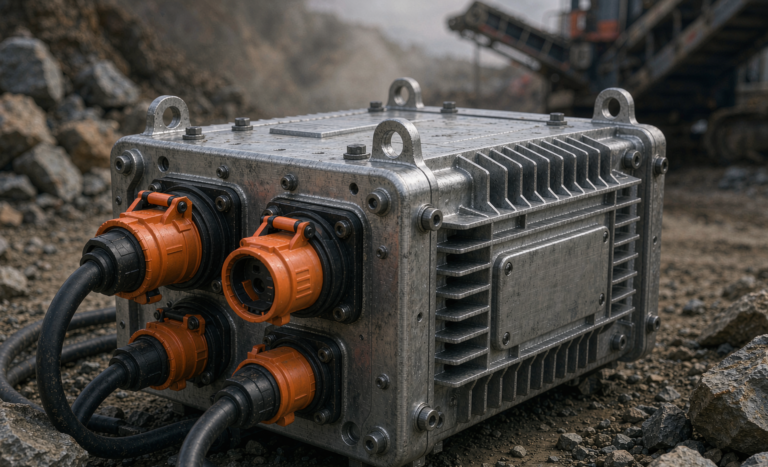
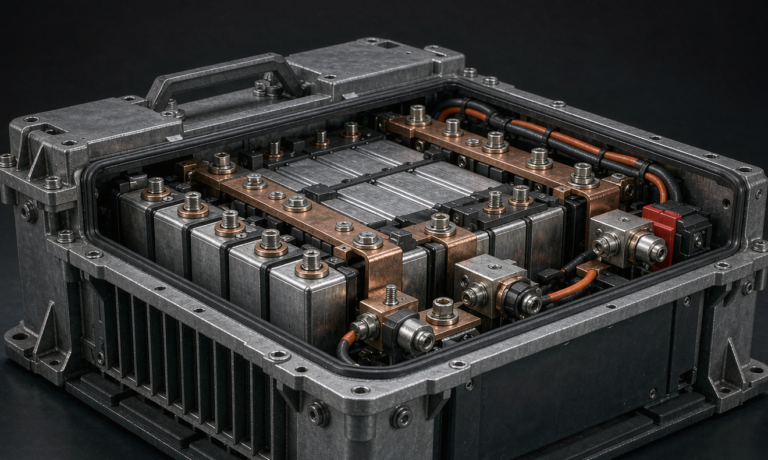
Road equipment lives in abuse. Fine asphalt dust, vibrating frames, pressure washers, and salt on winter roads all attack a pack. We specify IP67 for the enclosure with IP6K9K tolerance for high pressure washdown, plus ASTM B117 salt fog resistance for the connectors. Inside, the battery application solution uses polyurethane potting around cell interconnects and conformal coating on the sense board. I have dropped test packs from 1.5 m on six faces and then re-measured internal resistance; a well potted module stays within 3 percent of its baseline. Without that ruggedization, the first pothole ends the warranty, and a failed pack in a roller is a jobsite shutdown, not a roadside inconvenience.
Safety and Compliance for Mobile Energy Storage
A large pack on a worksite is a serious energy source, so compliance is not optional. We build to UN38.3 for transport, IEC 62133 for cell safety, and IEC 62619 for industrial stationary and mobile storage. For the vehicle side we follow ECE R100.2 and UL 2580, and the enclosure meets IEC 60529 for ingress. The BMS carries redundant voltage and temperature sensing and a contactor that opens on fault. I also insist on clear labeling and a manual disconnect the operator can reach, because a site supervisor should never need an engineer to make a pack safe. A battery solution that cannot be isolated by hand is a battery solution I will not put on a public road project.
Frequently Asked Questions
How much battery capacity does an electric paver need for a full shift?
A paver at an average 45 kW over a 10 hour shift needs about 450 kWh of delivered energy, which translates to a 560 to 700 kWh nameplate once you apply a 20 to 90 percent state of charge window and a 10 to 15 percent reserve. The exact number depends on layer thickness, ambient temperature, and how often the screed runs at full auger speed. I always model the actual shift rather than quote a single figure, because a downtown overlay job and a highway base course are completely different loads.
Can a single battery pack power both a paver and a roller?
In principle yes, if the pack is sized for the larger of the two loads and the connectors and communication protocols match both machines. In practice I advise against it on a fast paving train, because swapping a 600 kWh pack between a paver and a roller wastes time the schedule does not have. A dedicated pack per machine, or a shared rolling stock of identical packs, is the cleaner engineering answer and keeps utilization high.
What voltage platform is best for electric road equipment?
For pavers and rollers in the 30 to 100 kW range, a 600 to 800 V platform is the right choice. It keeps current in the 40 to 130 A band, which makes cabling, contactors, and cooling far more manageable than a 400 V system would. A higher voltage also reduces I2R losses during long screed runs. The tradeoff is component cost and isolation design, but on a machine this size the efficiency gain pays for itself within the first season.
How long does it take to charge an electric roller on site?
With a depot charge at 0.3 to 0.5 C, a 400 kWh roller pack fills overnight in roughly six to eight hours. At an opportunity charger running 1 to 2 C during a lunch break, you recover 40 to 60 percent state of charge in about 30 to 45 minutes. I recommend the hybrid approach: depot charge plus one opportunity session, which keeps the machine running through a full shift without a second pack and without waiting on a slow charge window.
Are lithium batteries safe in hot asphalt environments?
Yes, provided the thermal design is correct. Asphalt work pushes ambient temperatures high and the pack sits near radiant heat from the screed. We use liquid cooling with a 5 degrees Celsius gradient, an ambient rating to plus 55 degrees Celsius, and a BMS that derates the pack past 45 degrees Celsius and disconnects past 60 degrees Celsius. With those controls, lithium iron phosphate chemistry is well within its safe envelope even on the hottest paving day.
Which certifications apply to construction equipment battery packs?
The core set is UN38.3 for transport safety, IEC 62133 for cell level safety, and IEC 62619 for industrial stationary and mobile storage systems. For the machine side you add ECE R100.2 and UL 2580, and the enclosure is verified to IEC 60529 for ingress protection. Depending on the market, local electrical codes and machinery directives may add requirements, so I review the destination regulation before the battery pack design is frozen.
Further Reading
References